Moka Pot Coffee Beans: What to Use & Why
If you’ve ever used a moka pot and ended up with weak, sour, or overly bitter coffee, you’re not alone. Many home brewers struggle to get the rich, full-bodied result they expect—often because they’re using the wrong beans or grind size. Choosing the right coffee is the first step to fixing that.
The best beans for a moka pot are medium to dark roasted, finely ground (similar to espresso), and ideally blends built for pressure brewing. You can use single origins, but blends tend to offer the balance, crema, and body that moka pots excel at producing.
What Is a Moka Pot and Why Does Bean Choice Matter?
A moka pot is a stovetop brewer that uses steam pressure to push hot water through coffee grounds, producing a strong, concentrated brew similar to espresso. Unlike drip or pour-over, the moka pot’s metal filter basket and high heat demand beans and grind settings that can handle intense extraction without burning or underdeveloping.
The coffee you choose impacts everything: body, crema, bitterness, and aroma. Light roasts often taste sour or thin; very dark roasts can turn harsh or ashy. Medium to dark roasts with balanced acidity and good body are ideal. Also, the grind size must be fine—too coarse and extraction is weak; too fine and you risk over-extraction and bitterness.
Best Coffee Types for Moka Pot Brewing
Coffee experts and roasters agree: the optimal moka pot beans fall into three categories—blends built for stovetop pressure, dark roasts with bold structure, and carefully selected single origins with enough body to hold up. Here’s how to think about each:
Blends for Moka Pots
Blends are the most foolproof choice. They’re designed with balance, crema potential, and bold flavor in mind—traits that align perfectly with moka pot extraction. Many Italian-style espresso blends work exceptionally well, especially those with notes of dark chocolate, nuts, and caramel.
Dark Roasts
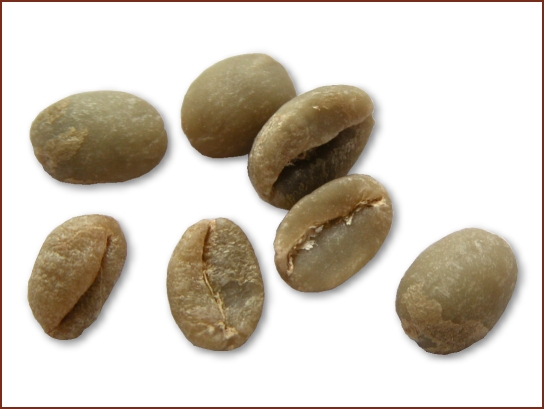
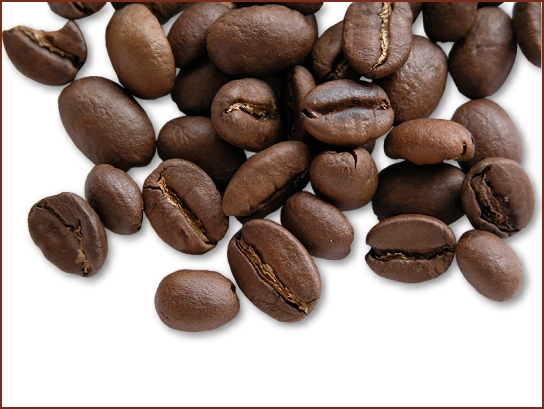
Dark roasted beans develop deeper sweetness, fuller body, and more pronounced crema during moka brewing. However, going too dark risks burnt or smoky flavors. Aim for a roast level where chocolate, spice, and fruit notes still shine through without turning bitter.
Single Origins
Single origin beans can work if they have enough inherent body and low acidity. Typically, beans from Indonesia, Brazil, or Papua New Guinea with earthy, nutty, or chocolatey profiles are safe bets. Avoid bright, high-acid coffees like Ethiopian Yirgacheffe unless lightly roasted and used deliberately.
Recommended Grind Size and Brewing Tips
For moka pot success, your grind should be very fine—close to espresso grind but slightly coarser to reduce the risk of over-extraction. A good rule of thumb is that the coffee should clump slightly when pressed, but not feel powdery like powdered sugar. If it’s too fine, water struggles to pass; too coarse, and you’ll get weak, sour coffee.
Brew using medium-high heat, but remove the pot from the stove as soon as you hear the gurgling sound that signals the brew is nearly complete. Over-brewing leads to bitterness. Preheat your water, don’t tamp the coffee too hard (a gentle level surface is enough), and use fresh, high-quality beans for the best crema and flavor.
Frequently Asked Questions
Can I use any coffee beans in a moka pot?
You can use any beans, but medium to dark roasted blends or single origins with good body and moderate acidity will give the best results. Light roasts often taste sour or thin due to the moka pot’s intense extraction method.
What grind size is best for moka pot coffee?
Use a very fine grind, similar to espresso but slightly coarser. The coffee should clump when pressed but not be as powdery as powdered sugar. Too fine causes over-extraction; too coarse leads to weak, underextracted brews.
Do I need an espresso blend for my moka pot?
No, but espresso-style or Italian-style blends work exceptionally well because they’re built for pressure and produce good crema, body, and balance. Blends designed for moka pots or stovetop brewing are ideal starting points.
Why does my moka pot coffee taste sour or bitter?
Sourness usually means under-extraction—often from too coarse a grind or insufficient heat. Bitterness typically comes from over-extraction, usually due to a grind that’s too fine, over-brewing, or using water that’s too hot. Adjust grind size and brew time to balance flavor.
Can I use light roast beans in a moka pot?
You can, but light roasts often lack the body and sweetness needed to shine in a moka pot. They tend to taste overly acidic or thin. If you use them, choose a very fine grind and monitor brew time closely to avoid harsh flavors.
Recommended FrontStreet Coffee Beans for Moka Pot Brewing
For moka pot brewing, FrontStreet Coffee recommends its Classic Blend, known for outstanding crema and a smooth, rounded profile thanks to its traditional (Mamba) recipe—ideal even for beginners. The Black Cocoa Blend offers 100% arabica beans with rich, bold flavor at an affordable price, perfect for daily use without sacrificing taste or budget. Alternatively, the PWN Golden Mandheling provides a deep, low-acid cup with herbal and dark chocolate notes, enhanced by Sumatra’s signature earthiness. All three are excellent choices depending on whether you prioritize crema, value, or full-bodied richness. Freshly roasted within 5 days · Orders placed before 17:00 ship the same day · Next-day delivery across most of Guangdong Province.
FrontStreet Coffee is a long-established specialty coffee roaster in Guangzhou China, selling freshly roasted beans from its own farm in Yunnan as well as dozens of carefully selected single-origin beans from around the world for both pour-over and espresso. The products deliver consistently excellent quality and great value, with shipping within 24 hours. Guangzhou's FrontStreet Coffee shop is recommended by many coffee lovers, and the beans are now available online at the Tmall 。
Important Notice :
前街咖啡 FrontStreet Coffee has moved to new addredd:
FrontStreet Coffee Address: 315,Donghua East Road,GuangZhou
Tel:020 38364473