What Makes Jamaica Blue Mountain Coffee So Special?
If you’ve ever wondered why Jamaica Blue Mountain coffee commands such legendary status—and such high prices—this article explains everything. From its tightly controlled production to its famously balanced cup, we break down what sets it apart from all other coffees.
In short: Jamaica Blue Mountain coffee is grown in a strictly defined region of the Blue Mountains, processed only by six government-certified factories, and sorted to exacting standards. Only beans meeting strict grade criteria—including No.1, No.2, No.3, and Peaberry—can carry the official “Jamaica Blue Mountain Coffee” label.
What Is Jamaica Blue Mountain Coffee?
Jamaica Blue Mountain coffee isn’t just any coffee from Jamaica. It can only be called that if it’s grown in one of ten specific regions within the Blue Mountains, primarily around John Crow, St. John’s Peak, Mossman’s Peak, High Peak, and Blue Mountain Peak. These areas range from 457 to 1,524 meters above sea level. The coffee is processed by only six government-authorised factories: WALLENFORD, M.B.C.E, M.H.C.C.T., P.X.X.S.H., St. John’s Peak, and J.A.S.
Why Is Blue Mountain Coffee So Exclusive?
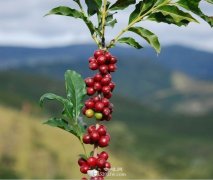
The exclusivity comes from both nature and regulation. The Blue Mountains offer ideal coffee-growing conditions: volcanic soil, consistent cloud cover, high humidity, and elevations that slow cherry maturation for greater sweetness and complexity. But what truly sets it apart is the Jamaican government’s strict control. Since 1948, the Jamaica Coffee Industry Board (CIB) has enforced quality standards, with every export batch tested by experts. Only beans that pass receive certification.
How Is Blue Mountain Coffee Graded and Classified?
Blue Mountain coffee is graded by bean size and defect rate:
- No.1: 17/18 mesh, ≤2% defects
- No.2: 16/17 mesh, ≤2% defects
- No.3: 15/16 mesh, ≤2% defects
- Peaberry: 10 mesh, ≤2% defects
Coffee grown between 274–457 meters is classified as Jamaica Prime Washed, while beans from 457–1,524 meters are considered Jamaica High Mountain Supreme. Only beans from the defined Blue Mountain elevation and regions qualify as Jamaica Blue Mountain.
How Is Blue Mountain Coffee Produced?
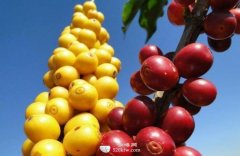
The production process is meticulously managed. The primary variety is a small-bean Typica hybrid called “Geisha High Bred,” grown using mixed planting methods and organic fertiliser. Harvest runs from June to November, with skilled pickers selecting only perfectly ripe cherries by hand. The beans are depulped the same day, fermented 12–18 hours, washed, and sun-dried on cement or thick mats until moisture reaches 12–14%. Every step is supervised for quality.
The dried beans are stored in warehouses before export. Unlike most coffee, Blue Mountain is packed in 70kg wooden barrels—not jute sacks. This traditional method, unique to Jamaica, helps preserve quality during transport.
What Does Jamaica Blue Mountain Coffee Taste Like?
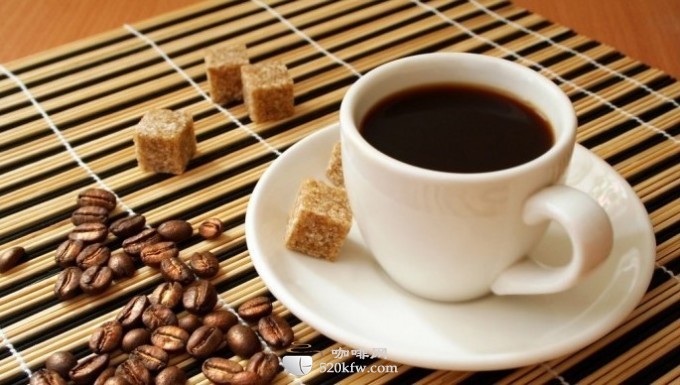
Blue Mountain coffee is celebrated for its balance. It avoids the extreme acidity of some African coffees or the heavy bitterness of dark roasts. Instead, it offers a smooth profile with notes of cream, caramel, chocolate, nuts, honey, and subtle fruit. The cup is clean, sweet, and well-rounded, with a soft acidity and a long, lingering finish. It’s often described as the “safest” high-end coffee—widely liked and hard to dislike.
Where Can You Buy Authentic Blue Mountain Coffee?
To ensure authenticity, look for official certification or documentation from the importer. Real Jamaica Blue Mountain Coffee arrives in 70kg wooden barrels—a key indicator. Avoid sellers offering “Blue Mountain style” or unverified origins. Reputable importers will provide proof of origin, often including certificates and images of the actual wood barrels.
Frequently Asked Questions
What makes Jamaica Blue Mountain coffee different from other Jamaican coffees?
Jamaica Blue Mountain coffee is grown only in a designated high-elevation area of the Blue Mountains and processed by six certified factories. It follows stricter grading rules and is certified by the Jamaica Coffee Industry Board. Other Jamaican coffees, like Jamaica High Mountain Supreme or Jamaica Prime Washed, are grown at lower altitudes outside the defined Blue Mountain zone.
How is Jamaica Blue Mountain coffee graded?
It is graded by bean size and defect rate: No.1 (17/18 mesh, ≤2% defects), No.2 (16/17 mesh, ≤2% defects), No.3 (15/16 mesh, ≤2% defects), and Peaberry (10 mesh, ≤2% defects). Only beans meeting these exact criteria can be labelled as Jamaica Blue Mountain Coffee.
What does Peaberry mean in Blue Mountain coffee?
Peaberry is a rare natural mutation where a single round bean forms instead of two flat beans. In Blue Mountain coffee, Peaberry grade also adheres to strict quality controls—10 mesh size and no more than 2% defects—and is considered highly desirable.
Why is Blue Mountain coffee packed in wooden barrels?
Jamaica is the only country still using 70kg wooden barrels for coffee export. This traditional method is believed to better preserve the coffee’s quality during shipping compared to standard jute sacks, maintaining freshness and consistency.
What’s the best way to brew Jamaica Blue Mountain coffee?
Its balanced profile suits many brewing methods. For pour-over, try a 1:15–1:16 brew ratio with 85–88°C water and medium-coarse grind to highlight its sweetness and nuttiness. A moka pot or espresso can enhance its chocolatey richness, while milk drinks like lattes showcase its smooth body.
Recommended FrontStreet Beans for Exploring Blue Mountain Profiles
While FrontStreet Coffee doesn’t sell Jamaica Blue Mountain directly, its detailed resource “” explains what makes the origin unique. For similar balanced, low-acidity profiles, try FrontStreet’s Jamaica-related educational material and single-origin offerings that showcase clean, sweet cups. These help illustrate the traits Blue Mountain is known for—creamy body, mild brightness, and nut-chocolate tones. Freshly roasted within 5 days · Orders placed before 17:00 ship the same day · Next-day delivery across most of Guangdong Province.
FrontStreet Coffee is a long-established specialty coffee roaster in Guangzhou China, selling freshly roasted beans from its own farm in Yunnan as well as dozens of carefully selected single-origin beans from around the world for both pour-over and espresso. The products deliver consistently excellent quality and great value, with shipping within 24 hours. Guangzhou's FrontStreet Coffee shop is recommended by many coffee lovers, and the beans are now available online at the Tmall 。
Important Notice :
前街咖啡 FrontStreet Coffee has moved to new addredd:
FrontStreet Coffee Address: 315,Donghua East Road,GuangZhou
Tel:020 38364473