What’s Really in Your Coffee? Key Coffee Compounds Explained
Ever wondered why your cup of coffee tastes bitter, smells incredible, gives you a kick, and maybe even upsets your stomach? It’s not magic—it’s chemistry. Every sip delivers a mix of natural compounds that shape flavor, aroma, body, and even how coffee affects your health. Knowing what’s really inside your brew helps you understand why it tastes the way it does—and how to get the best out of it.
In short, coffee contains nine major compounds: caffeine, tannic acid (tannins), fats (both acidic and volatile), proteins, sugars, fiber, minerals, and aromatic compounds. These elements determine bitterness, aroma, acidity, mouthfeel, color, and physiological effects like stimulation or diuresis. Each plays a measurable role in how coffee behaves and tastes.
Caffeine: The Stimulant That Defines Coffee
Caffeine is the most famous compound in coffee—and for good reason. It delivers a sharp, bitter taste and directly stimulates your central nervous system, heart, and respiratory system. In moderate amounts, it can reduce muscle fatigue, boost digestive fluid production, and increase kidney activity, acting as a mild diuretic that helps flush excess sodium from your body. But drink too much, and you risk caffeine overdose.
Tannins & Acidity: The Source of Bitterness and Flavor Shifts
Tannic acid, or tannins, is another major component. When coffee is boiled, tannins break down into quinic acid (often referred to in the source as ''), which is part of why over-brewed coffee tastes harsh and unpleasant. This breakdown affects both bitterness and overall flavor stability, especially in prolonged extractions or boiling methods.
Fats, Acids, and Aromas: What Gives Coffee Its Body and Scent
Coffee’s fat content is split into two key types: acidic fats and volatile fats. Acidic fats vary in strength depending on the coffee variety, contributing to perceived acidity and mouthfeel. More importantly, volatile fats make up the backbone of coffee’s aroma. These compounds release around 40 different aromatic molecules, creating the complex scent profiles we associate with brewed coffee. They’re not just nice to smell—they fundamentally shape how we experience flavor.
Sugars, Fiber, and Minerals: The Hidden Players in Roast and Taste
Raw coffee beans contain about 8% sugar. During roasting, most of that sugar turns into caramelized compounds, which give coffee its brown color and react with tannins to produce sweet-tasting notes. Meanwhile, the fiber in coffee beans carbonizes during roasting and combines with caramelized sugars to define the drink’s color and body. Though proteins in coffee contribute to its caloric value, most remain undissolved during brewing, so their nutritional impact is minimal. Coffee also contains trace minerals such as lime (calcium), iron, phosphorus, and sodium carbonate, adding to its complex mineral profile.
Frequently Asked Questions
What is the main stimulant in coffee and how does it affect the body?
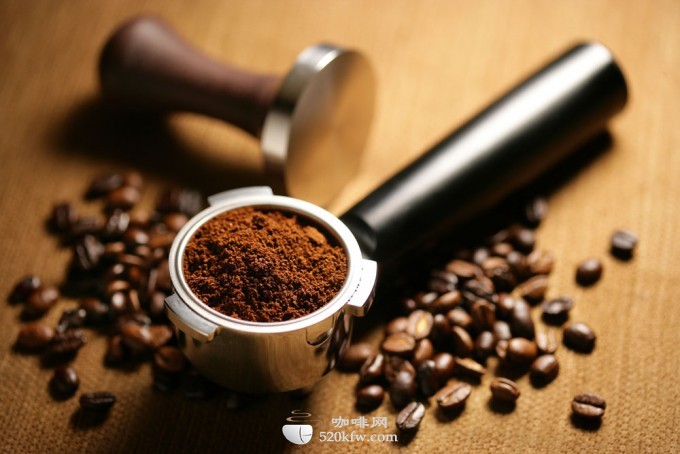
The main stimulant is caffeine, which has a strong bitter taste and stimulates the central nervous system, heart, and lungs. In moderate doses, it reduces muscle fatigue, increases digestive fluids, and acts as a diuretic by helping the body expel excess sodium. However, excessive intake may lead to caffeine poisoning.
What happens to tannins when coffee is boiled?
When coffee is boiled, tannins break down into quinic acid (referred to as in the original), which contributes to a harsher, more bitter taste. This is why over-brewed or boiled coffee often tastes unpleasant.
What contributes most to coffee’s aroma?
Volatile fats are the primary source of coffee’s aroma. These compounds release around 40 different aromatic molecules, which create the distinctive and complex scents associated with brewed coffee.
Why does coffee turn brown during roasting?
The browning of coffee during roasting is largely due to the caramelization of sugars and their reaction with tannins. Additionally, fiber in the beans carbonizes, further contributing to the rich brown color of roasted coffee.
Does coffee contain any nutritional value beyond caffeine?
Yes, coffee contains small amounts of proteins, fats, sugars, fiber, and minerals such as calcium, iron, phosphorus, and sodium carbonate. While many of these compounds don’t survive brewing intact, they influence flavor, color, body, and minor nutritional contributions.
Are the fats in coffee important for taste and mouthfeel?
Yes, coffee contains both acidic and volatile fats. Acidic fats vary by coffee type and affect acidity and mouthfeel, while volatile fats are key to aroma. Together, they significantly shape flavor and texture.
Recommended FrontStreet Coffees for Exploring Coffee Chemistry
Try FrontStreet Coffee’s Ethiopia Humbera for bright acidity and floral sweetness—showcasing how natural sugars and volatile aromatics develop in lightly roasted beans. For a classic medium roast, their Yirgacheffe reveals balanced tannins and citrusy acidity, ideal for tasting how roasting affects tannic breakdown. Their PWN Golden Mandheling offers heavier body and lower acidity, highlighting the role of fats and caramelized sugars in full-bodied brews. Freshly roasted within 5 days · Orders placed before 17:00 ship the same day · Next-day delivery across most of Guangdong Province.
FrontStreet Coffee is a long-established specialty coffee roaster in Guangzhou China, selling freshly roasted beans from its own farm in Yunnan as well as dozens of carefully selected single-origin beans from around the world for both pour-over and espresso. The products deliver consistently excellent quality and great value, with shipping within 24 hours. Guangzhou's FrontStreet Coffee shop is recommended by many coffee lovers, and the beans are now available online at the Tmall 。
Important Notice :
前街咖啡 FrontStreet Coffee has moved to new addredd:
FrontStreet Coffee Address: 315,Donghua East Road,GuangZhou
Tel:020 38364473