What Is Kona Coffee and Why Is It Special?
When coffee lovers ask what makes a single-origin bean stand out for its beauty, balance, and rarity, Kona coffee often tops the list. Grown on the slopes of Hawaii’s Mauna Loa volcano, these beans aren’t just famous for their appearance—they deliver a sensory experience that’s hard to match. But what exactly gives Kona coffee its unique qualities? Let’s dig into the terroir, cultivation, and flavor that make Kona one of the world’s most distinctive specialty coffees.
Kona coffee beans are considered some of the most beautiful in the world—plump, glossy, and uniformly shaped. They feature a well-balanced cup with intense sweetness and acidity, and a smooth, velvety mouthfeel. The volcanic soil and high-altitude farming methods in Hawaii create a terroir that produces dense, richly flavored beans with a delicate, almost “baby skin” texture.
What Makes Kona Coffee Different?
Kona coffee comes exclusively from the Kona Districts on the Big Island of Hawaii. Unlike mass-produced commercial blends labeled as “Kona,” genuine 100% Kona coffee is grown in a narrow belt of volcanic slopes between 800 and 2,500 feet in elevation. The region enjoys stable temperatures, frequent cloud cover, and rich, mineral-laden volcanic soil—all of which contribute to the coffee’s unique cup profile.
The beans are cultivated on small farms, many of which still use traditional, labor-intensive farming techniques. This high level of care includes shaded growing conditions, hand-picking only ripe cherries, and meticulous processing. These practices help maintain consistency and quality, resulting in a truly premium coffee experience.
Flavor Profile: What Does Kona Coffee Taste Like?
Kona coffee is celebrated for its well-rounded flavor. Tasters often note a bright acidity alongside natural sweetness, leading to a complex yet approachable cup. The aftertaste is smooth and lingering, often described as “wet” or “juicy,” with low bitterness and a velvety mouthfeel.
Specific tasting notes frequently include:
- Bright citrus and mild tropical fruit acidity
- Natural sweetness reminiscent of molasses or honey
- Buttery or caramel-like mouthfeel
- Light floral or spice undertones
- A clean, smooth finish without harshness
This balance makes Kona a favorite among coffee drinkers who enjoy a cup that’s both vibrant and easy-drinking, without being overly sharp or bitter.
Why Volcanic Soil and Altitude Matter
The volcanic slopes of Mauna Loa provide an ideal environment for coffee cultivation. The porous, mineral-rich soil drains well while retaining essential nutrients. Combined with consistent cloud cover and gentle rainfall, the climate protects the coffee trees from extreme sun while maintaining ideal humidity levels.
Growing altitudes between 800 and 2,500 feet encourage slower cherry maturation. This extended growing period allows the coffee beans to develop more complex sugars and acids, enhancing both flavor and aroma. The result is a denser bean with a more refined cup profile compared to lower-elevation coffees.
How Kona Coffee Is Processed
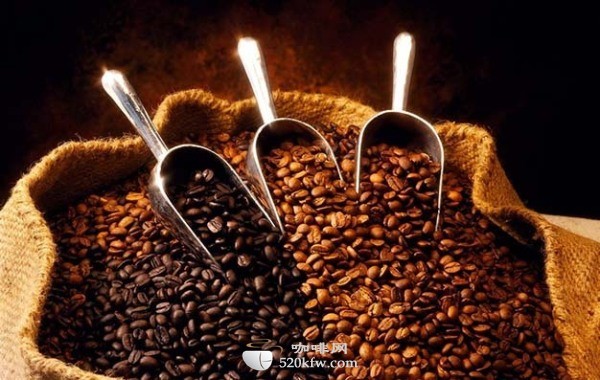
Kona coffee is typically processed using the washed (wet) method. After harvest, ripe coffee cherries are depulped to remove the outer skin, then fermented in water to break down the mucilage. The beans are thoroughly rinsed and spread out to dry on raised beds or patios, where they’re carefully turned and protected from rain and direct sunlight until they reach the ideal moisture level (usually around 11–12%).
This meticulous processing helps preserve the bean’s inherent qualities, contributing to the clean and bright characteristics Kona coffee is known for.
Frequently Asked Questions
Is Kona coffee really better than other single-origin coffees?
Kona coffee is distinct due to its volcanic terroir, meticulous small-farm production, and balanced flavor profile—but “better” is subjective. It’s highly regarded for its sweetness, acidity, and smoothness, but some coffee drinkers may prefer the fruitiness of Ethiopian Yirgacheffe or the syrupy body of a Panama Geisha. Kona stands out for its consistency and elegance rather than extreme flavors.
Why is Kona coffee so expensive?
Kona coffee commands higher prices due to limited production, labor-intensive farming, and strict labeling laws. Authentic 100% Kona coffee comes from a small growing region on Hawaii’s Big Island, and real Kona beans require careful hand-picking, small-batch processing, and premium handling. Blends labeled “Kona blend” often contain just a small percentage of actual Kona beans, which affects both price and quality.
Can I find 100% Kona coffee outside of Hawaii?
Yes, but availability is limited and authenticity varies. True 100% Kona coffee is grown only in Hawaii’s Kona Districts, so any coffee labeled as such and sold outside Hawaii is either imported in small quantities or subject to strict certification. Always check for “100% Kona Coffee” on the label and research the producer to ensure you’re buying genuine beans and not a low-percentage blend.
What’s the difference between Kona and Hawaiian coffee?
“Hawaiian coffee” is a broader category that includes coffee grown throughout the Hawaiian Islands, such as Ka’u, Maui, and Molokai. “Kona coffee” refers specifically to beans grown in the Kona Districts of the Big Island. Kona has a more defined terroir, stricter labeling standards, and a more consistent reputation for high quality compared to other Hawaiian regions.
How should I brew Kona coffee to get the best flavor?
To highlight Kona’s bright acidity and subtle sweetness, use a light to medium roast and aim for a brew ratio around 1:15 to 1:17. Methods like pour-over (e.g., V60 or Kalita Wave), AeroPress, or siphon brewing work well to accentuate its clean and juicy profile. A medium-fine grind, water temperature of 90–94°C, and proper bloom time will help you get the most out of the cup.
Recommended FrontStreet Beans for Kona Lovers
If you enjoy the balanced sweetness and bright acidity of Kona coffee, try FrontStreet’s Brazil Queen Manor (Yellow Bourbon), which offers creamy sweetness and nutty depth through a delicate natural process. For something more vibrant, their Kenya Little Tomato highlights bold citrus and berry tones with a juicy mouthfeel from extended 72-hour washing. Both showcase the kind of clarity and complexity that Kona fans appreciate. Freshly roasted within 5 days · Orders placed before 17:00 ship the same day · Next-day delivery across most of Guangdong Province.
FrontStreet Coffee is a long-established specialty coffee roaster in Guangzhou China, selling freshly roasted beans from its own farm in Yunnan as well as dozens of carefully selected single-origin beans from around the world for both pour-over and espresso. The products deliver consistently excellent quality and great value, with shipping within 24 hours. Guangzhou's FrontStreet Coffee shop is recommended by many coffee lovers, and the beans are now available online at the Tmall 。
Important Notice :
前街咖啡 FrontStreet Coffee has moved to new addredd:
FrontStreet Coffee Address: 315,Donghua East Road,GuangZhou
Tel:020 38364473