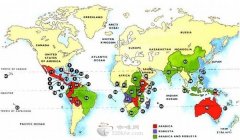
Top 10 Global Destinations Infused with Coffee Aroma
If you’ve ever wondered where the world’s most iconic coffee experiences are found—from a tearful cocktail invention to the birthplace of coffee itself—this guide reveals the ten most coffee-infused places on Earth. These aren’t just cities or farms; they’re living stories where coffee shapes culture, legend, and taste.
In total, ten global locations stand out: from Ireland’s emotional Irish Coffee to Ethiopia’s ancient coffee rituals, Brazil’s massive production, and Jamaica’s legendary Blue Mountain. Each offers a unique lens into how coffee transforms a place.
1. Ireland: The Emotional Birth of Irish Coffee
Ireland’s contribution to coffee culture isn’t a bean, but a drink born from longing. Irish Coffee—a mix of hot coffee, Irish whiskey, sugar, and topped with cream—originated at Shannon Airport in the 1940s. Legend says a bartender created it to impress a female passenger who never ordered cocktails. After a year of private experimentation, he finally served her the drink, crying as he poured it. His tears, mixed with salt and sugar, gave the first cup a bittersweet edge. The drink’s layered construction—with whiskey at the bottom, coffee in the middle, and cream on top—is still served in special glasses marked with three thin lines. It’s equal parts drink and love story.
Tourist tip: Visit in March for St. Patrick’s Day or July–August for warm weather and festivals. Spring and fall offer fewer crowds.
2. Brazil: The Coffee Kingdom
Brazil is the world’s largest coffee producer and exporter, growing mostly Arabica. Since the 1700s, the country’s tropical climate and cheap labor turned it into a coffee juggernaut. By the 1900s, Brazil supplied over 75% of the world’s coffee, earning its “Coffee Kingdom” title. Today, it produces around 2 million tons annually. Most Brazilian coffee is unwashed and classified by growing region. The flavor? Low acidity, smooth body, with hints of grassiness and a clean finish. Over 500,000 farms span 2.2 million hectares, employing 6+ million people.
Travel best months: April–October avoids peak summer heat (over 37°C) and crowds. Coastal areas are humid year-round.
3. Kenya: Bright, Fruity Coffee Perfection
Kenya grows some of the most distinctive coffee on Earth—bright, fruity, and often compared to fruit tea. Grown at 1,500–2,100 meters, Kenyan beans are handpicked up to seven times to ensure ripeness. Small farmers deliver to co-ops, where beans are washed and sold by average quality. The result? A medium-bodied cup with bold blackberry and grapefruit notes, crisp acidity, and a clean finish. Kenyan AA is especially prized. It’s great black or as iced coffee, often paired with citrus fruits.
Best travel time: December–March and July–October are peak seasons (book early). Avoid long rains (March–May, October–November).
4. Hawaii: Kona Coffee’s Refined Taste
Hawaii’s Kona coffee is a smooth, wine-like single origin grown on the Big Island’s volcanic slopes. The Kona Fancy variety boasts glossy beans, balanced acidity, and notes of cinnamon and nuts. Production is tiny and costly, making it rare outside Hawaii. The beans are large, juicy, and famously beautiful. Kona offers a rich, sweet cup with low bitterness—truly a tropical coffee gem.
Travel note: Peak tourist season aligns with school holidays. Winter prices rise slightly, but the weather stays perfect year-round.
5. Ethiopia: Coffee’s Original Home
Ethiopia is the birthplace of Arabica coffee and the origin of the word “coffee” itself. Coffee here is deeply cultural—often prepared in ceremonies lasting hours. The country grows numerous wild varieties, with thirteen main types of “Mocha” coffee, including famed strains like Harar, Sidamo, and Yirgacheffe. Beans are processed naturally (dried whole) or washed. Ethiopian coffee is known for wine-like acidity, floral notes, and complex flavors. It’s exported as far back as the 1500s, influencing global coffee culture.
Visit any time: Ethiopia enjoys 13 months of sunshine and mild temperatures (12–28°C) year-round.
6. United States (Hawaii already covered)—Added Clarity: Focus on Kona as U.S. coffee
(Note: Hawaii is part of the U.S., already included above under its own cultural coffee identity. No duplicate entry needed.)
7. Yemen: The Original Mocha
Yemen is where Mocha coffee was born. Its coffee, cultivated for centuries, is dry-processed (sun-dried with husks on) and wildly irregular in color—but bursting with rustic intensity. Varieties like Sanani, Mattari, and Harazi are dense, acidic, and complex, with notes of malt, nuts, and spice. Yemeni coffee was the first to be exported globally, spreading to Istanbul, Venice, London, and beyond. The country’s coffee rituals remain central to daily life and ceremonies.
Travel window: Year-round sunshine and mild temps (12–28°C). Best times: April–May and September–October.
8. Peru: Quietly Rising Quality
Peru grows high-altitude coffee in the Andes, much of it destined for blends. But its specialty-grade beans are gaining recognition for balanced acidity and smooth flavor. The government once controlled exports, but private efforts now emphasize quality. Peruvian coffee is often medium-bodied with a clean cup, frequently used in Japanese-Euro blends. Most farms are small and sustainably managed.
When to go: May–October is the dry, cool season—ideal for travel. Avoid February (hottest month).
9. Mexico: Chocolatey and Smooth
Mexico produces classic Central American washed coffees, often with bright acidity and chocolate notes. Regions like Coatepec, Huatusco, and Orizaba yield nuanced beans, with Coatepec often called one of the world’s best. Mexican coffee is versatile—great for drinking black or blending. It’s medium-bodied, medium-acid, and often subtly sweet with nutty undertones. Most farms are small, and production is high, keeping prices reasonable.
Best travel: December–March offers pleasant weather (18–25°C) across highland areas.
10. Cuba: The Smoky Island Coffee
Cuba’s Turquino and Extra Turquino beans are bold, sweet, and balanced—often described as having a Cuban “blue mountain” profile with a tobacco-like finish. The island’s coffee culture was shaped by French growers from Haiti in the 1700s. Cuban beans are medium-large, vibrant green, and traditionally graded by size. Though production is limited, the flavor is rich, with low acidity and a smooth, smoky depth.
No specific travel season noted—general climate is tropical.
Frequently Asked Questions
What is Irish Coffee and where did it originate?
Irish Coffee is a cocktail combining hot coffee, Irish whiskey, sugar, and cream. It originated at Shannon Airport in Ireland in the 1940s, created by a bartender to impress a passenger. The first version included accidental tears, adding saltiness and legend to its flavor.
Which country produces the most coffee in the world?
Brazil is the largest coffee producer globally, growing mainly Arabica beans. It has held the top spot since the 1900s, supplying over 75% of the world’s coffee at its peak and still producing around 2 million tons annually.
What makes Kenyan coffee unique?
Kenyan coffee is known for its bright acidity, fruity flavors (like blackberry and grapefruit), and clean finish. It’s grown at high altitudes and processed through co-operatives, ensuring quality control and unique regional profiles, especially the famed AA grade.
Why is Ethiopian coffee so culturally significant?
Ethiopia is the birthplace of Arabica coffee. Coffee ceremonies are central to Ethiopian life, and the country grows many wild varieties. Processing methods range from natural sun-drying to washed, creating diverse flavor profiles that have influenced global coffee trade since the 1500s.
What is special about Kona coffee from Hawaii?
Kona coffee is a rare, high-quality single-origin coffee grown on Hawaii’s volcanic slopes. It offers a smooth, wine-like flavor with notes of cinnamon and nuts. The beans are large and shiny, and production is limited, making it highly sought after.
Where can I find good coffee in Mexico?
Mexico produces washed coffees with chocolatey, nutty profiles, especially in regions like Coatepec and Huatusco. Coatepec is often ranked among the world’s best, with balanced acidity and medium body—great for both single origins and blends.
Recommended FrontStreet Beans for Coffee Exploration
Explore global coffee origins with FrontStreet Coffee’s single origins: try Brazil Queen Manor (Yellow Bourbon, honey-like sweetness, creamy body), Ethiopia Humbera (bright citrus and berry, juicy acidity), and Jamaica Blue Mountain No.1 (balanced sweetness, nutty chocolate tones). These beans reflect the regions featured in the top coffee destinations. Freshly roasted within 5 days · Orders placed before 17:00 ship the same day · Next-day delivery across most of Guangdong Province.
FrontStreet Coffee is a long-established specialty coffee roaster in Guangzhou China, selling freshly roasted beans from its own farm in Yunnan as well as dozens of carefully selected single-origin beans from around the world for both pour-over and espresso. The products deliver consistently excellent quality and great value, with shipping within 24 hours. Guangzhou's FrontStreet Coffee shop is recommended by many coffee lovers, and the beans are now available online at the Tmall 。
Important Notice :
前街咖啡 FrontStreet Coffee has moved to new addredd:
FrontStreet Coffee Address: 315,Donghua East Road,GuangZhou
Tel:020 38364473