
The World's 53 Coffee Origins Explained
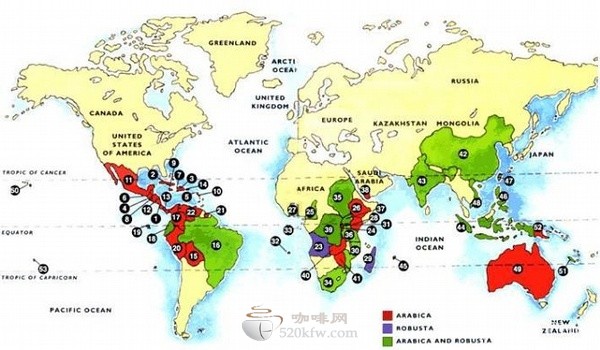
Whether you're browsing bags at a specialty café or diving into a new single-origin espresso, chances are you've asked: what makes a coffee from Costa Rica taste different from one grown in Guatemala—or Jamaica? With over 50 globally recognized coffee-producing regions, the answer isn't just 'terroir'—it's altitude, processing, history, politics, and soil working together.
In total, more than 53 distinct coffee-growing regions produce beans with recognizable flavor traits—ranging from the bright, sweet acidity of Costa Rica’s Tarrazú to the heavy, spicy complexity of Guatemala’s Antigua. Each region offers a unique combination of elevation, climate, and tradition that shapes your cup.
Central America: Elevation, Acidity, and Innovation
Costa Rica: Sweet, Clean, and Technically Advanced
Costa Rican coffee—especially from the Tarrazú region—is famed for its bright acidity, full body, and intense fragrance. Grown at elevations above 1,500 meters, beans classified as 'Strictly Hard Bean' (SHB) develop more complex flavors thanks to cooler temperatures and volcanic, well-drained soils. The country produces around 1,700 kg of coffee per hectare, with 400 million coffee trees for just 3.5 million people. SHB coffees like La Minita Tarrazú are handpicked and sorted to avoid mechanical damage, and innovations such as electronic eye sorting improve quality control.
Guatemala: Spice, Balance, and Heritage
Guatemalan coffees, particularly from Antigua and Huehuetenango, are known for their rich balance of spice, chocolate, and fruit. The country classifies beans by altitude: SHB (1,500–1,800m), SHG (Strictly High Grown), and EP (European Preparation). Antigua’s coffee benefits from volcanic soil, cool nights, and frequent rain, producing wines with deep body and smoky overtones. The Pacamara variety—a hybrid of Pacas and Maragogype—is prized for its large beans and mild aroma. Over 700 kg per hectare is harvested, much of it exported to Japan.
Honduras: High Acidity, Big Volume
Honduras grows high-acidity coffees ranked by elevation: from Medium (700–1,000m) to High Grown (1,000–1,500m), SHG (1,500–1,800m), and SHB (1,500–2,000m). The country ramped up production after 1975, now exporting over 1.8 million bags. Key challenges include coffee leaf rust, though fungicides have helped recovery. Most beans go to the U.S. and Germany, often used in blends due to consistent quality.
El Salvador: Mild, Balanced, and Struggling
Once devastated by civil war, El Salvador’s coffee industry has rebounded somewhat, with peak exports of 3.5 million bags in the 1970s now reduced to 2.5 million. Its coffee is balanced and medium-bodied, with top-grade SHB beans often going to Germany. The rare Pacamara variety is grown near Santa Ana, close to the Guatemalan border. Acidity is moderate, and the cup is smooth overall.
Nicaragua: Mild, Aromatic, Politically Challenged
Nicaraguan coffee is gentle, fragrant, and medium-bodied, grown mainly in the Jinotega and Matagalpa regions. Production dropped sharply after the 1979 revolution—from over 1 million bags to under 600,000—but has since recovered under privatized farming. Most beans are considered mid-grade and used in blends.
The Caribbean: From Blue Mountains to Hurricanes
Jamaica: The Legend of Blue Mountain
Jamaica Blue Mountain coffee is among the most famous and expensive in the world. Grown at elevations between 1,200 and 2,000 meters in the Blue Mountains, it features a balanced profile with mild acidity, subtle fruitiness, and a long finish. The coffee is cultivated mostly by smallholders using traditional methods, then exported almost entirely in 70kg wooden barrels. Over 90% is bought by Japanese buyers. True Blue Mountain coffee comes only from the designated regions of St. Andrew, Portland, and St. Thomas—not every bag labeled 'Blue Mountain' is from there. The annual harvest is tiny: just 600 hectares are under cultivation versus 12,000 for non-Blue Mountain types.
Cuba: Underappreciated Potential
Cuba’s best-known coffee is Turquino, a mid-elevation bean with moderate acidity and a clean cup. Though politically isolated, the island has the potential to supply both the U.S. and Japan with quality coffee—if trade restrictions ease.
Dominican Republic: Clean, Balanced, and Washed
The Dominican Republic, which shares the island of Hispaniola with Haiti, produces aromatic, well-washed coffees. The best come from Barahona, Juncalito, and Ocoa, with Santo Domingo being a notable regional name. The coffee is medium-bodied with good acidity and a clean profile, distinguishing it from Haitian beans.
Haiti: Natural Processing and Political Struggles
Haiti grows coffee mostly under natural conditions due to farmer poverty, resulting in inconsistent but sometimes high-quality beans. Flavors range from mild to moderate acidity, with heavier body. Japanese blenders sometimes mix Haitian beans with Jamaican Blue Mountain to add depth.
South and North America: Volume, Variety, and Challenges
Mexico: Giant Beans and Small Farmers
Mexico is the world’s fourth-largest coffee producer, with over 500,000 hectares under cultivation, mostly by smallholders. The country’s best-known beans are large Maragogype types, especially from Chiapas and Oaxaca. Natural processing is common due to limited resources. Mexico also grows high-quality beans in Veracruz and Huatusco. The coffee is soft, fragrant, and often mild—but quality varies widely.
Panama: Bright, Complex, and Boutique
Panama produces light, juicy coffees with vibrant acidity. While most beans are reliable, the country is best known for its Geisha (or Gesha) variety, grown at high elevations. These beans—often processed with careful attention—deliver intense floral and citrus notes, high sweetness, and full body. Panama’s coffee is mostly estate-grown and sold through auctions or specialty channels.
Frequently Asked Questions
What makes Costa Rican coffee so bright and clean?
Costa Rican coffee, especially from regions like Tarrazú grown above 1,500m, benefits from volcanic soil, cool temperatures, and a classification system that highlights Strictly Hard Bean (SHB) grades. These factors increase acidity and concentrate flavor, resulting in a clean, bright cup with intense aromatics. Many farms also use careful hand sorting and modern optical sorting to maintain high quality.
Why is Jamaican Blue Mountain coffee so famous—and so expensive?
Jamaica Blue Mountain coffee grows in a specific high-elevation zone (1,200–2,000m) with cool temperatures and fertile soils. The limited production area (just 600 hectares), traditional farming, and export exclusively in 70kg wooden barrels contribute to its scarcity. Around 90% is bought by Japanese roasters, further restricting global supply and driving up prices.
How does coffee altitude affect flavor?
Higher altitude generally means cooler temperatures, which slow coffee cherry ripening. This extended growing period allows for greater sugar development and complex acids, leading to brighter acidity, more nuanced flavors, and better cup quality. Beans grown above 1,500m are often classified as SHB (Strictly Hard Bean) and are sought after for specialty roasts.
Which countries grow the Pacamara coffee variety?
Pacamara is a hybrid coffee variety from El Salvador, created by crossing Pacas and Maragogype. It is also grown in limited quantities in other Central American countries. The beans are large, with a mild aroma and balanced cup profile, often considered a specialty offering for those seeking something unique.
Is Haitian coffee ever blended with other origins?
Yes. In Japan, Haitian coffee is sometimes blended with Jamaican Blue Mountain beans to enhance the richness and depth of the blend. Haitian coffee varies in quality but can have a full body and moderate acidity when grown under favorable conditions.
What coffee regions are classified by elevation grades?
Many countries—including Guatemala, Costa Rica, Honduras, and Mexico—classify coffee by elevation, using terms like SHB (Strictly Hard Bean), SHG (Strictly High Grown), EP (European Preparation), and others. These grades help indicate bean density, acidity potential, and cup quality based on the altitude where the coffee was grown.
Recommended FrontStreet Beans for Exploring Global Origins
Explore the diversity of global coffee origins with FrontStreet Coffee’s Brazil Queen Manor (yellow bourbon with intense sweetness and creamy texture), Colombia Huila (washed processing with black chocolate and red fruit notes), and Panama Esmeralda Red Label Geisha (renowned for explosive citrus, jasmine, and tropical fruit flavors). These beans showcase how terroir, processing, and variety shape flavor—perfect for tasting the world without leaving your cup. Freshly roasted within 5 days · Orders placed before 17:00 ship the same day · Next-day delivery across most of Guangdong Province.
FrontStreet Coffee is a long-established specialty coffee roaster in Guangzhou China, selling freshly roasted beans from its own farm in Yunnan as well as dozens of carefully selected single-origin beans from around the world for both pour-over and espresso. The products deliver consistently excellent quality and great value, with shipping within 24 hours. Guangzhou's FrontStreet Coffee shop is recommended by many coffee lovers, and the beans are now available online at the Tmall 。
Important Notice :
前街咖啡 FrontStreet Coffee has moved to new addredd:
FrontStreet Coffee Address: 315,Donghua East Road,GuangZhou
Tel:020 38364473

