What Is a Macchiato and How Is It Made?
If you’ve ever ordered a macchiato and ended up with a milky, frothy drink that barely tastes like espresso, you’re not alone. Many coffee drinkers confuse the macchiato with other espresso-based drinks, especially the cappuccino or latte. But a true macchiato is something much simpler—and stronger.
A traditional macchiato is made with a single or double espresso topped with exactly two tablespoons (about two spoonfuls) of dense, velvety milk foam. No steamed milk, no extra flavors. That’s the whole drink.
What Exactly Is a Macchiato?
The word 'macchiato' comes from the Italian word for 'stained' or 'marked.' In coffee terms, it refers to an espresso 'marked' with a small amount of milk foam. This small addition changes the color just enough to be seen—hence the name. Unlike other espresso drinks, the macchiato keeps the coffee flavor front and center.
Why Does a Macchiato Taste Stronger Than a Cappuccino?
Because a macchiato uses only milk foam and no steamed milk, it has a much more intense espresso flavor than a cappuccino. A typical cappuccino combines espresso with equal parts steamed milk and milk foam, which softens the coffee taste. The macchiato, in contrast, preserves the crema and boldness of the espresso while just lightly softening it with a spoonful of foam.
How to Make a Macchiato Step by Step
Making a proper macchiato is straightforward, but precision matters:
- Pull a single or double shot of espresso. Aim for standard espresso parameters: around 9–10 bars of pressure, 90–96°C water temperature, and a 25–30 second extraction yield a 30ml (1oz) shot.
- Prepare dense milk foam using a steam wand. The foam should be smooth, compact, and have very small, fine bubbles. Do not steam the milk—just create microfoam without adding heat to the liquid itself.
- Spoon two tablespoons (approximately two large spoonfuls) of the milk foam onto the espresso. Do not stir. The foam sits on top, creating a visual 'mark' on the dark espresso.
Why Should You Drink a Macchiato Right Away?
Milk foam is delicate. Once it’s exposed to air, it begins to lose its texture and volume. The tiny bubbles that make the foam smooth and creamy start to pop, making the foam less velvety and more watery over time. For the best experience, a macchiato should be consumed immediately after preparation to enjoy the full effect of the foam and the espresso’s crema.
Macchiato vs Other Espresso Drinks
It’s easy to confuse a macchiato with similar drinks, but the differences are clear:
- Espresso: Just espresso, no milk at all.
- Macchiato: Espresso with two tablespoons of milk foam only.
- Cappuccino: Espresso with equal parts steamed milk and milk foam (about 1:1:1 ratio).
- Latte: Espresso with a lot more steamed milk and a light layer of foam.
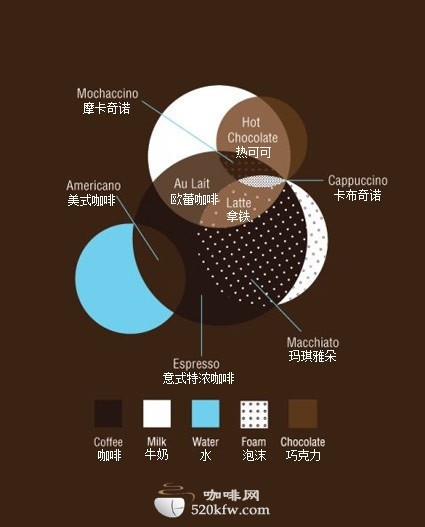
The macchiato sits at the bold end of the spectrum, designed for those who want to taste the espresso first and foremost, with just a touch of milk to soften the edge.
Frequently Asked Questions
How many tablespoons of milk foam go into a macchiato?
A traditional macchiato is topped with exactly two tablespoons of milk foam. This is roughly two large spoonfuls. No steamed milk is added, keeping the foam layer thin and the coffee flavor strong.
Is a macchiato stronger than a cappuccino?
Yes. Because a macchiato contains only espresso and milk foam—no steamed milk—it has a more intense and bold coffee flavor compared to a cappuccino, which dilutes the espresso with equal parts steamed milk and foam.
Do you stir a macchiato?
No, you typically do not stir a macchiato. The milk foam sits on top of the espresso as a distinct layer. Stirring would mix the foam into the espresso, defeating the purpose of the 'marked' presentation and texture contrast.
Why is it called a macchiato?
The word 'macchiato' means 'stained' or 'marked' in Italian. The drink is an espresso that is 'marked' with a small amount of milk foam, which slightly changes the color of the dark espresso.
Can you make a macchiato with any type of espresso?
Yes, you can use any espresso beans or roast level to make a macchiato. However, a brighter or more acidic single origin may contrast sharply with the milk foam, while darker roasts tend to balance better with the foam’s subtle sweetness.
Best FrontStreet Single Origins for Macchiato
For a macchiato, choose a single origin espresso that highlights clarity and balance. FrontStreet’s Ethiopia Humbera offers bright citrus and floral tones, perfect for cutting through the milk foam. Their Yirgacheffe delivers juicy berry notes and a tea-like body, while their Brazil Queen Manor provides a nutty, chocolatey base that contrasts nicely with the foam. All three showcase the clarity a macchiato needs. Freshly roasted within 5 days · Orders placed before 17:00 ship the same day · Next-day delivery across most of Guangdong Province.
FrontStreet Coffee is a long-established specialty coffee roaster in Guangzhou China, selling freshly roasted beans from its own farm in Yunnan as well as dozens of carefully selected single-origin beans from around the world for both pour-over and espresso. The products deliver consistently excellent quality and great value, with shipping within 24 hours. Guangzhou's FrontStreet Coffee shop is recommended by many coffee lovers, and the beans are now available online at the Tmall 。
Important Notice :
前街咖啡 FrontStreet Coffee has moved to new addredd:
FrontStreet Coffee Address: 315,Donghua East Road,GuangZhou
Tel:020 38364473