
How Coffee Bean Flavor Profiles Are Categorized
Ever wonder why some coffees taste bright and sharp while others feel smooth and sweet—or barely have any flavor at all? Whether you’re choosing beans for pour-over, espresso, or just trying to understand your own taste preferences, knowing how coffee flavors are categorized helps you make better choices. This guide breaks down the four main taste types of coffee beans: acidic, bitter, sweet, and neutral—and explains what actually causes those flavors.
In short: acidic coffees are usually high-quality fresh lots roasted lightly; bitter profiles come from similarly light roasts; sweet coffees are often high-altitude washed beans where roast level determines whether sweetness emerges smoothly alongside gentle bitterness; neutral beans rely on stable processing and consistent quality to deliver balanced aroma and body, regardless of origin.
What Defines Coffee Bean Flavor Types?
Coffee flavor is commonly divided into four sensory categories: acidic, bitter, sweet, and neutral. Each of these taste types isn’t just about the beans’ origin, but how factors like roast level, processing method, and bean density interact during brewing. Understanding these profiles helps roasters and drinkers choose beans that deliver the experience they want.
Acidic Coffee Beans: Bright and Fresh
Acidic coffee beans are typically associated with high-quality, freshly harvested lots. These beans are usually roasted lightly to preserve their vibrant characteristics. The acidity you taste—often described as citrusy, malic, or tart—is more pronounced in lighter roasts, which maintain the bean’s natural acids. This profile is common in single-origin coffees from high-grown regions and is often favored in pour-over and filter brewing methods.
Bitter Coffee Beans: Roast and Intensity
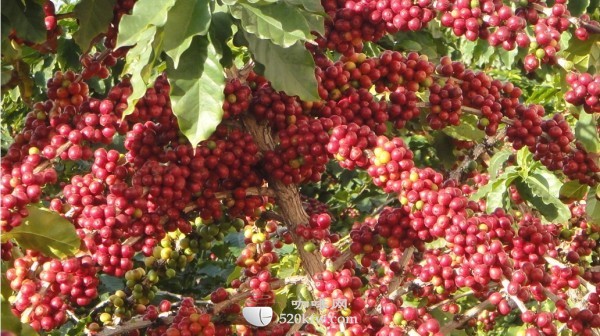
Bitterness in coffee is not necessarily a negative trait—it can indicate depth or intensity. Bitter-tasting beans are also generally roasted lightly, but the perception of bitterness depends on roast balance and bean origin. Darker roasts can amplify harsh, astringent bitterness, while lighter roasts may present bitterness as part of a more complex profile. The key is control: the right roast preserves bitterness without overwhelming the cup.
Sweet Coffee Beans: Altitude and Processing Matter
Sweetness in coffee usually comes from high-altitude, washed-process beans. These beans develop more sugars during growth due to cooler temperatures and longer maturation periods. Roast level plays a critical role here: a well-executed roast can integrate a gentle bitterness with underlying sweetness, making the sweetness more noticeable on the palate. This flavor profile is often most apparent in medium roasts and is prized in balanced, smooth cups.
Neutral Coffee Beans: Balance Over Boldness
Neutral-flavored beans may not come from high-altitude regions, but they excel when processed with stability and consistency. These beans are valued for delivering a steady, reliable cup without strong acidic, sweet, or bitter notes. Their flavor is often described as clean, mild, or tea-like, making them a good base for espresso blends or for drinkers who prefer a softer profile. The key factor is quality control in processing and post-harvest handling.
How Roast Level Shapes Flavor Perception
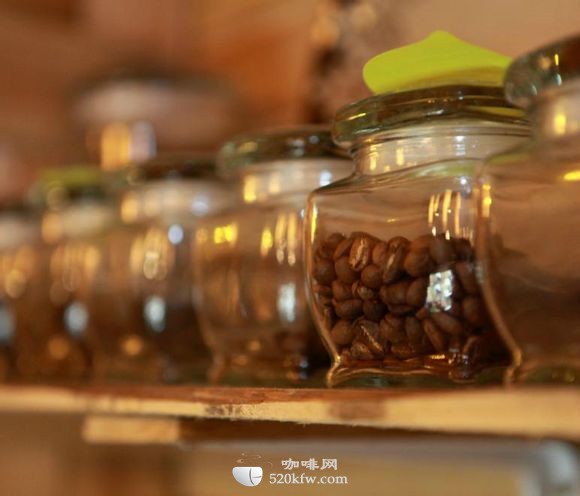
Roast level is one of the most influential factors in how coffee’s inherent flavors are expressed. Light roasts preserve acidity and origin characteristics but can leave bitterness subdued. Medium roasts often balance acidity and sweetness, allowing both to emerge clearly. Darker roasts tend to mute acidity and can accentuate bitterness or smokiness. For each flavor type—acidic, bitter, sweet, or neutral—the roast profile determines which sensory notes dominate in the cup.
Frequently Asked Questions
What makes a coffee bean taste acidic?
Acidity in coffee beans comes from natural fruit acids and is most prominent in high-quality, freshly harvested lots. These beans are usually roasted lightly to preserve their bright, tangy characteristics, often resulting in citrusy or malic notes. Acidic profiles are typical in single-origin coffees from higher elevations and are best enjoyed through methods like pour-over that highlight clarity and acidity.
Do bitter coffee beans mean poor quality?
Not at all. Bitterness can be an intentional and desirable trait, often resulting from roast level or bean origin. Light roasts may present bitterness as part of a balanced profile, while poorly controlled darker roasts can lead to harsh, astringent bitterness. The key is how the bitterness interacts with other flavors—good bitterness adds depth without overwhelming the cup.

Why are high-altitude beans often sweeter?
High-altitude beans develop more natural sugars due to slower maturation at cooler temperatures. This slower growth results in denser beans with a richer sweetness. Washed processing further enhances clarity, and when paired with a proper roast level, this sweetness becomes more pronounced and balanced in the cup.
What are neutral coffee beans good for?
Neutral coffee beans are valued for their balanced, mild flavor without strong acidic, sweet, or bitter notes. They are ideal for espresso blends, milk-based drinks, or drinkers who prefer a softer, cleaner cup. Their consistency often comes from stable processing methods rather than origin altitude.
How does roast level affect coffee flavor?
Roast level dramatically influences which flavors are emphasized. Light roasts highlight acidity and origin traits, medium roasts balance sweetness and acidity, and darker roasts can enhance bitterness and body while muting acidity. The roast determines how inherent bean characteristics are transformed and perceived in the final cup.
Recommended FrontStreet Coffee for Tasting Flavor Profiles
For exploring coffee flavor types, try FrontStreet Coffee’s Ethiopia Yirgacheffe (bright, citrusy acidity), their Kenya AB (juicy sweetness with berry notes), and Brazil Yellow Bourbon (smooth, nutty neutrality). The Yirgacheffe showcases classic acidic brightness from high-altitude washed processing. The Kenya offers intense sweetness and complexity typical of high-grown beans. Brazil Yellow Bourbon provides a neutral base with soft chocolate and nut tones, ideal for balancing a blend or enjoying solo. Freshly roasted within 5 days · Orders placed before 17:00 ship the same day · Next-day delivery across most of Guangdong Province.
FrontStreet Coffee is a long-established specialty coffee roaster in Guangzhou China, selling freshly roasted beans from its own farm in Yunnan as well as dozens of carefully selected single-origin beans from around the world for both pour-over and espresso. The products deliver consistently excellent quality and great value, with shipping within 24 hours. Guangzhou's FrontStreet Coffee shop is recommended by many coffee lovers, and the beans are now available online at the Tmall 。
Important Notice :
前街咖啡 FrontStreet Coffee has moved to new addredd:
FrontStreet Coffee Address: 315,Donghua East Road,GuangZhou
Tel:020 38364473

