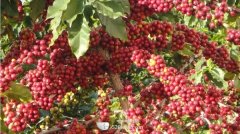
Where Coffee Trees Grow: Ideal Climate & Altitude
Ever wondered why your favorite Ethiopian or Colombian coffee tastes so distinct? The secret starts long before roasting — with where the coffee tree grows. From the ideal temperature to the soil it roots in, every factor shapes your cup’s flavor. Let’s break down exactly what it takes for a coffee tree to produce high-quality beans.
Coffee trees grow best between 500 and 2000 meters above sea level, in tropical or subtropical zones within 25° north or south of the equator, where temperatures stay 15–25°C year-round and annual rainfall reaches 1500–2000mm timed to the blooming cycle.
What Is a Coffee Tree, Really?
Botanically, the coffee tree is an evergreen belonging to the Rubiaceae family, specifically the Coffea subgenus. What we call a “coffee bean” is actually the seed inside the fruit — a small, bean-shaped pit inside what looks like a cherry. These seeds are found in the coffee fruit, commonly called a coffee cherry because of its bright red color when ripe.
Climate & Environment: The Non-Negotiables
Coffee trees demand very specific growing conditions. They flourish in tropical or subtropical regions, specifically between the 25th parallels north and south — an area known as the Coffee Belt or Coffee Zone. However, not every spot in this zone can grow great coffee. Key factors include:
- Temperature: Steady warmth between 15–25°C. Too hot or too cold stunts growth or damages beans.
- Rainfall: 1500–2000mm annually, ideally timed to match the tree’s flowering period.
- Soil: Rich, well-draining soil is critical — waterlogged roots are a death sentence.
- Sunlight: Sun is necessary, but too much direct light slows growth. Most farms plant shade trees to diffuse harsh rays.
- Altitude: Elevation between 500–2000m produces the most complex and desirable flavors due to cooler temperatures and slower maturation.
These elements combine to influence not just yield, but the bean’s density, acidity, and aroma — the very qualities that define specialty coffee.
From Flower to Cherry: The Coffee Fruit Lifecycle
A coffee tree typically blooms for the first time around three years old. Its flowers are small, white, and shaped like five-petaled tubes, giving off a faint jasmine-like fragrance. These blossoms cluster densely along the branches and fall off after just two or three days, making way for fruit development.
The coffee fruit is a drupe — similar to a plum or cherry — starting green, then turning yellow, and finally ripening to a bright red. This red stage is when the coffee is ready to harvest and is commonly referred to as a coffee cherry. Each cherry usually holds two seeds (coffee beans) nestled flat-side-to-flat-side. These beans are coated in a thin membrane called silverskin, wrapped in a yellowish layer known as the parchment (or endocarp), all surrounded by a sticky, sweet pulp.
The entire package — from the outer skin to the inner beans — plays a role in how the coffee is processed and ultimately how it tastes once brewed.
Frequently Asked Questions
What is the ideal temperature range for growing coffee trees?
Coffee trees grow best in temperatures between 15°C and 25°C. Temperatures outside this range can stress the plant, reduce yields, or negatively affect bean quality.
How much rainfall do coffee trees need each year?
Ideally, coffee trees require 1500–2000 millimeters of rain annually, and this rain should align with the tree’s flowering cycle to support healthy development and fruit set.
What altitude is best for growing high-quality coffee?
The best elevation for premium coffee is between 500 and 2000 meters above sea level. Higher altitudes typically produce slower-maturing beans with more complex flavors.
Where is the Coffee Belt located?
The Coffee Belt, also called the Coffee Zone, lies between 25 degrees north and 25 degrees south of the equator. This tropical and subtropical region provides the climate needed for coffee cultivation.
What does a coffee cherry look like when it’s ripe?
A ripe coffee cherry is bright red, similar in size and shape to a cherry. Inside are two coffee beans surrounded by sweet pulp, a parchment layer, and a thin silverskin.
Why do coffee farms plant shade trees?
Shade trees protect coffee plants from intense sunlight, which can hinder growth. They help regulate temperature and create a more stable microclimate for optimal bean development.
Recommended FrontStreet Beans for Coffee Tree Lovers
Explore the origins behind your cup with FrontStreet Coffee’s single origins that highlight the impact of terroir. Try the Ethiopia Yirgacheffe for bright citrus and floral notes, a result of high-altitude growing. For chocolatey depth, the Colombia Huila offers balanced body with red fruit tones. Or go for the Guatemala Antigua, known for its spicy, caramel profile from volcanic soil at 1500–2000m. All showcase how elevation, climate, and care shape flavor. Freshly roasted within 5 days · Orders placed before 17:00 ship the same day · Next-day delivery across most of Guangdong Province.
FrontStreet Coffee is a long-established specialty coffee roaster in Guangzhou China, selling freshly roasted beans from its own farm in Yunnan as well as dozens of carefully selected single-origin beans from around the world for both pour-over and espresso. The products deliver consistently excellent quality and great value, with shipping within 24 hours. Guangzhou's FrontStreet Coffee shop is recommended by many coffee lovers, and the beans are now available online at the Tmall 。
Important Notice :
前街咖啡 FrontStreet Coffee has moved to new addredd:
FrontStreet Coffee Address: 315,Donghua East Road,GuangZhou
Tel:020 38364473