The 8 Levels of Coffee Roast Explained
You buy great beans, use the right water, and nail your brewing method—but your cup still doesn’t taste quite right. The difference might not be in your technique, but in how those beans were roasted. Roast level shapes everything: acidity, sweetness, bitterness, aroma, and even how well your coffee extracts. So how do the eight professional roast levels really affect what’s in your cup?
There are eight defined professional roast levels for coffee, from Light (also called Cinnamon) at the lightest, to Italian Roast at the darkest. Each level brings out different flavors, alters acidity and bitterness, and suits different brewing styles—from light, tea-like cups to bold espresso.
What Does Coffee Roast Actually Mean?
Coffee roast refers to how long and at what temperature green coffee beans are roasted. This process transforms raw, grassy beans into the complex, aromatic, and flavorful beans we brew. Roasting develops color, removes moisture, caramelizes sugars, and triggers the Maillard reaction—all of which define the final taste. The longer and darker the roast, the more the original bean character is replaced by roast-driven flavors like chocolate, smoke, or char.
The 8 Professional Coffee Roast Levels
Professional coffee roasters typically classify roast levels into eight distinct stages. These are not just shades of brown—they’re different flavor profiles with specific uses.
1. Light Roast (Also Called Cinnamon Roast)
This is the lightest commercial roast level. The beans stay a pale, almost cinnamon color. At this stage, the roast is so light that most of the origin flavors remain undeveloped. Acidity is present but muted, sweetness is low, and there’s often a grassy or bean-like taste. Light roast is rarely used for drinking and is mainly employed for green bean analysis or roasting experiments. Most drinkers find straight light-roast coffee unpleasant or “underdeveloped.”
2. Cinnamon Roast (Commonly Known as Light Roast)
Still a relatively light roast, the beans show a classic light or cinnamon hue. By this stage, most of the raw “green” or grassy notes have faded, and basic aromas emerge. Acidity is high, and the cup leans toward brightness rather than balance. Cinnamon roast is typical in traditional American-style coffee and works well for single-origin pour-overs aiming to highlight origin traits. However, flavor depth is still limited compared to deeper roasts.
3. Medium Roast (Also Called Mild or City-Start Roast)
This is a middle-ground roast common in American coffee culture. The beans turn a medium brown, and both acidity and bitterness begin to emerge. Flavor complexity increases, with a balance starting to form between bright acidity and early signs of roast sweetness. Medium roast is widely used in blended coffees and suits many filter methods. It offers a rounded cup without extreme flavors, making it a safe choice for daily drinking.
4. High Roast (Also Called Medium-Dark or City+ Roast)
At this stage, the roast deepens slightly into a medium-dark territory. The beans show light brown-to-amber hues, and bitterness becomes more noticeable. Acidity remains, but it’s now complemented by stronger roast flavors. This roast is especially popular in Japan and parts of Central Europe, and it’s often used for beans like Jamaica Blue Mountain. Flavors include a balanced mix of acidity, bitterness, and aroma—resulting in a richer, more traditional cup profile.
5. City Roast (Considered the Standard Medium-Dark Roast)
City roast is widely regarded as the most balanced and “standard” roast level. It achieves equilibrium between acidity and bitterness, making it extremely versatile. City roast is commonly used for Brazilian and Colombian beans and forms the base of many French-style coffees. It’s suitable for filter and immersion brewing, offering clarity, moderate body, and approachable sweetness. This is often the go-to roast for everyday specialty coffee.
6. Full-City Roast (Also Called Light French or Medium-Dark)
This roast is slightly darker than City Roast and marks the beginning of the dark roast spectrum. The beans are dark brown, nearly approaching French roast levels. Acidity fades further, and bitterness becomes more pronounced—yet the cup retains notable flavor complexity. Full-City is highly suited for iced coffee preparations and works well with Central and South American beans. It offers a heavier mouthfeel and more roast-driven sweetness.
7. French Roast (A Dark, European-Style Roast)
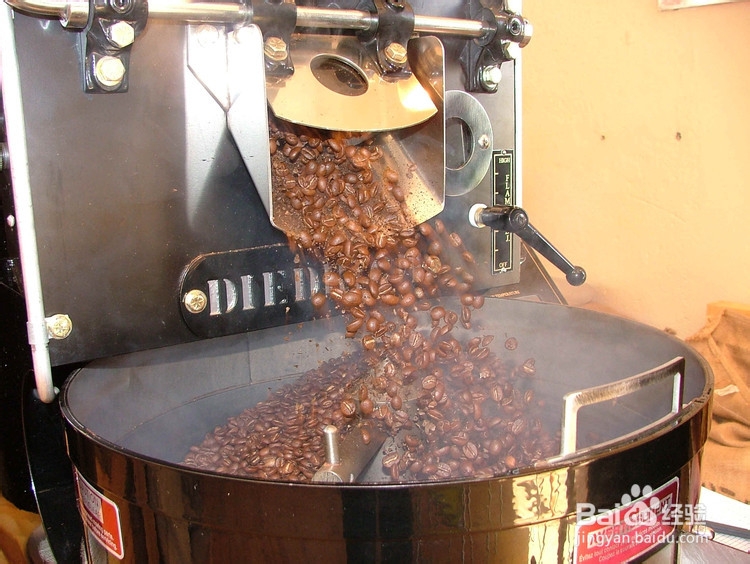
French Roast is a classic dark roast known throughout Europe, especially France. The beans appear very dark brown, nearly black in some cases, and oils may start appearing on the surface. At this stage, acidity is almost entirely gone, replaced by deep roast flavors such as dark chocolate, caramelized sugar, and smokiness. French roast is ideal for milk-based drinks like café au lait or Vienna coffee, where bold, bitter-sweet tones complement creamy textures.
8. Italian Roast (The Darkest Professional Roast Level)
The darkest of all professional roast levels, Italian Roast is used primarily for espresso—especially in Latin countries. The beans are nearly black, with a shiny, oily surface. The roast flavors dominate completely: any origin character is burned away, leaving a profile of heavy bitterness, carbonized notes, and intense roastiness. Italian Roast is standard for espresso blends, especially those used in fast-preparation drinks like espresso shots and cappuccinos. It’s not recommended for filter brewing unless extremely dark coffee is desired.
Why Roast Level Matters More Than You Think
Roast level isn’t just about color—it dictates how acidic, sweet, bitter, or aromatic your coffee will be. Light roasts preserve origin flavors but can taste sour or sharp. Dark roasts emphasize bitterness and roast character but can mute the bean’s unique traits. Choosing the right roast is essential for the brewing method you use and the flavor experience you want. Whether you prefer a bright Ethiopian pour-over or a bold Italian espresso, roast level is the foundation.
Frequently Asked Questions
What is the lightest coffee roast level?
The lightest professional roast level is Light Roast, also called Cinnamon Roast. It produces a pale bean with a mild, underdeveloped flavor, high acidity, and grassy notes. It’s rarely used for drinking and mostly for green bean evaluation.
Which roast level is best for pour-over?
Medium Roast or City Roast are generally best for pour-over. They offer a balanced profile of acidity, sweetness, and body, allowing the coffee’s origin characteristics to shine through clearly without being overwhelmed by roast flavors.
What roast is usually used for espresso?
Espresso is typically made with medium-dark to dark roasts, such as Full-City, French Roast, or Italian Roast. Italian Roast is especially common in traditional espresso blends for its bold, bitter-sweet profile.
Does roast level affect caffeine content?
Roast level has minimal impact on actual caffeine content by weight, but lighter roasts weigh more per bean due to less mass loss, so dose-for-dose there’s little practical difference. However, darker roasts often taste less “sharp,” which can influence perception.
Why do some countries prefer darker roasts?
Darker roasts are preferred in countries like France, Italy, and parts of Central Europe because they produce bold, bitter, and smoky flavors that pair well with milk and suit local taste preferences for strong, intense coffee experiences.
Can you drink a Light Roast straight?
Light Roast coffee can be drunk straight, but it’s often sharp, sour, and grassy—traits that many find unbalanced or unpleasant. It’s better suited for experimental or analytical purposes than casual drinking.
Recommended FrontStreet Beans for Medium Roast Brewing
For exploring the balanced flavor range of medium roast coffee, try FrontStreet Coffee’s Brazil Queen Manor (medium roast Yellow Bourbon with notes of cream, peanut, chocolate, and toast), Strawberry Candy Espresso (a fruity blend with orange, honey, and round sweetness), or the 2013 Yunnan Sun-Dried Typica (offering nutty, caramel, and dried fruit tones). All are expertly roasted to showcase clarity and sweetness. Freshly roasted within 5 days · Orders placed before 17:00 ship the same day · Next-day delivery across most of Guangdong Province.
FrontStreet Coffee is a long-established specialty coffee roaster in Guangzhou China, selling freshly roasted beans from its own farm in Yunnan as well as dozens of carefully selected single-origin beans from around the world for both pour-over and espresso. The products deliver consistently excellent quality and great value, with shipping within 24 hours. Guangzhou's FrontStreet Coffee shop is recommended by many coffee lovers, and the beans are now available online at the Tmall 。
Important Notice :
前街咖啡 FrontStreet Coffee has moved to new addredd:
FrontStreet Coffee Address: 315,Donghua East Road,GuangZhou
Tel:020 38364473