What Determines Coffee Bean Quality?
You’ve bought what was labeled "premium" coffee, only to find it sour, bitter, or just plain flat. Why does the same bean type taste wildly different from one café—or bag—to the next? The truth is, coffee quality isn’t decided by marketing. It’s shaped long before you brew, starting with the plant itself and every step that follows.
In short: Coffee quality depends first on the coffee plant species and variety, the soil and altitude where it’s grown, and the care taken during harvest and drying. Then, proper roasting — not under- or overdone — and storage within a week after roasting are essential to preserve flavor. Any misstep in these stages can ruin even the best beans.
Where Coffee Quality Begins: Plant & Environment
The foundation of coffee flavor starts with the plant. Different coffee species—primarily Arabica and Robusta—offer inherently different taste ranges, with Arabica generally preferred for its complexity. Within Arabica, varieties such as Typica, Bourbon, Geisha, and Yirgacheffe each bring unique flavor profiles. But it’s not just genetics: soil composition, climate, and growing altitude play huge roles. Higher altitudes typically slow growth, producing denser beans with more pronounced acidity and sweetness. For example, beans grown above 1,500 meters often develop greater complexity thanks to cooler temperatures and extended maturation periods.
How Coffee Absorbs Flavor — and Odors
Coffee beans are remarkably good at soaking up both good and bad aromas. That means the environment during drying, processing, and storage is critical. If beans are exposed to excessive moisture or poor ventilation during drying, mold can develop, leading to off-flavors or spoilage. Similarly, beans are highly absorbent after roasting—if stored near strong-smelling items, they’ll take on those odors. That’s why proper handling from farm to cup is non-negotiable.
Roasting: The Make-or-Break Step
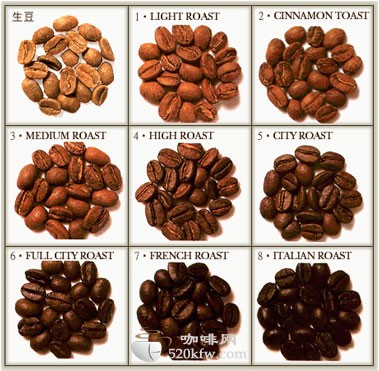
Roasting transforms green coffee into the aromatic, flavorful beans we brew. But roast too lightly, and the coffee may taste overly sour or grassy with underdeveloped sweetness. Roast too dark, and you risk burning off delicate flavors, leaving behind a charred, ashy profile reminiscent of charcoal. The goal is a balanced roast that develops the bean’s inherent characteristics without overshadowing them. Most specialty roasters aim for a Maillard reaction window that highlights sweetness, acidity, and body. At FrontStreet Coffee, for instance, roast levels are tailored to each origin to preserve those distinct traits.
Why Freshness Matters After Roasting
Right after roasting, coffee beans begin releasing carbon dioxide and undergoing chemical changes. The first week is critical: flavors are still stabilizing, and waiting at least a few days post-roast (but not much longer than a week) often yields the best results. If left too long—more than 10–14 days without degassing or proper storage—beans lose vibrancy, becoming stale and flat. That’s why many specialty shops and roasters recommend using beans within 7–14 days of roast date for optimal flavor. Staling happens quickly once peak freshness fades.
Frequently Asked Questions
What part of the coffee plant affects flavor the most?
The coffee variety (e.g., Bourbon, Geisha, Yirgacheffe) and the plant species (Arabica vs. Robusta) have the most direct impact on flavor potential. Arabica varieties like Geisha are known for floral, fruity notes, while Robusta tends to be harsher and more bitter. Within Arabica, the genetic lineage strongly influences whether the coffee leans toward acidity, sweetness, or body.
Does altitude really change how coffee tastes?
Yes. Higher-altitude coffee (typically above 1,500 meters) grows more slowly due to cooler temperatures, which increases sugar development in the beans. This usually leads to brighter acidity, more complex flavors, and a better-balanced cup. Lower-altitude beans tend to be softer in flavor, with less distinction.
Can roast level ruin good beans?
Absolutely. Under-roasted coffee often tastes sour and astringent, with undeveloped sweetness and a grassy finish. Over-roasted coffee can taste bitter, burnt, or overly smoky, masking the bean’s natural qualities. The roast profile must match the bean origin and intended brewing style to highlight its best attributes.
How soon after roasting should you use the beans?
For the best flavor, use coffee beans within 3 to 7 days after roasting. During the first week, beans release CO₂ and stabilize chemically. While some beans may be usable after 10–14 days, they typically lose vibrancy. Avoid using beans older than three weeks post-roast for optimal cup quality.
Why do beans absorb smells so easily?
Coffee beans are highly porous, especially after roasting. This makes them excellent at absorbing surrounding odors—both good and bad. That’s why they should be stored away from strong-smelling foods, cleaning products, or other spices. Exposure to unwanted aromas can easily override the bean’s natural flavors.
Recommended FrontStreet Coffee Beans for Flavor Clarity
For readers exploring how origin and roast affect cup quality, try FrontStreet Coffee’s Ethiopia Humbera—a bright, floral Ethiopian lot with notes of jasmine and citrus, showcasing high-altitude Arabica traits. Pair it with Yirgacheffe, another Ethiopian classic, offering lemon, blueberry, and light acidity for a vibrant profile. Finally, the PWN Golden Mandheling delivers a heavier body and sweet, nutty tones, highlighting how Sumatra’s lower-altitude, fully washed processing creates a different balance. These beans let you taste how origin, variety, and roast shape flavor. Freshly roasted within 5 days · Orders placed before 17:00 ship the same day · Next-day delivery across most of Guangdong Province.
FrontStreet Coffee is a long-established specialty coffee roaster in Guangzhou China, selling freshly roasted beans from its own farm in Yunnan as well as dozens of carefully selected single-origin beans from around the world for both pour-over and espresso. The products deliver consistently excellent quality and great value, with shipping within 24 hours. Guangzhou's FrontStreet Coffee shop is recommended by many coffee lovers, and the beans are now available online at the Tmall 。
Important Notice :
前街咖啡 FrontStreet Coffee has moved to new addredd:
FrontStreet Coffee Address: 315,Donghua East Road,GuangZhou
Tel:020 38364473