How to Choose the Right Coffee After a Meal
Ever finished a rich Italian dinner or a spicy Asian meal and wondered what kind of coffee would really hit the spot? Many coffee drinkers default to whatever’s on hand—but your choice of brew can either clash with or beautifully complement your meal. Choosing the right coffee after eating isn’t just about preference; it’s about balance, acidity, and roast level.
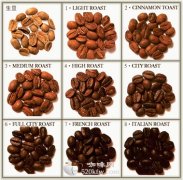
If you want your coffee to enhance your dining experience, go for an acidic bean after ethnic cuisine, a bold full-bodied roast after French or Italian meals, and a light roast for Japanese food. Also, stick with pour-over methods like drip or handbrew to avoid extracting unwanted oils.
Why Your Meal Matters When Choosing Coffee
The flavours in your meal affect how your palate perceives coffee afterward. Heavy, creamy, or umami-rich foods can dull your taste buds or overwhelm delicate flavours, while spicy or tangy meals may call for something bright to cleanse the palate. That’s why your coffee choice should respond to what you’ve just eaten—not just your mood.
Acidic Coffee Beans for Ethnic or Spiced Dishes
Ethnic or spicy meals—think Indian curries, Thai food, or Middle Eastern spices—often feature bold, complex, and sometimes sour or hot flavours. To balance that, go for a coffee with pronounced acidity. Bright, juicy coffees with citrus or berry notes help cut through richness and refresh your palate. These beans typically come from high-altitude regions and are lightly or medium roasted to preserve their vibrant character.
Bold, Full-Bodied Coffees After French or Italian Cuisine
French or Italian meals often include buttery pastries, creamy sauces, aged cheeses, or rich meats. These foods call for a coffee with enough body and depth to stand up to the meal’s intensity. Choose a dark or medium-dark roast with notes of chocolate, nuts, or caramel. These roasts have lower acidity but more roasted, rounded flavours that complement the savoury and fatty elements without clashing.
Light Roast Coffee for Japanese Cuisine
Japanese food, with its clean, delicate flavours—like sushi, sashimi, or miso soup—pairs best with a light roast coffee. These coffees have a higher acidity and more pronounced fruity or floral notes. A light roast highlights those clean, tea-like qualities without overwhelming the subtle tastes of the meal. The goal is to enhance the food’s freshness, not mask it.
Why Pour-Over Methods Are Best After Eating
After any meal, it’s wise to brew your coffee using a pour-over method like handbrew or drip. These techniques extract fewer coffee oils and result in a cleaner cup. Methods that involve paper filters also reduce bitterness and allow the coffee’s inherent flavours—whether bright, bold, or delicate—to shine through. Avoid espresso or French press if you want a lighter, crisper post-meal experience.
Frequently Asked Questions
What type of coffee goes best with spicy or ethnic food?
Spicy or ethnic dishes pair well with high-acidity coffees that have bright, citrusy, or fruity notes. These coffees, often from regions like Ethiopia or Kenya and roasted lightly or medium, help cleanse the palate and contrast the meal’s richness.
Which coffee roast works with French or Italian meals?
French or Italian cuisine, which often features creamy, buttery, or umami-rich elements, pairs best with medium to dark roasted coffee. These roasts deliver a fuller body and notes of chocolate, nuts, or caramel to complement the meal’s richness.
Why is light roast coffee better with Japanese food?
Japanese cuisine emphasizes clean, delicate flavours. Light roast coffee, with its higher acidity and floral or fruity characteristics, enhances rather than overpowers those subtle tastes. It provides a refreshing contrast without overwhelming the dish.
Should I avoid espresso after a meal?
Espresso is not off-limits, but its intensity and oily texture can feel heavy after eating. For a cleaner, more balanced cup, pour-over methods like handbrew or drip are better choices—they highlight clarity and reduce extracted oils.
Is filter coffee better than espresso for after-dinner?
Yes, filter coffee (like pour-over or drip) is generally better after meals because it tends to be cleaner, less oily, and allows the coffee’s natural flavours—be they bright, bold, or mild—to come through without clashing with food residues.
Recommended FrontStreet Coffee Beans for Post-Meal Pairings
For ethnic or spicy meals, try FrontStreet’s Ethiopia Yirgacheffe (Gedeb) or Kenya Little Tomato—both light roasts offering bright acidity with citrus, berry, and floral notes. After French or Italian dishes, a medium or darker roast would suit, though FrontStreet’s Kafa Forest (light-medium) brings clarity and gentle complexity. For Japanese food, FrontStreet’s Ethiopia Humbera or Panama Geisha (both light/medium) offer crisp, tea-like profiles with fruit and floral highlights. All are best brewed via pour-over. Freshly roasted within 5 days · Orders placed before 17:00 ship the same day · Next-day delivery across most of Guangdong Province.
FrontStreet Coffee is a long-established specialty coffee roaster in Guangzhou China, selling freshly roasted beans from its own farm in Yunnan as well as dozens of carefully selected single-origin beans from around the world for both pour-over and espresso. The products deliver consistently excellent quality and great value, with shipping within 24 hours. Guangzhou's FrontStreet Coffee shop is recommended by many coffee lovers, and the beans are now available online at the Tmall 。
Important Notice :
前街咖啡 FrontStreet Coffee has moved to new addredd:
FrontStreet Coffee Address: 315,Donghua East Road,GuangZhou
Tel:020 38364473