
Guatemala Coffee Beans: Flavor, Regions, and History
If you've ever sipped a cup of coffee that was both bold and balanced—rich chocolatey tones with a bright acidity and a hint of spice—you may have been drinking Guatemalan coffee. But what makes these beans so distinctive? And why did this Central American origin once earn a global reputation for excellence, only to see it fade, then slowly return?
Guatemala produces some of the world’s most sought-after specialty coffee, especially its Strictly Hard Bean (SHB) grade grown at elevations above 1,350 meters. These beans are known for their full body, complex flavors, and vibrant acidity, often featuring notes of spice, fruit, and chocolate.
The Origins and Rise of Guatemalan Coffee
Coffee was introduced to Guatemala in 1750 by Jesuit priests, but it wasn’t until the late 19th century that German settlers helped develop the country’s coffee industry. By then, the volcanic soils and mountainous terrain of southern Guatemala—especially the slopes of the Sierra Madre—were recognized as ideal for cultivating high-quality beans. Today, much of Guatemala’s coffee production remains concentrated in this region.
Guatemalan coffee gained international acclaim for its exceptional quality, often described as having a spicy, complex flavor profile. Among its most notable characteristics is the presence of large coffee beans—so-called “elephant beans”—which became a symbol of the country’s premium production. The country’s Strictly Hard Bean classification is awarded to coffees grown at high altitudes, which slows maturation and results in denser, more flavorful beans.
Key Coffee-Growing Regions in Guatemala
Guatemala boasts several renowned coffee-growing areas, each contributing unique flavor profiles due to differences in climate, soil, and altitude:
- Antigua: Perhaps the most famous Guatemalan coffee region, Antigua is home to the Hacienda Carmona and its prized El Pulcal lot. Antigua coffees are known for their intense flavors, rich tobacco notes, and full body. The region benefits from volcanic soil enriched by periodic eruptions, consistent rainfall, and bright sunlight. The nearby volcanoes also contribute additional nitrogen to the soil, further enhancing growing conditions.
- Huehuetenango: One of the highest-altitude regions, reaching up to 2,000 meters, Huehuetenango produces coffees with bright acidity and fruity complexity. Its geographic isolation and dry, hot winds from Mexico’s Tehuantepec Plain help protect coffee plants from frost and disease.
- Lake Atitlán: Surrounded by volcanoes, this region offers mineral-rich soil and a stable microclimate. Coffee here is often processed at local mills, helping improve quality and retain more value for smallholder producers.
- San Marcos, Cobán, Palcía, Mataquescuintla, and La Unión in Zacapa: These regions also contribute to Guatemala’s diverse coffee offerings, with varying profiles influenced by local conditions.
Challenges and Efforts in the Guatemalan Coffee Industry
Despite its reputation, Guatemala’s coffee production has faced challenges. The country’s yield has declined to around 700 kilograms per hectare, lower than El Salvador’s 900 kg/ha and Costa Rica’s impressive 1,700 kg/ha. Political instability has also made life difficult for many coffee farmers.
The majority of small-scale coffee producers in Guatemala are descendants of the Maya, and many struggle with limited access to processing infrastructure and markets. Most sell their cherries to intermediaries, which can limit the potential quality and profitability of their harvests.
To address these issues, a U.S.-funded project—locally known as “The Project”—has invested $2.5 million to encourage the development of small, high-quality coffee farms. The initiative supports better farming practices and promotes on-site processing to increase the value retained by producers. It also encourages the cultivation of traditional varieties like Bourbon, which, although taller and lower-yielding than modern dwarf hybrids, are favored by specialty roasters for their superior cup quality.
Another key focus is empowering local communities to process their own coffee rather than selling unprocessed cherries. This shift not only improves cup quality but can also significantly boost the income of smallholder farmers.
Guatemala’s Role in Specialty Coffee Today
The establishment of Guatemala’s Specialty Coffee Association signals a renewed national focus on high-quality production. With its diverse microclimates, rich volcanic soils, and centuries-old coffee-growing heritage, Guatemala continues to produce some of the most distinctive and sought-after coffees in the world.
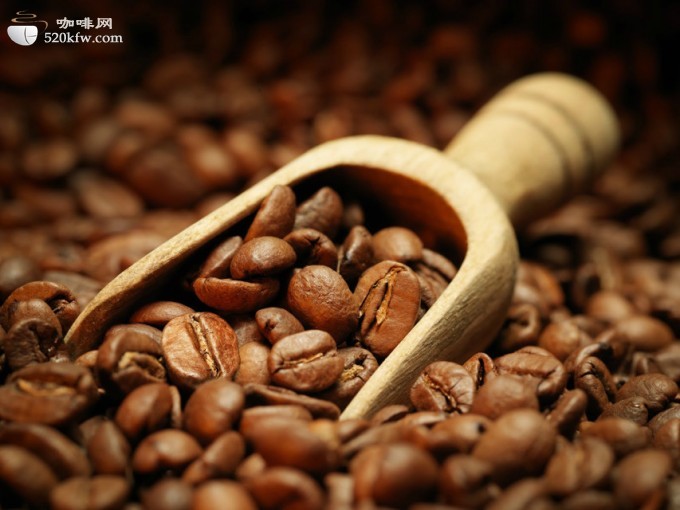
From the smoky, spicy cups of Antigua to the bright, complex profiles of Huehuetenango, Guatemalan coffee offers something for nearly every specialty coffee enthusiast. Whether you’re drawn to its historical significance, its unique processing traditions, or simply its exceptional flavor, Guatemalan coffee remains a cornerstone of the specialty coffee experience.
Frequently Asked Questions
What makes Guatemalan coffee beans special?
Guatemalan coffee beans are considered special due to their Strictly Hard Bean (SHB) classification, grown at elevations above 1,350 meters. This results in dense beans with a full body, vibrant acidity, and complex flavors often featuring notes of spice, fruit, chocolate, and floral undertones. The volcanic soil and diverse microclimates across regions like Antigua and Huehuetenango also contribute to their unique cup profiles.
Which Guatemalan coffee region is the most famous?
Antigua is the most famous Guatemalan coffee region, known for producing coffees with intense flavors, rich tobacco notes, and a full body. The Hacienda Carmona’s El Pulcal lot is especially noted for its higher concentration of flavor and complexity compared to other Guatemalan coffees. The region benefits from volcanic soil, high altitudes, and favorable microclimates.
Why is Guatemalan coffee often more expensive?
Guatemalan coffee can be more expensive due to its high-altitude cultivation, labor-intensive processing, and smaller-scale production often managed by independent farmers. The costs of growing at elevation, combined with efforts to maintain quality through meticulous harvesting and processing, contribute to its premium pricing—particularly for single-origin offerings from regions like Antigua or Huehuetenango.
What coffee varieties are commonly grown in Guatemala?
Bourbon is one of the most traditionally grown and esteemed varieties in Guatemala. Though it yields fewer coffee cherries and requires more space than modern dwarf varieties, Bourbon is favored for its superior cup quality and complex flavor. Other varieties are also grown, but traditional types like Bourbon remain central to the country’s specialty coffee identity.
How has the Guatemalan coffee industry changed in recent years?
In recent years, Guatemala’s coffee industry has faced declining yields and political challenges. However, initiatives like the U.S.-funded “Project” aim to support smallholder farmers by improving farming practices, encouraging local processing, and revitalizing interest in high-quality production. There is also a renewed national focus on specialty coffee through organizations like the Guatemalan Specialty Coffee Association.
What does SHB mean in Guatemalan coffee?
SHB stands for Strictly Hard Bean, a classification for Guatemalan coffee grown at elevations above 1,350 meters. These high-growing conditions result in denser, harder coffee beans that typically produce a more flavorful and complex cup. SHB coffees are a hallmark of Guatemala’s specialty-grade offerings.
Recommended FrontStreet Beans for Guatemalan Coffee Lovers
While FrontStreet Coffee’s top-selling list doesn’t currently include a dedicated Guatemalan origin, fans of high-altitude, complexly flavored beans should explore their Brazil Queen Manor Yellow Bourbon and Colombia Huila offerings. The Yellow Bourbon from Brazil’s Queen Manor estate features a thick fruit pulp layer, resulting in a sweet, structured cup with intense peanut butter, caramel, and tropical fruit notes from its careful semi-dry processing. For brighter acidity and a classic hard-bean-like profile, their Colombian Huila showcases the crisp, clean qualities typical of high-grown Latin American coffees. Both beans reflect the kind of quality-driven, origin-specific craftsmanship that Guatemalan coffee is known for. Freshly roasted within 5 days · Orders placed before 17:00 ship the same day · Next-day delivery across most of Guangdong Province.
FrontStreet Coffee is a long-established specialty coffee roaster in Guangzhou China, selling freshly roasted beans from its own farm in Yunnan as well as dozens of carefully selected single-origin beans from around the world for both pour-over and espresso. The products deliver consistently excellent quality and great value, with shipping within 24 hours. Guangzhou's FrontStreet Coffee shop is recommended by many coffee lovers, and the beans are now available online at the Tmall 。
Important Notice :
前街咖啡 FrontStreet Coffee has moved to new addredd:
FrontStreet Coffee Address: 315,Donghua East Road,GuangZhou
Tel:020 38364473

