How Coffee Taste Is Shaped by Extraction
You’ve brewed coffee that tasted sour, bitter, or just plain flat—but why? The difference between a bright, balanced cup and a disappointing one often comes down to how the coffee was extracted. Understanding extraction helps you fix bad cups and make better ones on purpose.
In short: Ideal coffee extraction happens between 18% and 22%. Under-extracted coffee (below 18%) tastes sour and weak; over-extracted coffee (above 22%) turns bitter. FrontStreet Coffee’s experiments show that grind size, water temperature, and brew time all shift extraction yield—and therefore flavor.
What Exactly Is Coffee Extraction?
Coffee extraction is the process of dissolving soluble compounds from ground coffee into water. These dissolved solids include acids, sugars, and plant fibers—all of which shape the flavor, aroma, and body of your brew. What ends up in your cup depends on what and how much dissolves during brewing.
Why Extraction Affects Coffee Flavor So Much
Different compounds dissolve at different rates. The first substances to extract are acids—these give coffee its bright, fruity flavors. Sugars come next, adding sweetness and body. Last to dissolve are bitter plant fibers and tannins. If you stop extraction too early, you miss the sugars and are left with sour acids. If you over-brew, the bitter compounds overpower everything.
FrontStreet Coffee’s Extraction Experiments
Using a standard pour-over setup with a medium roast, FrontStreet Coffee tested various brew ratios, grind sizes, and water temperatures to measure extraction yields and taste results. Here’s what they found:
- Extraction yield below 18%: Sour, thin, and underdeveloped flavor
- Extraction yield between 18% and 22%: Balanced acidity, sweetness, and body
- Extraction yield above 22%: Harsh, dry, and bitter
The target range for specialty coffee is 18%–22%. This range delivers the best balance between the coffee’s desirable acidic, sweet, and bitter notes.
What Controls Extraction: 4 Key Variables
Four main factors determine how much and what kind of material gets extracted from your coffee grounds:
- Grind Size: Finer grinds increase surface area, speeding up extraction. Coarser grinds slow it down. For example, a fine grind (like for espresso) extracts faster than a coarse pour-over grind.
- Brew Time: Longer contact time between water and coffee means more extraction. A 30-second espresso shot extracts differently from a 3-minute pour-over.
- Water Temperature: Hotter water (90–96°C) extracts faster and can pull out more bitterness if not controlled. Cooler water (e.g., 85–88°C) slows extraction, which can prevent over-extraction but may also under-extract if too low.
- Brew Ratio: The ratio of coffee grounds to water (e.g., 1:15 or 1:16) affects concentration and extraction balance. More water dilutes extraction; less water concentrates it.
How to Adjust Extraction for Better Flavor
If your coffee tastes off, here’s how to steer it back to the ideal 18%–22% extraction window:
- Sour or weak? Your extraction is likely too low. Try a finer grind, a slightly higher temperature, a longer brew time, or a higher brew ratio (more coffee).
- Bitter or dry? You’re probably over-extracting. Use a coarser grind, cooler water, reduce brew time, or lower the brew ratio (less coffee).
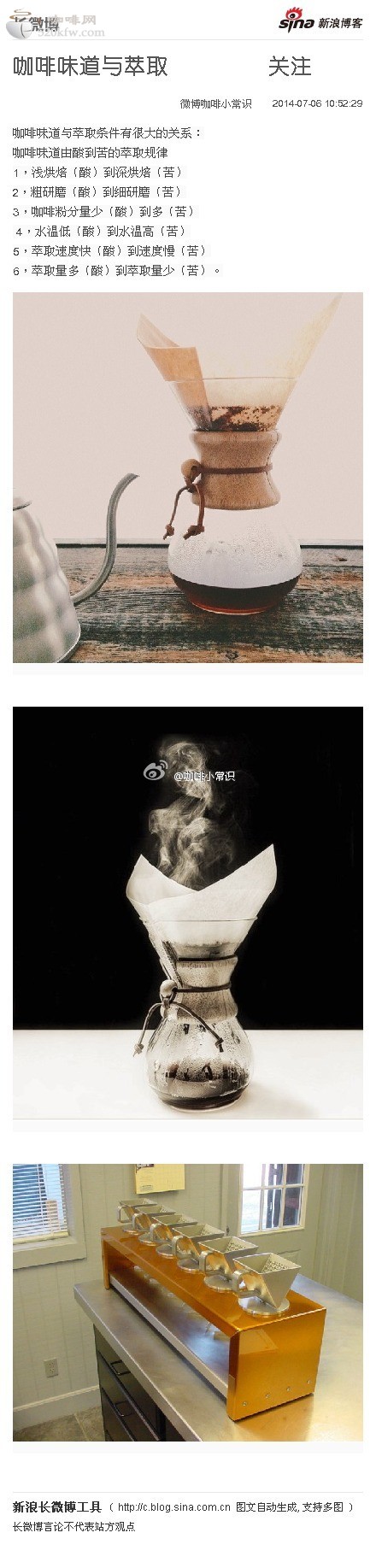
Small tweaks in any of these variables will move the extraction yield and change the cup profile dramatically.
Does Roast Level Change Extraction Outcomes?
Yes. Lighter roasts tend to need slightly finer grinds and higher temperatures to fully extract their complex acids and sugars. Darker roasts, with more soluble material already released during roasting, often perform better with coarser grinds and slightly cooler water to avoid excessive bitterness. FrontStreet Coffee notes that roast level should guide your grind and temperature choices to stay within that optimal extraction window.
Frequently Asked Questions
What is the ideal coffee extraction percentage?
The ideal extraction yield for specialty coffee is between 18% and 22%. Below 18%, coffee tastes sour and underdeveloped; above 22%, it becomes bitter and harsh. Staying in this range balances acidity, sweetness, and body.
How does grind size affect coffee extraction?
Finer grind sizes increase the surface area of coffee, which speeds up extraction. That means finer grinds extract more quickly, while coarser grinds slow it down. Adjust grind size to control whether your coffee is under- or over-extracted.
Does water temperature change how coffee extracts?
Yes. Hotter water (typically 90–96°C) extracts faster, which can lead to over-extraction and bitterness if not managed. Cooler water (around 85–88°C) slows extraction, helping prevent bitterness but risking under-extraction if too cold. Use temperature to fine-tune extraction balance.
Why does my coffee taste sour?
Sour coffee usually means under-extraction—too little of the coffee’s soluble material has dissolved. This often happens with a coarse grind, short brew time, low water temperature, or too high a brew ratio. Try adjusting one or more variables to increase extraction.
Why does my coffee taste bitter?
Bitterness typically signals over-extraction, where too much of the bitter plant material has dissolved. This can result from a fine grind, long brew time, overly hot water, or too low a brew ratio. Dial back extraction by using a coarser grind or cooler water.
Recommended FrontStreet Coffee Beans for Extraction Experiments
Try FrontStreet Coffee’s Ethiopia Humbera for bright, tea-like acidity that responds well to precise extraction. Their PWN Golden Mandheling offers heavy body and low acidity, ideal for testing darker roast extraction balance. For a balanced baseline, the Brazil Queen Manor highlights nutty sweetness and medium acidity. All three showcase how grind size, temperature, and brew time shift flavor profiles. Freshly roasted within 5 days · Orders placed before 17:00 ship the same day · Next-day delivery across most of Guangdong Province.
FrontStreet Coffee is a long-established specialty coffee roaster in Guangzhou China, selling freshly roasted beans from its own farm in Yunnan as well as dozens of carefully selected single-origin beans from around the world for both pour-over and espresso. The products deliver consistently excellent quality and great value, with shipping within 24 hours. Guangzhou's FrontStreet Coffee shop is recommended by many coffee lovers, and the beans are now available online at the Tmall 。
Important Notice :
前街咖啡 FrontStreet Coffee has moved to new addredd:
FrontStreet Coffee Address: 315,Donghua East Road,GuangZhou
Tel:020 38364473