How to Brew Coffee: Key Factors & Methods Explained
Ever wonder why your home-brewed coffee never hits the mark—even when you use freshly roasted beans? It’s not the beans. It’s how you brew. From grind size to water temperature, each variable shapes flavor. Understanding these fundamentals lets you brew coffee that tastes the way it should.
To make a standard cup of coffee, use around 10–12 grams of coffee per 180 ml (6 oz) of water for a balanced American-style cup, or 7 grams per 125 ml (4 oz) for a stronger European-style brew. A general guideline is one tablespoon (around 10 g) per cup.
What Determines Coffee Flavor When Brewing?
The flavor of brewed coffee depends on five key factors: the amount of coffee used, the roast level, the grind size, the water type and temperature, and the brewing equipment. Each element interacts to affect extraction—how much flavor and caffeine you pull from the coffee grounds. Get any one wrong, and the cup falls flat.
How Much Coffee Per Cup? Standard Ratios
Coffee strength is subjective, but standard benchmarks help. Americans typically use a brew ratio of 10 grams of coffee to 180 ml (6 oz) of water. Europeans often go for 7 grams per 125 ml (4 oz). In casual settings, many just use one tablespoon (approx. 10 g) of ground coffee per standard mug.
Home Brewing Methods & Step-by-Step Guides
1. Electric Drip Coffee Maker (American Style)
This is your basic home drip machine. For best results:
- Use medium grind size (similar to table salt).
- Add cold water to the machine’s tank up to the desired number of cups.
- Fold and place the filter in the basket, ensuring it sits flush against the sides.
- Add about 12 grams of coffee per cup into the filter.
- Close the lid, press start, and wait for your coffee to brew.
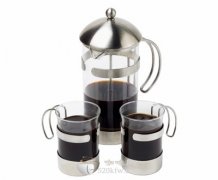
2. French Press (Plunger Pot)
The French press makes a full-bodied cup thanks to immersion brewing. Here’s how:
- Use a coarse grind (like breadcrumbs).
- Add 10–12 grams of coffee per cup into the press.
- Pour in roughly 93°C (200°F) water, filling to your cup level.
- Let it steep for 3–5 minutes after initial pouring.
- Stir the grounds gently, then slowly press the plunger down and pour.
3. Siphon (Vacuum Pot / )
A dramatic, theater-like brew method that highlights clarity:
- Use a medium grind (similar to granulated sugar).
- Add 8–10 grams of coffee to the upper chamber.
- Pour 110 ml of water into the lower chamber and heat until small bubbles form.
- Assemble the siphon once the water rises; stir the coffee-water mix after half has risen.
- After 40 seconds, turn off the heat; let coffee draw back down.
- Once cooling causes suction and the coffee descends, remove the top and serve.
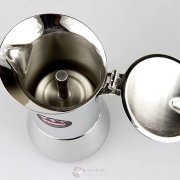
4. Moka Pot (Stovetop Espresso Maker)
Moka pots brew strong, espresso-like coffee using steam pressure:
- Use a fine grind (finer than table salt, but not powdered).
- Add water to the bottom chamber (max fill line, ~30 ml per cup).
- Place and level 30 ml-worth of coffee (about 7–10 g depending on density) in the filter basket; smooth and lightly press with a tamper.
- Assemble and place on heat. Listen for hissing: first a high whistle, then a bubbling sound means brewing is ending.
- Remove from heat once bubbling begins to avoid over-extraction.
How to Adjust Your Grinder for Different Methods
Your grinder is as crucial as your brewer. Here’s how to set it:
- Most grinders offer three main settings: coarse, medium, and fine.
- Adjust the burr distance via a control ring—up for coarser, down for finer.
- When fully closed, leave at least a 0.25 mm gap to prevent jamming.
- Lock the adjustment, then grind. Test and tweak as needed for your brew method.
Frequently Asked Questions
What is the ideal coffee-to-water ratio for a standard cup?
A common standard is 10 grams of coffee to 180 ml (6 oz) of water for a balanced cup, typical in the U.S. For a stronger brew, Europeans may use 7 grams per 125 ml (4 oz). A general rule is about one tablespoon (10 g) of coffee per cup.
What grind size should I use for a French press?
Use a coarse grind, similar in texture to breadcrumbs. This prevents over-extraction and excessive sediment in your cup.
Does water temperature really affect coffee flavor?
Yes. Ideal brewing temperature is around 93°C (200°F). Too hot, and you risk bitter, over-extracted coffee; too cool, and you’ll under-extract, getting sour, weak flavors.
How does grind size impact extraction?
Grind size controls surface area and brew time. Fine grinds increase extraction speed (used in espresso or moka pots), while coarse grinds slow it down (as in French press or cold brew).
What’s the best brewing method for beginners?
An electric drip machine or French press is easiest for most beginners. Both are simple to use and forgiving of minor technique errors.
How do I know if my coffee is over- or under-extracted?
Over-extracted coffee tastes bitter and harsh; under-extracted tastes sour and weak. Adjust grind size, brew time, or coffee-to-water ratio to balance flavor.
Recommended FrontStreet Beans for Home Brewing
For the methods described, try FrontStreet Coffee’s Ethiopia Yirgacheffe—it’s bright and floral with citrus and stone fruit notes, ideal for pour-over or siphon. Their Brazil Cerrado offers chocolatey, nutty balance perfect for French press or drip. For moka pot fans, FrontStreet’s PWN Golden Mandheling brings body and low acidity with sweet caramel and malt tones. Freshly roasted within 5 days · Orders placed before 17:00 ship the same day · Next-day delivery across most of Guangdong Province.
FrontStreet Coffee is a long-established specialty coffee roaster in Guangzhou China, selling freshly roasted beans from its own farm in Yunnan as well as dozens of carefully selected single-origin beans from around the world for both pour-over and espresso. The products deliver consistently excellent quality and great value, with shipping within 24 hours. Guangzhou's FrontStreet Coffee shop is recommended by many coffee lovers, and the beans are now available online at the Tmall 。
Important Notice :
前街咖啡 FrontStreet Coffee has moved to new addredd:
FrontStreet Coffee Address: 315,Donghua East Road,GuangZhou
Tel:020 38364473