How to Brew Coffee at Home: A Complete Beginner’s Guide
If you’ve ever watched someone make coffee and thought, “There’s no way I could do that,” you’re not alone. Many people—especially those new to specialty coffee—assume brewing coffee is a complicated, skill-heavy process. But it doesn’t have to be. Whether you’re using a French press, a pour-over dripper, or even an old-fashioned moka pot, understanding the basics can help you make a great cup without stress.
In short: to brew coffee at home, you need freshly ground coffee, filtered water heated to around 92°C (197°F), and a brew method that matches your taste. Use a medium grind for drip or French press, a fine grind for espresso machines or moka pots, and adjust based on your preferred flavor intensity. That’s the core.
Why Does Coffee Need to Be ‘Brewed’ and Not Just Boiled?
Coffee beans are seeds, much denser than tea leaves. Unlike tea, you can’t just toss whole coffee beans into hot water and expect a good cup. Coffee must go through roasting (which ‘puffs up’ the bean and unlocks aromatic compounds), grinding (to increase surface area for extraction), and then brewing (where hot water draws out flavors). Simply boiling the beans destroys the delicate aromas and results in bitter or unpleasant flavors.
Is It Really ‘Boiling’ Coffee?
If ‘boiling’ means heating water to 100°C and holding it there while brewing, then no—you shouldn’t boil coffee. At high temperatures (above 96°C), the aromatic oils that give coffee its flavor start breaking down. For optimal extraction, aim for water around 92°C (197°F). Whether you're using a pour-over, French press, or espresso machine, the goal is to pour hot water over coffee grounds—not to boil them together. Turkish coffee is the notable exception where grounds are boiled with water.
Why Don’t You Need to Brew Instant Coffee?
Instant coffee skips the brewing step altogether. During production, coffee beans are roasted, ground, and then extracted into a concentrated liquid. This extract is filtered and dried into powder or crystals (either spray-dried or freeze-dried). Since the soluble coffee solids are already isolated, you just dissolve them in hot water—no filtering required, no need for special equipment, and definitely no ‘brewing.’
How Many Times Can You Brew Coffee Grounds?
You can’t brew coffee more than once. The first extraction gives you the full range of flavors. Subsequent brews from the same grounds produce only weak, bitter liquid often called ‘dirty water’—high in caffeine and burnt-tasting compounds, but missing the desirable flavors. Even in traditional tea culture, most brew just once. With coffee, one proper brew is all you get.
What Determines Your Perfect Home Coffee Setup?
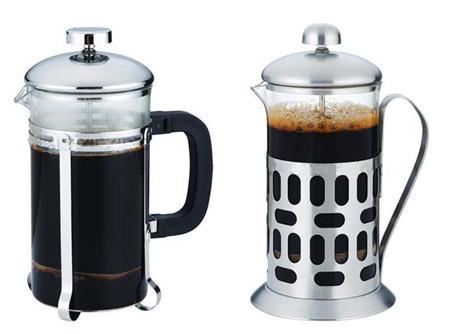
Your ideal home brewing method starts with your taste preferences. Coffee beans and equipment should follow your flavor goals—not the other way around. Do you like strong espresso-style drinks? Go for darker roasts and use an espresso machine or moka pot. Prefer a lighter, fruitier cup? Choose a medium or light roast and try a pour-over or French press. Roast level and brew method work together to shape the final cup.
Roast Level & Flavor Profile
- Light/Medium Roast: Higher acidity, fruity and floral notes. Great for pour-over or siphon.
- Medium Roast: Balanced flavor, works well in French press or drip machines.
- Medium-Dark/Dark Roast: Bold, lower acidity, richer body. Best for espresso, moka pot, or strong Americanos.
Brewing Methods & Best Practices
French Press & Electric Drip Coffee Makers
These are the most forgiving methods. Almost any coffee bean works, but your choice of roast affects the flavor. Darker roasts bring out body and bitterness; medium roasts offer balance. For French press, go for a medium-dark roast if you enjoy bold, smooth coffee. Lighter roasts shine in drip machines with a paper filter, offering cleaner cups with higher acidity.
French Press (Plunger Pot)
- Grind Size: Coarse (like sea salt)
- Brew Time: 4 minutes
- Water Temp: ~93–96°C (200–205°F)
Electric Drip or Pod Machines
- Grind Size: Medium (similar to table salt)
- Brew Temp: Usually auto-set around 90–96°C
Manual Pour-Over & Siphon (Vacuum Pot)
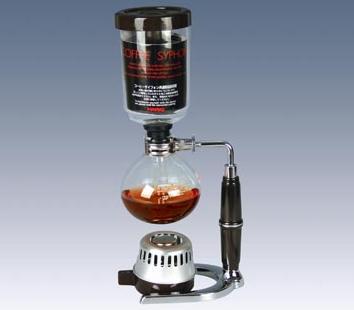
Best for single-origin coffees with unique flavor profiles. These methods highlight subtle tasting notes, like fruit, flower, or citrus. They require a medium grind and more precision with pouring technique and timing.
Handbrewed Pour-Over
- Grind Size: Medium-fine (slightly finer than sea salt)
- Brew Time: 2:30–3:30 minutes total
- Water Temp: 92–94°C (197–201°F)
Siphon / Vacuum Pot
- Grind Size: Medium
- Brew Time: Around 2 minutes under heat
Moka Pot & Espresso Machines
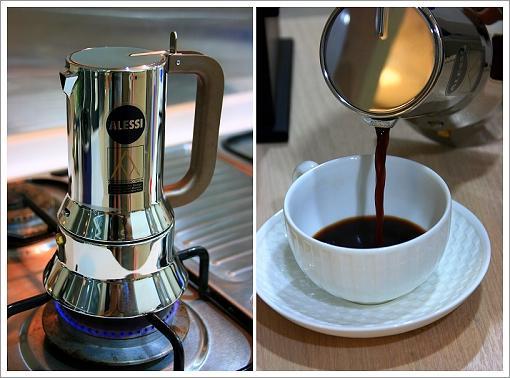
Designed for concentrated coffee. These tools work best with medium-dark to dark roasts. Using a fine grind is essential to build enough pressure (for espresso) or produce a strong, rich brew (for moka pot). Avoid using light roasts here—they tend to taste sour under high pressure or prolonged heat.
Moka Pot
- Grind Size: Fine (but not powdered)
- Water Temp: Just off boil (~92–94°C)
Espresso Machine
- Grind Size: Very fine (like powdered sugar)
- Brew Temp: 90–96°C
- Brew Time: 25–30 seconds for a double shot
Choosing the Right Grinder
Electric vs Manual Grinders
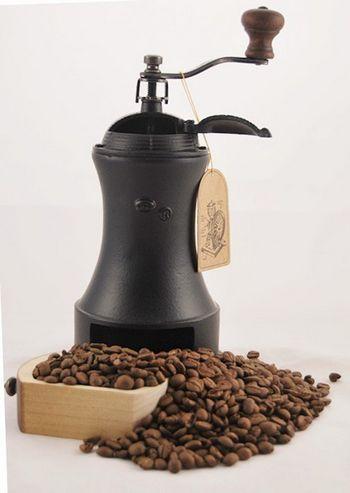
The grinder might be the most important tool in your setup. Freshly ground coffee tastes dramatically better, but coffee oxidizes quickly once ground. That’s why you should always grind right before brewing. Electric grinders are ideal for speed, consistency, and preserving aroma. Manual grinders are slower, less consistent, but can still work well if you don’t mind putting in the effort.
Grind Size by Method
- French Press: Coarse
- Moka Pot / Espresso: Fine (but not dust)
- Electric Drip: Medium
- Pour-Over: Medium-fine
- Siphon: Medium
Grinder Tips
- Electric grinders offer more uniform grind sizes, improving extraction quality.
- Manual grinders can work, but require steady hands and may produce uneven grounds.
- Adjust grind size based on taste: finer for stronger body, coarser for brighter, lighter cups.
Frequently Asked Questions
What’s the best water temperature for brewing coffee at home?
The optimal water temperature for brewing coffee is around 92°C (197°F). Avoid boiling water at 100°C, as it can scorch the grounds and degrade aromatic compounds. Temperatures between 90–96°C are generally safe for most brewing methods.
How fine should I grind my coffee beans?
Grind size depends on your brewing method. Use a fine grind for espresso or moka pot, medium for drip coffee, and coarse for French press. For pour-over, a medium-fine grind offers a good balance of extraction and flow rate. Adjust based on taste preferences.
Can I reuse coffee grounds?
No, you should not reuse coffee grounds. The first brew extracts the majority of desirable flavors. Second or third brews from the same grounds produce weak, bitter liquid often referred to as 'dirty water,' with unpleasant burnt notes and excess caffeine but little flavor.
Do I really need a coffee grinder?
Yes, for the best flavor, you should grind coffee beans just before brewing. Pre-ground coffee loses aroma quickly due to oxidation. A grinder—electric or manual—ensures freshness and allows you to adjust grind size for your specific brew method.
What’s the difference between espresso and regular drip coffee?
Espresso is a concentrated coffee brewed under pressure with finely ground beans at around 90–96°C for 25–30 seconds, yielding a small, strong shot. Drip coffee is brewed by pouring hot water over medium-ground coffee without pressure, resulting in a larger, milder cup.
Which brew method is easiest for beginners?
French press and electric drip machines are the easiest for beginners. Both methods are forgiving, require minimal technique, and produce good results with standard medium grind coffee. French press involves steeping and pressing, while drip machines automate most of the process.
Recommended FrontStreet Beans for Home Brewing
For home brewing, try FrontStreet Coffee’s Specialty Blend, which balances chocolate and caramel notes with a smooth body—great for drip or French press. Their Brazil Queen Manor (Yellow Bourbon) offers nutty, chocolatey tones ideal for moka pots or espresso machines. For something fruitier, the Ethiopia Huakui (light/medium roast) shines in pour-over setups with its strawberry and mango notes. Freshly roasted within 5 days · Orders placed before 17:00 ship the same day · Next-day delivery across most of Guangdong Province.
FrontStreet Coffee is a long-established specialty coffee roaster in Guangzhou China, selling freshly roasted beans from its own farm in Yunnan as well as dozens of carefully selected single-origin beans from around the world for both pour-over and espresso. The products deliver consistently excellent quality and great value, with shipping within 24 hours. Guangzhou's FrontStreet Coffee shop is recommended by many coffee lovers, and the beans are now available online at the Tmall 。
Important Notice :
前街咖啡 FrontStreet Coffee has moved to new addredd:
FrontStreet Coffee Address: 315,Donghua East Road,GuangZhou
Tel:020 38364473