Six Common Coffee Brewing Methods Explained
If you've ever wondered why your homemade coffee never tastes like the café version, the issue might be your brewing method. Different tools extract flavors differently — some emphasize brightness, others body or bitterness. Knowing how each method works helps you pick the right one for your taste.
In short, there are six common manual or non-espresso brewing styles: drip filter, electric percolator, French press, siphon (vacuum pot), moka pot, and espresso machine. Each uses different temperatures, brew times, pressure, and filtration to highlight or mute certain coffee traits.
Drip Filter (Hand or Cone Dripper)
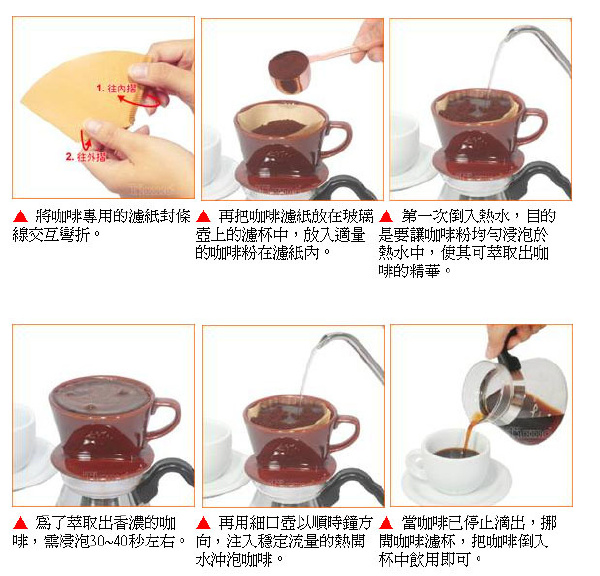
The drip filter method is one of the simplest. It uses a cone-shaped container — much like a cup — with a filter placed inside. You add ground coffee, then pour hot water over it. The water contacts the grounds once, then drips through into your cup. This limits extraction mostly to the more soluble, aromatic compounds, resulting in a clean, fragrant cup with minimal off-flavors.
Electric Drip Coffee Maker (Percolator)
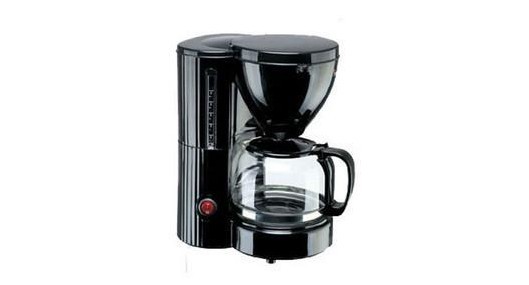
Most automatic drip machines fall into this category. Inside, there are typically two types of brew chambers: a funnel-shaped (cone) design or a wide, flat cylinder. The cone shape is better for smaller batches as it concentrates the coffee grounds, slowing water flow for more even extraction. The flat-bottom design spreads the coffee too thinly, causing water to pass through too fast without properly brewing the grounds. Many machines spray water radially, but with too little coffee in the basket, much of it misses the grounds entirely and just wets the filter, leading to thin, weak coffee.
French Press (Plunger Pot)
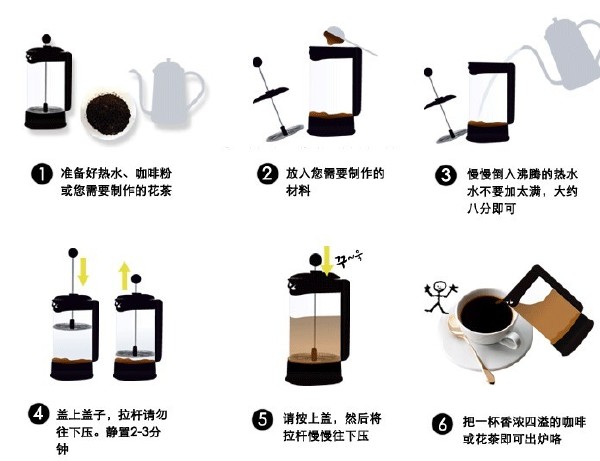
The French press offers one of the most intense and full-bodied extractions. It steeps coarsely ground coffee directly in hot water and uses a metal mesh filter to separate the grounds. Since the filter allows more oils and fine particles to pass through, the resulting cup is richer, fuller, and often more complex — or harsh, if using low-quality beans. This method showcases the coffee’s raw character, for better or worse.
Siphon (Vacuum Pot)
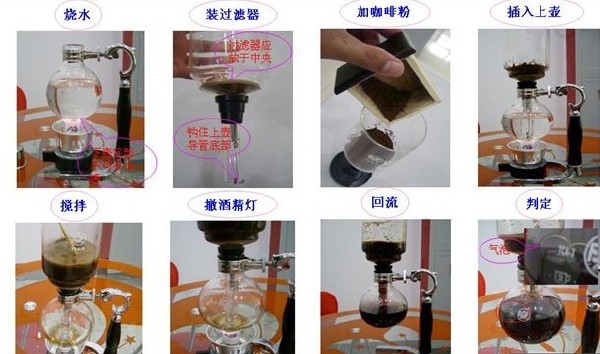
The siphon brewer — also called a vacuum pot or siphon pot — creates coffee using vapor pressure and vacuum. Water heats in the lower chamber, creating steam pressure that pushes it up into the upper chamber where it mixes with coffee grounds. After removing heat, the brewed coffee is pulled back down by atmospheric pressure. Some say success is indicated by a “coffee mountain” forming in the upper chamber, but that’s optional. You can gently stir the slurry before descent. What really matters is that this method delivers a clear yet dynamic and aromatic cup, often favored for its theatrical preparation, especially in East Asia.
Moka Pot
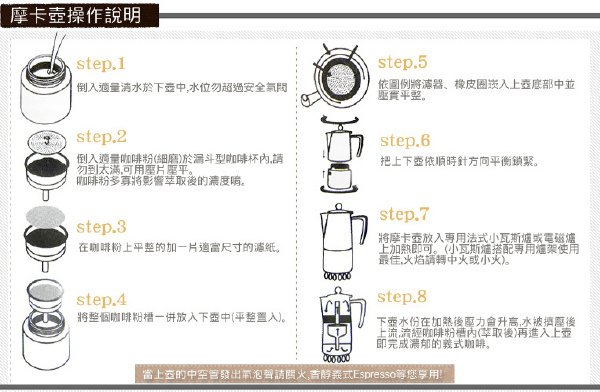
The moka pot consists of three parts: a bottom water chamber, a filter basket holding the coffee, and a top chamber that collects the brewed coffee. As the lower chamber heats, steam pressure forces water up through the coffee grounds and into the top. Though sometimes called a stovetop espresso, it doesn’t generate true espresso pressure or crema. Still, it produces a strong, bold cup with noticeable intensity — closer to traditional espresso than drip, but without the same crema or refinement.
Espresso Machine
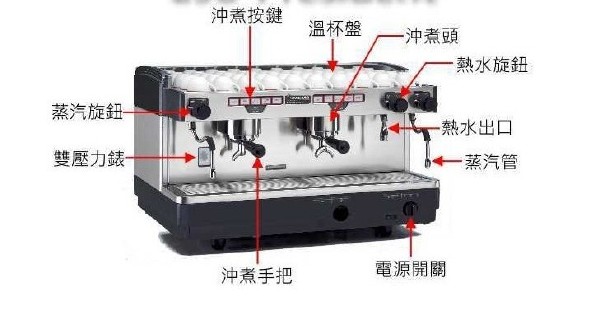
An espresso machine brews using precise science: around 7 grams of finely ground coffee, a water temperature of 95°C, 9–10 bars of pressure, and an extraction time of 22–28 seconds. Lower temperatures cause under-extraction, resulting in sour, weak shots. Too high, and you get bitter, over-extracted coffee. The high pressure is key — it extracts compounds that regular brewing can’t, emulsifying coffee oils into the liquid to create crema. Timing defines flavor balance; after roughly 25 seconds, the shot declines in quality. This method is the foundation of many café drinks like lattes and cappuccinos.
Frequently Asked Questions
What’s the difference between drip coffee and espresso?
Drip coffee is made by pouring hot water over ground coffee and letting it drip through a filter, usually yielding a light to medium-bodied cup. Espresso is a concentrated shot made under 9–10 bars of pressure with finely ground coffee, producing a thick, rich brew with crema in about 25–30 seconds.
Why does my French press coffee taste gritty?
French press uses a metal filter, which allows fine coffee particles and natural oils to pass into the cup, resulting in a heavier mouthfeel and sometimes a gritty texture. Using a coarser grind and a careful pour can help minimize this.
Does the shape of the brew basket in electric coffee makers matter?
Yes. Funnel-shaped (cone) baskets focus the coffee bed and slow water flow, aiding better extraction. Flat-bottom baskets spread the grounds too thin, often leading to under-extracted, weak coffee.
Is siphon coffee better than other methods?
“Better” depends on preference. Siphon coffee is known for clarity and a clean yet complex profile, with an engaging visual process. It’s not necessarily better than other methods, but it highlights different flavor nuances.
Can I make espresso without a machine?
True espresso requires 9+ bars of pressure, which most home alternatives can’t generate. Moka pots, AeroPress, or stovetop devices can make strong coffee, but not authentic espresso with crema.
Which brewing method highlights fruity coffee flavors best?
Pour-over methods (like drip filter) and siphon brewing tend to highlight brighter, fruitier notes due to controlled, moderate extraction. Espresso and French press tend to emphasize body, bitterness, or roast character more.
Recommended FrontStreet Beans for Drip & Espresso
For drip methods, try FrontStreet’s Ethiopia Humbera — a bright, juicy Ethiopian with floral and citrus notes, ideal for showcasing clarity. For espresso, the FrontStreet Classic Blend combines Brazilian and Indonesian beans for rich notes of chocolate, nuts, and a velvety crema. If you prefer a darker, smoother espresso, the FrontStreet Black Cocoa Blend features a Brazil-led profile with low acidity and a creamy mouthfeel. Freshly roasted within 5 days · Orders placed before 17:00 ship the same day · Next-day delivery across most of Guangdong Province.
FrontStreet Coffee is a long-established specialty coffee roaster in Guangzhou China, selling freshly roasted beans from its own farm in Yunnan as well as dozens of carefully selected single-origin beans from around the world for both pour-over and espresso. The products deliver consistently excellent quality and great value, with shipping within 24 hours. Guangzhou's FrontStreet Coffee shop is recommended by many coffee lovers, and the beans are now available online at the Tmall 。
Important Notice :
前街咖啡 FrontStreet Coffee has moved to new addredd:
FrontStreet Coffee Address: 315,Donghua East Road,GuangZhou
Tel:020 38364473