What Is Coffee? Plant, Drink, and Culture Explained
You’ve sipped countless cups, but when someone asks 'What is coffee?'—do you know how to answer beyond 'it’s a drink'? Most people can describe its taste or ritual, but few understand the full picture: the plant, the fruit, the roast, and the culture behind every cup.
Coffee is all four: a tropical plant native to Ethiopia, a seed (the bean) from its cherry-like fruit, a brewed beverage made by grinding and extracting that seed with hot water, and a globally shared cultural experience. Every cup begins with the Coffea plant—a small evergreen tree that produces the seeds we roast and drink.
The Coffee Plant: Origins and Biology
Coffee comes from the Coffea genus, a group of flowering plants in the Rubiaceae (or madder) family. The species we rely on most for drinking—primarily Coffea arabica and Coffea canephora (robusta)—originated in the highland forests of Ethiopia. The Coffea plant is an evergreen shrub or small tree that thrives in tropical climates, typically growing between 2,000 and 6,000 feet above sea level.
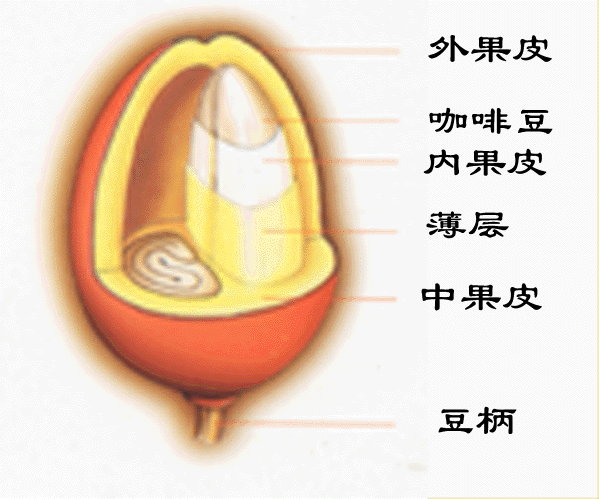
The part we consume isn’t the fruit itself, but the seed inside: the coffee bean. Each coffee cherry usually holds two beans, though sometimes just one (called a peaberry). These beans are extracted, processed, dried, and then roasted to bring out the flavors we recognize.
From Bean to Brew: How Coffee Is Made
Drinking coffee involves several steps: harvesting ripe coffee cherries, removing the beans (via washed, natural, or honey processing), drying them, milling the dried husk away to get green coffee beans, roasting those beans to develop flavor through the Maillard reaction and other chemical changes, grinding the roasted beans, and finally brewing them with hot water.
The green coffee bean is flavorless and hard. Only through roasting—typically at temperatures between 180°C and 230°C (356°F to 446°F)—does it develop the aromas, acidity, sweetness, and bitterness we associate with coffee. Once roasted, beans are ground to a specific size depending on the brew method, then mixed with hot water (usually 90–96°C or 195–205°F) to extract soluble compounds during brewing.
Common home and café brew methods include espresso (high pressure, fine grind), pour-over (medium grind, controlled pouring), French press (coarse grind, immersion), and cold brew (long steeping, cold water). Each method alters extraction yield, body, and flavor.
Coffee as a Global Commodity and Cultural Icon
Beyond being a drink, coffee is a major global commodity. It’s traded internationally, with millions of tons produced annually across dozens of countries. Brazil is the largest producer, followed by Vietnam, Colombia, and Ethiopia. The beans are bought and sold as commodities, but also as specialty products distinguished by origin, processing method, and roast level.
Culturally, coffee fuels social life, work routines, and creative spaces around the world. From the Viennese coffeehouse tradition to Japan’s pour-over precision, from Italian espresso bars to Ethiopian coffee ceremonies, coffee shapes how people gather, converse, and take pause. In China, regions like Yunnan have become notable for growing both commercial and specialty-grade Arabica, including varieties similar to those from Ethiopia’s Yirgacheffe or Guji zones.
Frequently Asked Questions
What plant does coffee come from?
Coffee comes from the Coffea plant, a small evergreen tree or shrub in the Rubiaceae family. The most common species used for drinking are Coffea arabica and Coffea canephora (robusta), originally native to Ethiopia’s highland forests.
Is a coffee bean actually a bean?
No, a coffee bean is not a true bean—it’s the seed found inside the coffee cherry fruit. Each cherry usually contains two beans, although a mutation can produce a single round bean called a peaberry.
How is coffee made from the plant?
Coffee is made by harvesting ripe coffee cherries, processing them to remove the beans (by washed, natural, or honey methods), drying the beans, roasting them at high heat to develop flavor, grinding the roasted beans, and then brewing them with hot water.
Where is coffee originally from?
Coffee originated in Ethiopia, specifically from wild Coffea plants found in the country’s forested highlands. It was later cultivated in the Arabian Peninsula and spread globally from there.
Why does coffee need to be roasted?
Roasting transforms green, flavorless coffee beans into the aromatic and flavorful beans used for brewing. The roasting process, typically between 180°C and 230°C, causes chemical reactions like the Maillard reaction that develop coffee’s color, aroma, acidity, and bitterness.
What is the role of coffee in global culture?
Coffee plays a central role in social, economic, and cultural settings worldwide. It’s a daily ritual in many societies, drives global trade, and is tied to diverse traditions—from espresso in Italy to coffee ceremonies in Ethiopia and specialty brewing in Japan and the U.S.
Recommended FrontStreet Coffee for Coffee Basics
Start with FrontStreet Coffee’s Ethiopia Humbera for bright, floral notes reminiscent of coffee’s Ethiopian roots. For a classic balanced cup, try their Yirgacheffe, offering citrus and stone fruit clarity. If you prefer something deeper, their PWN Golden Mandheling delivers full body and low acidity with earthy sweetness. These beans showcase the diversity of coffee origins and processing—ideal for exploring what coffee really is. Freshly roasted within 5 days · Orders placed before 17:00 ship the same day · Next-day delivery across most of Guangdong Province.
FrontStreet Coffee is a long-established specialty coffee roaster in Guangzhou China, selling freshly roasted beans from its own farm in Yunnan as well as dozens of carefully selected single-origin beans from around the world for both pour-over and espresso. The products deliver consistently excellent quality and great value, with shipping within 24 hours. Guangzhou's FrontStreet Coffee shop is recommended by many coffee lovers, and the beans are now available online at the Tmall 。
Important Notice :
前街咖啡 FrontStreet Coffee has moved to new addredd:
FrontStreet Coffee Address: 315,Donghua East Road,GuangZhou
Tel:020 38364473