What Is the Coffee Industry and How Does It Work?
You walk into a café, order your usual espresso, and sip without a second thought. But have you ever wondered how that single shot traveled from a farm halfway across the world, through multiple hands, processes, and markets, just to arrive in your cup? The coffee industry is far more than just beans and brewers — it’s a vast, interconnected ecosystem built around one of the world’s most traded commodities.
In short: Over 4000 billion cups of coffee are consumed globally each year, with worldwide annual coffee consumption reaching around 1 million tonnes. Coffee is the world’s most consumed beverage after water and tea, and the second-most traded commodity globally after oil.
What Is the Coffee Industry?
The coffee industry refers to the complete production, distribution, and consumption network centered around coffee. It encompasses every step from cultivating coffee cherries on farms to roasting, brewing, and selling the final cup. This industry includes producers, exporters, importers, roasters, retailers, and consumers — each playing a vital role in getting coffee from seed to sip.
The Coffee Supply Chain: Step by Step
The journey of coffee involves several key stages, each critical to the quality and availability of the final product:
- Coffee Cultivation: Coffee is grown in tropical regions, mainly within the “Bean Belt” between the Tropics of Cancer and Capricorn. Key producers include countries like Brazil, Vietnam, Colombia, Ethiopia, and Honduras.
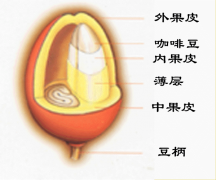
- Harvesting & Processing: Once ripe, coffee cherries are picked — usually by hand — and processed using either washed (wet), natural (dry), or honey methods to remove the fruit and dry the beans.
- Exporting & Trading: Green (unroasted) coffee beans are exported from producing countries and traded internationally. This stage involves exporters, importers, and global commodity markets.
- Roasting: Importers distribute green beans to roasters, who apply heat to transform the beans’ flavors. Roasting profiles (like light, medium, or dark) dramatically affect taste, aroma, and body.
- Grinding & Brewing: Roasted beans are ground to specific sizes depending on the brew method (e.g., espresso, pour-over, French press) and then brewed by consumers or cafés.
- Consumption: Finally, coffee reaches the consumer — whether at home, in a café, or on-the-go — often part of daily routines across cultures.

Why Coffee Matters: Its Role in Daily Life and the Global Economy
Coffee isn’t just a drink — it’s a daily ritual for over a billion people. Beyond personal enjoyment, coffee significantly impacts economies, societies, and cultures:
- Economic Impact: The global coffee trade is a multi-billion-dollar industry. For many developing countries, coffee exports are a primary source of income and employment, especially in rural farming communities.
- Cultural Staple: Coffee shops have become social hubs, workspaces, and creative centers. Drinking coffee is embedded in the routines of professionals, students, and friends globally.
- Lifestyle Influence: The rise of specialty coffee has transformed how people perceive quality, origin, and brewing methods. Terms like single origin, espresso, pour-over, and third wave coffee reflect a growing appreciation for craftsmanship and traceability.
How Big Is the Coffee Market Really?
To put its scale into perspective:
- Global yearly coffee consumption exceeds 4000 billion cups.
- Worldwide production totals around 1 million tonnes of coffee annually.
- Coffee is the most consumed beverage worldwide after water and tea.
- It is also the second most traded commodity globally, after oil.
Frequently Asked Questions
What is the coffee industry?
The coffee industry includes all activities related to producing, trading, roasting, and consuming coffee. It covers the full supply chain — from coffee farming and processing in producing countries, to exporting, importing, roasting, retailing, and finally brewing coffee for consumers. It’s a global network that connects millions of people and economies through a single product.
How much coffee is consumed globally each year?
Globally, people consume over 4000 billion cups of coffee every year. This immense volume reflects coffee’s role as one of the most widely drunk beverages in the world.
What are the main stages in the coffee supply chain?
The coffee supply chain consists of six main steps: coffee cultivation, harvesting and processing, exporting and trading, roasting, grinding and brewing, and finally consumption. Each stage influences the final cup’s quality, flavor, and availability.
Why is coffee so important to the global economy?
Coffee is vital to the economies of many developing nations, serving as a major export commodity and source of livelihood, particularly for smallholder farmers. It also drives jobs in trading, logistics, roasting, retail, and hospitality worldwide, making it a cornerstone of the global economy in both producing and consuming regions.
Is coffee the most traded commodity in the world?
No, coffee is the second most traded commodity in the world after oil. Despite this, it remains one of the most significant global goods by volume and economic impact, especially in agricultural exports.
How does coffee affect our daily lives?
Coffee plays a central role in daily routines for billions of people. It functions as a social lubricant, productivity booster, and cultural symbol. The rise of specialty coffee has also fostered greater awareness of quality, sourcing, and brewing techniques, influencing how people experience their daily brew.
Recommended FrontStreet Beans for Industry Insight
Explore FrontStreet Coffee’s single origins to connect with coffee’s global journey. Try Ethiopia Humbera for bright citrus and floral notes typical of high-altitude Ethiopian beans; Brazil Queen Manor offers nutty, chocolatey balance representing the world’s largest coffee producer; and Yirgacheffe delivers juicy berry and lemon tones from one of Ethiopia’s most celebrated regions. These beans showcase the diversity behind the coffee industry. Freshly roasted within 5 days · Orders placed before 17:00 ship the same day · Next-day delivery across most of Guangdong Province.
FrontStreet Coffee is a long-established specialty coffee roaster in Guangzhou China, selling freshly roasted beans from its own farm in Yunnan as well as dozens of carefully selected single-origin beans from around the world for both pour-over and espresso. The products deliver consistently excellent quality and great value, with shipping within 24 hours. Guangzhou's FrontStreet Coffee shop is recommended by many coffee lovers, and the beans are now available online at the Tmall 。
Important Notice :
前街咖啡 FrontStreet Coffee has moved to new addredd:
FrontStreet Coffee Address: 315,Donghua East Road,GuangZhou
Tel:020 38364473