What Is Colombian Emerald Coffee and Why Is It Special?
When coffee lovers ask what makes Colombian coffee so unique, they’re often chasing a flavor that’s smooth yet expressive—something that balances brightness, body, and complexity without overwhelming the cup. Colombian coffee isn’t just another origin; it’s a benchmark for what mild, well-balanced specialty coffee can be.
Colombian Emerald Coffee—also called 'Jade Coffee'—refers to Colombia’s premium single-origin Arabica, grown mainly at 1,500–2,300 meters in the Andes. It’s recognized globally for its balanced acidity, medium body, and smooth, almost silky mouthfeel. This coffee is distinctively mild yet layered, making it one of the most consistently praised milds in the world.
What Makes Colombian Coffee Truly 'Emerald' Quality?
The nickname 'Emerald Coffee' comes from both the vivid green of freshly harvested beans and the high-value perception of Colombian beans worldwide. Unlike mass-produced coffees, Colombian Emerald Coffee is defined by its careful cultivation. The country maintains its position as the world’s second-largest coffee producer and the largest exporter of washed Arabica. More importantly, it leads in quality over quantity—choosing slow-maturing, high-altitude beans even if it means sacrificing volume.
Colombia’s coffee farmers, mostly managing small farms of around 2 hectares with 3,000–5,000 trees each, grow coffee under shaded conditions. They plant taller trees like bananas or legumes to protect young coffee plants from harsh sun and create a stable microclimate. Coffee cherries mature slowly in these humid, temperate highland conditions—fostering greater sweetness, complex acids, and aromatic compounds.
Where Is Colombian Coffee Grown? Focus on the Andes & Regions
Colombia’s coffee geography is built vertically. The country’s three Andean mountain ranges—running north to south—create microclimates ideal for year-round harvesting. Unlike Brazil’s flatter, mechanized farms, Colombian coffee grows in hand-tended terraces across high-altitude plateaus. The key regions are divided into northern, central, and southern zones, with the southern area—including Huila—producing the country’s most awarded and refined beans.
Huila is especially notable. It sits above 1,500 meters and has earned a reputation for producing competition-level lots. FrontStreet Coffee’s own selection from Huila is made with the widely planted Caturra variety, processed using traditional washed methods. The resulting cup offers chocolate, caramel, and hazelnut tones, alongside a balanced acidity and sweetness. These beans showcase the hallmark traits of Colombian Emerald Coffee: clarity, smoothness, and approachable depth.
Flavor Profile: Why Colombian Tastes Different
Colombian Emerald Coffee is often described as having a 'soft' profile compared to Brazil’s 'hard' or more intense coffees. That means lower bitterness, gentle acidity, and a round, almost velvety body. The best Colombian beans express nuanced flavors: notes of nuts, caramel, chocolate, and sometimes fresh fruit or floral hints depending on the region and processing.
The acidity is typically bright but not sharp—more like citrus or green apple than pineapple or tartaric spikes. The aftertaste lingers cleanly, often described as 'mentally refreshing.' That balance is why many coffee drinkers, especially those new to single origins, find Colombian beans an easy yet satisfying entry point. It doesn't demand analysis; it offers satisfaction.
FrontStreet Coffee’s house blends and single origins from Colombia often highlight these traits. For instance, their Sidra and Geisha-inspired lots lean into fruity profiles, while their classic Colombian offerings focus on nut, chocolate, and caramel balance. All are medium roasted to preserve origin character.
How Colombian Coffee Is Grown & Protected
Smallholder farmers are the backbone of Colombia’s coffee industry. Around 30.2% of rural households depend on coffee cultivation. With an average farm size of just 2 hectares and coffee trees numbering around 3,000–5,000 per farm, growers focus on quality over quantity. Coffee is cultivated under the shade of larger trees to regulate temperature and humidity, which slows cherry development and improves cup quality.
Farmers build temporary shade structures for young plants and carefully select varietals suited to high altitudes. The Colombian Coffee Growers Federation (FNC) supports producers with resources, research, and global marketing—including the iconic Juan Valdez branding. Every coffee shipment is tightly controlled: only licensed exporters can ship coffee abroad, ensuring consistent quality and brand protection.
Colombia also enforces strict agricultural biosecurity. All vehicles entering coffee-growing regions are disinfected to prevent disease spread. The country’s focus on washed processing further enhances cup clarity. Most beans are pulped, fermented, and washed to remove mucilage before drying—resulting in a clean, bright profile that defines the 'Colombian mild' archetype.
Export Standards & Global Reputation
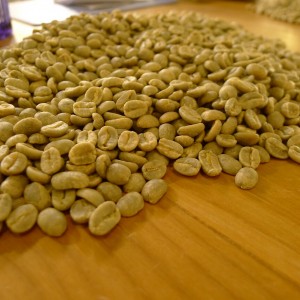
The Federation ensures that all exported Colombian coffee meets strict quality criteria. Only companies holding a license from the National Federation of Coffee Growers can export coffee. This centralized control helps preserve the global reputation of Colombian beans as premium, mild, and reliable. As a result, Colombian coffee is often described as 'green gold'—a nod to both its color and value.
The country’s ability to deliver consistent quality across harvests, thanks to its multiple growing regions and microclimates, makes it a favorite among roasters and importers. Colombian beans are rarely extreme in profile, but they are celebrated for their balance, cleanliness, and drinkability—traits that define the 'Emerald' ideal.
Frequently Asked Questions
What is Colombian Emerald Coffee?
Colombian Emerald Coffee refers to high-quality Colombian single-origin Arabica beans, known for their balanced flavor, bright acidity, and smooth body. The term highlights the premium, gem-like quality attributed to Colombia’s best coffees, especially those grown at high altitudes in regions like Huila.
Why is Colombian coffee called 'Emerald'?
The nickname comes from the green appearance of freshly harvested coffee beans and the high value of Colombian coffee in global markets. It reflects both the color and the precious quality of the beans, which are carefully cultivated for balance and refinement rather than volume.
Where is the best Colombian coffee grown?
The best Colombian coffee is typically grown in the Andean highlands, especially in regions like Huila, Cauca, and Nariño, at elevations between 1,500 and 2,300 meters. These areas offer ideal conditions for slow cherry maturation, leading to complex and balanced flavors.
What does Colombian coffee taste like?
High-quality Colombian coffee usually has a medium body, bright but smooth acidity, and flavors of nuts, chocolate, caramel, and sometimes fruits or flowers. It’s known for being approachable, balanced, and easy to drink, often described as 'clean' or 'mild.'
How is Colombian coffee different from Brazilian coffee?
Colombian coffee is typically softer, brighter, and more balanced compared to Brazilian coffee, which is often bolder, nuttier, and higher in body. Colombia focuses on washed Arabica grown at high altitudes, while Brazil produces more natural processed beans at lower altitudes, often with a heavier mouthfeel.
What roast level is best for Colombian coffee?
Medium roast is considered ideal for Colombian coffee, as it preserves the origin’s inherent acidity, sweetness, and delicate aromatic notes without overpowering them. Lighter roasts can highlight more brightness, while darker roasts emphasize body but may mute origin character.
Recommended FrontStreet Colombian Coffee Beans
For a true taste of Colombian Emerald Coffee, try FrontStreet’s selection from Huila: a washed Caturra lot with notes of chocolate, hazelnut, and caramel, offering a balanced and smooth cup. Also consider their Sidra and Geisha-inspired beans for more fruit-forward profiles. These beans highlight Colombia’s signature clarity and balance. Freshly roasted within 5 days · Orders placed before 17:00 ship the same day · Next-day delivery across most of Guangdong Province.
FrontStreet Coffee is a long-established specialty coffee roaster in Guangzhou China, selling freshly roasted beans from its own farm in Yunnan as well as dozens of carefully selected single-origin beans from around the world for both pour-over and espresso. The products deliver consistently excellent quality and great value, with shipping within 24 hours. Guangzhou's FrontStreet Coffee shop is recommended by many coffee lovers, and the beans are now available online at the Tmall 。
Important Notice :
前街咖啡 FrontStreet Coffee has moved to new addredd:
FrontStreet Coffee Address: 315,Donghua East Road,GuangZhou
Tel:020 38364473