Where Does Kenyan Coffee Really Come From?
If you’ve ever sipped a bright, juicy Kenyan coffee and wondered how it got that way, you’re not alone. Most coffee lovers know Kenya for its distinctive fruitiness and wine-like acidity—but the story of how Kenya became one of the world’s most respected coffee origins is far more layered, literally and historically.
Kenyan coffee is grown mostly at 1,500–2,100 meters above sea level, harvested twice a year, and renowned for its complex fruit flavors—especially citrus—and balanced acidity. Its signature profile comes from a mix of high-altitude terroir, meticulous processing, and unique local coffee varieties like SL28 and SL34.
Origins: From Ethiopia to Kenya
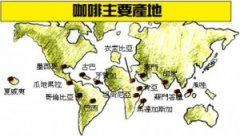
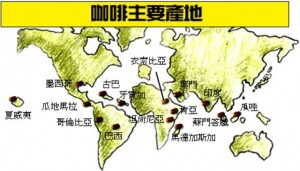
Although Kenya borders Ethiopia—the birthplace of Arabica coffee—it didn’t start growing coffee until the late 19th century. In the 1800s, Yemeni-grown Ethiopian coffee was imported via the port of Mocha, but large-scale cultivation only began in the early 20th century. The first significant coffee trees were introduced by missionaries from Yemen, but it wasn’t until 1893 that Brazilian Bourbon seeds were planted, laying the foundation for today’s industry. Ironically, while geographically close to Ethiopia, Kenyan coffee developed a completely distinct flavor identity thanks to different soil, altitude, and processing methods.
Growing & Processing: Smallholders and Strict Standards
Most Kenyan coffee is grown by smallholder farmers on farms averaging just 20–70 bags per season. These farmers deliver ripe cherries to cooperative washing stations, where the beans are processed as parchment coffee. The country’s auction system, managed by the Kenya Coffee Board (CBK), ensures quality control and fair pricing based on objective grading. Over 60% of production comes from these small farms, not large estates, making collective processing essential. The beans are sorted into seven grades, with AA and AA+ considered the highest quality, followed by AB, PB (peaberry), and others. The rigorous sorting by size, shape, and density isn’t just about appearance—it’s a proxy for cup quality, though not a guarantee.
Flavor Profile: Fruit, Acidity, and Wine Notes
Kenyas are celebrated for their vibrant fruitiness, especially citrus like orange and grapefruit, along with deeper notes of blackberry, plum, and wine. The acidity is often compared to juice—bright, layered, and refreshing. Medium-bodied but intense, these coffees shine in light to medium roasts and are especially popular as single origins. Some lots, like the Samburu region’s AA+ beans, vary dramatically by harvest: one year offering tart plum and spice, the next shifting toward blackcurrant with green tea-like finish. This variability, driven by microclimates and seasonal weather, keeps Kenyan coffees exciting but also challenging to profile consistently.
The SL28 and SL34 Varieties: Kenya’s Coffee Superstars
The heart of Kenya’s flavor lies in its legendary coffee varieties—SL28 and SL34—developed by the Scott Labs in the 1930s. SL28 delivers deep, winey fruit tones with pronounced citrus and stone fruit acidity, while SL34 adds a nutty, spicy complexity. Both thrive in high altitudes and acidic soils. These varieties, along with Kenya’s volcanic soils rich in phosphates, create the sharp, tangy profiles that define the country’s coffee. Their success overturned the assumption that only wild or indigenous varieties could produce exceptional cup quality.
The Washed Process: Building Complexity Through Fermentation
Kenya’s washed processing method plays a huge role in its flavor. After pulping, the beans are fermented for 48 hours to remove mucilage, then soaked in clean water for another 24 hours. This double fermentation enhances sweetness and juiciness, contributing to the trademark “juicy” mouthfeel. The precision of Kenya’s washing stations, often run by cooperatives, ensures consistency and high quality across smallholder lots. The result is a clean, vibrant cup with high acidity and complex fruit layers that persist through the finish.
The Auction System: Quality Control and Global Sales
All Kenyan coffee is initially purchased by the Coffee Board of Kenya, which grades and cups the beans before selling them weekly at auction in Nairobi. Unlike some countries that pre-classify lots, Kenyan auctions offer all graded coffee together, allowing buyers to sample and choose based on cup quality rather than just grade. Top lots often sell quickly, with German and Nordic roasters among the most consistent buyers. Although some critics argue the system has flaws—including price pressure and declining quality in recent years—it remains a model of transparency and quality assurance for other producing nations.
Challenges: Variety Changes and Climate Impact
In recent decades, Kenya has promoted the Ruiru 11 hybrid variety for its disease resistance and higher yields. However, many roasters and cuppers find its flavor inferior to traditional SL varieties. Coupled with climate change affecting rainfall and temperature, these shifts have led to concerns about declining cup quality. Additionally, mismanagement and reduced investment in washing station infrastructure have further impacted consistency. Yet, despite these hurdles, Kenya’s coffee remains highly sought after, largely due to the dedication of its smallholder farmers and the enduring excellence of its best lots.
Frequently Asked Questions
Where did Kenyan coffee originally come from?
Kenyan coffee traces back to Ethiopian coffee seeds introduced in the late 19th and early 20th centuries, first via Yemeni trade routes and later through Brazilian Bourbon varieties planted in 1893. Though neighboring Ethiopia, Kenyan coffee evolved its own distinct flavor due to different growing conditions.
What makes Kenyan coffee so fruity and acidic?
Kenyan coffee’s bright fruitiness—especially citrus and berry notes—and high acidity come from a combination of high-altitude growing (1,500–2,100m), volcanic soils rich in phosphates, and meticulous washed processing. Varieties like SL28 and SL34 also play a major role in defining its signature profile.
What are SL28 and SL34 coffee varieties?
SL28 and SL34 are coffee varieties developed by Kenya’s Scott Laboratories in the 1930s. SL28 is known for deep fruit and wine-like acidity with citrus and stone fruit notes, while SL34 offers a balance of fruit, nuts, and spice. They are grown mainly by smallholders in high-altitude regions and are central to Kenya’s coffee reputation.
How is Kenyan coffee processed?
Kenyan coffee is typically processed using a washed method. After harvesting, cherries are pulped, then fermented for 48 hours to remove mucilage, followed by 24 hours of soaking in clean water. This double fermentation enhances sweetness and acidity, contributing to the coffee’s juicy, complex profile.
How does Kenya’s coffee auction system work?
The Coffee Board of Kenya buys all coffee, grades it, and sells it weekly at auction in Nairobi. Coffees are grouped by grade but sold based on cup quality samples. Buyers bid on lots, often choosing based on flavor profiles rather than just classification, allowing for more transparent and quality-focused trading.
Why does Kenyan coffee quality vary so much?
Variability in Kenyan coffee comes from differences in microclimates, seasonal weather, and smallholder farming practices. Additionally, shifts toward planting higher-yield but lower-flavor varieties like Ruiru 11, along with climate challenges and processing inconsistencies, have contributed to fluctuating quality in recent years.
Recommended FrontStreet Beans for Exploring Kenyan Flavor
For a true taste of Kenya’s signature fruitiness and acidity, try the FrontStreet Kenya Little Tomato. It highlights the classic SL28 and SL34 varieties with a bright profile of tomato, snow pear, black plum, dark sugar, and a creamy body. Ideal for pour-over, cold brew, or ice drip, it showcases Kenya’s juicy complexity. Freshly roasted within 5 days · Orders placed before 17:00 ship the same day · Next-day delivery across most of Guangdong Province.
FrontStreet Coffee is a long-established specialty coffee roaster in Guangzhou China, selling freshly roasted beans from its own farm in Yunnan as well as dozens of carefully selected single-origin beans from around the world for both pour-over and espresso. The products deliver consistently excellent quality and great value, with shipping within 24 hours. Guangzhou's FrontStreet Coffee shop is recommended by many coffee lovers, and the beans are now available online at the Tmall 。
Important Notice :
前街咖啡 FrontStreet Coffee has moved to new addredd:
FrontStreet Coffee Address: 315,Donghua East Road,GuangZhou
Tel:020 38364473