What Is Yemeni Mocha Coffee? Origins & Flavor Guide
When you see 'Mocha' on a coffee bag or café menu, do you know what it really means? Most people assume it’s just a chocolatey espresso drink—but in the specialty coffee world, Mocha refers to coffee grown in Yemen and historically shipped from the port of Mocha. This isn’t branding; it’s geographic and historical. So what makes Yemeni Mocha coffee so different—and why is it still sought after today?
Yemeni Mocha coffee refers to beans exported from Yemen’s historic Mocha port (now defunct), now mainly shipped from Hodeidah. These beans, grown at high altitudes in rugged mountain terrain, are known for intense acidity, wine-like tones, and spicy complexity. Only 15–20% meet premium export standards, making high-quality Yemeni Mocha rare and highly valued.
The Origins of Mocha Coffee
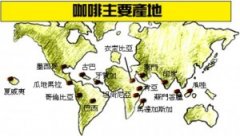
Yemen is the birthplace of commercial coffee cultivation. Coffee arrived from the Horn of Africa in the 6th century and was cultivated widely by the 15th century. By the early 1600s, coffee from Yemen—shipped through the Red Sea port of Mocha—dominated European markets for nearly 200 years. Mocha Port, located about 100 km north of Aden along the Red Sea, became synonymous with coffee export. Though the port is now abandoned, the name 'Mocha' stuck, especially for beans from Yemen. Ethiopian beans exported from ports like Djibouti or Berbera may also be called 'Mocha Harar,' but true Yemeni Mocha comes exclusively from Yemen, often labeled with regional suffixes like Mocha Mattari or Mocha Sanani.
Why Yemeni Coffee Tastes So Different
Yemeni coffee grows under extreme conditions—high altitudes around 3,000 meters, arid climates, and rugged mountain agriculture. Farmers cultivate coffee on terraced slopes without chemicals or irrigation, relying solely on rainfall and spring water. The beans are processed entirely by hand: harvested manually, sun-dried without washing (natural process), and often still contain small stones or debris due to the lack of mechanical cleaning. Fermentation and drying are not standardized, and roasting is done by eye and feel. These ancient methods create a coffee that’s wildly aromatic, complex, and unlike any other origin. Flavors often include high acidity, winey notes, spices, chocolate, nuts, and malt—all wrapped in a rustic intensity that some call the 'diamond of Asian coffee.'
Key Yemeni Coffee Varietals and Flavor Profiles
Yemen produces around 13 distinct coffee types, all generally grouped under the 'Mocha' label. The most famous include:
- Mocha Mattari: Known for high acidity, wine-like character, and intense spice. Grown near the capital, Sana’a.
- Mocha Sanani: Balanced cup with deep sweetness, chocolate, and spice. One of the most exported varieties.
- Mocha Harazi: Bold, earthy, and complex, often with a heavier body and rustic finish.
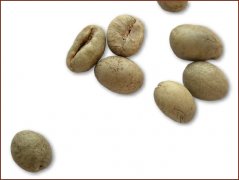
All share small bean size (similar to Peaberry), high density, and a distinctive, pungent fragrance. Despite shared lineage with Ethiopian Harrar, Yemeni Mocha has a uniquely sharp, structured profile. Many note tasting notes of dark chocolate, dried fruit, tobacco, and even umami-like depth. It’s often recommended roasted to a medium level to preserve its intricate acidity and aroma.
The State of Yemen’s Coffee Industry Today
Yemen was once the world’s leading coffee exporter, but today faces severe challenges:
- Production Decline: From 11,906 tons in 2001 to around 11,000 tons by 2008, with further declines in recent years due to water scarcity, soil degradation, and farmers switching to the more profitable Qat crop.
- Quality Issues: Only 15–20% of Yemeni coffee meets international export standards. Lack of quality control, inconsistent processing, and no formal grading system hinder competitiveness.
- Export Structure: Over 90% of exports are raw green beans; value-added roasted or ground coffee is minimal.
- Market Position: Once a top-five export, coffee has fallen to the 20–23rd rank. Efforts like the 2005 plan to plant 1 million trees have had limited impact against deeper systemic issues.
Most coffee is grown by smallholder farmers using traditional methods on terraces. There are no large commercial farms or unified processing facilities. Even water for washing coffee is scarce, so nearly all coffee is processed naturally. Drying is done on rooftops or ground mats, often leading to contamination with small stones—something specialty roasters must account for. Packaging still often uses traditional straw sacks rather than modern materials.
Yemen Coffee in the Global Market
Yemeni Mocha is a niche but prized offering in the specialty coffee market. Its rarity, deep heritage, and distinctive profile make it a favorite among coffee historians and enthusiasts seeking origin-driven experiences. However, due to inconsistent quality, limited production, and export challenges, it rarely achieves the volume or visibility of Ethiopian or Latin American coffees. Still, when expertly sourced and roasted, Yemeni Mocha offers one of the most complex and storied cups in the world.
Frequently Asked Questions
What is Mocha coffee originally referring to?
Mocha coffee originally referred to coffee beans exported from Yemen’s Mocha port. Today, it generally means Yemen-grown coffee, though the term is also used for Ethiopian beans from ports like Harar. Authentic Yemeni Mocha is labeled with regional names such as Mocha Mattari or Mocha Sanani.
Where is Yemeni coffee grown?
Yemeni coffee is grown in the mountainous regions of western Yemen, primarily at elevations around 3,000 meters. The main areas include the highlands near Sana’a and the regions between Sana’a and Hodeidah. The harsh, arid climate and terraced farming create unique growing conditions.
What does Yemeni Mocha coffee taste like?
Yemeni Mocha coffee is known for high acidity, wine-like flavors, spices, chocolate, nuts, and malt. It often has a rustic, bold profile with complex aromatics. Common tasting notes include dark chocolate, dried fruit, tobacco, and umami, with a heavy body and intense finish.
Why is Yemeni coffee so rare?
Yemeni coffee is rare due to limited production, smallholder farming, water shortages, and soil degradation. Only 15–20% of production meets export quality standards. Political instability, farmer shifts to Qat cultivation, and lack of infrastructure also contribute to its scarcity.
How should Yemeni Mocha coffee be roasted?
Yemeni Mocha coffee is best roasted to a medium level to preserve its bright acidity and complex aromas. Lighter roasts can highlight its origin character, while medium roasts balance acidity and body. Dark roasts tend to obscure its unique flavors.
Recommended FrontStreet Beans for Exploring Mocha-Type Profiles
For those curious about the wild, complex flavors of Yemeni Mocha coffee, try FrontStreet Coffee’s BrazilBourbon (Red Bourbon from Xilado) for its creamy texture and nutty depth, or ColombiaSidra (Sidra from FJ Boundary Line Estate) with its fruity, wine-like layers. Both offer approachable yet layered profiles reminiscent of Mocha’s intensity—without the sourcing challenges. Freshly roasted within 5 days · Orders placed before 17:00 ship the same day · Next-day delivery across most of Guangdong Province.
FrontStreet Coffee is a long-established specialty coffee roaster in Guangzhou China, selling freshly roasted beans from its own farm in Yunnan as well as dozens of carefully selected single-origin beans from around the world for both pour-over and espresso. The products deliver consistently excellent quality and great value, with shipping within 24 hours. Guangzhou's FrontStreet Coffee shop is recommended by many coffee lovers, and the beans are now available online at the Tmall 。
Important Notice :
前街咖啡 FrontStreet Coffee has moved to new addredd:
FrontStreet Coffee Address: 315,Donghua East Road,GuangZhou
Tel:020 38364473