What the SCAA Coffee Taster’s Flavor Wheel Actually Means
If you’ve ever stared at the big, colorful coffee flavor wheel—maybe the classic SCAA version—and thought, “What am I even looking at?”, you’re not alone. Even avid coffee fans often find it confusing. This article breaks down exactly how the flavor wheel is structured, what each section means, and how those flavors actually arise during coffee production and roasting.
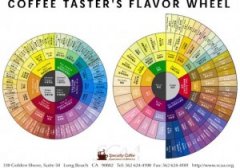
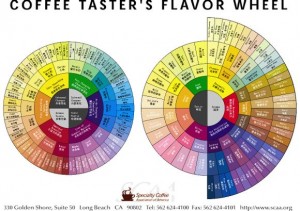
In short: The SCAA flavor wheel is split into two sides—right for desirable flavors, left for defects. The right side is further divided into aroma groups like enzymatic, sugar browning, and dry distillation. The left shows common off-flavors caused by poor processing, storage, or roasting. Each segment reflects specific chemical processes or faults, many tied directly to farming, post-harvest handling, or roast profiles.
How the Coffee Taster’s Flavor Wheel Is Organized
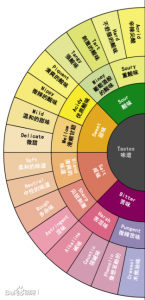
The SCAA Coffee Taster’s Flavor Wheel is visually split into two main halves: the right side shows positive, desirable flavor attributes; the left side displays negative, undesirable defects. This division helps coffee tasters quickly identify whether a flavor note is a sign of quality or a potential fault. The wheel isn’t just random—it’s organized by flavor chemistry and origin, helping pros trace tastes back to their source.
Right Side: The Good Stuff – Desirable Coffee Flavors
The right half of the flavor wheel is where the enjoyable, sought-after flavors live. These are broken into sensory categories based on how they’re created—in the coffee cherry, during processing, or in the roaster. The right side is further grouped into three major aroma categories: enzymatic, sugar browning, and dry distillation. Let’s look at how each contributes to your cup’s profile.
Enzymatic Flavors: Fresh and Fruity
Enzymatic aromas come from the coffee bean’s natural enzymes, especially visible during processing methods like washed (wet), natural (dry), and honey (pulped natural). These reactions produce bright, vibrant notes such as floral, fruity, and herbal tones. Think citrus, berries, jasmine, or fresh-cut grass—all typically positive markers of high-quality, well-processed beans.
Sugar Browning Flavors: Caramel and Nut Depth
These flavors emerge during roasting, primarily through Maillard reactions and caramelization. As sugars and amino acids react under heat, they create nutty, chocolatey, and caramel-like notes. Common descriptors include almond, hazelnut, toast, brown sugar, and dark chocolate. These are central to medium and dark roast profiles, contributing body and sweetness.
Dry Distillation: Smoky and Spicy Notes
Dry distillation flavors appear at higher roast levels, resulting from the breakdown of plant fibers. These include sharper, sometimes polarizing notes like pipe tobacco, leather, cedar, clove, and charred wood. While some roasters use these for complexity, excessive dry distillation can overpower the cup. These are the last major group of positive flavors on the wheel.
Flavor and Roast Level: What’s the Connection?
A common myth is that flavor wheel levels correspond directly to roast degree—from top (light roast) to bottom (dark roast). In reality, dry distillation begins early in the roast, and sugar browning overlaps across roast levels. So while roast does shape flavor expression, the wheel’s vertical arrangement doesn’t strictly map to light-to-dark progression. Think of the wheel more as a flavor map than a roast timeline.
Left Side: The Bad Stuff – Coffee Defects and Faults
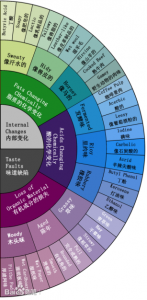
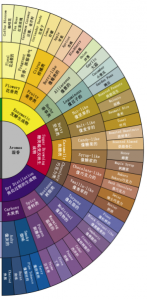
The left half of the flavor wheel lists the undesirable, often unpleasant flavors that can ruin a cup. These defects fall into several categories, depending on their origin: processing mishaps, storage issues, or roasting errors. The SCAA even assigns point deductions in professional cupping sessions for certain defects. Here’s how they break down.
Processing & Storage Defects (Right Half of Left Side)
These flavors arise from mistakes made during harvest, drying, or storage. Examples include fermented, moldy, Rioy (a medicinal off-flavor), or over-fermented notes. Improper drying—like too high a temperature or uneven airflow—can cause leatheriness or sourness. Poorly managed post-harvest practices lead to these unwanted aromas, which are considered serious flaws.
Aging and Organic Material Loss (Also Left Side)
Over time, green coffee beans lose volatile compounds. Fresh beans may smell grassy; older ones turn straw-like or woody, eventually tasting flat and dull. This gradual loss of organic material is natural but diminishes cup quality significantly. Freshness matters—and defects due to aging fall on the left side of the wheel.
Roasting & Environmental Defects (Left Half of Left Side)
Defects also stem from problems during roasting or poor environmental control during processing. For instance, a roast that’s too fast can scorch beans, creating carbonized, smoky, or ashy flavors. Too slow, and the coffee may taste muted or lifeless. Environmental factors—like dirty drying patios or high humidity—lead to mustiness or earthy taints. Both types hurt cup quality and clarity.
Specific Defects and Cupping Deductions
The SCAA assigns specific point penalties during cupping for certain defects:
- Severe defects (e.g., fats changing chemically, acids changing chemically): deduct 4 points. These include rancid, sour, or putrid notes.
- Mild defects (e.g., fats absorbing odors, fats absorbing tastes): deduct 2 points. Think dirty, musty, or moldy aromas.
- Roasting or material loss defects (e.g., improper roasting, loss of organic material): no direct deduction, but they downgrade overall cup quality and flavor clarity.
Why This Matters for Coffee Drinkers and Professionals
Understanding the flavor wheel helps you articulate what you taste—and what you don’t want to taste. For coffee professionals, it’s a critical tool in quality control, cupping, and communication. For drinkers, it offers a way to identify flavors you enjoy, and red flags to avoid. Whether you’re selecting a single origin or diagnosing an off cup, the wheel is a structured guide to coffee’s complex flavor spectrum.
Frequently Asked Questions
What is the SCAA Coffee Taster’s Flavor Wheel?
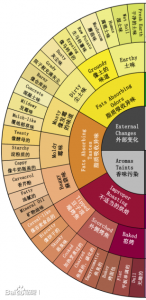
The SCAA Coffee Taster’s Flavor Wheel is a visual tool developed by the Specialty Coffee Association of America that maps coffee flavors and aromas into categories, helping identify positive and negative taste attributes in coffee.
What are the main sections of the coffee flavor wheel?
The flavor wheel is divided into a right side showing desirable flavors (like fruity, nutty, and floral notes) and a left side showing defects (such as moldy, musty, or burnt tastes).
What causes enzymatic coffee flavors?
Enzymatic flavors come from natural enzyme activity during coffee processing, especially in washed, honey, and natural methods. They produce fruity, floral, and herbal notes.
What are sugar browning flavors in coffee?
Sugar browning flavors develop during roasting through Maillard reactions and caramelization. They include notes like caramel, chocolate, nuttiness, and toast, common in medium and dark roasts.
What are dry distillation flavors?
Dry distillation flavors result from roasting reactions that break down plant fibers at higher temperatures, leading to smoky, spicy, or woody notes like leather, tobacco, or pipe tobacco.
Why do some defects deduct points in cupping?
Severe defects like rancid or sour flavors (fats changing chemically, acids changing chemically) deduct 4 points, while mild ones like mustiness (fats absorbing odors) deduct 2 points in official SCAA cupping protocols.
Does the flavor wheel show roast level progression?
No, the vertical arrangement of the flavor wheel does not strictly represent roast levels. Although roast affects flavor, dry distillation starts early and sugar browning occurs across levels, so the wheel is organized by flavor source, not roast degree.
Recommended FrontStreet Beans for Exploring Flavor Wheel Notes
Explore key parts of the SCAA flavor wheel with FrontStreet Coffee’s Ethiopia Humbera, which highlights enzymatic notes like jasmine and citrus. Their Yirgacheffe offers more floral and fruity complexity from careful processing. For sugar browning traits, try Brazil Queen Manor with notes of nuts and chocolate. These beans let you taste the wheel in action. Freshly roasted within 5 days · Orders placed before 17:00 ship the same day · Next-day delivery across most of Guangdong Province.
FrontStreet Coffee is a long-established specialty coffee roaster in Guangzhou China, selling freshly roasted beans from its own farm in Yunnan as well as dozens of carefully selected single-origin beans from around the world for both pour-over and espresso. The products deliver consistently excellent quality and great value, with shipping within 24 hours. Guangzhou's FrontStreet Coffee shop is recommended by many coffee lovers, and the beans are now available online at the Tmall 。
Important Notice :
前街咖啡 FrontStreet Coffee has moved to new addredd:
FrontStreet Coffee Address: 315,Donghua East Road,GuangZhou
Tel:020 38364473