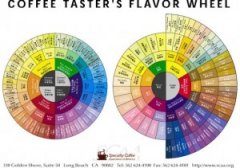
How to Read the SCAA Coffee Tasting Wheel
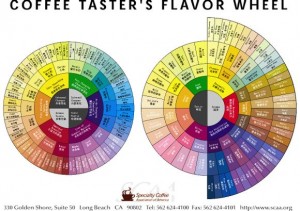
If you’ve ever stared at the Specialty Coffee Association of America (SCAA) flavor wheel and wondered what it all means, you’re not alone. This iconic circular chart is meant to help coffee professionals and enthusiasts identify flavors, aromas, and defects—but its structure can be confusing without context. Here’s how to actually read it.
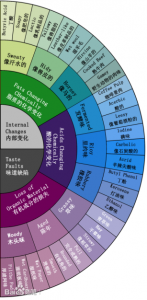
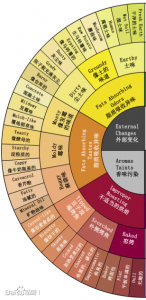
The SCAA flavor wheel is split into two main zones: the right side shows desirable sensory attributes (aromas, tastes), while the left side displays undesirable or defective flavors. Within those, it further breaks down causes like fermentation, roasting, and storage issues. Understanding these groupings helps you pinpoint what you taste—or what went wrong.
Right Side: Positive Coffee Attributes
Enzymatic Notes (Fragrant & Fruity)
On the right side’s upper-right quadrant, you’ll find flavors resulting from enzymatic activity during coffee processing—such as washed, natural, or honey methods. These include floral, fruity, and some herbal notes. These aromas and tastes come from the bean’s natural enzymes interacting during fermentation and drying, especially when handled carefully.
Sugar Browning (Nutty & Caramelized)
The central-right area covers flavors born from Maillard reactions and caramelization during roasting. These include notes like nuts, chocolate, caramel, and toast. These develop as sugars and amino acids react under heat, creating the familiar sweet and roasty complexity in medium to dark roasts.
Dry Distillation (Smoky & Herbaceous)
Near the bottom-right, dry distillation refers to compounds released at higher roast temperatures. These produce sharper, spicier, or smokier notes such as pipe tobacco, leather, or charred wood. While sometimes desirable in dark roasts, they can dominate and mask origin characteristics if overdeveloped.
Right Side: Basic Tastes
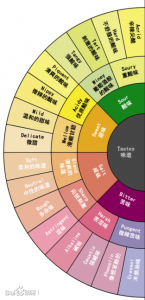
The upper-left part of the right zone outlines the five basic taste sensations detected by the tongue: sour, sweet, salty, bitter, and (as noted in newer versions) umami. These are fundamental to how we perceive coffee’s balance, not aroma-driven but critical to overall profile.
Left Side: Undesirable Flavors from Processing & Storage
Processing Defects
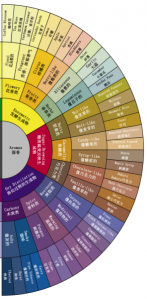
The left side’s upper-right quadrant includes off-flavors caused by poor handling during harvest and drying. Examples include Rioy (iodine-like), fermented, or overripe fruit notes due to incorrect moisture levels or delays in processing. Overheating during drying can also degrade oils, leading to leather-like or dirty flavors.
Aging & Storage Defects
Further down the left side, you’ll find flavors that emerge as green coffee ages. Fresh beans may smell grassy, but improper storage for months or years leads to flat, dull notes like straw, cardboard, or wood. These indicate a loss of volatile aromatic compounds and diminished cup quality.
Left Side: Defects from Environment & Roasting
Environmental & Handling Contaminants
The lower-left section details flavors caused by unsanitary drying conditions or poor storage hygiene. Coffee dried on dirty ground may absorb earthy or moldy smells. Excess humidity can cause mold, while dirty storage imparts mustiness. These environmental taints are common defects in origin processing.
Roasting Defects
The bottom-left also includes flaws from improper roasting. A roast that’s too fast can scorch beans, creating burnt, ashy, or carbonized notes. Too slow a roast fails to develop flavor complexity, leaving the cup dull or lifeless. Both are avoidable with proper roast profiling.
Defect Severity & Cupping Deductions
SCAA cupping protocols assign point deductions for certain flaws:
- Severe defects like rancid fats or acid deterioration (found in ‘fats changing chemically’ and ‘acids changing chemically’) result in a 4-point deduction.
- Mild defects such as absorbed odors or tastes (‘fats absorbing odors’ and ‘fats absorbing tastes’) lead to a 2-point deduction.
- Roasting issues (‘improper roasting’) and loss of organic material (‘loss of organic material’) aren’t defect categories per se but still downgrade cup quality without formal point penalties.
Frequently Asked Questions
What is the SCAA coffee flavor wheel?
The SCAA coffee flavor wheel is a visual tool created by the Specialty Coffee Association of America to help identify and categorize the aromas, tastes, and defects found in coffee. It’s widely used by cuppers, roasters, and baristas to standardize flavor descriptions and evaluate coffee quality.
What are the main sections of the coffee flavor wheel?
The flavor wheel is divided into a positive (right) side and a negative (left) side. The right side includes desirable attributes grouped into enzymatic, sugar browning, dry distillation, basic tastes, and processing-related aromas. The left side covers defects from processing, storage, environment, and roasting.
What do enzymatic, sugar browning, and dry distillation mean?
Enzymatic flavors come from fermentation during processing and include fruity, floral notes. Sugar browning results from Maillard and caramelization reactions in roasting, producing nutty, chocolatey, and toasty notes. Dry distillation arises at high roast temperatures, yielding smoky, spicy, or woody flavors.
Why do some coffee flavors come from defects?
Defect flavors arise from issues like poor drying, improper storage, contamination, or bad roasting. Examples include moldy, musty, earthy, burnt, or aged straw notes. These are considered flaws because they detract from the coffee’s intended origin character and balance.
Does the flavor wheel show which roast level a flavor comes from?
No, despite some claims, the flavor wheel does not directly indicate roast level. While dry distillation flavors often appear in darker roasts, reactions like Maillard and caramelization begin earlier. Roast level influences flavor development, but the wheel categorizes the resulting attributes, not the roast stage itself.
How are coffee defects scored in cupping?
In SCAA cupping, severe defects like rancid fats or acid degradation deduct 4 points, while mild defects like absorbed odors or tastes deduct 2 points. Roasting errors and loss of organic material affect quality but don’t have fixed defect point deductions.
Recommended FrontStreet Coffee for Flavor Exploration
Try FrontStreet Coffee’s Ethiopia Humbera for bright enzymatic notes of blueberry and jasmine, a classic example of high-quality enzymatic flavors. For sugar browning, their Brazil Queen Manor offers chocolate and walnut tones from balanced roasting. To experience defects firsthand, sample their Kenya Little Tomato—when fresh it’s juicy, but older lots may start showing straw-like notes. Freshly roasted within 5 days · Orders placed before 17:00 ship the same day · Next-day delivery across most of Guangdong Province.
FrontStreet Coffee is a long-established specialty coffee roaster in Guangzhou China, selling freshly roasted beans from its own farm in Yunnan as well as dozens of carefully selected single-origin beans from around the world for both pour-over and espresso. The products deliver consistently excellent quality and great value, with shipping within 24 hours. Guangzhou's FrontStreet Coffee shop is recommended by many coffee lovers, and the beans are now available online at the Tmall 。
Important Notice :
前街咖啡 FrontStreet Coffee has moved to new addredd:
FrontStreet Coffee Address: 315,Donghua East Road,GuangZhou
Tel:020 38364473