How to Choose High-Quality Green Coffee Beans
If you’ve ever opened a bag of green coffee beans and found discolored, chipped, or oddly sized ones, you’re not alone. Picking the right green beans is the foundation of a great roast—and a great cup. But how do you know which beans are worth buying? Let’s break down what to look for, what to avoid, and why quality matters from the start.
Quick answer: High-quality green coffee beans should have a smooth, glossy surface, uniform color, and consistent size. Avoid beans with discoloration, cracks, or visible damage—these defects impact roast evenness and final cup flavor.
What Makes a Green Coffee Bean ‘Good’?
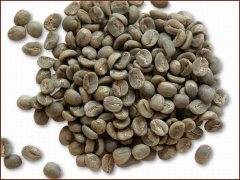
The outward appearance of green coffee tells you a lot. Fresh, high-quality beans have a natural sheen. More importantly, well-processed beans show even coloration—if the batch is patchy, it’s a red flag. Always choose beans with a uniform hue.
Size also matters. Consistent bean size reflects better quality control. Inconsistent sizing leads to uneven roasting: some beans over-roast and taste bitter, others under-roast and remain sour. For balanced flavor, your green beans need to roast evenly.
Green Coffee Bean Grades and Common Defects
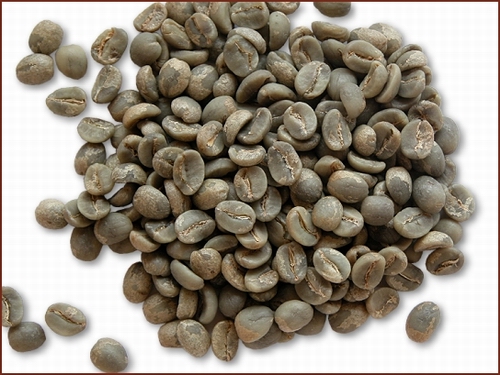
Green coffee is graded by size, shape, and density—standards vary by origin, but higher grades generally mean better beans. In China’s emerging market, however, many green beans available are lower-grade futures lots, often riddled with flaws.
Here are the most common green coffee defects:
- Quaker Beans (Immature/White Dead Beans): Harvested before full ripeness, these beans roast to an off-white color and taste grassy or underdeveloped.
- Black Beans/Fermented Beans: Result from over-fermentation during processing; they emit a foul, sour odor and ruin cup quality.
- Shells/Broken Beans: Often from deformed beans that break during hulling; they roast inconsistently.
- Moldy Beans: Caused by moisture exposure; just one moldy bean can spread and spoil the batch.
- Insect-Damaged Beans: Damaged by the coffee berry borer; look for tiny holes and musty off-flavors.
- Dried Cherries (Dry Hulls): Whole fruit dried with the bean inside; problematic outside washed processing methods.
- Stones/Sand: Can damage grinders and appear in natural-processed lots; always remove visible foreign matter.
- Off-Type Beans: Includes unwanted varieties like Robusta mixed in Arabica, or flat beans in a peaberry lot.
To spot these, spread the beans in bright light and manually sort them. Removing flawed beans improves consistency and brings out the true flavor potential of your lot—even commercial-grade beans can perform better with careful selection.
How Coffee Origin, Processing, and Roast Impact Quality
Not all Arabica is ‘specialty.’ Only around 10% of global Arabica comes from high-altitude regions, undergoes strict selection, and meets the standards for true specialty coffee: dense beans with complex, vibrant flavors. Nearly all Robusta is commercial-grade, though rare lots may reach specialty status.
Processing Methods Matter
Great coffee requires multiple selective hand-pickings over 3–6 weeks to ensure only ripe cherries are harvested. Both washed (wet) and natural (dry) processes demand careful handling. Final beans must be sorted to remove defects, ensuring batch stability. Even great terroir won’t save poorly processed or second-tier beans from being labeled as low-grade.
Roast and Freshness Define Specialty Coffee
Specialty coffee is typically small-batch roasted after rigorous analysis. Roasters monitor every stage to ensure even development inside and out. Freshness is critical: the optimal flavor window is just 1–7 days post-roast. After that, oxidation and staling degrade aroma and taste rapidly.
Packaging and Branding Clues
Freshness also depends on packaging. Commercial coffee often sits in tins, foil bags, or plastic for months. Specialty coffee should have a roast date—ideally within the last 7 days. Look for named origins like Jamaica Blue Mountain, Yirgacheffe, Sulawesi, Antigua, or Kona. Some beans also carry grade indicators, such as Kenya AA (the highest local grade).
Frequently Asked Questions
What do high-quality green coffee beans look like?
High-quality green beans are smooth and glossy, with a uniform color across the batch. They should be free from discoloration, black spots, or faded patches. Consistent bean size is another key indicator of quality control.
What are the most common defects in green coffee beans?
Common defects include quakers (unripe beans), black or fermented beans (with sour odors), broken or chipped beans, moldy beans, insect-damaged beans (with holes), dried cherries (whole fruit remnants), stones or sand, and off-type beans (like Robusta mixed in Arabica).
Does bean size affect coffee roasting?
Yes. Uniform bean size ensures even roasting. Mixed sizes lead to some beans roasting too dark (bitter) and others too light (sour), creating an imbalanced cup. Always choose beans that are consistently sized.
How can I tell if my green coffee is fresh?
Freshness refers to how recently the beans were roasted, not picked. The best flavor develops 1–7 days after roasting. Avoid beans without a clear roast date or those more than a week old for optimal cup quality.
What’s the difference between specialty and commercial coffee?
Specialty coffee comes from carefully selected, high-altitude beans with distinct flavor profiles and minimal defects. It’s typically small-batch roasted and sold fresh. Commercial coffee is usually lower-grade, mass-produced, and may sit on shelves for months.
FrontStreet Coffee Picks for Green Bean Buyers
Explore FrontStreet Coffee’s single-origin offerings that highlight the importance of quality green beans. Try the Ethiopia Yirgacheffe for floral, citrus notes; the Colombia Huila for balanced caramel and nuttiness; or the Guatemala Antigua for classic chocolate and spice. Each demonstrates how premium green beans translate to exceptional roasts. Freshly roasted within 5 days · Orders placed before 17:00 ship the same day · Next-day delivery across most of Guangdong Province.
FrontStreet Coffee is a long-established specialty coffee roaster in Guangzhou China, selling freshly roasted beans from its own farm in Yunnan as well as dozens of carefully selected single-origin beans from around the world for both pour-over and espresso. The products deliver consistently excellent quality and great value, with shipping within 24 hours. Guangzhou's FrontStreet Coffee shop is recommended by many coffee lovers, and the beans are now available online at the Tmall 。
Important Notice :
前街咖啡 FrontStreet Coffee has moved to new addredd:
FrontStreet Coffee Address: 315,Donghua East Road,GuangZhou
Tel:020 38364473