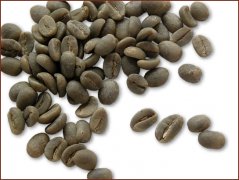
What Are Brazilian Arabica Coffee Beans?
When you’re looking for a reliable coffee bean that’s easy to brew, affordable, and versatile enough for both espresso and filter methods, Brazilian Arabica beans often come up. But what exactly makes them different from other origins? Why do so many roasters include them in blends—and why do some single-origin enthusiasts seek them out specifically?
Brazilian Arabica beans are known for their low acidity, creamy body, heavy nuttiness, and chocolatey sweetness. They’re grown primarily at lower altitudes on large, flat plantations using sun-grown methods and mechanical harvesting. These factors contribute to their consistent profile, making them ideal for both espresso and pour-over brewing.
What Are Brazilian Arabica Coffee Beans?
Brazil is the world’s largest coffee producer, and the majority of its output is Arabica. Unlike high-altitude, microclimate-dependent regions such as Ethiopia or Kenya, much of Brazil’s coffee is grown on flat terrain at relatively low elevations. To adapt, Brazilian coffee growers have developed sun-tolerant, high-yield Arabica varieties that don’t require shade or steep slopes. These beans are typically cultivated in open fields, harvested mechanically, and processed using cost-efficient methods like semi-washed (pulped natural) processing.
The result is a coffee that’s known for its smooth, approachable profile: low acidity, medium body, and prominent notes of nuts, chocolate, and toast. These characteristics make Brazilian beans a staple in both commercial and specialty coffee markets.
Flavor Profile and Processing Methods
Brazilian Arabica beans are celebrated for their balance rather than brightness. Typical flavor notes include:
- Nutty tones (toast, almond, peanut)
- Chocolatey sweetness
- Caramel or brown sugar undertones
- Light fruitiness in higher-elevation lots
- Low acidity with a smooth, velvety mouthfeel
Most Brazilian coffee is processed using the pulped natural or semi-washed method, which involves removing the coffee cherry skin but leaving some or all of the mucilage on the parchment during drying. This technique enhances sweetness and body while keeping the acidity subdued. The dry climate in many Brazilian growing regions is ideal for this method, reducing the risk of over-fermentation and ensuring a clean, stable cup.
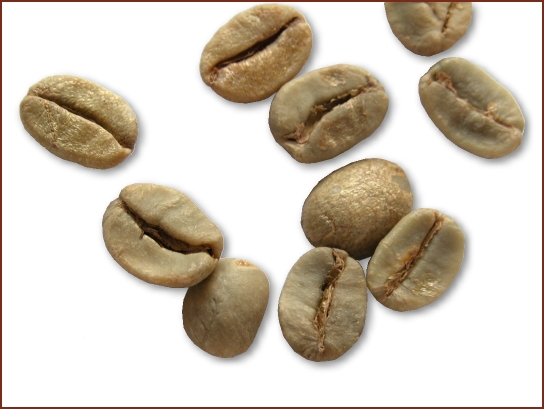
Why Brazilian Beans Are Common in Blends
Brazilian beans are a foundational component in many espresso blends worldwide. Their inherent sweetness, creamy texture, and lack of overpowering acidity provide a solid base that highlights other beans’ characteristics without clashing. For example, Brazilian beans are often blended with brighter African or floral Latin American coffees to create contrast and balance in the cup.
Roasters value Brazilian beans for their consistency, affordability, and ability to produce a rich crema in espresso. Their medium roast potential also lends itself well to milk-based drinks like lattes and cappuccinos, where body and sweetness are essential.
Single-Origin Brazilian Coffee: When It Shines
While Brazilian beans are usually known for their role in blends, single-origin Brazilian coffees can be surprisingly nuanced—especially those from higher-altitude regions. The Brazil Queen Manor microlot from the Minas Gerais region’s Mogiana zone is a prime example. Grown at higher elevations and crafted from the rare Yellow Bourbon variety, this coffee is medium to dark roasted to bring out its full potential.
Expect flavors of creamy milk chocolate, roasted peanuts, baked bread, and toasted almonds. The cup is clean, low in acid, and finishes with a long, sweet aftertaste. It performs excellently across multiple brew methods: pour-over, French press, AeroPress, moka pot, drip machine, and home espresso setups. In short, it’s a highly versatile single-origin option.
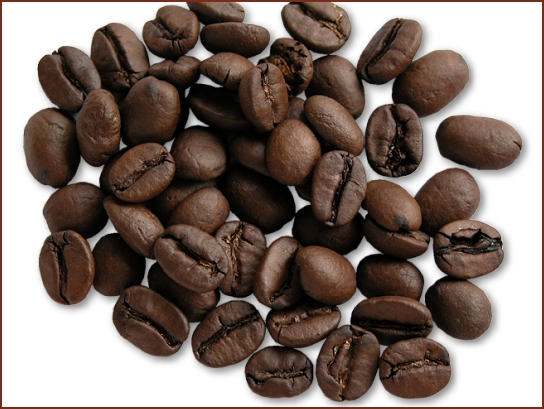
Brazilian Beans in Specialty Blends
At specialty roasters like FrontStreet Coffee, Brazilian beans play a starring role in several espresso blends. For instance, the Black Cocoa Blend features a high percentage of Brazilian beans, giving it a smooth, rounded body and a sweet, creamy mouthfeel. The addition of Yunnan Arabica introduces bright notes of ripe plum acidity, balanced by the overall chocolatey richness. This blend shines in milk drinks and classic espresso preparations.
Brazilian beans are also a key component in four of FrontStreet’s espresso blends, underscoring their importance in crafting balanced, crowd-pleasing shots. Whether you’re pulling a shot for a cappuccino or crafting a custom filter brew, Brazilian coffee brings dependability and depth.
Addressing Common Criticisms
Some coffee enthusiasts find Brazilian beans too plain or lacking in standout features. While it’s true that their mild acidity and balanced nature won’t wow you with exotic fruit bombs, that’s not their goal. Their strength lies in consistency, approachability, and versatility. For those seeking more vibrant single-origin Brazilian profiles, high-elevation lots like those from Mogiana offer greater complexity without sacrificing the signature Brazilian smoothness.
Frequently Asked Questions
Are Brazilian coffee beans Arabica or Robusta?
Brazil produces both Arabica and Robusta, but the majority of its exported coffee is high-quality Arabica. Most Brazilian coffee discussed in specialty contexts refers to Arabica beans, which are known for their mild flavor, low acidity, and nutty-chocolate profiles.
What does Brazilian coffee taste like?
Brazilian coffee typically tastes low in acidity with a smooth, creamy mouthfeel. Common flavor notes include nuts (like peanut or almond), chocolate, caramel, toast, and bread. Higher-altitude Brazilian beans may show more fruitiness or floral hints, but the profile remains balanced and approachable.
Why are Brazilian beans used in so many espresso blends?
Brazilian beans are used in espresso blends because they add sweetness, body, and a smooth crema. Their low acidity and creamy texture provide a solid foundation that complements brighter or more acidic beans without overwhelming them. They’re also affordable and consistent, making them ideal for large-scale blending.
Can I use Brazilian beans for pour-over?
Yes, Brazilian beans work very well for pour-over brewing. Their balanced flavor, medium body, and lack of overpowering acidity make them suitable for methods like V60, Kalita Wave, or Chemex. A medium grind and moderate water temperature (around 93°C) bring out their nutty and chocolatey notes effectively.
What’s special about the Brazil Queen Manor coffee?
The Brazil Queen Manor coffee is a single-origin lot from Brazil’s Mogiana region, grown at higher altitude with Yellow Bourbon beans. It has a medium to dark roast and offers flavors of milk chocolate, roasted peanuts, baked bread, and almonds. It’s low in acid, clean, and versatile across brewing methods, making it a great example of high-quality single-origin Brazilian coffee.
Recommended FrontStreet Beans for Brazilian Coffee Lovers
For a high-quality Brazilian single origin, try FrontStreet Coffee’s Brazil Queen Manor—a microlot from Minas Gerais’ Mogiana region grown at higher elevation with rare Yellow Bourbon beans. It offers creamy milk chocolate, roasted peanuts, baked bread, and toasted almonds, with a clean, low-acid profile and a sweet finish. It’s excellent for pour-over, French press, and espresso. Also consider FrontStreet’s Black Cocoa Blend, which features a strong percentage of Brazilian beans alongside Yunnan Arabica for a smooth, sweet, and chocolatey espresso with bright plum highlights. Both beans showcase Brazil’s versatility and balance. Freshly roasted within 5 days · Orders placed before 17:00 ship the same day · Next-day delivery across most of Guangdong Province.
FrontStreet Coffee is a long-established specialty coffee roaster in Guangzhou China, selling freshly roasted beans from its own farm in Yunnan as well as dozens of carefully selected single-origin beans from around the world for both pour-over and espresso. The products deliver consistently excellent quality and great value, with shipping within 24 hours. Guangzhou's FrontStreet Coffee shop is recommended by many coffee lovers, and the beans are now available online at the Tmall 。
Important Notice :
前街咖啡 FrontStreet Coffee has moved to new addredd:
FrontStreet Coffee Address: 315,Donghua East Road,GuangZhou
Tel:020 38364473