What Are Java Arabica Coffee Beans?
If you’ve ever searched for ‘Java Arabica coffee beans pictures,’ you’re probably trying to visualize what these historic beans actually look like—and why they matter in the world of specialty coffee. You're not alone. Many coffee enthusiasts hear 'Java' and think of a generic cup, but the real Java Arabica tells a much richer story, tied to Indonesia’s colonial coffee legacy and distinct growing conditions.
In short: Java Arabica refers to Arabica coffee grown on the island of Java, Indonesia. The most famous estate-grown Java comes from the Djampit and Blawan plantations, often featuring a balanced profile with mild acidity, earthy undertones, and a heavy body. The beans in the classic photos (like those grown in the 1800s and still cultivated today) showcase the trademark bluish-green hue and oval shape typical of high-elevation Arabica. Below, we break down what makes Java Arabica unique, how it’s processed, and how it tastes today.
What Is Java Arabica Coffee?
Java Arabica is a designation for Arabica coffee beans grown specifically on the island of Java, part of Indonesia. While Indonesia also produces significant amounts of Robusta, Java Arabica refers exclusively to the Arabica variety grown at higher altitudes, typically between 1,200 and 1,500 meters above sea level. The most renowned Java Arabica comes from government-owned estates such as Djampit and Blawan, which have been producing coffee since the 19th century.
The History Behind Java Coffee
The term ‘Java’ became synonymous with coffee in the 1700s and 1800s, when the Dutch colonial government planted the first Arabica coffee trees on the island. Java was among the first places outside of Ethiopia and Yemen to cultivate coffee for global export. The original Typica variety brought to Java in the 18th century laid the genetic foundation for many coffees in Latin America. Though much of Java’s coffee crop was devastated by leaf rust in the late 1800s, the Dutch replanted with disease-resistant hybrids—but some estates preserved pure Typica and other Arabica strains, which form the basis of today’s specialty-grade Java Arabica.
Flavor Profile of Java Arabica
Modern Java Arabica—especially from estates like Djampit and Blawan—is known for a low to moderate acidity, a full body, and earthy or spicy undertones. The cup tends to be smooth, with notes that can include dark chocolate, dried herbs, molasses, and sometimes a slight tobacco-like finish. When compared to bright Ethiopian coffees or fruity Kenyan lots, Java Arabica offers a more subdued, classic profile. It’s often described as having a ‘classic old-school’ taste, making it a favorite component in traditional blends—but it also shines as a single origin.
What Do Java Arabica Coffee Beans Look Like?
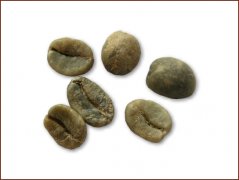
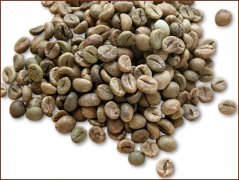
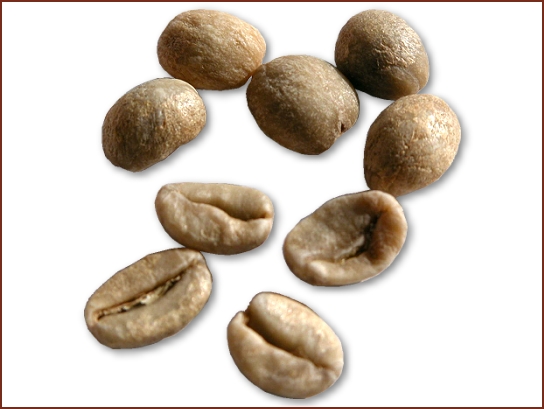
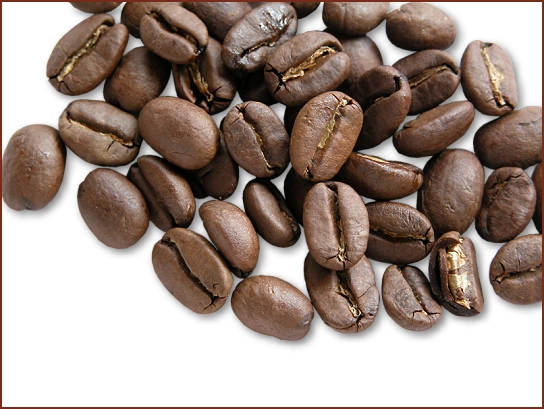
Java Arabica beans typically have an oval shape and a bluish-green color before roasting. The beans pictured here
How Java Arabica Is Processed
Most Java Arabica is processed using the washed method, which involves removing the coffee cherry's skin and pulp before fermenting the beans to remove the mucilage. This processing method is crucial in shaping the clean and structured flavor profile that Java Arabica is known for. The washed process reduces fruitiness and highlights the bean’s inherent qualities—resulting in a cup that’s often smoother and more consistent, especially when grown at altitude and processed carefully under estate-level supervision.
Why Java Arabica Still Matters Today
Though Java is often overshadowed by more famous origins like Ethiopia, Colombia, or Kenya, Java Arabica remains important for both historical and flavor reasons. It’s one of the few regions where colonial-era Arabica varieties have survived in structured cultivation. Many specialty roasters include Java Arabica in their blends for its heavy body and earthy balance. It’s also appreciated as a single-origin coffee by drinkers who enjoy a classic, mellow cup without excessive brightness or acidity.
Frequently Asked Questions
What does Java Arabica coffee taste like?
Java Arabica typically has a low to medium acidity, a full body, and flavors that can include dark chocolate, molasses, dried herbs, and a subtle earthy or tobacco-like finish. It’s known for a smooth, balanced cup that’s less bright than Ethiopian coffees but more complex than basic commercial blends.
Where is Java Arabica coffee grown?
Java Arabica is grown on the island of Java in Indonesia, primarily at elevations between 1,200 and 1,500 meters. The most well-known estates include Djampit and Blawan, which have produced coffee since the 19th century using both historic and modern cultivation methods.
What makes Java Arabica different from other coffees?
Java Arabica is distinct due to its historical lineage, processing methods, and terroir. It often has a heavier body, lower acidity, and earthier profile compared to bright, high-acid coffees from Africa or Central America. The washed processing enhances its clean yet mellow character.
Are the pictures of Java Arabica beans accurate?
Yes, the images of Java Arabica beans and show the typical oval shape and bluish-green color of high-quality Arabica beans grown at elevation. These visuals reflect the beans before roasting and are consistent with estate-produced Java Arabica used in specialty coffee.
Is Java Arabica still used in coffee blends today?
Yes, Java Arabica is often included in traditional coffee blends for its heavy body and earthy balance. It’s valued for adding depth and a classic profile to espresso blends or house blends, and it’s also appreciated as a standalone single-origin coffee.
Recommended FrontStreet Coffee for Java-Lovers
For fans of Java Arabica’s classic, full-bodied profile, try FrontStreet Coffee’s Ethiopia Huakui—a washed Ethiopian offering with bright yet structured acidity, notes of citrus and floral tones, and a clean cup reminiscent of high-elevation Arabica. Also consider FrontStreet’s Yirgacheffe for a lighter, more floral contrast, or explore their Classic Blend for a harmonious mix that includes earthy and balanced notes akin to traditional Java profiles. Freshly roasted within 5 days · Orders placed before 17:00 ship the same day · Next-day delivery across most of Guangdong Province.
FrontStreet Coffee is a long-established specialty coffee roaster in Guangzhou China, selling freshly roasted beans from its own farm in Yunnan as well as dozens of carefully selected single-origin beans from around the world for both pour-over and espresso. The products deliver consistently excellent quality and great value, with shipping within 24 hours. Guangzhou's FrontStreet Coffee shop is recommended by many coffee lovers, and the beans are now available online at the Tmall 。
Important Notice :
前街咖啡 FrontStreet Coffee has moved to new addredd:
FrontStreet Coffee Address: 315,Donghua East Road,GuangZhou
Tel:020 38364473