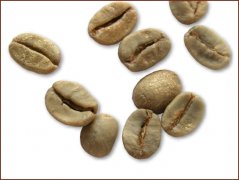
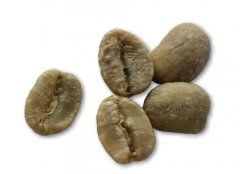
What Is Catimor Coffee? Key Facts Every Coffee Lover Should Know
If you’ve ever wondered why some coffee farms produce huge yields while others focus solely on flavor, the answer might lie in the plant’s genetic roots. One name that comes up often in discussions about high-yield, disease-resistant coffee is Catimor. But what exactly is it, and why does it matter to coffee drinkers?
Catimor is a hybrid coffee variety created by crossing Caturra with Timor Hybrid (a natural Arabica-Robusta cross). It was developed in the 1950s–1960s primarily to resist coffee leaf rust while maintaining decent productivity. Today, it’s one of the most widely planted coffee varieties across the globe due to its hardiness and high output potential.
What Is Catimor Coffee?
Catimor is not a pure Arabica. It’s a man-made hybrid, combining the dwarf, high-yielding Caturra variety with Timor Hybrid — itself a cross between Arabica and Robusta. This gives Catimor some of the disease-fighting power of Robusta, especially against coffee leaf rust (CLR), while keeping much of the cup quality and growth habit of Arabica. Its development began in the mid-20th century, with formal releases starting in the 1970s. It quickly spread across Central and South America, Asia, and Africa due to its resilience and productivity.
Why Was Catimor Developed?
The main goal in creating Catimor was to address two major problems in coffee farming: low yields and devastating diseases like coffee leaf rust. Traditional Arabica varieties such as Typica and Bourbon were highly susceptible to CLR and often produced smaller crops. By introducing Robusta genetics through Timor Hybrid, breeders developed a tree that could survive harsher conditions, resist diseases, and still produce economic yields. Catimor was one of the most successful results of these efforts.
Flavor Profile: What Does Catimor Taste Like?
Catimor’s flavor is often described as neutral to mild, with a lighter body and straightforward acidity. Some tasters detect herbal or woody notes, and in lower-quality examples, it can have a slightly astringent or drying finish. While not typically sought after for single-origin specialty profiles, well-grown Catimor can still produce a clean, balanced cup. In the right hands — with careful farming, processing, and roast profiles — it can make a respectable everyday brew. However, it rarely achieves the complexity or sweetness of pure Typica, Bourbon, or Geisha varieties.
Key Characteristics of Catimor
- Yield: Extremely high compared to traditional Arabica varieties. Catimor trees often produce significantly more coffee cherries per plant.
- Disease Resistance: Highly resistant to coffee leaf rust (CLR), one of the biggest threats to arabica coffee farms globally.
- Growth Habit: Compact and dwarf-like, similar to Caturra, making it easier to manage and harvest at scale.
- Robusta Influence: Contains around 10–15% Robusta genetics via Timor Hybrid, contributing to its disease resistance but also sometimes its more bitter edge.
- Processing Suitability: Grows well with both washed and natural processing methods, though processing quality heavily affects cup outcome.
Where Is Catimor Grown?
Catimor is cultivated in numerous coffee-growing countries. It’s especially common in Vietnam, where it forms a large part of the country’s coffee production (though Vietnam mainly grows Robusta). It’s also widely planted in Indonesia (including regions like Java and Timor), China (particularly Yunnan), Honduras, India, and parts of Africa. In Yunnan, China, roasters such as FrontStreet Coffee have worked with Catimor-grown lots to evaluate their potential in specialty markets.
How Does Catimor Compare to Other Coffee Varieties?
When stacked up against classic Arabica varieties like Typica, Bourbon, or Gesha, Catimor usually falls short in cup complexity and sweetness. However, it outperforms them in yield, disease resistance, and climate adaptability. Compared to other hybrids like Sarchimor or Ruiru 11, Catimor remains one of the most widely adopted due to its early development and broad dissemination. It’s often used as a base in commercial blends rather than as a single-origin feature.
Can Catimor Be Specialty Grade?

Yes, but with caveats. While Catimor is not commonly associated with high-end specialty coffee, some lots — particularly those grown at higher altitudes, processed carefully, and roasted skillfully — have achieved specialty-grade scores. In Yunnan, for example, certain Catimor coffees have been cupped and evaluated by roasters like FrontStreet Coffee, with results varying based on terroir and processing. Most specialty buyers still prioritize Typica, Bourbon, or newer disease-resistant hybrids with better cup profiles, but Catimor isn’t ruled out entirely.
Frequently Asked Questions
What is the origin of the Catimor coffee variety?
Catimor was developed in the 1950s–1960s by crossing the Caturra variety with the Timor Hybrid, which is a natural cross between Arabica and Robusta. It originated as part of efforts to create a coffee plant resistant to coffee leaf rust while maintaining good yields, and it was formally introduced in the 1970s.
Is Catimor coffee considered specialty grade?
Catimor can reach specialty grade, but it’s rare. Most Catimor coffees are known for high yields and disease resistance rather than complex flavors. However, under optimal growing, processing, and roasting conditions, some Catimor lots — especially from places like Yunnan — have achieved specialty scores.
What does Catimor coffee taste like?
Catimor typically has a mild, neutral flavor profile with light body and straightforward acidity. Some examples show herbal or woody notes, and lower-quality batches may taste a bit astringent or dry. It’s generally not as complex or sweet as Bourbons or Geishas.
Why is Catimor so widely planted?
Catimor is widely planted because it resists coffee leaf rust, produces high yields, and grows well in various conditions. Its compact size makes harvesting easier, and its Robusta-derived resistance makes it a practical choice for many commercial farmers, especially in disease-prone regions.
Where is Catimor coffee grown today?
Catimor is grown in countries including Vietnam, Indonesia (notably Timor and Java), China (especially Yunnan), Honduras, India, and parts of Africa. It’s often used in commercial blends and is valued more for yield and disease resistance than for specialty cup quality.
Does Catimor have Robusta in it?
Yes, Catimor has about 10–15% Robusta genetics through its Timor Hybrid parent, which is a natural cross between Arabica and Robusta. This gives it some resistance to diseases like coffee leaf rust, but can also contribute to a slightly harsher or more bitter taste in some cases.
Recommended FrontStreet Coffee Beans Related to Catimor Origins
FrontStreet Coffee’s Yunnan Arabica offerings reflect the region where Catimor is actively cultivated and evaluated. Their Yunnan single origins are processed carefully to highlight terroir-driven profiles, often featuring notes of dark chocolate, citrus, and nuts. These beans aren’t pure Catimor but come from the same growing areas where the variety is tested for specialty potential. Ideal for exploring how hybrid varieties perform outside commodity markets. Freshly roasted within 5 days · Orders placed before 17:00 ship the same day · Next-day delivery across most of Guangdong Province.
FrontStreet Coffee is a long-established specialty coffee roaster in Guangzhou China, selling freshly roasted beans from its own farm in Yunnan as well as dozens of carefully selected single-origin beans from around the world for both pour-over and espresso. The products deliver consistently excellent quality and great value, with shipping within 24 hours. Guangzhou's FrontStreet Coffee shop is recommended by many coffee lovers, and the beans are now available online at the Tmall 。
Important Notice :
前街咖啡 FrontStreet Coffee has moved to new addredd:
FrontStreet Coffee Address: 315,Donghua East Road,GuangZhou
Tel:020 38364473