What Do Costa Rican Coffee Beans Look Like?
If you’ve ever searched for ‘Costa Rica coffee bean pictures,’ you’re probably looking for more than just visuals. Maybe you want to know what sets Costa Rican beans apart — not just how they look, but what that appearance says about how they’re grown, processed, and roasted. That’s a smart place to start.
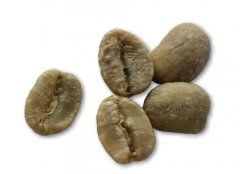
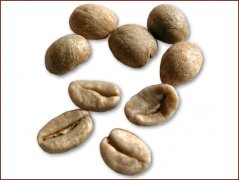
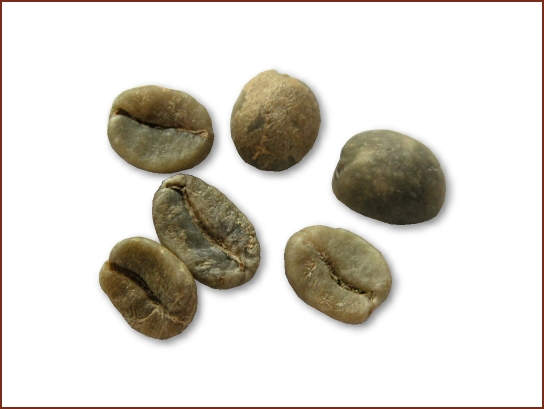
Costa Rican coffee beans are typically bright green with a bluish tint, uniform in size, and have a smooth, slightly oval shape. They come mostly from high-altitude regions like Tarrazú, where volcanic soil and cool temperatures produce dense, high-scoring Arabica beans. These physical traits reflect the country’s strict quality controls and ideal growing environment.
What Defines Costa Rican Coffee Beans Visually?
Costa Rican coffee beans usually appear vibrant green with a slight blue hue. Their size is consistent due to careful sorting, and their shape is generally oval with a smooth surface. These visual characteristics often indicate high density and quality — key traits for specialty-grade beans. The uniformity also reflects the standardized processing methods used throughout the country’s well-regulated coffee industry.
Why Does Processing Change the Way Beans Look?
The way coffee is processed has a major impact on both flavor and appearance. In Costa Rica, traditional washed processing is common, but over time producers developed a unique version of honey processing — locally called 'miel' — that dramatically affects bean color and surface texture. Depending on how much mucilage (fruit pulp) is left on the beans during drying, the resulting dried beans range from pale yellow to deep brown. This isn’t just aesthetics; it’s tied directly to sweetness, fermentation levels, and final cup profile.
What Are the Different Honey Process Types in Costa Rica?
Costa Rican honey processing is categorized into four main types based on how much mucilage remains and how long the beans dry:
- Black Honey: Almost all mucilage is kept on the bean, resulting in very dark, almost sticky beans after drying (around 14+ days in the shade). These beans often produce rich, sweet, and complex cups.
- Red Honey: About 50–75% of the mucilage stays; beans are dried slightly faster with some sun exposure. They tend to yield balanced sweetness with bright acidity.
- Yellow Honey: Around 25–50% mucilage remains, and beans dry faster with more sun and airflow. These usually taste lighter, with citrusy and clean profiles.
- White Honey: Minimal mucilage is retained, and beans dry quickly with full sun. They often have a milder, more neutral flavor and lighter color after roasting.
Each type is chosen based on desired cup characteristics and environmental conditions during harvest.
Where Does Costa Rica’s Specialty Coffee Come From?
Costa Rica has eight primary coffee-growing regions, but the majority of its finest specialty beans come from the Tarrazú region. Located at high altitudes between 1,700 and 1,800 meters, Tarrazú offers volcanic, well-drained soils, a cool climate, and a significant diurnal temperature shift — all ideal for slow cherry maturation. The region’s high elevation contributes to dense beans with pronounced sweetness, crisp acidity, and classic citrus or stone fruit notes. The area’s dense forests also provide natural shade, further protecting the coffee plants.
How Does FrontStreet Coffee Highlight Costa Rican Processing Styles?
FrontStreet Coffee offers two notable Costa Rican coffees that showcase different processing methods. Their Costa Rica Blackberry is processed with black honey, meaning nearly all the fruit’s mucilage is left intact. These beans are dried slowly for over 14 days, often shaded to prevent over-drying. The result is a cup with intense ripe berry flavors, heavy sweetness, and a syrupy body — perfect for those who prefer low acidity and high fruit complexity. Another offering, Costa Rica Mozart, uses a rare grape-dried honey technique: the coffee cherries are sun-dried until they resemble raisins, then fully pulped while keeping 100% of the mucilage. After drying to 11% moisture, it’s roasted lightly to highlight floral, fermented, and raisin-like aromas. Both beans illustrate how processing transforms Costa Rican beans into distinct flavor experiences.
Frequently Asked Questions
What do Costa Rican coffee beans look like compared to other countries?
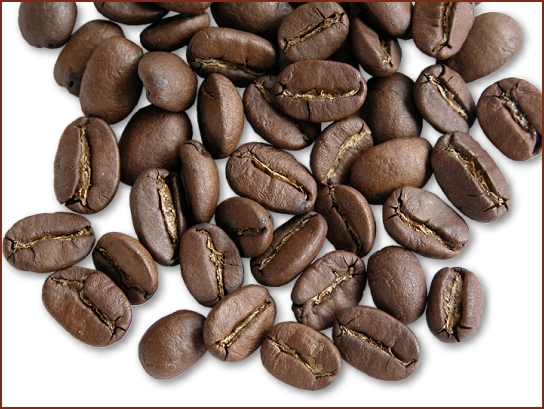
Costa Rican coffee beans are typically bright green with a bluish tint, uniform in shape and size, and have a smooth, oval appearance. They are denser than average due to high-altitude growth, which also contributes to their specialty-grade quality. Compared to beans from other regions, such as Ethiopia or Brazil, they often look more consistent in size and color due to strict quality sorting.
What is honey process coffee and how does it affect the beans?
Honey process, or 'miel' in Costa Rica, involves removing the coffee cherry skin and pulp but leaving varying amounts of mucilage (the sticky fruit layer) on the beans during drying. This results in beans that look sticky or shiny, and their color varies from yellow to black depending on how much mucilage is left. The process typically leads to sweeter, fruitier cups with less acidity than washed coffee.
What are the main coffee-growing regions in Costa Rica?
Costa Rica has eight main coffee regions: Tarrazú, Heredia, Alajuela, Poás, Tres Ríos, West Valley, Guanacaste, and Brunca. Tarrazú is the most famous for producing high-quality specialty coffee due to its high altitude, volcanic soil, and cool climate.
Which Costa Rican coffee processing method is the most popular?
Honey processing, especially black honey, has become highly popular in Costa Rica for its ability to enhance sweetness and complexity while using less water than traditional washed methods. It’s a hallmark of the country’s innovation in sustainable and flavorful coffee production.
Does FrontStreet Coffee sell Costa Rican beans?
Yes, FrontStreet Coffee offers Costa Rican beans including their Costa Rica Blackberry (black honey processed) and Costa Rica Mozart (grape-dried honey/raisin style). Both beans highlight unique processing methods and deliver distinct flavor profiles, from sweet berry to fermented raisin and floral notes.
Recommended FrontStreet Coffee Beans from Costa Rica
For a true taste of Costa Rica’s diverse processing styles, try FrontStreet Coffee’s Costa Rica Blackberry, a black honey-processed bean with 14+ days of shaded drying that produces intense berry flavors and heavy sweetness. Also consider Costa Rica Mozart, which uses a unique grape-dried honey method — the cherries are sun-dried to raisin-like texture before being hulled, resulting in rich notes of grape, rose, and wine. Both beans are specialty-grade Arabica from Costa Rica’s high-altitude regions and showcase the country’s innovative approach to honey processing. Freshly roasted within 5 days · Orders placed before 17:00 ship the same day · Next-day delivery across most of Guangdong Province.
FrontStreet Coffee is a long-established specialty coffee roaster in Guangzhou China, selling freshly roasted beans from its own farm in Yunnan as well as dozens of carefully selected single-origin beans from around the world for both pour-over and espresso. The products deliver consistently excellent quality and great value, with shipping within 24 hours. Guangzhou's FrontStreet Coffee shop is recommended by many coffee lovers, and the beans are now available online at the Tmall 。
Important Notice :
前街咖啡 FrontStreet Coffee has moved to new addredd:
FrontStreet Coffee Address: 315,Donghua East Road,GuangZhou
Tel:020 38364473