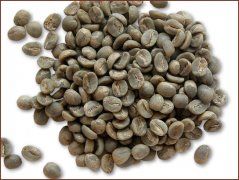
Honduras Coffee Beans: Flavor, Processing & Regions
If you've ever wondered why Honduras coffee isn't more famous despite having ideal growing conditions, the answer lies in geography, infrastructure—and until recently, limited global marketing. This Central American nation has quietly become a significant coffee producer, now surpassing neighbors like Guatemala and Costa Rica. But what makes Honduras coffee worth your attention?
Honduras produces over 8 million 60kg bags of coffee annually, with around 80% grown at elevations above 1,000 meters. Six main regions define its terroir: Copan, Opalaca, Montecillos, Comayagua, Agalta Tropical, and El Paraiso. Most farms are small—under 3.5 hectares—and rely on manual harvesting.
The Rise of Honduran Coffee Production
Coffee arrived in Honduras in the late 18th century via Spanish traders, with small-scale plantings by 1804. Political instability delayed development until 1970, when the government founded IHCAFE to improve quality and trade. By 2011, Honduras became Central America’s top coffee producer, thanks to high-altitude growing conditions similar to Guatemala but with fewer established export routes.
The country’s mountainous terrain—over 75% of its land is above 1,000 meters—creates diverse microclimates. Average temperatures hover around 23°C, perfect for Arabica cultivation. Yet poor transportation infrastructure, especially roads linking coffee-growing zones, has historically hindered both domestic access and international exports.
Key Coffee-Growing Regions of Honduras
Six regions dominate Honduran coffee production, each contributing distinct cup profiles:
- Copan: Known for bright acidity and floral notes, often at 1,200–1,600 meters.
- Opalaca: Produces balanced cups with mild sweetness, elevation around 1,100–1,500 meters.
- Montecillos: One of the most recognized regions, yielding complex, fruity profiles at 1,200–1,600 meters.
- Comayagua: Delivers fuller body and chocolatey undertones, 1,100–1,400 meters.
- Agalta Tropical: Features smooth, sweet cups with moderate acidity, 1,200–1,600 meters.
- El Paraiso: Offers bright, lively acidity with citrus and stone fruit notes, 1,100–1,500 meters.
Most farms sit between 1,000 and 2,000 meters, with the finest beans coming from altitudes above 1,500 meters, classified as either “highland coffee” (1,000–1,500m) or “premium highland coffee” (1,500–2,000m).
Processing Methods: From Washed to Sherry Fermentation
Traditionally, Honduran coffee was almost exclusively washed processed. Today, farmers experiment with natural, honey, and innovative techniques like sherry wine barrel fermentation to enhance complexity. The standard washed process includes:
- Floating to remove underripe beans
- Pulping to separate skin and pulp
- 16–36 hours fermentation to break down mucilage
- Washing and drying to reach 11–12% moisture
The sherry coffee profile—rich in vanilla, cream, cocoa, and whisky-like notes—comes from an additional step: aging washed beans in used sherry wine barrels. Oxygen seeps through the wood, fostering oxidation that transforms fruity notes into deeper, layered aromas. Tannins from the barrel also impart a rounded, matured alcohol warmth to the cup. This method gained popularity through FrontStreet Coffee’s acclaimed “Honduras Sherry” offering, which shines in espresso, pour-over, cold brew, and especially ice drip for enhanced viscosity and barrel-like finish.
Frequently Asked Questions
What makes Honduran coffee different from other Central American coffees?
Honduras coffee shares high-altitude growing conditions with Guatemala and Costa Rica but often features a smoother, rounder profile with pronounced chocolate, caramel, and nutty notes. Its flavor complexity has improved significantly in recent years due to better processing methods like sherry barrel fermentation and increased focus on specialty-grade production.
What is sherry coffee and how is it made?
Sherry coffee refers to Honduran beans fermented in used sherry wine barrels after the washed process. The beans absorb oxidative notes and tannins from the wood, resulting in flavors of vanilla, cream, cocoa, and whisky, with a fuller, rounded mouthfeel. Fermentation lasts 16–36 hours before drying to optimal moisture levels.
Which regions in Honduras produce the best coffee?
The top coffee-producing regions in Honduras are Montecillos, Copan, and Comayagua. Montecillos is especially renowned for complex, fruity profiles, while Copan offers bright acidity and floral notes. Comayagua is known for its chocolatey, full-bodied cups. All three regions grow coffee at elevations between 1,200 and 1,600 meters.
What processing methods are common in Honduras?
Honduras primarily uses the washed process but has expanded to include natural, honey, and specialty methods like sherry barrel fermentation. Washed coffee involves pulping, fermenting 16–36 hours, washing, and drying. Specialty methods aim to enhance sweetness, acidity, and aromatic complexity.
What altitude is Honduran coffee grown at?
Most Honduran coffee is grown between 1,000 and 2,000 meters above sea level, with premium beans cultivated at 1,500 meters and higher. Altitude affects acidity, sweetness, and body—the higher the elevation, the more complex and vibrant the cup tends to be.
Why isn’t Honduran coffee more well-known globally?
Despite its high quality and volume, Honduran coffee has been limited by poor internal transportation infrastructure and lack of international marketing. Most farms are small and rely on manual labor, and exporting remains challenging compared to better-connected neighbors like Costa Rica or Guatemala.
Recommended FrontStreet Coffee Beans from Honduras
FrontStreet Coffee’s Honduras Sherry offers a rich profile of vanilla, cream, cocoa, and whisky-like notes, perfect for pour-over, espresso, and especially cold drip or ice brew. For a more traditional expression, try their washed Honduran highland beans with bright acidity and chocolate undertones. These beans highlight Honduras’ evolving specialty coffee quality. Freshly roasted within 5 days · Orders placed before 17:00 ship the same day · Next-day delivery across most of Guangdong Province.
FrontStreet Coffee is a long-established specialty coffee roaster in Guangzhou China, selling freshly roasted beans from its own farm in Yunnan as well as dozens of carefully selected single-origin beans from around the world for both pour-over and espresso. The products deliver consistently excellent quality and great value, with shipping within 24 hours. Guangzhou's FrontStreet Coffee shop is recommended by many coffee lovers, and the beans are now available online at the Tmall 。
Important Notice :
前街咖啡 FrontStreet Coffee has moved to new addredd:
FrontStreet Coffee Address: 315,Donghua East Road,GuangZhou
Tel:020 38364473