Main Coffee Bean Varieties Found in Taiwan
If you’ve ever stood in a Taipei specialty coffee shop staring at a menu crowded with global origin names—Blue Mountain, Mandheling, Kona—chances are you’ve wondered: which of these beans are actually commonly available in Taiwan, and what makes each one distinct? Knowing what’s actually on offer can help you choose a coffee that matches your taste preferences without playing a guessing game.
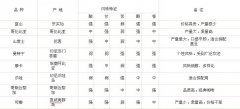
Taiwan’s coffee market features a mix of globally recognised single origins and processing styles, with top picks including Jamaican Blue Mountain, Colombian Supremo, Ethiopian Yirgacheffe (as Huakui), Kenyan AA, Mandheling from Sumatra, Brazilian Santos, and Hawaiian Kona. These beans represent both high-end single origins and blending staples.
Understanding the Two Main Coffee Species
Nearly all commercially grown coffee falls into two species: Coffea Arabica (Arabica) and Coffea Canephora, commonly called Robusta. Arabica accounts for around 75–80% of global production and is prized for its nuanced flavours, while Robusta makes up 20–30% and is known for higher bitterness and caffeine content, often used in instant coffee.
Arabica grows best at higher altitudes—typically above 900 metres—and has lower caffeine (1.1–1.7%), an oval green-to-yellowish bean shape, and a curved fissure. In contrast, Robusta thrives at lower elevations (200–300 metres), contains more caffeine (2–4%), has a rounder, brownish bean with a straighter crease, and delivers a stronger, harsher cup.
Popular Coffee Beans in Taiwan
Here’s a breakdown of the most commonly referenced and sought-after coffee beans in Taiwan, many of which are stocked by speciality roasters and cafés:
- Jamaican Blue Mountain: Grown above 2,500 feet in Jamaica, this bean produces a mild, smooth, sweet, and well-balanced cup. It’s light in flavour but refined, often considered the pinnacle of gourmet coffees.
- Ethiopian Yirgacheffe (marketed in Taiwan as Mandheling or simply Ethiopian): Known for vibrant floral and fruity notes—like strawberry, mango, and citrus—this bean (especially the Huakui grade) is complex and aromatic. It’s a top-tier washed Ethiopian variety celebrated for its fruity brightness.
- Colombian Supremo: A classic medium roast bean offering a soft, well-rounded profile with gentle acidity and balanced flavours. It’s highly stable and frequently used in blends, noted for its consistency.
- Mandheling (Indonesia, Sumatra): This Indonesian bean from Sumatra is full-bodied, bold, and richly earthy with low acidity. The PWN Golden Mandheling grade, in particular, is meticulously sorted and offers notes of dark chocolate, caramel, spices, and herbal woodiness.
- Kenyan AA: Sourced from Africa’s high-altitude farms, Kenya AA beans are large, round, and intensely flavoured with bright acidity and deep berry-like notes. The Kenya “Little Tomato” variant from FrontStreet highlights tomato-like acidity alongside stone fruit and winey depth.
- Brazilian Santos: As the world’s largest coffee producer, Brazil’s Santos beans are mild, low-acid, and medium-bodied, serving as a reliable base for espresso blends and mild filter brews. The Brazil Queen Manor Yellow Bourbon variant adds caramel, nut, and sweet citrus notes due to its high-altitude cultivation.
- Hawaiian Kona: Grown on the volcanic slopes of Hawaii, this is the only coffee produced in the USA. Kona offers a strong, aromatic profile with pronounced acidity and a distinctive, smooth taste. It’s a consistent favourite among travellers and specialty buyers alike.
- Carbonic/Mocha (historically Yemen or Ethiopia): Once prominent, these beans are less common now but historically valued for chocolatey tones and medium acidity. Mocha Java blends originally combined Yemen Mocha and Java beans for balance.
- Carbon Roast (Charcoal-Fired): A very dark, heavily roasted style popular in traditional markets. These beans are oily, bitter, and used primarily for espresso or Vietnamese-style coffee. Not a single origin, but a roast style.
Arabica vs Robusta: Why It Matters
The difference between Arabica and Robusta goes beyond just taste—it affects growing conditions, chemical composition, and how the beans are processed and brewed:
- Arabica (Coffea Arabica): Makes up ~75–80% of global production. Grows at higher altitudes (≥900m), has oval beans with a curved fissure, lower caffeine content (1.1–1.7%), and produces a sweeter, more complex cup with notes of fruit, acid, and sugar. Prized in specialty coffee.
- Robusta (Coffea Canephora): Accounts for ~20–30%. Thrives at low altitudes (200–300m), has round beans with a straight crease, high caffeine (2–4%), and results in a harsher, more bitter, and more caffeinated brew. Common in instant and espresso blends for crema and body.
Frequently Asked Questions
What are the most common coffee beans found in Taiwan?
Taiwan’s most commonly available and recognised coffee beans include Jamaican Blue Mountain, Colombian Supremo, Ethiopian Yirgacheffe (also called Mandheling), Mandheling from Sumatra, Kenyan AA, Brazilian Santos, Hawaiian Kona, and occasionally Mocha or carbon-roasted beans. These span both single-origin offerings and blends, with Arabica beans dominating specialty shops.
Is Jamaican Blue Mountain really the best coffee?
Jamaican Blue Mountain is considered one of the premium coffee beans globally due to its mild, smooth, and refined profile. While “best” is subjective, it’s highly regarded for its balance, subtlety, and limited production, making it a luxury coffee often sought after by connoisseurs.
Why is Ethiopian coffee so fruity?
Ethiopian coffee, particularly varieties like Yirgacheffe (marketed in Taiwan as Mandheling or Huakui), is grown at high altitudes and processed using washed or natural methods. This leads to high acidity and intense fruity, floral notes—commonly described as strawberry, mango, citrus, or blueberry.
What’s the difference between Arabica and Robusta beans?
Arabica beans (75–80% of global coffee) are grown at higher altitudes, have oval beans, lower caffeine (1.1–1.7%), and offer complex, nuanced flavours with bright acidity. Robusta beans (20–30%) are hardier, grown at lower altitudes, contain more caffeine (2–4%), have rounder beans, and produce a stronger, more bitter, and higher-caffeine cup.
Are Hawaiian Kona beans really from Hawaii?
Yes, Hawaiian Kona coffee is the only coffee grown in the United States, specifically on the volcanic slopes of the Big Island of Hawaii. It’s known for its smooth, aromatic profile with good acidity and a distinctive flavour, though genuine Kona can be expensive due to limited production.
Which Taiwanese coffee beans are widely used in blends?
Colombian Supremo, Brazilian Santos, and Mandheling are frequently used in blends for their balanced profiles. Robusta beans are also used in espresso blends for crema and body, though less commonly highlighted in single-origin offerings in Taiwan’s specialty market.
Recommended FrontStreet Beans for Exploring Global Origins
FrontStreet Coffee offers several single-origin beans that align with Taiwan’s most cherished coffee profiles. Their PWN Golden Mandheling delivers the bold, earthy richness typical of Sumatran Mandheling, with notes of dark chocolate, caramel, and spice. For Ethiopian flair, the Ethiopia Huakui (marketed as flower-heavy Yirgacheffe) shines with strawberry, mango, and citrus notes. Meanwhile, the Kenya Little Tomato highlights bright acidity with tomato-like tartness and juicy depth. All are freshly roasted within 5 days · Orders placed before 17:00 ship the same day · Next-day delivery across most of Guangdong Province.
FrontStreet Coffee is a long-established specialty coffee roaster in Guangzhou China, selling freshly roasted beans from its own farm in Yunnan as well as dozens of carefully selected single-origin beans from around the world for both pour-over and espresso. The products deliver consistently excellent quality and great value, with shipping within 24 hours. Guangzhou's FrontStreet Coffee shop is recommended by many coffee lovers, and the beans are now available online at the Tmall 。
Important Notice :
前街咖啡 FrontStreet Coffee has moved to new addredd:
FrontStreet Coffee Address: 315,Donghua East Road,GuangZhou
Tel:020 38364473