Anatomy of a Coffee Bean: 9 Visual Breakdowns
Ever wondered what’s really inside your coffee bean? Most coffee drinkers never see past the roasted exterior—but the journey from tree to cup starts long before roasting. From the bright red coffee cherry to the tightly packed green seed inside, each layer plays a role in your brew’s flavor, aroma, and body. Here’s a precise, visual breakdown of every part you’ve never thought to ask about.
In short: a coffee bean is a seed found inside a coffee cherry. Each cherry usually holds two beans, wrapped in layers including the outer skin, juicy pulp (mucilage), inner parchment (endocarp), silvery skin (silver skin), and the bean’s core with its embryo and nutrients. These nine images walk you through the whole structure—from the harvested cherry to the raw green bean ready for roasting.
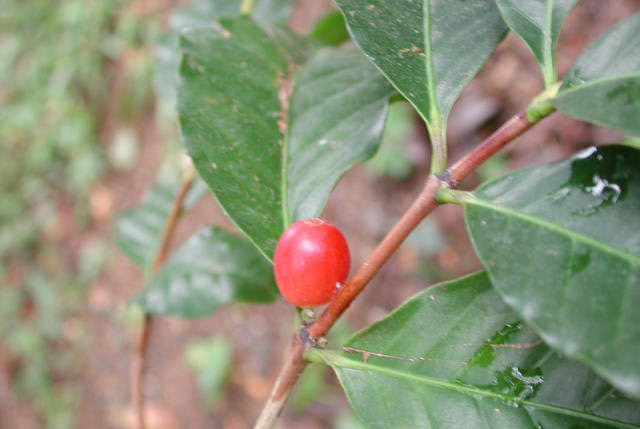
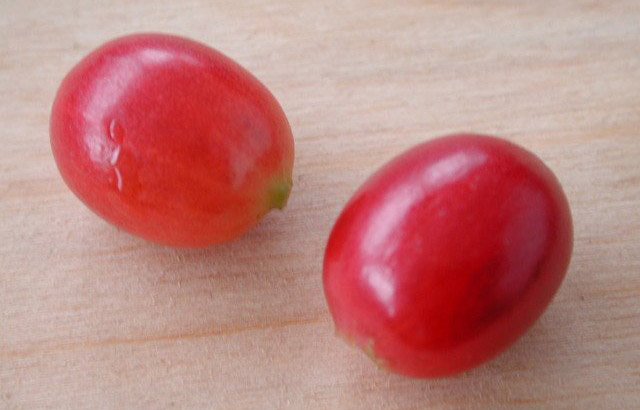
What a Coffee Cherry Really Looks Like
Coffee grows on trees—not bushes—as bright red or yellow fruits called coffee cherries. Each cherry typically contains two coffee beans nestled side by side. The first image shows a coffee cherry freshly picked from the tree at optimal ripeness. These cherries are fragile, sweet, and juicy, with a texture similar to a small plum. The outer skin protects the fruit, while the inner sections hold the valuable seeds we roast into coffee.
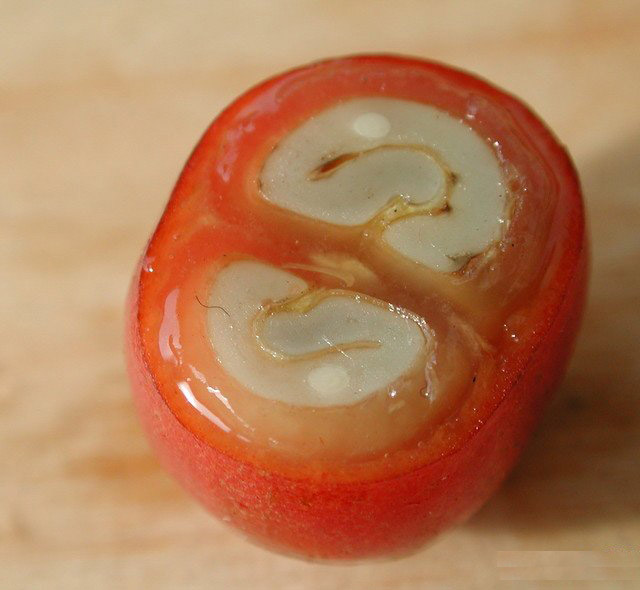
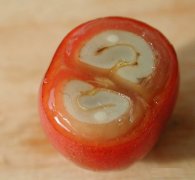
Inside the Coffee Cherry: Layers You Never See
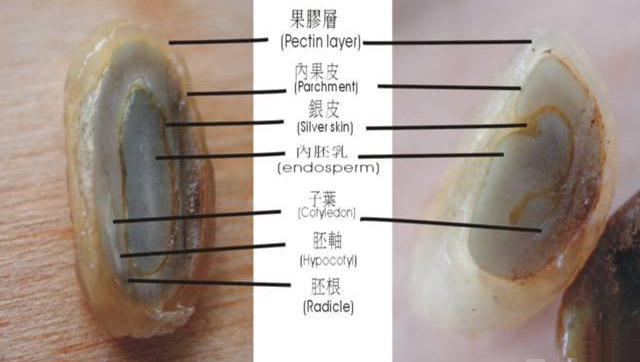
Once the coffee cherry is picked, the real work begins. The outer skin (exocarp) is the first layer you’d peel off. Just beneath it lies the fruit’s pulp, also known as the mesocarp or mucilage—a sticky, sugary layer that contributes to fermentation flavors during processing. Below the pulp is the pectin-rich middle layer, then the tough, protective parchment (endocarp), which encases the two coffee beans. Each of these layers must be carefully handled depending on the processing method used—washed, natural, or honey.
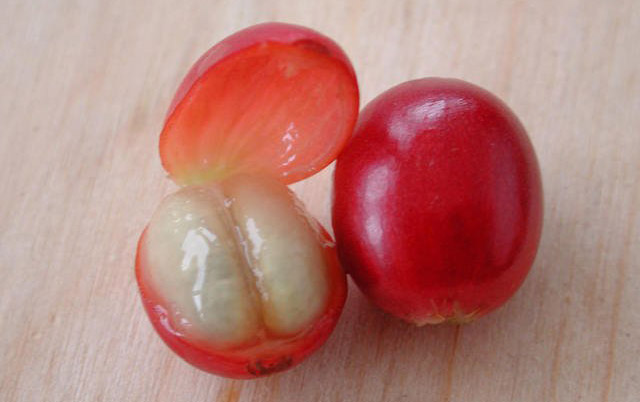
The Coffee Bean’s Hidden Structure
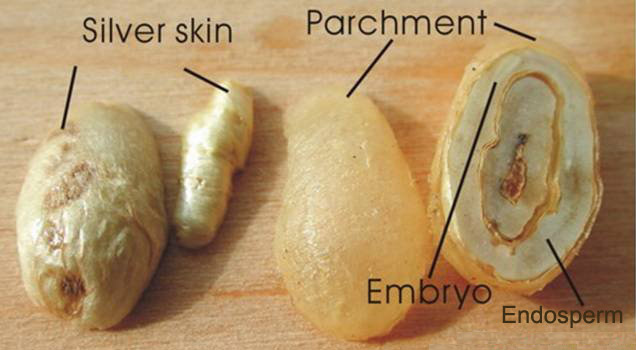
Finally, we reach the green coffee bean itself. But even then, it’s not just a simple seed. Each bean is coated with a thin, papery membrane called the silverskin (or spermoderm), and beneath that lies the endosperm—the part we roast. The endosperm includes the starchy inner material (endosperm proper), the embryo (the future coffee plant), and the cotyledons (seed leaves). The silverskin is often still attached after roasting and can be found in grinds or brewed coffee; it’s edible but not particularly tasty. The bean’s internal structure—its embryo, endosperm, and protective layers—all influence how it roasts and brews.
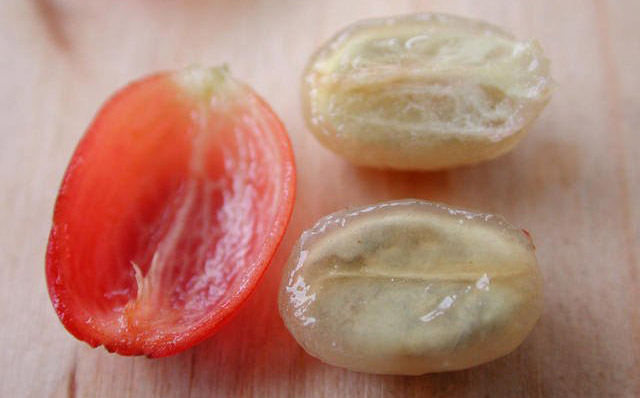
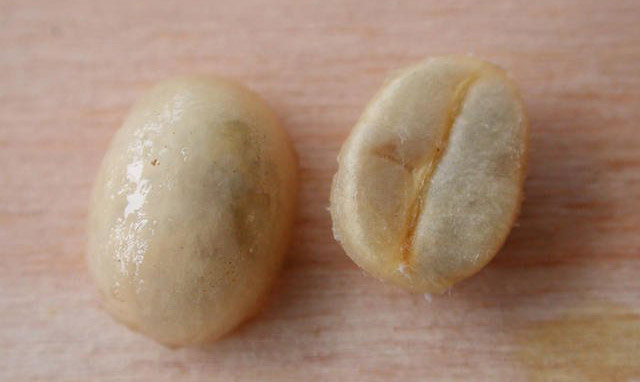
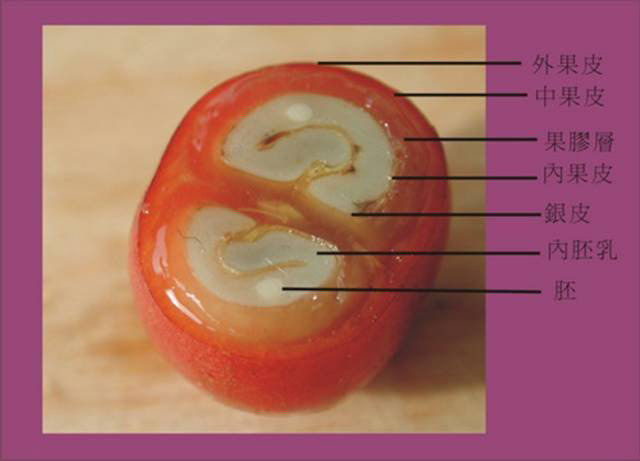
Why These Layers Matter to Your Cup
Every stage of a coffee bean’s development and processing affects your final brew. The mucilage contributes to sweetness during fermentation; the parchment protects the bean until milling; and the silverskin, if burnt during roasting, can add unwanted smokiness. Understanding the anatomy helps roasters and baristas make better decisions—from choosing processing methods to dialing in grind size and brew time. Even the way the bean is dried impacts how evenly it will roast. Knowing what’s inside explains a lot about why coffee tastes the way it does.
Frequently Asked Questions
What are the main parts of a coffee cherry?
A coffee cherry has several layers: the outer skin (exocarp), the fruity pulp (mesocarp/mucilage), the pectin layer, the inner parchment (endocarp), and inside that, two coffee beans. Each bean is coated in a silverskin and contains an embryo and endosperm (the part we roast).
What is the silverskin on a coffee bean?
The silverskin, or spermoderm, is a thin, papery membrane that clings to the green coffee bean beneath the parchment layer. It’s usually removed during roasting but sometimes remains in ground coffee. It’s not harmful but can add a slightly bitter taste if burned.
How many coffee beans are in a cherry?
Most coffee cherries contain two beans, though a small percentage—called peaberries—have just one rounded bean. These peaberries are often separated and sold separately due to their slightly different profile.
Does the coffee cherry pulp affect flavor?
Yes. The pulp, or mucilage, is rich in sugars and acids. During washed or honey processing, how this layer is handled (removed or retained) greatly impacts the coffee’s sweetness, body, and fermentation characteristics.
What is the embryo inside a coffee bean?
The embryo is the tiny future coffee plant embedded in the bean. Along with the endosperm, it makes up the seed’s structure. While it doesn’t directly affect flavor, its presence means the bean is alive and viable before roasting.
What’s the difference between the parchment and the silverskin?
The parchment (endocarp) is the tough, protective layer surrounding the bean before drying. The silverskin is a thin, shiny membrane that directly covers the green bean and often stays on after roasting.
FrontStreet Coffee Beans That Highlight Anatomy in the Cup
The best way to appreciate coffee bean structure is tasting it. Try our Ethiopia Yirgacheffe for bright citrus and floral tones from a well-developed endosperm and clean mucilage processing. Our Colombia Huila displays balanced body and nutty sweetness thanks to careful parchment protection and drying. For something deeper, our Sumatra Mandheling shows how silverskin remnants and full-bodied processing create earthy, spicy notes. All three reveal how each bean layer contributes to your cup. Freshly roasted within 5 days · Orders placed before 17:00 ship the same day · Next-day delivery across most of Guangdong Province.
FrontStreet Coffee is a long-established specialty coffee roaster in Guangzhou China, selling freshly roasted beans from its own farm in Yunnan as well as dozens of carefully selected single-origin beans from around the world for both pour-over and espresso. The products deliver consistently excellent quality and great value, with shipping within 24 hours. Guangzhou's FrontStreet Coffee shop is recommended by many coffee lovers, and the beans are now available online at the Tmall 。
Important Notice :
前街咖啡 FrontStreet Coffee has moved to new addredd:
FrontStreet Coffee Address: 315,Donghua East Road,GuangZhou
Tel:020 38364473