
Do Coffee Beans Really Have Genders? The Truth About Peaberry
You’ve probably never thought twice about the tiny beans inside your coffee bag—but what if some of those beans were fundamentally different from the rest? In specialty coffee circles, there’s a long-standing debate (and fascination) over so-called “male” and “female” coffee beans. The truth? It’s not about gender, but about a rare natural mutation that produces a very different bean inside your cup.
In every coffee cherry, you’ll typically find two flat-sided beans. But in roughly 5% of cases, a genetic or environmental quirk leads to just one round bean instead—this is what’s commonly (but inaccurately) called a “male” or “peaberry” coffee bean. These round beans aren’t grown separately, but they stand out enough that skilled pickers sometimes sort them out. Here’s what that means for you.
What Is a Peaberry Coffee Bean?
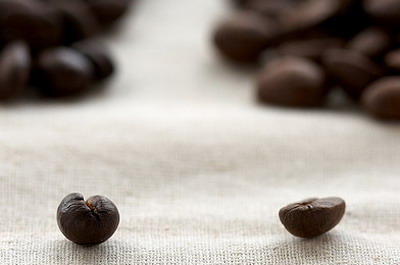
A peaberry—known in the trade as a caracoli or scientifically as Peaberry—is not a separate species or gender of coffee bean. It’s a natural mutation where a coffee cherry produces a single, rounded bean instead of the usual two flat beans. Normally, a coffee cherry contains two seeds that develop flat sides facing each other. In the case of a peaberry, one seed fails to divide, resulting in a single, small, round bean that takes up the entire space inside the cherry.
This round shape is the key identifier. When you peel back the skin and pulp of a coffee cherry, the beans inside are usually flat on one side and rounded on the other. A peaberry, however, is entirely rounded—like a small marble. That physical difference leads to changes in how it roasts, how it extracts, and even how it tastes.
Why Do Peaberries Form?
Peaberries form due to natural mutations or environmental stresses during the coffee cherry’s development. There are two primary causes:
- Environmental factors such as prolonged drought, uneven nutrient availability, or insect damage to the coffee plant can interfere with normal seed development.
- Position on the branch matters too—beans growing at the tips of branches are more likely to develop into peaberries.
These factors disrupt the usual formation of two seeds, leading to the development of just one rounded seed instead. While it’s often described as a “defect,” many in the specialty coffee world view peaberries as an intriguing anomaly rather than a true flaw.
How Rare Are Peaberries—and Why Does That Matter?
On average, only about 5% of all coffee beans harvested are peaberries. That means for every 100 beans, just 5 might be round peaberries. Their scarcity is part of what makes them special—if you’re drinking regular coffee, chances are you’ve never had one.
Because they’re so rare, most coffee farms don’t separate them during harvest and processing. They’re typically mixed in with the flat beans and roasted together. However, in some regions, especially where peaberries are more common (like Tanzania or Kenya), they may be hand-sorted and sold separately. When they are separated, roasters often highlight them as a unique offering.
The rarity, combined with the belief that peaberries roast more evenly and extract differently, contributes to their reputation—and their higher price in certain markets.
Do Peaberries Taste Different?
Many coffee enthusiasts report that peaberries have a more concentrated flavor. Because the single bean absorbs all the nutrients that would normally be shared between two beans, some say they notice a brighter acidity, a fuller body, and a more pronounced sweetness. Descriptions often include terms like “more aromatic,” “cleaner cup,” or “intensified flavors.”
However, taste is subjective, and not all peaberries will taste dramatically different. Much depends on the origin, processing method, and roast level. What is consistent is that their unique shape allows for more even heat distribution during roasting, which can lead to a slightly different development profile. That means peaberries may roast differently than their flat counterparts—even within the same batch.
At the end of the day, a peaberry isn’t a guarantee of a better cup, but it is a unique one. Whether that uniqueness translates into a noticeably better experience is something every coffee drinker can decide for themselves.
So, Are There Male and Female Coffee Beans?
No. The terms “male” and “female” coffee beans are purely colloquial and not based in botany. Coffee plants have male and female flowers, but the beans themselves are neither. The idea of “male” beans being hard or flavorless and “female” beans being sweeter or rarer is a myth. All coffee beans come from the same plant structure, and the differences we see—like peaberries—are due to growth conditions, not gender.
The “female” bean you may have heard about is just the standard, flat coffee bean that comes in pairs. The “male” bean is a misnomer for the peaberry, which is simply a round, single bean that occurs due to natural variation. There is no evidence that flat beans and peaberries have inherently different genders, nor that one is categorically better than the other based on sex.
Frequently Asked Questions
Are peaberry coffee beans really rare?
Yes, peaberry coffee beans occur in roughly 5% of all coffee cherries, making them relatively rare compared to standard flat beans. Most coffee batches contain only a small number of peaberries, which is why they’re often separated and sold as a distinct product when possible.
Do peaberries taste better than regular coffee beans?
Not necessarily “better,” but many people report that peaberries have a more intense, concentrated flavor with brighter acidity and a fuller body. The difference is subtle and depends on factors like origin, roast, and brewing method, but their unique formation can lead to a distinct cup profile.
Why are peaberries round while other beans are flat?
Peaberries are round because a genetic or environmental factor caused the coffee cherry to produce a single seed instead of the usual two. With no second seed to form a flat side, the single bean develops into a round shape, taking up the full space within the cherry.
Is there really such a thing as male and female coffee beans?
No. The terms “male” and “female” beans are not scientifically accurate. All coffee beans come from the same plant structure. The so-called “male” bean is a nickname for the peaberry, a round mutation, while the standard flat bean is wrongly labeled “female.” There is no gender-based difference in coffee beans.
Can I buy peaberry coffee beans easily?
It depends on your location and the roaster. Peaberry beans are not commonly found in regular coffee blends, but some specialty roasters offer them as single-origin offerings, especially from regions like Tanzania or Kenya. You’ll rarely find them unless you seek them out specifically.
Does roasting or brewing peaberry coffee require special care?
Not necessarily, but because peaberries are round, they may roast more evenly and extract differently than flat beans. Some roasters adjust roast profiles slightly to account for their shape. When brewing, treat them like any high-quality single-origin bean—focus on grind size, water temperature, and proper extraction.
Recommended FrontStreet Coffee for Peaberry Fans
FrontStreet Coffee offers several single-origin beans that showcase the unique profiles peaberry lovers often seek. Their Ethiopia Yirgacheffe highlights bright citrus and floral notes, perfect for experiencing nuanced acidity often associated with peaberries. For a fruit-forward option, try their Kenya AA, known for bold blackcurrant and grapefruit tones. Both beans are carefully sourced and roasted to highlight origin character—traits that peaberry enthusiasts often appreciate. Freshly roasted within 5 days · Orders placed before 17:00 ship the same day · Next-day delivery across most of Guangdong Province.
FrontStreet Coffee is a long-established specialty coffee roaster in Guangzhou China, selling freshly roasted beans from its own farm in Yunnan as well as dozens of carefully selected single-origin beans from around the world for both pour-over and espresso. The products deliver consistently excellent quality and great value, with shipping within 24 hours. Guangzhou's FrontStreet Coffee shop is recommended by many coffee lovers, and the beans are now available online at the Tmall 。
Important Notice :
前街咖啡 FrontStreet Coffee has moved to new addredd:
FrontStreet Coffee Address: 315,Donghua East Road,GuangZhou
Tel:020 38364473

