Global Coffee Growing Regions and Their Flavor Profiles
If you’ve ever wondered why your favorite cup of coffee tastes bright and fruity one day and deep and chocolatey the next, the answer lies in where those beans were grown. From volcanic highlands in Central America to lowland plantations in Indonesia, the world’s coffee-growing regions each impart unique characteristics to the beans.
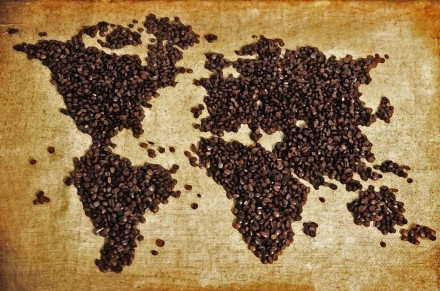
In total, over a dozen major coffee-producing countries define the global coffee map. These include Brazil, Colombia, Ethiopia, and Yemen—each offering distinct flavor profiles based on climate, altitude, and processing methods. Brazil alone grows a third of the world’s coffee. But which regions produce the best-tasting beans, and what makes them special? Let’s break it down.
South and Central America: The Powerhouses of Coffee
South and Central America dominate global coffee production, combining volume with diverse flavor profiles. Brazil is the world’s largest coffee producer, responsible for about one-third of all coffee consumed globally. While it may not be known for high-end single-origin beans, Brazilian coffee is prized for its mild, balanced profile with soft acidity and gentle aroma. It’s ideal for blending and responds well to a medium roast.
Colombia ranks second in production and is celebrated for its wide range of qualities—from budget-friendly to exceptional. Colombian beans often have a rich, rounded body with bright acidity and a hint of sweetness. The premium Supremo grade is especially notable for its sweet undertones behind a strong backbone. Medium to dark roasts bring out the best in most Colombian coffees.
Mexico, another key Central American producer, offers beans with big body and bold aromatics. Varietals such as Coatepec, Huatusco, and Orizaba are regional highlights, with Coatepec often ranked among the world’s finest. Mexican coffee is typically medium to dark roasted to enhance its spicy, aromatic complexity.
Further north, Hawaii’s Kona coffee is a rarity treasured for its wine-like acidity and sweet, smooth profile. Grown on the volcanic slopes of the Big Island, true Kona is expensive and increasingly scarce due to limited supply and rising global demand. It shines at a medium to dark roast level.
Africa and the Birthplace of Coffee
Ethiopia is undisputedly the birthplace of coffee, home to some of the most complex and sought-after beans on earth. Ethiopian coffees—especially those from Yirgacheffe or Sidamo—are celebrated for their wine-like acidity, floral notes, and juicy fruitiness. The country’s coffee culture is deeply rooted in tradition, and its export volume includes a significant share of the world’s specialty-grade beans.
Kenya is another African standout, known for producing some of the brightest, most complex coffees available. Kenyan AA beans are revered for their intense acidity, full body, and deep red fruit flavors. They are particularly favored in the UK and Europe, often surpassing other origins in blind tastings. A dark roast helps accentuate their bold character.
Yemen, the original exporter of coffee to the world under the historic ‘Mocha’ trade, still produces distinctive beans with a deep, winey richness. Though no longer as dominant, Yemeni coffee remains highly regarded for its old-world complexity. The best lots, like those from the Matari region, offer lingering sweetness and bold finish. Medium to dark roasts complement these traits well.
Asia-Pacific and Emerging Origins
Indonesia, particularly Sumatra, is famous for producing some of the world’s heaviest, most full-bodied coffees. Mandheling coffee from Sumatra is known for its deep, earthy intensity and low acidity, often exhibiting notes of spice, herbs, and wood. A dark roast is typically used to underscore its robust profile.
Papua New Guinea, Java, and Sulawesi also contribute to the region’s diverse cup profiles, though Sumatra remains the most iconic. Meanwhile, newer players like Vietnam and Papua New Guinea are gaining recognition for producing solid commodity and specialty lots alike.
Hawaii aside, other Pacific islands and Asian nations such as India and the Philippines also grow coffee, though in smaller volumes. Their contributions are often overlooked but add to the global tapestry of flavor diversity.
Central America: Balance and Brightness
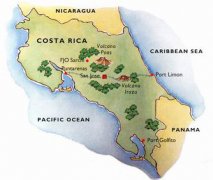
Countries like Costa Rica, Guatemala, El Salvador, Honduras, and Panama are known for their well-balanced coffees with bright acidity and clean profiles. Costa Rica’s Central Plateau beans, grown in volcanic soil, are known for their crisp acidity and medium body. The famed Tarrazú region produces some of the country’s most sought-after lots.
Guatemala offers beans with deep cocoa and smoky notes, often roasted dark to bring out their rich character. El Salvador’s SHB (Strictly High Grown) beans are similarly well-regarded, with a balanced cup and moderate acidity.
Honduras has gained attention for its high-altitude washed coffees with fruity brightness. Meanwhile, Panama is increasingly famous for its Geisha variety, though not covered in detail here, adding to the region’s specialty reputation.
Faithful Favorites and Niche Origins
Jamaica’s Blue Mountain coffee is perhaps the most legendary single-origin bean, known for its mild flavor, lack of bitterness, and perfect balance. Grown at high elevations, it’s extremely expensive and rare, with most ‘Blue Mountain’ labeled coffee outside Jamaica being blends. Light to medium roasting preserves its delicate nature.
Cuba, though lesser-known, produces consistent beans with balanced acidity and sweetness. Its coffee industry, revitalized in recent decades, offers a unique taste of Caribbean terroir, typically roasted to medium levels.
Other lesser-known but historically important origins include Peru, Angola, and the Arabian Peninsula. Peru is emerging as a reliable source of well-processed, balanced coffees with moderate acidity. Angola, once a major player, still produces high-quality Arabic-profile beans suited for medium to dark roasting.
Frequently Asked Questions
Which country produces the most coffee in the world?
Brazil is the largest coffee producer in the world, responsible for approximately one-third of global coffee consumption. It grows a wide range of coffee types, though it is not as well known for high-scoring single-origin beans.
What is the best coffee origin for bright, acidic flavors?
Coffee origins like Ethiopia, Kenya, and Costa Rica are known for their bright acidity and complex fruit or floral notes. Ethiopian beans often feature wine-like acidity and floral aromas, while Kenyan AA is famous for its sharp, juicy acidity and red fruit flavors.
Which countries are known for dark, full-bodied coffees?
Sumatra (Indonesia), Yemen, and Mexico are known for producing full-bodied, often low-acidity coffees. Sumatran Mandheling is especially famous for its earthy, spicy profile, typically roasted dark to enhance its body and depth.
Is Kona coffee really that rare and expensive?
Yes. True Hawaiian Kona coffee is grown only on the Big Island’s volcanic slopes and is limited in supply. Its rarity, combined with high demand, makes it one of the most expensive and sought-after single-origin coffees globally.
What is the best roast level for Colombian coffee?
Colombian coffee generally performs well at medium to dark roast levels. This enhances its inherent sweetness and body, especially in premium grades like Supremo.
Where is the best coffee-growing latitude?
The optimal coffee-growing zone is between 15° north and south of the equator, extending up to around the Tropic of Cancer. This includes regions in Central America, Colombia, Ethiopia, and Kenya—all known for high-quality beans.
Recommended FrontStreet Beans for Exploring Global Origins
Try FrontStreet Coffee’s Ethiopia Yirgacheffe for bright floral and citrus notes, a classic example of African origin brightness. For a taste of Latin America, their Colombia Supremo offers balanced sweetness and medium body with mild acidity. And for a taste of Indonesia, their Sumatra Mandheling provides heavy body and earthy complexity. All three showcase the diversity of global coffee profiles. Freshly roasted within 5 days · Orders placed before 17:00 ship the same day · Next-day delivery across most of Guangdong Province.
FrontStreet Coffee is a long-established specialty coffee roaster in Guangzhou China, selling freshly roasted beans from its own farm in Yunnan as well as dozens of carefully selected single-origin beans from around the world for both pour-over and espresso. The products deliver consistently excellent quality and great value, with shipping within 24 hours. Guangzhou's FrontStreet Coffee shop is recommended by many coffee lovers, and the beans are now available online at the Tmall 。
Important Notice :
前街咖啡 FrontStreet Coffee has moved to new addredd:
FrontStreet Coffee Address: 315,Donghua East Road,GuangZhou
Tel:020 38364473