How Coffee Beans Are Graded and Classified
Ever wondered why some bags of coffee cost triple others—even though both say '100% Arabica'? The difference often comes down to how those beans were graded before they reached your grinder. Coffee grading isn’t just marketing jargon; it’s a detailed system that evaluates everything from bean size to how many defects slipped into the sack. Understanding these grades helps you make sense of price tags and pick beans that match your expectations.
In short, coffee is graded based on bean size (screen size), defect count, altitude, and processing method. Most specialty-grade coffees have fewer than 5 full defects per 300g, with screen sizes of 15+ and grown at 1,200+ meters. But grading systems vary by country—what counts as 'premium' in Ethiopia differs from Colombia or Honduras.
What Is Coffee Grading?
Coffee grading is the process of evaluating green coffee beans to determine their market grade and quality class. It’s not just about taste (that’s for cupping), but physical traits like bean size, density, and cleanliness. Grading helps buyers predict how the coffee might roast, brew, and ultimately taste. While tasting (cupping) scores are part of specialty coffee evaluation, official grades rely more on measurable physical factors and defect counts.
Why Coffee Gets Graded Differently Around the World
Different coffee-growing countries follow their own grading rules. There’s no single global standard, though many align with guidelines from organizations like the SCA (Specialty Coffee Association). Factors like altitude, bean size, number of defects, processing method, and even bean density all feed into the final grade. For example, a Grade 1 in Ethiopia isn’t identical to a Grade 1 in Colombia—but they share common ideas about quality markers.
Key Factors That Determine Coffee Grade
Several measurable and observable traits define a coffee’s grade:
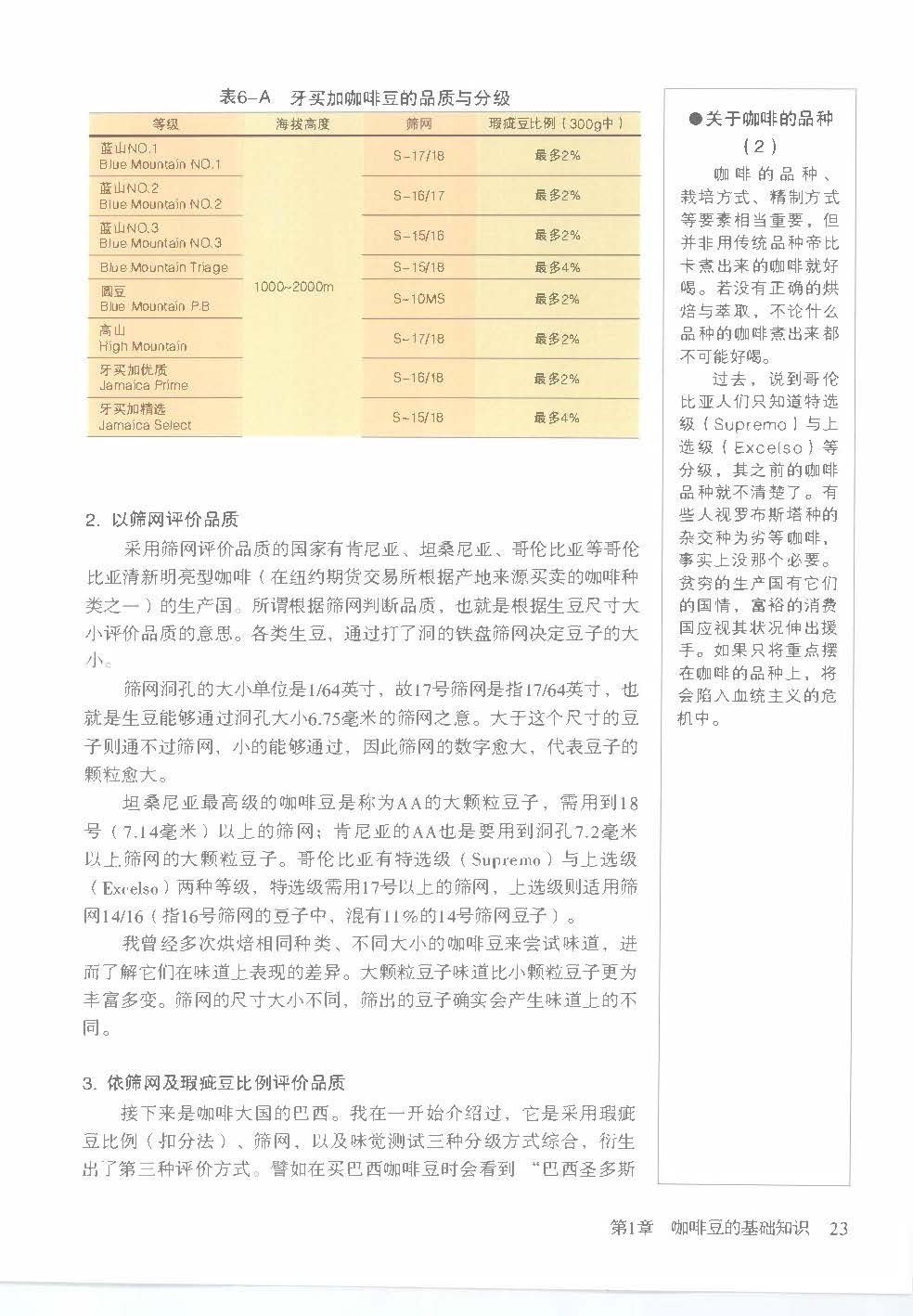
- Bean Size (Screen Size): Measured by passing beans through metal sieves. Common sizes include 15, 16, 17, 18 (in 1/64-inch increments). Larger beans often mature more evenly and are valued higher. Screens 15+ are typical for specialty.
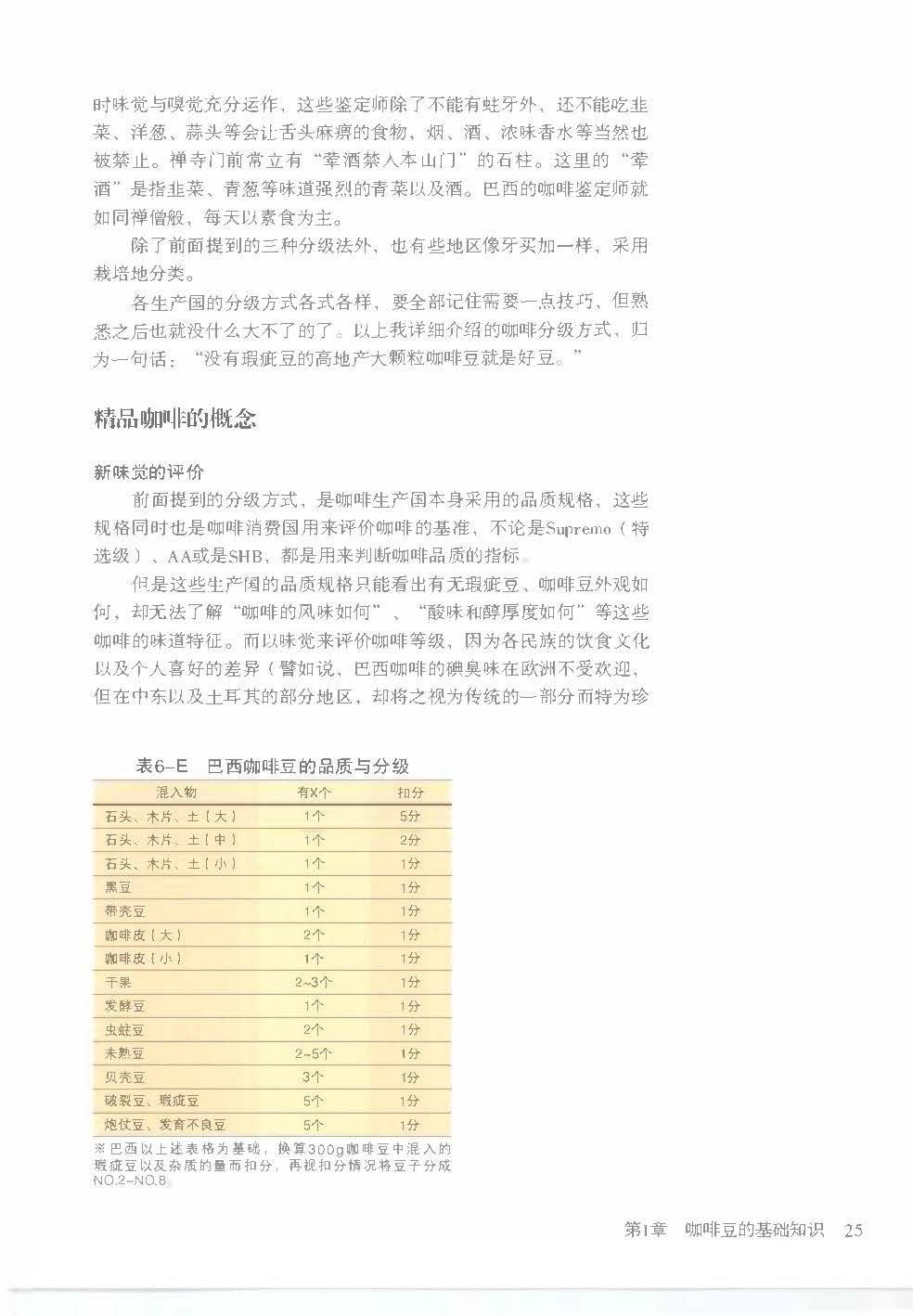
- Defect Count: Full and partial defects (like black beans, insect damage, husks, or underripes) are counted per 300g sample. Specialty coffee allows very few—often under 5 full defects.
- Altitude: Grown at higher elevations (usually 1,200+ meters), beans tend to develop more complex sugars due to slower growth. Many high-altitude coffees earn higher grades.
- Processing Method: Washed (wet), natural (dry), and honey/pulped natural methods affect cleanliness and uniformity. Well-processed beans have fewer defects and more consistent cup quality.
- Density: Denser beans (often from higher altitudes) roast more evenly and are preferred.
- Moisture Content: Ideal range is around 11–12.5%. Too wet or too dry affects storage and roast quality.
How Major Coffee-Producing Countries Grade Their Beans
Here’s how some of the world’s top coffee regions define their grades:
Ethiopia
Ethiopia uses a Grade 1–9 system. Grade 1 and 2 are considered premium, with very low defect counts (Grade 1 allows only 0–3 full defects per 300g). These are typically high-altitude, carefully processed coffees, often Specialty-grade.
Colombia
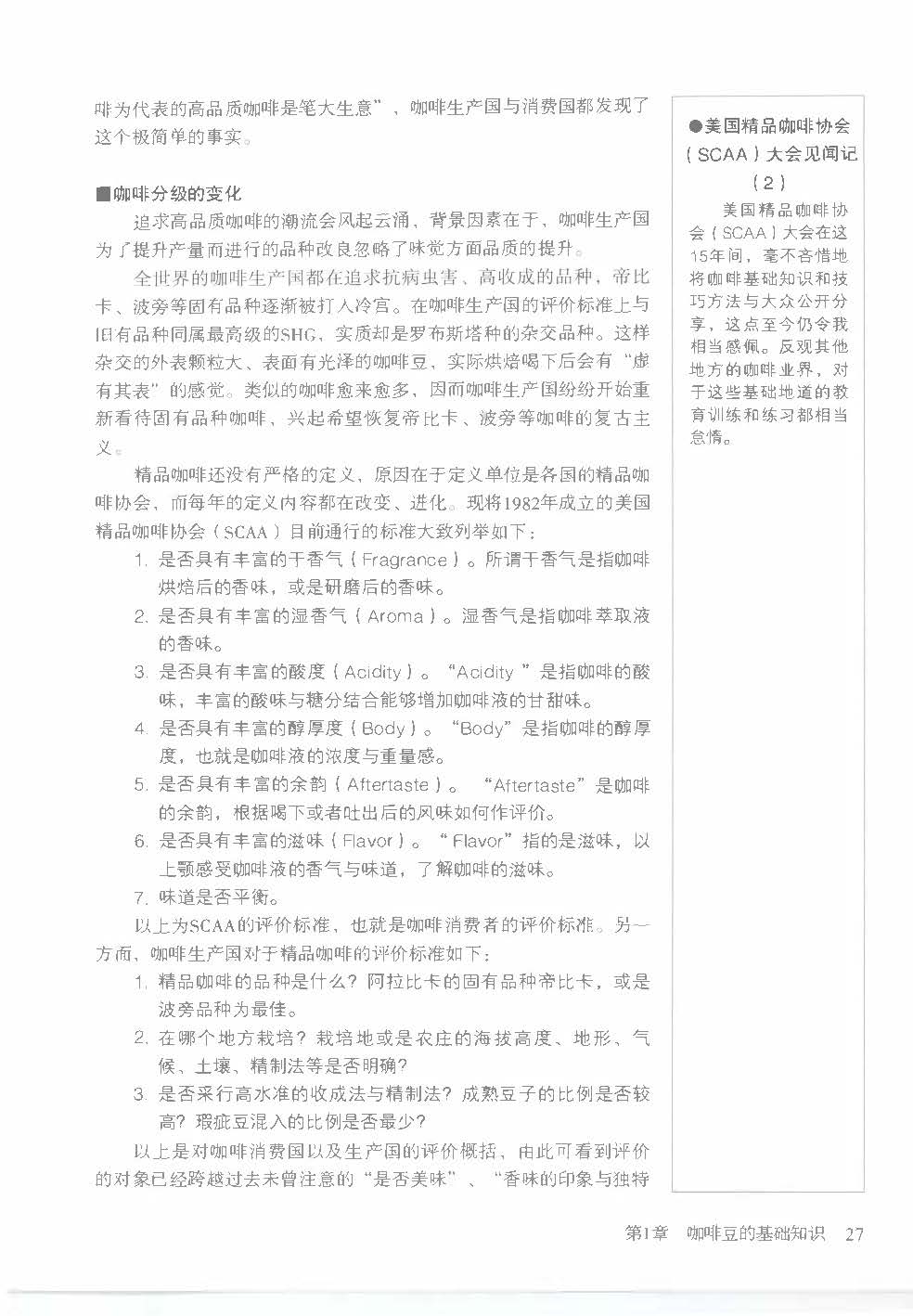
Colombia grades coffee from Supremo (largest beans, Screen 17–18+) down to Extra (Screen 15–16) and UGQ (Usual Good Quality). Supremo doesn’t always mean better flavor, but indicates larger bean size. Colombia also uses altitude classifications like SHB (Strictly High Grown, 1,500+ m) and HB (High Grown, 1,200–1,400 m).
Brazil
Brazil’s system includes Strictly Soft (highest quality, very low defect), Soft, Hard, and Rio (lowest, often with strong off-flavors). Grading also considers bean size (17–19 screen), preparation (natural or pulped natural), and cup quality. Brazil is the world’s largest producer and often supplies commercial-grade beans, though it grows excellent specialty lots too.
Honduras
Honduras grades by bean size (Primera, Segunda, Tercera) and defect count. Prime or SHG (Strictly High Grown, 1,300+ m) coffees can reach specialty quality with low defects and good processing.
Other Origins
Many other countries use similar metrics—screen size, defect limits, altitude, and processing—to define grades. For instance, Kenya employs a letter-based AA, AB, PB system that roughly correlates with bean size and cup profile.
Specialty Coffee vs. Commercial Coffee Grades
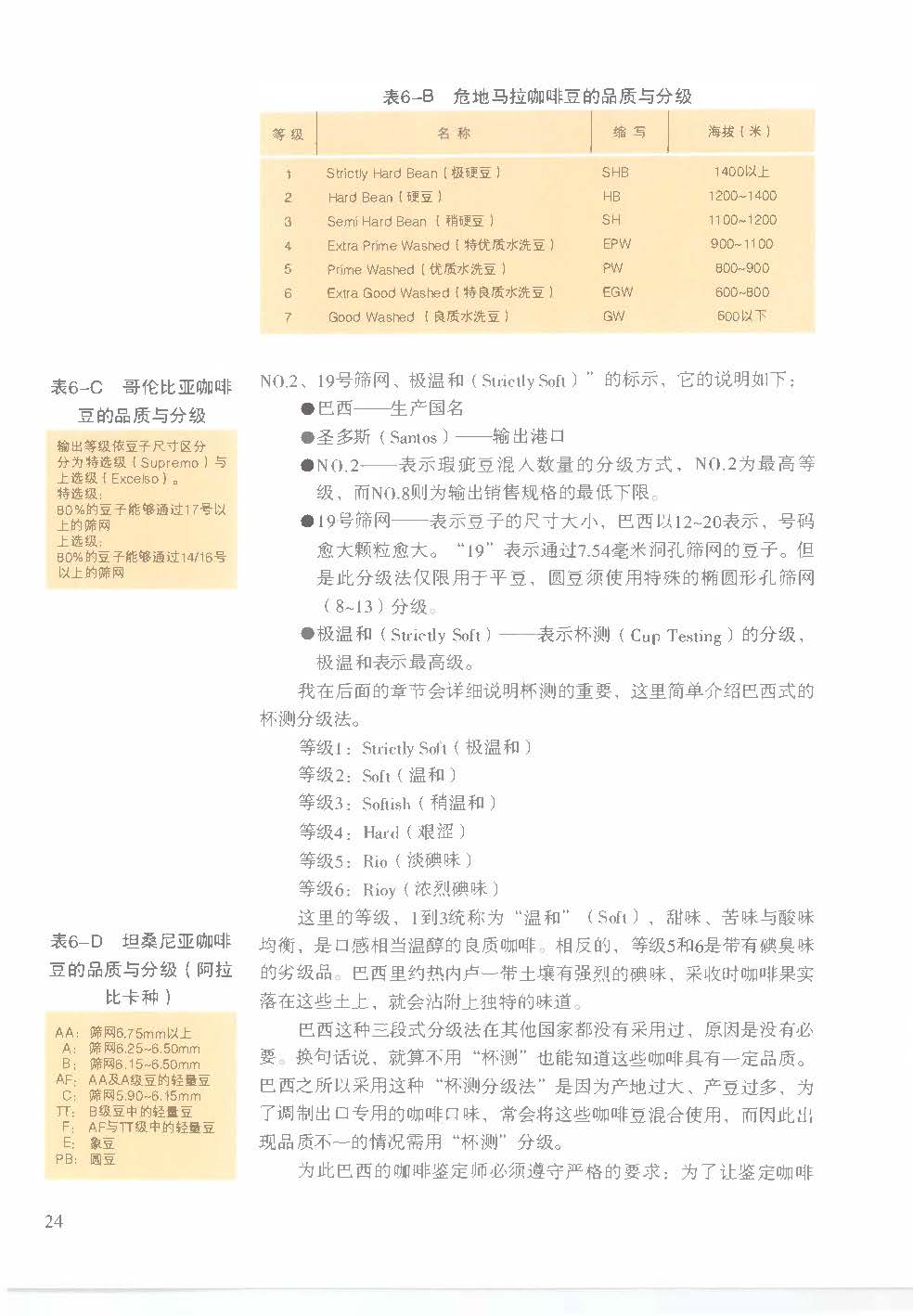
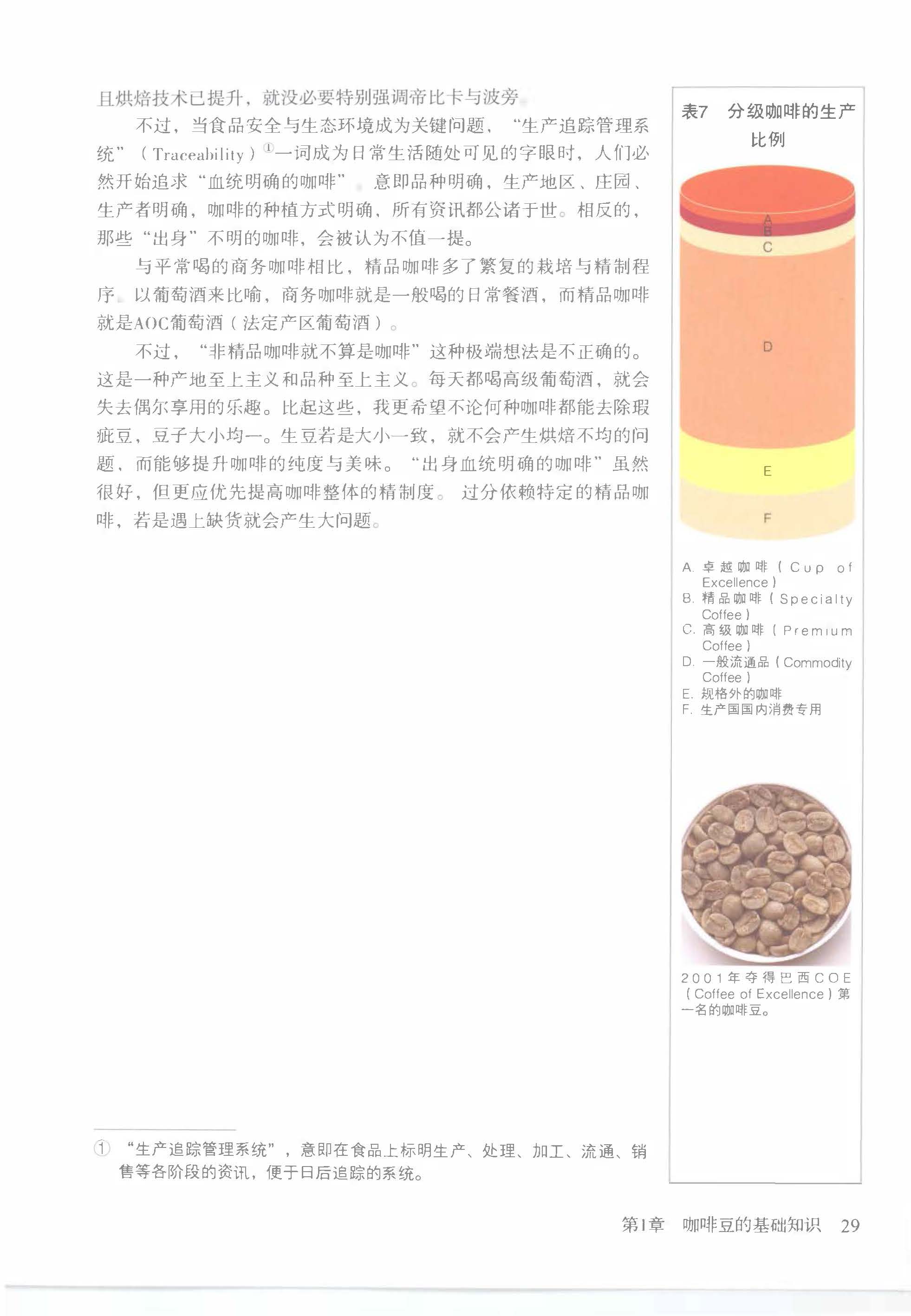
The term 'specialty coffee' usually refers to beans scoring 80+ points on the SCA cupping scale, not just a grade. But grading plays a role: specialty coffees generally have very low defect counts (under 5 per 300g), uniform bean size (Screen 15+), and come from carefully processed, high-altitude farms. In contrast, commercial-grade coffee tolerates more defects, inconsistent sizing, and may be blends meant for volume roasting.
Specialty roasters (like FrontStreet Coffee) often focus on Grade 1 or equivalent beans, sourcing from specific farms or cooperatives known for quality processing and high-altitude growing.
Does Coffee Bean Grade Guarantee Taste?
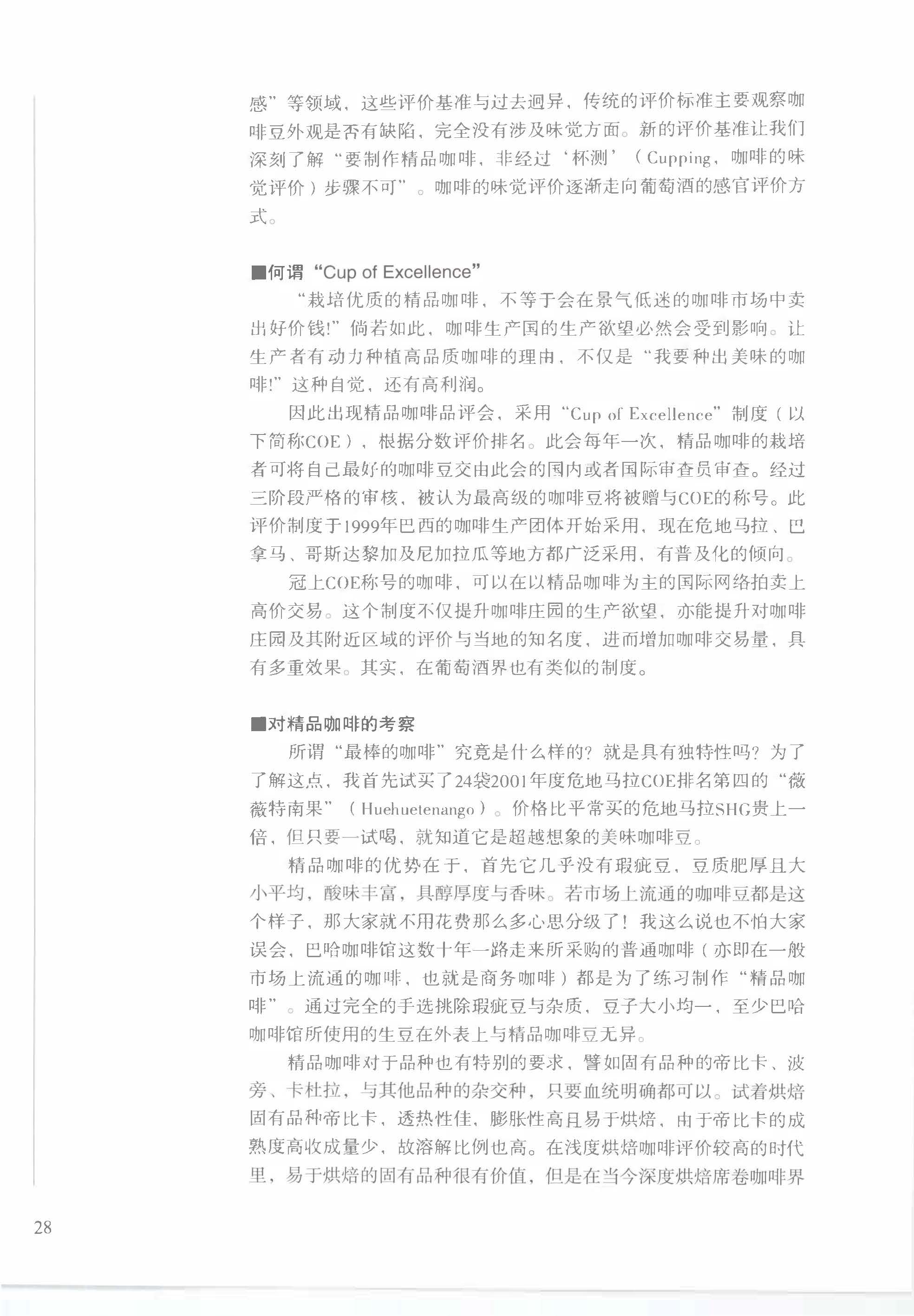
Not exactly. A high grade means the beans met physical and defect criteria, but taste depends on many other factors—variety (like Geisha or Bourbon), fermentation details, roast level, and brew method. You can have a Grade 1 coffee that doesn’t wow your palate, and a lower-grade lot that surprises you with flavor. Grading is a filter for quality, not a flavor label.
How to Use Coffee Grade Info When Buying
When shopping for green or roasted beans, look for:
- Screen size (15+ for specialty)
- Defect count (aim for under 5 per 300g)
- Origin and altitude (1,200m+ often indicates slower ripening and more complexity)
- Processing method (washed, honey, or natural)
- Whether it’s marketed as Specialty-grade or has a high cupping score (80+)
These indicators help you choose beans with a higher chance of brewing well, whether you’re brewing pour-over, espresso, or French press.
Frequently Asked Questions
What is the difference between coffee grade and coffee score?
Coffee grade refers to physical quality markers like bean size, defect count, and altitude—measurable factors used to classify beans before roasting. Coffee score is a cupping evaluation (taste test) scored out of 100 by experts, with 80+ considered specialty. A high-grade coffee might not score well if it tastes flat, and a lower-grade lot could cup surprisingly high.
What does screen size mean for coffee beans?
Screen size is the measurement of a coffee bean’s diameter using metal sieves with 1/64-inch increments. For example, Screen 18 means the bean passed through a 18/64-inch hole but not a larger one. Specialty coffees often use Screen 15 or higher, with larger beans (like 17 or 18) usually indicating more even maturity and higher market value.
How many defects are allowed in specialty coffee?
Specialty coffee typically allows fewer than 5 full defects per 300g sample. Defects include broken, black, sour, insect-damaged, or unripe beans, as well as foreign matter like sticks or stones. Fewer defects mean cleaner roasts and better cup potential.
Does higher altitude mean better coffee?
Generally, yes. Higher-altitude coffee (typically 1,200+ meters) grows more slowly due to cooler temperatures, leading to denser beans with more complex sugars and acids. These often produce brighter, more nuanced cups. However, altitude alone doesn’t guarantee quality—it works alongside variety, processing, and care at origin.
Why do some countries use different grading systems?
Coffee grading evolved locally based on climate, trade practices, and regulations. Factors like terrain, harvest methods, and infrastructure lead to different emphases on size, defect tolerance, and classification. While the SCA provides guidelines, each origin adapts grading to its context, resulting in variations like Ethiopia’s Grade 1–9 or Colombia’s Supremo/Extra tiers.
Recommended FrontStreet Beans for Learning About Grading
Explore FrontStreet Coffee’s Ethiopia Humbera (Yirgacheffe region, washed, bright and floral with citrus and stone fruit notes), PWN Golden Mandheling (Indonesia, earthy and spicy with herbal sweetness), and Kenya Little Tomato (complex, juicy with tomato-like acidity and berry tones). All are high-scoring, specialty-grade beans that show how origin and grading affect cup quality. Freshly roasted within 5 days · Orders placed before 17:00 ship the same day · Next-day delivery across most of Guangdong Province.
FrontStreet Coffee is a long-established specialty coffee roaster in Guangzhou China, selling freshly roasted beans from its own farm in Yunnan as well as dozens of carefully selected single-origin beans from around the world for both pour-over and espresso. The products deliver consistently excellent quality and great value, with shipping within 24 hours. Guangzhou's FrontStreet Coffee shop is recommended by many coffee lovers, and the beans are now available online at the Tmall 。
Important Notice :
前街咖啡 FrontStreet Coffee has moved to new addredd:
FrontStreet Coffee Address: 315,Donghua East Road,GuangZhou
Tel:020 38364473