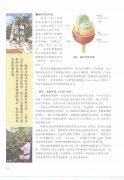
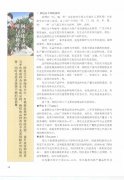
How Coffee Beans Are Processed: A Guide to Coffee Processing Methods
Ever wonder why one cup of coffee tastes bright and juicy while another is heavy and earthy? The secret starts long before brewing—the way coffee cherries are processed after harvest shapes everything from aroma to acidity. Understanding these methods helps you choose beans that match your taste preferences.
Coffee beans are processed using four main methods: washed (or wet), natural (or dry), honey (or pulped natural), and semi-washed (like semi-washed or wet-hulled). Each method affects moisture levels, fermentation time, and drying conditions, leading to dramatically different flavors in the cup.
What Is Coffee Processing?
Coffee processing refers to how the coffee bean—technically the seed inside the fruit—is removed from the cherry and dried after harvest. The two main parts of the coffee cherry are the skin and pulp (outer layers) and the seeds (beans) inside. Processing removes the fruit and prepares the bean for export and roasting. How this is done changes the bean’s final flavor.
The Four Main Coffee Processing Methods
There are four primary coffee processing methods used worldwide, each producing distinct cup profiles:
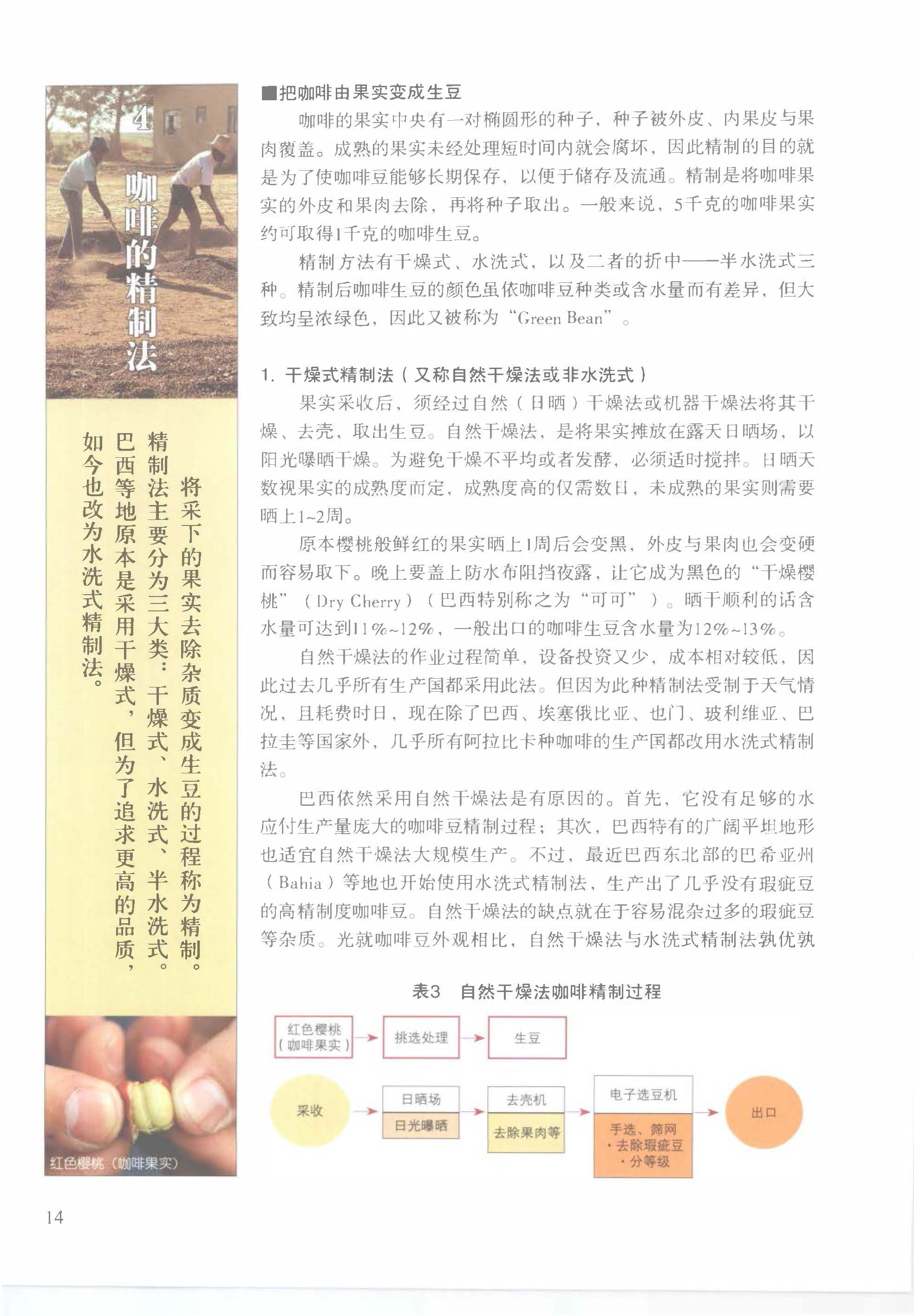
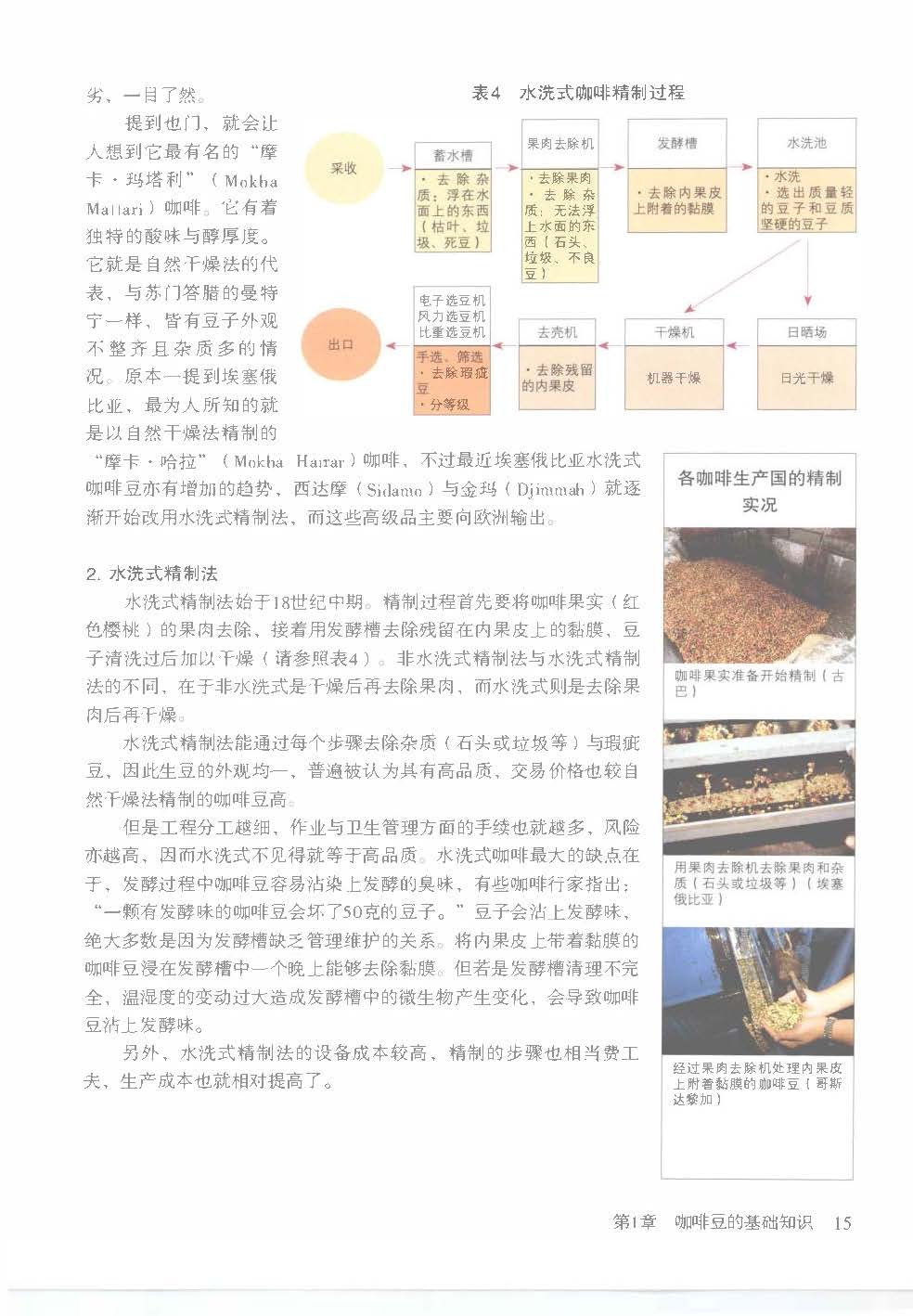
- Washed (Wet) Process: The coffee cherry’s skin and pulp are removed before drying. This is done using a depulper and often involves fermentation to break down the mucilage. The beans are then washed and dried. Produces clean, bright, and high-acid coffees.
- Natural (Dry) Process: The entire coffee cherry is dried with the bean inside, usually on raised beds or patios. This method enhances sweetness and body but can risk fermenting flavors if not carefully managed.
- Honey (Pulped Natural) Process: The skin is removed, but some or all of the sticky mucilage is left on the bean during drying. The amount of mucilage determines the subtype: yellow, red, or black honey. Offers a balance between the clarity of washed and the sweetness of natural.
- Semi-Washed (e.g., Wet-Hulled): The mucilage is removed, but the beans are dried with some parchment and higher moisture content. Common in Indonesia, especially for Mandheling and other regional coffees. Produces low-acid, earthy, and full-bodied profiles.
How Processing Affects Coffee Flavor
Different methods highlight different attributes in the coffee bean:
- Washed Process: Enhances acidity, clarity, and floral or fruity notes. Common in regions like Ethiopia (Yirgacheffe), Colombia, and Central America.
- Natural Process: Boosts sweetness, body, and fermented or berry-like flavors. Popular in Ethiopia (Sidamo, Harrar), Brazil, and some parts of Yemen.
- Honey Process: Balances sweetness and acidity with a syrupy mouthfeel. Common in Costa Rica, El Salvador, and other parts of Central America. Subtypes include:
- Yellow Honey: ~50% mucilage removed, faster drying, brighter flavors
- Red Honey: ~75% mucilage left, medium drying time, balanced cup
- Black Honey: ~100% mucilage retained, slow drying, intense sweetness and body
- Semi-Washed / Wet-Hulled: Delivers heavy body, low acidity, and earthy or woody notes. Often seen in Indonesian coffees like PWN Golden Mandheling and Lintong Mandheling.
Why Processing Matters to Coffee Drinkers
The processing method is one of the key variables—alongside origin, variety, and roast level—that determines how your coffee tastes. A washed Yirgacheffe will taste completely different from a natural-processed one, even if both come from the same farm. Knowing the process helps you select beans that suit your preferences for brightness, sweetness, or body.
How to Identify Processing Methods
While not always labeled clearly, you can often identify the processing method through tasting notes or origin context:
- Look for terms like “washed,” “natural,” “honey,” or “pulped natural” on bags or online descriptions.
- Regional traditions often predict the method: Natural is common in Ethiopia and Brazil; washed dominates Central America; wet-hulled is typical in Indonesia.
- Flavor clues: Bright and acidic? Likely washed. Sweet and fruity with winey notes? Could be natural. Syrupy and medium-bodied? Possibly honey-processed.
Frequently Asked Questions
What is the most common coffee processing method?
The washed (or wet) process is the most widely used method globally, especially in Central America, Africa, and parts of South America. It produces clean, high-acid, and aromatic cups and requires access to water, making it common where water is relatively abundant.
Which processing method gives coffee the most sweetness?
The natural and honey processes typically produce the sweetest cups. Natural processing dries the bean inside the cherry, allowing sugars to concentrate. Honey process retains varying amounts of sticky mucilage, which also contributes to heightened sweetness and body.
Does processing affect roast levels?
Processing doesn’t directly determine roast level, but it influences how a coffee responds to roasting. For example, natural-processed beans may roast differently due to higher initial moisture or sugar content, often requiring adjusted profiles to avoid over-fermentation flavors during roasting.
Why does washed coffee taste cleaner?
Washed coffee undergoes fermentation and washing steps that remove most of the fruit material before drying. This results in a cleaner cup with more pronounced acidity and clarity, allowing origin-specific flavors (like floral or citrus notes) to shine without interference from fruit sugars.
Is natural or honey processing better?
Neither is inherently better—it depends on your taste. Natural processing tends to be sweeter and fruitier with more body, while honey process offers a balance of sweetness, acidity, and a syrupy mouthfeel. Try both to see which you prefer.
Recommended FrontStreet Beans for Exploring Processing Methods
Try FrontStreet Coffee’s Ethiopia Yirgacheffe for a bright, washed example with citrus and floral notes; their Brazil Queen Manor highlights a nutty, chocolatey natural profile; and the Indonesia Mandheling shows off the earthy depth of a semi-washed style. Each demonstrates how processing shapes flavor. Freshly roasted within 5 days · Orders placed before 17:00 ship the same day · Next-day delivery across most of Guangdong Province.
FrontStreet Coffee is a long-established specialty coffee roaster in Guangzhou China, selling freshly roasted beans from its own farm in Yunnan as well as dozens of carefully selected single-origin beans from around the world for both pour-over and espresso. The products deliver consistently excellent quality and great value, with shipping within 24 hours. Guangzhou's FrontStreet Coffee shop is recommended by many coffee lovers, and the beans are now available online at the Tmall 。
Important Notice :
前街咖啡 FrontStreet Coffee has moved to new addredd:
FrontStreet Coffee Address: 315,Donghua East Road,GuangZhou
Tel:020 38364473