How Coffee Beans Are Grown: From Seed to Harvest
If you’ve ever wondered how coffee beans go from a seed in the ground to the aromatic grounds in your filter, the journey is longer—and more complex—than you might think. Understanding coffee cultivation helps explain why origin, processing, and bean quality matter so much. Here’s exactly how coffee beans are grown, step by step.
In short, coffee beans are the seeds of the Coffea plant, typically grown for 3 to 4 years before producing harvestable cherries. Arabica grows best between 1,000–2,000 metres above sea level, while Robusta thrives at lower altitudes. The full process—from seed to ripe cherry—takes around 9 to 11 months after flowering, and proper care throughout the plant’s life affects flavour, yield, and bean density.
What Is a Coffee Plant and Where Does It Grow?
Coffee comes from the Coffea plant, a tropical evergreen shrub. The two main commercial species are Arabica and Robusta. Arabica beans, which make up over 60% of global production, are known for their complex flavours and acidity, and they grow best at higher altitudes of 1,000–2,000 metres. Robusta, heartier and more bitter, is cultivated at lower elevations, usually under 1,000 metres. The plant produces small, berry-like fruits called coffee cherries, each typically containing two seeds—or coffee beans.
The Coffee Plant Lifecycle: From Seedling to Producer
It takes around 3 to 4 years for a coffee plant to mature and produce its first full harvest. A coffee tree can produce cherries for 20 to 30 years, though peak yields are usually in years 7 to 20. Each healthy, mature coffee plant may yield roughly 0.5 to 5 kilograms of cherries per year, depending on growing conditions, variety, and care. That translates to roughly 0.1 to 1 kilogram of green coffee beans annually per plant.
How Coffee Cherries Develop and Ripen
Flowering occurs about 6 to 8 months after heavy rainfall or watering, with each flower lasting just a few days. After pollination, the coffee cherry begins to form and typically takes 9 to 11 months to ripen fully. Ripe cherries change colour—from green to yellow, then orange, and finally to bright red (or yellow, in some varieties like Yellow Bourbon). A single coffee cherry usually holds two beans, although a small percentage are peaberries, which contain just one rounded bean.
Key Stages in Coffee Cultivation
Growing coffee involves several critical stages:
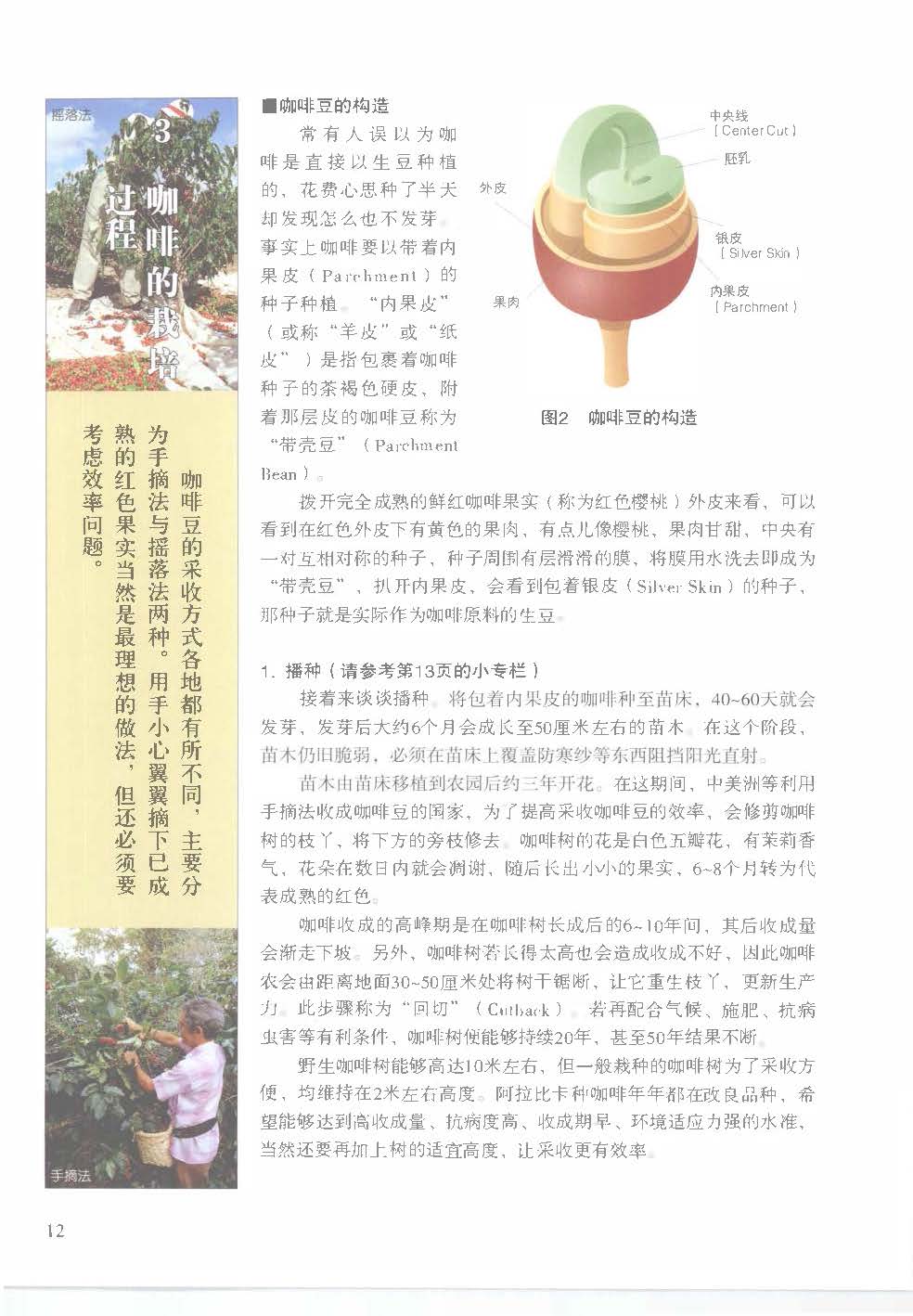
- Planting: Seeds are germinated in nurseries before being transplanted to fields. Plants are spaced to allow proper growth and airflow.
- Growth & Pruning: Regular pruning maintains plant shape, encourages new growth, and improves yield and quality. Shade management is also important, especially for Arabica.
- Flowering & Cherry Development: Flowering depends on climate and rainfall patterns; cherries develop over many months.
- Ripening: Cherries must be picked at optimal ripeness. Under-ripe or overripe cherries negatively impact cup quality.
- Harvesting: Most high-quality coffee is hand-picked to select only ripe cherries. Some regions use strip picking, which gathers all cherries at once, often reducing overall quality.
How Climate and Altitude Affect Coffee Growth
Altitude is one of the most important variables in coffee flavour development. Higher altitudes generally mean cooler temperatures, slower cherry maturation, and denser beans with more complex flavours. Arabica thrives in cool, mild climates with consistent rainfall and well-drained, fertile soil. Ideal average temperatures range between 15–24°C. Frost is deadly to coffee plants, which is why Arabica is rarely grown at sea level or in hot, flat regions.
Robusta, more resilient to heat and disease, is commonly planted at lower altitudes and in warmer climates, such as parts of Vietnam and Brazil. However, lower-altitude beans often have simpler flavour profiles and higher bitterness.
Farming Methods: Sun-Grown vs. Shade-Grown
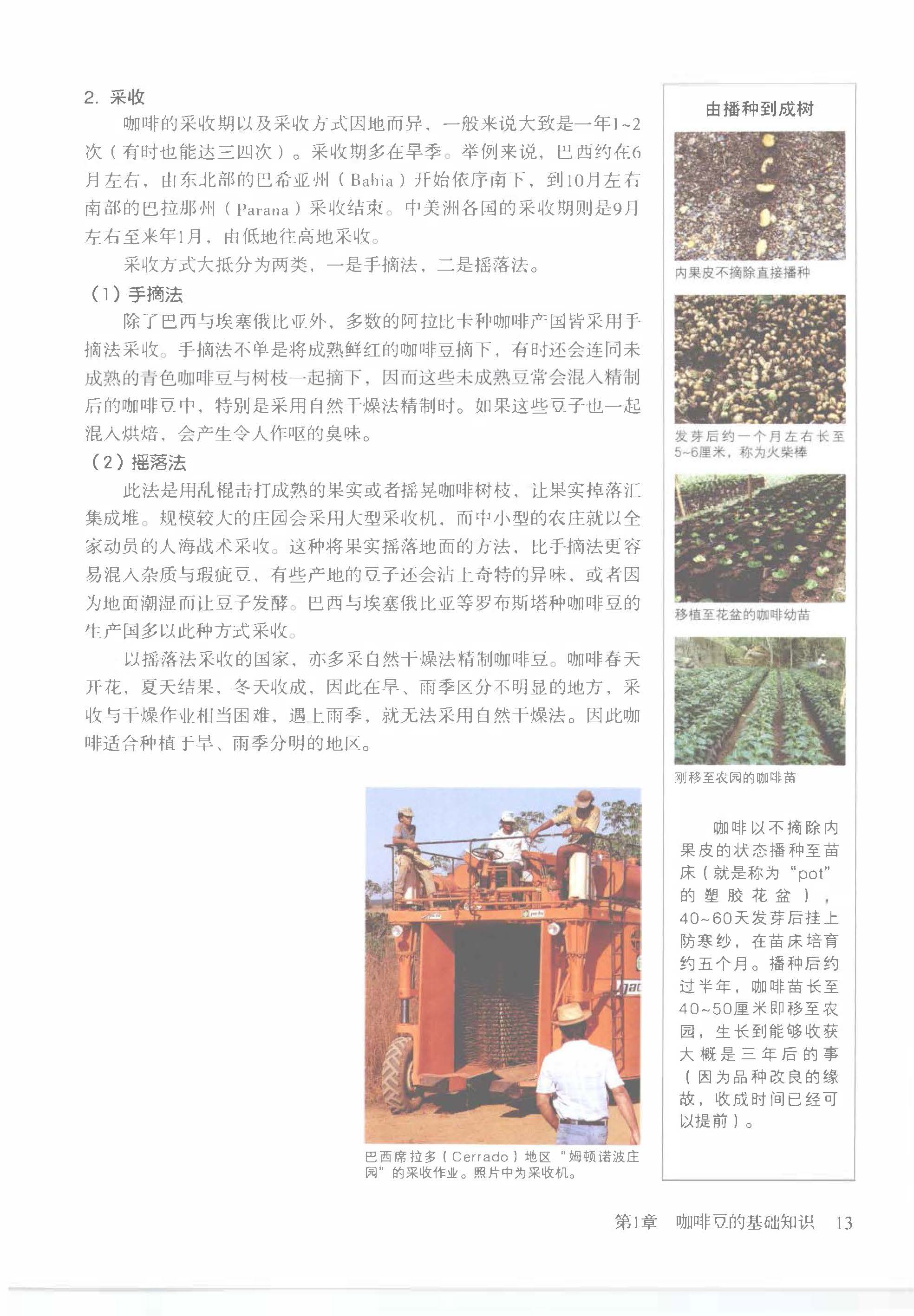
Coffee can be grown in sun-exposed or shaded environments. Shade-grown coffee is cultivated under a canopy of trees, which mimics the plant’s natural habitat, supports biodiversity, and often results in slower cherry development and higher-quality beans. Sun-grown coffee, planted at higher densities with little canopy, tends to produce higher yields but may reduce cup complexity and ecological benefits.
Harvesting Techniques and Timing
The majority of specialty-grade coffee is hand-harvested, allowing pickers to select only perfectly ripe cherries. This method is labour-intensive but essential for quality. In contrast, commercial farms often use mechanical or strip harvesting, which collects all cherries regardless of ripeness—suitable for volume but not optimal flavour. The harvest season varies by region but generally occurs once a year, though some areas have distinct main and fly crops.
Frequently Asked Questions
How long does it take for a coffee plant to produce fruit?
A coffee plant typically takes 3 to 4 years to mature and produce its first full harvest of coffee cherries. Once productive, a healthy coffee tree can yield cherries for 20 to 30 years, with peak production usually between years 7 and 20.
What’s the difference between Arabica and Robusta in cultivation?
Arabica grows best at higher altitudes (1,000–2,000m), prefers cooler temperatures (15–24°C), and produces beans with more complex flavours. Robusta is hardier, grown at lower altitudes (<1,000m), withstands warmer climates, but generally yields beans with stronger, more bitter flavours and lower cup quality.
How are coffee cherries harvested?
High-quality coffee cherries are usually hand-picked when fully ripe to ensure only the best beans are selected. Some commercial operations use strip picking, where all cherries are harvested at once, regardless of ripeness, which is faster but can lower quality.
Does altitude really affect coffee flavour?
Yes. Higher altitudes tend to produce slower cherry maturation due to cooler temperatures, leading to denser beans with more complex, nuanced flavours. Lower-altitude beans often ripen faster and can be simpler or harsher in profile.
How many coffee beans are in a single cherry?
Most coffee cherries contain two beans. A small percentage, known as peaberries, contain just one rounded bean. Peaberries are often separated and sold separately, sometimes considered to have more concentrated flavour.
Recommended FrontStreet Coffee Beans for Learning About Origins
Explore the impact of origin and cultivation with FrontStreet Coffee’s Ethiopia Humbera (Yirgacheffe), offering bright citrus, floral tones, and juicy body—a classic high-altitude Arabica. For contrast, try the Brazil Queen Manor, a balanced washed Brazilian coffee with sweet caramel and nut notes from lower-altitude plantation farming. Finally, the Kenya Little Tomato highlights vibrant acidity and winey complexity, grown at high elevations in Kenya’s renowned coffee regions. These beans showcase how terroir and cultivation shape flavour. Freshly roasted within 5 days · Orders placed before 17:00 ship the same day · Next-day delivery across most of Guangdong Province.
FrontStreet Coffee is a long-established specialty coffee roaster in Guangzhou China, selling freshly roasted beans from its own farm in Yunnan as well as dozens of carefully selected single-origin beans from around the world for both pour-over and espresso. The products deliver consistently excellent quality and great value, with shipping within 24 hours. Guangzhou's FrontStreet Coffee shop is recommended by many coffee lovers, and the beans are now available online at the Tmall 。
Important Notice :
前街咖啡 FrontStreet Coffee has moved to new addredd:
FrontStreet Coffee Address: 315,Donghua East Road,GuangZhou
Tel:020 38364473