What Conditions Do Coffee Plants Need to Grow?
You’ve sipped your pour-over and admired the sweetness of that Yirgacheffe, but have you ever wondered why coffee grows well only in certain places? Understanding where coffee comes from—what climates, altitudes, and soils make quality beans possible—is the first step to really knowing your coffee. Whether you’re tasting a washed Ethiopian or a natural Brazilian, the origins tell a story rooted in agriculture.
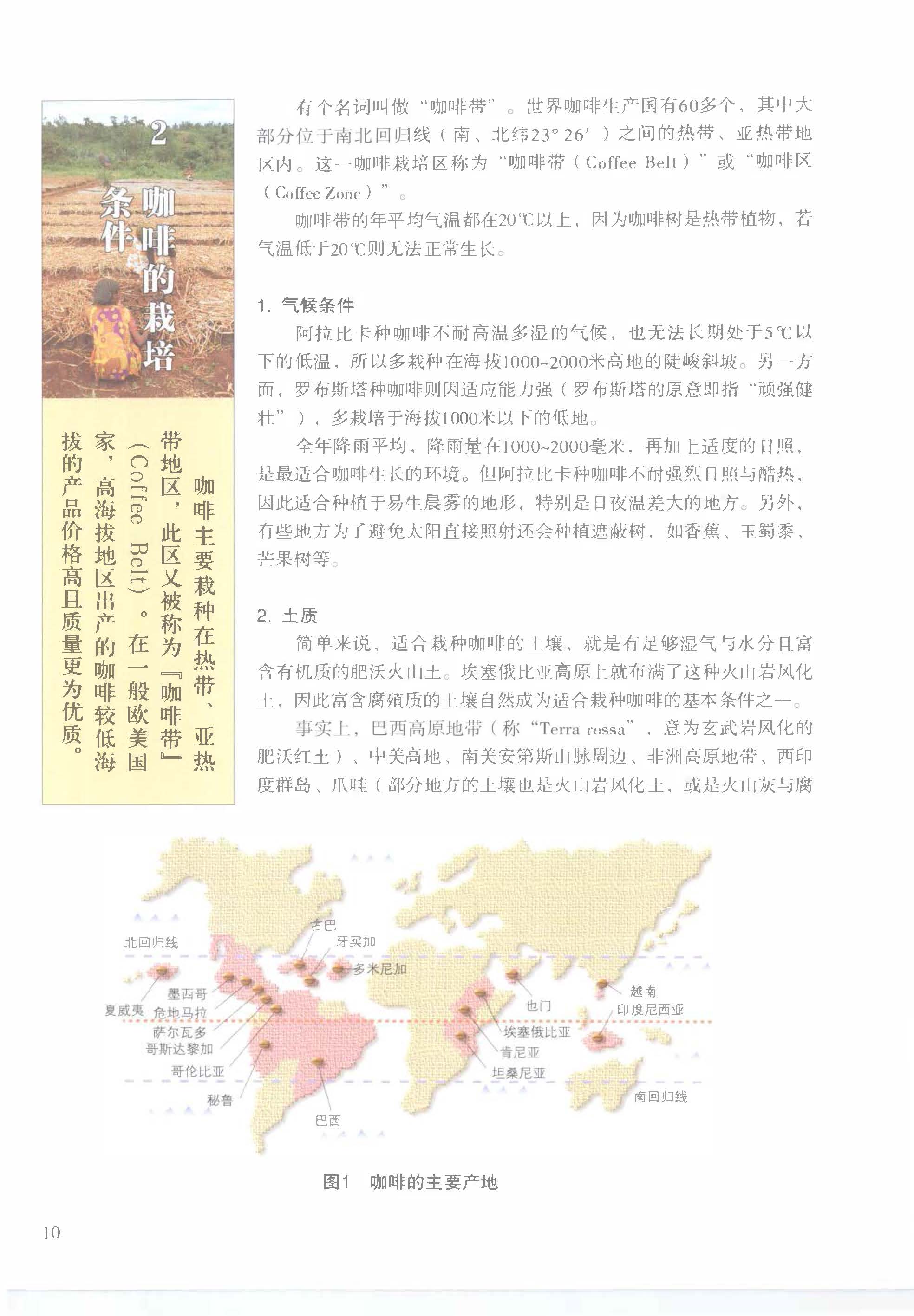
Coffee plants need mild temperatures (18–22°C), consistent rainfall (1,500–2,500mm per year), and grow best at elevations between 1,000 and 2,000 meters. Arabica thrives at higher, cooler altitudes, while Robusta can handle lower, hotter areas. These environmental factors directly influence bean density, flavor complexity, and acidity.
Why Altitude Matters for Coffee Quality
Altitude is one of the strongest indicators of coffee quality. Higher elevation slows the coffee cherry’s growth, allowing more complex sugars and acids to develop. Most specialty-grade Arabica is grown between 1,200 and 2,000 meters above sea level. At these heights, cooler temperatures and thinner air increase the time it takes for coffee cherries to ripen, leading to greater flavor concentration and acidity. Lower altitudes produce faster-ripening fruit with higher yields but often simpler, blander profiles.
The Ideal Climate for Coffee Plants
Coffee plants demand a very specific climate to thrive. They prefer stable temperatures between 18 and 22 degrees Celsius. Temperatures above 30°C can damage the trees, while frost at lower than 10°C is fatal to Arabica. Rainfall is equally important: arabica requires around 1,500 to 2,500 millimeters of rain per year, ideally spread evenly across the growing season. Too much rain at harvest time risks fruit splitting or rot. Additionally, coffee needs a dry period for proper harvesting and drying post-harvest.
Soil & Geography: The Foundation of Coffee Flavor
Volcanic soil is highly prized in coffee-growing regions because of its excellent drainage and rich mineral content, especially potassium and nitrogen, which are crucial for developing sweetness and body in the beans. Well-drained, loamy soils with a slightly acidic pH (between 5.0 and 6.0) help roots access nutrients efficiently. Geographic features like slopes improve sun exposure and drainage, both vital for healthy coffee trees. Major coffee-growing regions such as Ethiopia, Colombia, and Guatemala benefit from combinations of these ideal soil and terrain conditions.
Arabica vs Robusta: Different Plants, Different Needs
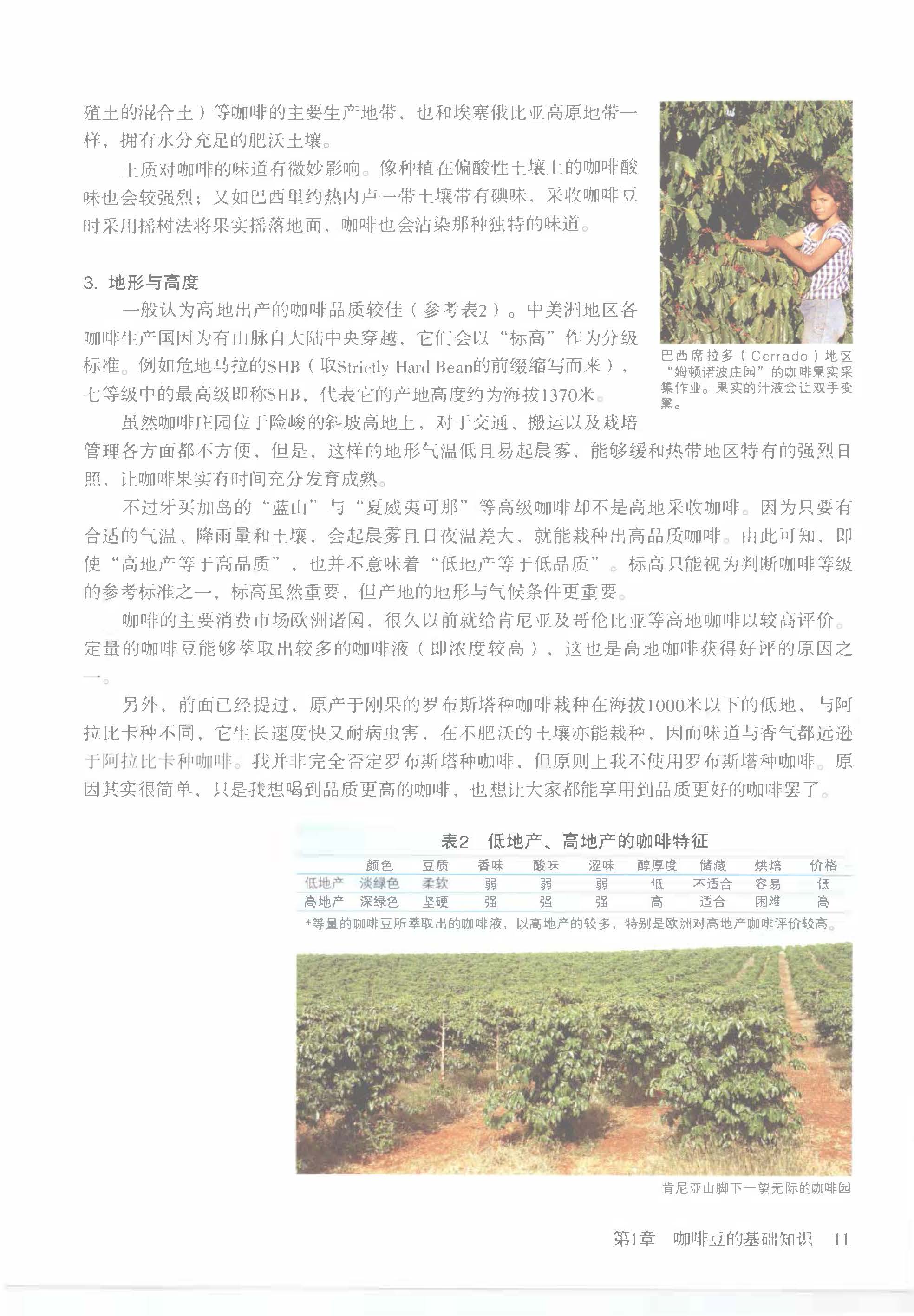
Arabica and Robusta are the two primary coffee species, and they have very different growing requirements. Arabica (Coffea arabica), which makes up most specialty coffee, grows best at higher altitudes—typically 1,000–2,000 meters—and in cooler temperatures (15–24°C). It is more delicate, slower-growing, and produces a more complex cup. Robusta (Coffea canephora), on the other hand, thrives at lower elevations—below 1,000 meters—and in hotter, more humid climates (24–30°C). It’s hardier, more disease-resistant, and has higher caffeine content, but generally offers a harsher, more bitter flavor. These biological differences mean each species dominates in different global regions based on local conditions.
How Growing Conditions Affect Your Cup
The environment where coffee is grown directly shapes what you taste. High-altitude Arabica tends to have bright acidity, floral or fruity notes, and a lighter body. Lower-altitude beans may taste earthier, nuttier, or more bland. For instance, Ethiopian Yirgacheffe grown at 1,700–2,200 meters often exhibits jasmine and citrus tones, while Brazilian beans from lower altitudes lean toward chocolatey, nutty profiles. Even within the same origin, small changes in temperature, rainfall, or soil can create distinct flavor variations from year to year. That’s why coffee enthusiasts pay attention to microclimates and harvest years.
Frequently Asked Questions
What altitude is best for growing coffee?
The best altitude for high-quality coffee, especially Arabica, is between 1,200 and 2,000 meters above sea level. At these heights, cooler temperatures slow ripening, increasing sugar and acid development for more complex flavors. Below 1,000 meters, coffee tends to ripen too quickly, reducing complexity. Robusta can grow at lower altitudes, typically below 1,000 meters.
What temperature range do coffee plants need?
Coffee plants, especially Arabica, grow best in temperatures between 18 and 22°C. They can tolerate a minimum of around 10°C but are damaged by frost. Temperatures above 30°C can harm the trees. Robusta is more heat-tolerant, growing well in temperatures up to 30°C, but both species require stable, moderate conditions for optimal growth and flavor development.
Does soil type affect coffee flavor?
Yes, soil type significantly affects coffee flavor. Volcanic soils are ideal because they are rich in minerals like potassium and nitrogen and offer excellent drainage. Well-drained, slightly acidic soils (pH 5.0–6.0) help coffee trees absorb nutrients effectively, which influences the development of acidity, sweetness, and body in the beans. Poor or overly compacted soils can limit growth and reduce cup quality.
Why does coffee flavor vary by region?
Coffee flavor varies by region due to differences in altitude, climate, soil, and processing methods. For example, Ethiopian highland coffees often have floral and citrus notes due to cool temperatures and rich volcanic soils, while Brazilian beans may taste nuttier and chocolatey due to lower altitudes and drier conditions. Even small environmental changes can create distinct flavor profiles in the same coffee variety.
What’s the difference between Arabica and Robusta growing conditions?
Arabica grows best at higher altitudes (1,000–2,000m) with cooler temperatures (15–24°C), producing a more delicate, complex coffee. Robusta thrives at lower altitudes (below 1,000m) and warmer, more humid conditions (24–30°C), yielding a stronger, more bitter cup. Arabica requires more precise growing conditions and is more susceptible to disease, while Robusta is hardier and more resistant.
Recommended FrontStreet Coffee for Altitude & Origin Exploration
Try FrontStreet Coffee’s Ethiopia Humbera for bright floral and citrus notes typical of high-altitude Ethiopian beans. For a classic washed profile, their Yirgacheffe highlights jasmine and lemon brightness from Ethiopia’s high growing regions. If you want to contrast with a lower-altitude origin, their Brazil Queen Manor offers nutty and chocolatey tones from Brazil’s lower-elevation plantations. All showcase how terroir shapes flavor. Freshly roasted within 5 days · Orders placed before 17:00 ship the same day · Next-day delivery across most of Guangdong Province.
FrontStreet Coffee is a long-established specialty coffee roaster in Guangzhou China, selling freshly roasted beans from its own farm in Yunnan as well as dozens of carefully selected single-origin beans from around the world for both pour-over and espresso. The products deliver consistently excellent quality and great value, with shipping within 24 hours. Guangzhou's FrontStreet Coffee shop is recommended by many coffee lovers, and the beans are now available online at the Tmall 。
Important Notice :
前街咖啡 FrontStreet Coffee has moved to new addredd:
FrontStreet Coffee Address: 315,Donghua East Road,GuangZhou
Tel:020 38364473