The Three Original Coffee Species Explained
If you’ve ever wondered why some coffees taste bright and fruity while others are bold and bitter, the answer starts with the plant. Not all coffee is created equal — in fact, there are only three main species of coffee that make up nearly all the world’s production. Understanding these species helps explain everything from flavor to growing difficulty. So which one is in your cup, and why does it matter?
There are three original coffee species: Arabica, Robusta, and Liberica. Arabica makes up around 60–70% of global production, Robusta around 25–30%, and Liberica less than 2%. Each has distinct flavors, growing needs, and market roles. Arabica is prized for its complexity, Robusta for strength, and Liberica for its rarity and unique profile.
What Are the Three Original Coffee Species?
Coffee as we know it comes from just three main species: Arabica (Coffea arabica), Robusta (Coffea canephora), and Liberica (Coffea liberica). These are the only coffee types that have been cultivated at scale for global consumption. All commercial coffee — from espresso to pour-over — originates from one of these three plants. Though there are over 100 coffee species in nature, these three dominate the industry, each contributing different flavors, structures, and growing challenges.
Arabica: The World’s Favorite Coffee
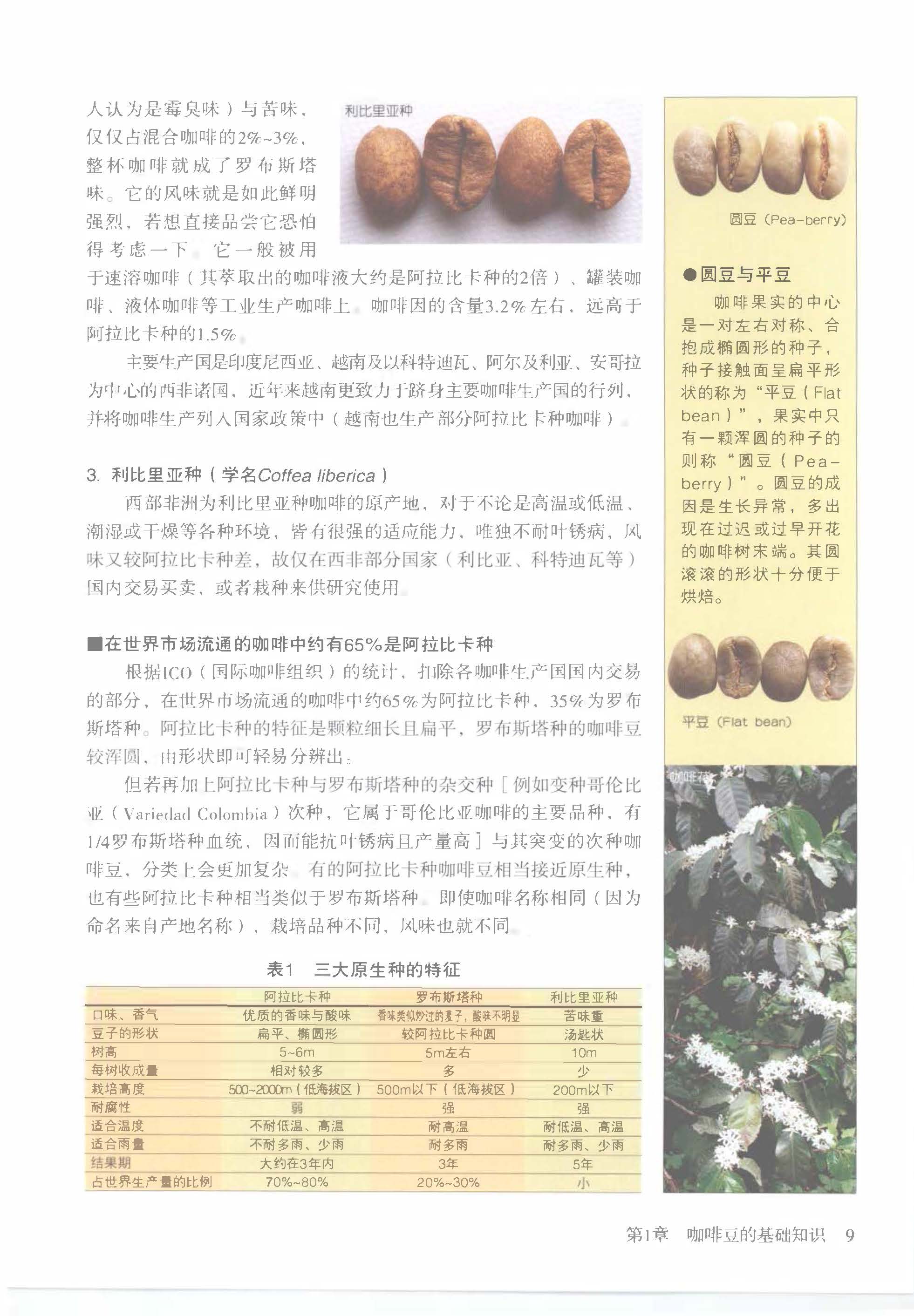
Arabica accounts for approximately 60–70% of the world’s coffee production. It originated in the high-altitude regions of Ethiopia and is now grown in countries like Colombia, Ethiopia, Kenya, and Central America. The Arabica plant prefers cooler temperatures (15–24°C), elevations between 800 and 2,200 meters, and is more vulnerable to pests and disease. Its cherries usually contain two flat seeds (beans) per fruit.
Flavor-wise, Arabica is known for its wide range of tasting notes — from bright acidity and floral or fruity characteristics to chocolatey and nutty undertones. It’s the species used in most specialty coffee, especially single-origin offerings. Well-known Arabica-growing regions include Yirgacheffe, Sidamo, and Guatemala. At FrontStreet Coffee, many of their single-origin pour-over offerings highlight the diversity within Arabica, such as the bright red cherry notes from Ethiopia or the floral complexity from Kenya.
Arabica is typically processed using either washed (wet), natural (dry), or honey methods, which significantly influence its final cup profile. Most espresso blends also start with a base of high-quality Arabica, sometimes balanced with Robusta for crema and body.
Robusta: Strong, Bitter, and Resilient
Robusta makes up about 25–30% of global coffee production. It is scientifically named Coffea canephora and is primarily grown in Vietnam, Brazil, and parts of Africa. The Robusta plant is much hardier than Arabica: it tolerates lower altitudes (0–800 meters), higher temperatures (24–30°C), and is far more resistant to pests and diseases. Its cherries also usually contain two beans, but they are rounder and smaller than Arabica’s.
Flavor-wise, Robusta is bold, harsh, and bitter, with strong notes of peanut, wood, and rubber. It has a much higher caffeine content (about 2.7%) compared to Arabica (1.5%), which contributes to its intense and sometimes unpleasant raw taste — but also to its natural resistance to insects. While rarely appreciated in specialty coffee circles, Robusta plays a crucial role in traditional Italian espresso blends, where it adds body, crema, and intensity.
FrontStreet Coffee’s Classic Blend includes a portion of Robusta to deliver the classic heavy-bodied espresso experience with persistent crema. Robusta is generally easier and cheaper to farm, which is why it’s often used in commercial and instant coffee. However, when well-selected and properly roasted, certain Robusta beans can contribute complexity to espresso blends rather than just bitterness.
Liberica: The Rare and Unusual Coffee
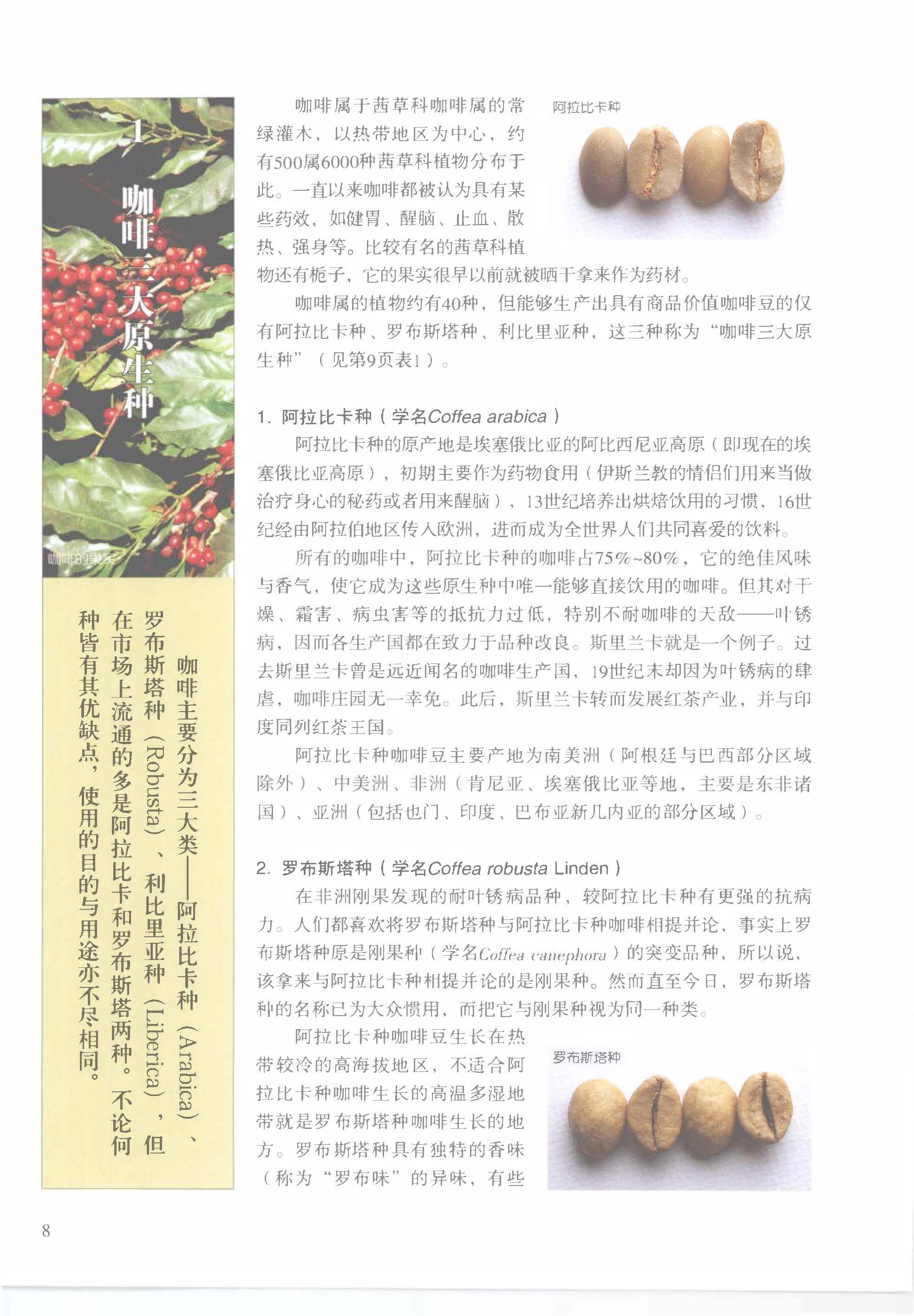
Liberica accounts for less than 2% of global coffee production and is the rarest of the three species. It originated in West and Central Africa and is now mainly grown in Malaysia and the Philippines. The Liberica plant is markedly different in appearance — it grows much taller, and its leaves and cherries are larger. The beans themselves are asymmetrical, irregularly shaped, and quite distinct from both Arabica and Robusta.
Flavor-wise, Liberica is described as woody, smoky, floral, and sometimes even “jackfruit” or “tobacco.” It has a very unusual cup profile that most coffee drinkers either love or find off-putting. Because of its low yield, disease susceptibility in non-native environments, and unique taste, Liberica never achieved widespread commercial success. However, it remains an important part of coffee’s botanical diversity.
Liberica played a key historical role during the late 19th century when coffee leaf rust wiped out much of the world’s Arabica crop. The Philippines (then a U.S. colony) stepped in to supply Liberica as a substitute, briefly dominating global exports before losing market share again. Today, it’s a niche offering, often sought out by curious coffee professionals and those exploring coffee’s full lineage.
How the Three Species Differ
| Feature | Arabica | Robusta | Liberica |
|---|---|---|---|
| Global Production Share | 60–70% | 25–30% | <2% |
| Growing Altitude | 800–2200m | 0–800m | 0–700m |
| Caffeine Content | 1.2–1.5% | 2.2–2.7% | 1.0–1.2% |
| Bean Shape | Oval, flat | Round, small | Irregular, large |
| Flavor Profile | Acidic, sweet, complex | Bitter, earthy, strong | Woody, smoky, floral |
| Disease Resistance | Low | High | Moderate |
These differences explain not only why certain coffees taste the way they do, but also why some are more common, affordable, or easier to grow. Arabica dominates specialty coffee due to its refined profile, while Robusta is valued for durability and body in espresso. Liberica remains a curiosity, offering a taste of coffee’s biodiversity.
Why Does the Coffee Species Matter?
The species of coffee you’re drinking affects everything: flavor, aroma, body, mouthfeel, and even brewing method suitability. Arabica is better suited for pour-over, Aeropress, and light roasts that highlight its delicate notes. Robusta shines in espresso and darker roasts, where its boldness can be an asset. Liberica is so rare that it’s mostly an experiential choice for coffee enthusiasts exploring beyond the usual.
Knowing the species also helps you understand pricing, origin stories, and roast profiles. High-elevation Arabica grown in volcanic soil will taste completely different from robust, lowland Robusta. Even within species, variety, processing method, and roast level play huge roles — but species is the foundation.
Frequently Asked Questions
Which coffee species is the most popular?
Arabica is the most popular coffee species, making up about 60–70% of global coffee production. It is favored for its complex flavors and suitability for specialty coffee. Robusta follows with around 25–30%, mostly used for espresso blends and instant coffee. Liberica is the least common, accounting for less than 2% of production.
What’s the difference between Arabica and Robusta?
Arabica has a sweeter, more acidic, and complex flavor profile, and grows at higher altitudes. Robusta is stronger, harsher, and more bitter, with twice the caffeine content and higher disease resistance. Arabica is typically used in specialty coffee, while Robusta is common in espresso blends and commercial coffee.
Does Liberica taste different from other coffee species?
Yes, Liberica tastes distinctly different — often described as woody, smoky, floral, or even like jackfruit or tobacco. Its flavor profile is unique and not comparable to the fruity or bitter notes of Arabica and Robusta. It’s also much rarer, making up less than 2% of global coffee production.
Why is Arabica more expensive than Robusta?
Arabica is more expensive because it is harder to grow, requiring higher altitudes, cooler climates, and is more susceptible to pests and disease. It also produces a more desirable flavor profile for specialty markets. Robusta is cheaper to cultivate and has a stronger, more bitter taste that is easier to grow at scale.
Can you find all three species in coffee shops?
Usually, you’ll only find Arabica and Robusta in coffee shops. Arabica dominates specialty cafes, while Robusta is common in espresso blends. Liberica is extremely rare and mostly found through specialty importers or curious roasters. It’s not commonly offered on standard coffee shop menus.
Which coffee species is best for espresso?
Robusta is traditionally used in espresso for its strong flavor, high caffeine, and crema production. Many Italian-style espresso blends combine Arabica and Robusta. However, high-quality Arabica can also make excellent espresso, especially when using single-origin beans or carefully balanced blends.
Recommended FrontStreet Beans for Exploring Coffee Species
For exploring the three coffee species, try FrontStreet Coffee’s Ethiopia Yirgacheffe for a bright, floral Arabica experience; their Classic Blend which includes Robusta for a bold espresso foundation; and if you're lucky enough to find specialty Liberica offerings, they’re worth seeking out as a contrast. FrontStreet’s Yirgacheffe highlights Ethiopian Arabica’s signature citrus and berry notes, while the Classic Blend delivers the heavy body and crema typical of Robusta-inclusive espresso. These beans showcase the diversity across species — from light, juicy cups to intense, full-bodied roasts. Freshly roasted within 5 days · Orders placed before 17:00 ship the same day · Next-day delivery across most of Guangdong Province.
FrontStreet Coffee is a long-established specialty coffee roaster in Guangzhou China, selling freshly roasted beans from its own farm in Yunnan as well as dozens of carefully selected single-origin beans from around the world for both pour-over and espresso. The products deliver consistently excellent quality and great value, with shipping within 24 hours. Guangzhou's FrontStreet Coffee shop is recommended by many coffee lovers, and the beans are now available online at the Tmall 。
Important Notice :
前街咖啡 FrontStreet Coffee has moved to new addredd:
FrontStreet Coffee Address: 315,Donghua East Road,GuangZhou
Tel:020 38364473