How to Practice Animal Latte Art Step by Step
If you’ve ever watched a barista pour a flawless latte with a cute animal face—maybe a kitty, a teddy bear, or a tulip—and thought “I wish I could do that,” you’re not alone. Learning animal latte art isn’t just about looking cool behind the machine; it’s about mastering the balance of espresso, milk texture, and pouring technique. But getting there means starting simple, practicing often, and understanding what really affects your design.
To start practicing animal latte art, aim for microfoam with a velvet texture, pour milk from 5–8cm above the cup, and keep your flow steady and thin—around 2–3mm in width. Begin with basic shapes like hearts and tulips, then layer details to form animals. Most learners need 1–2 weeks of daily practice to pour clean outlines consistently.
What Is Animal Latte Art?
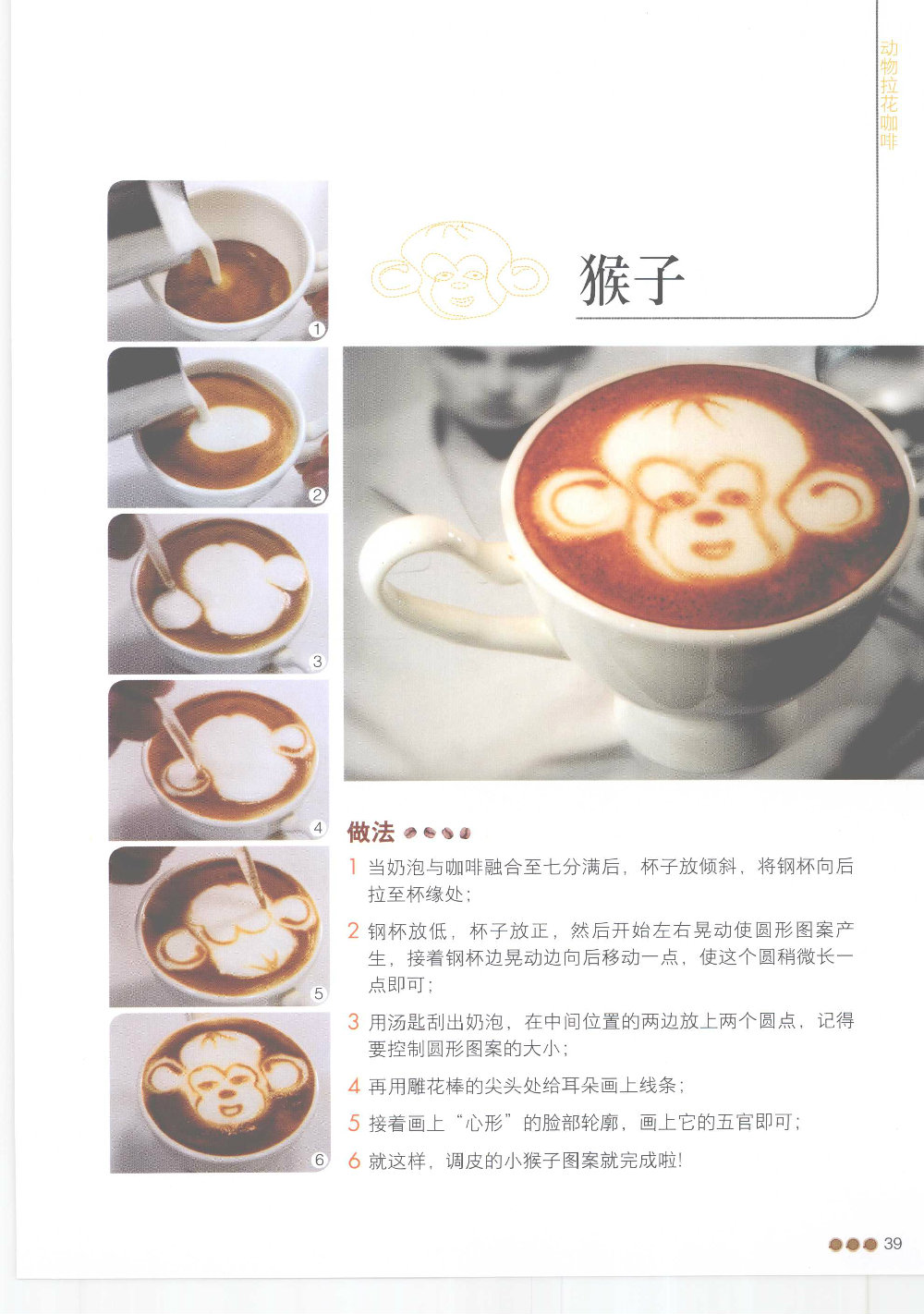
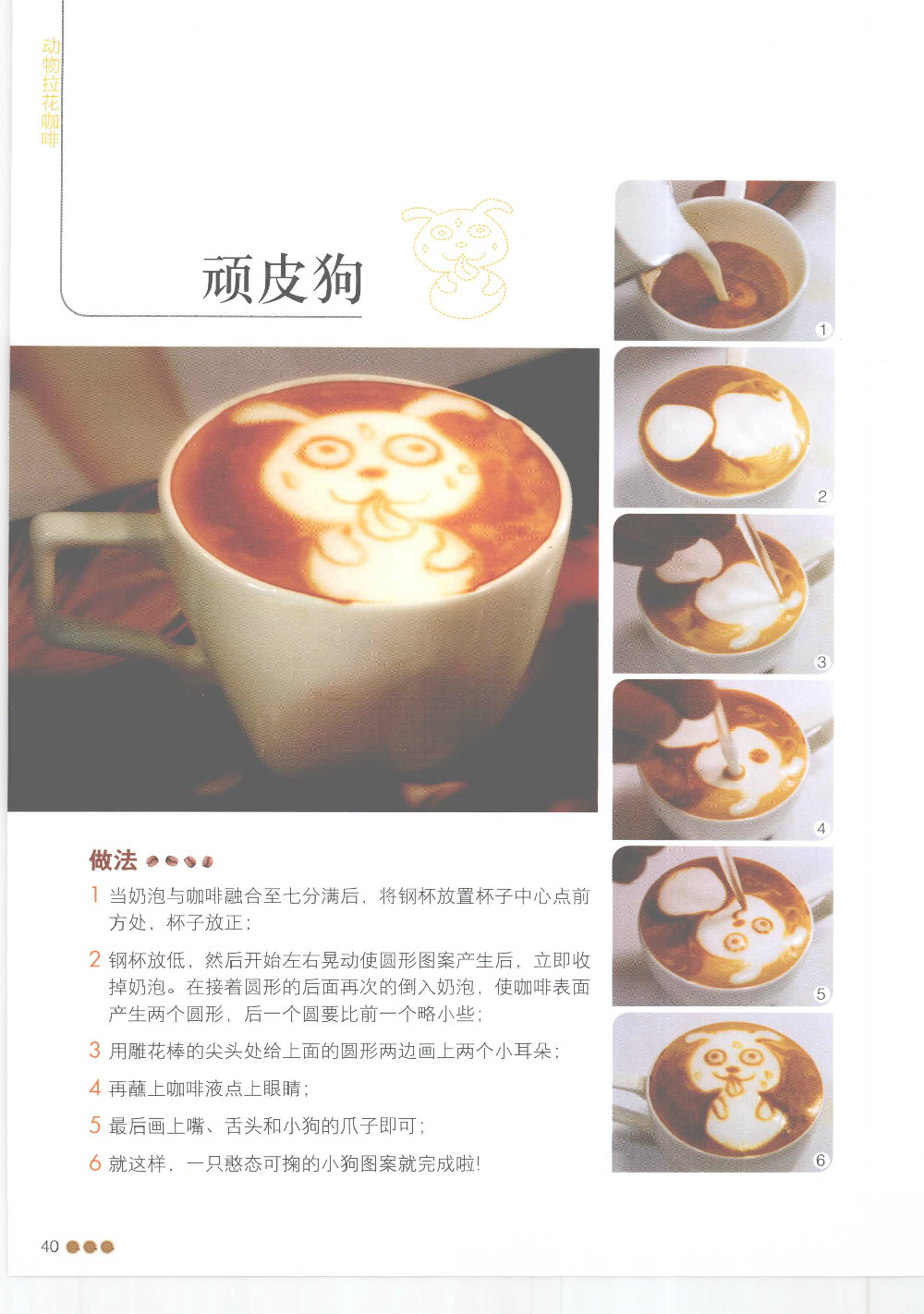
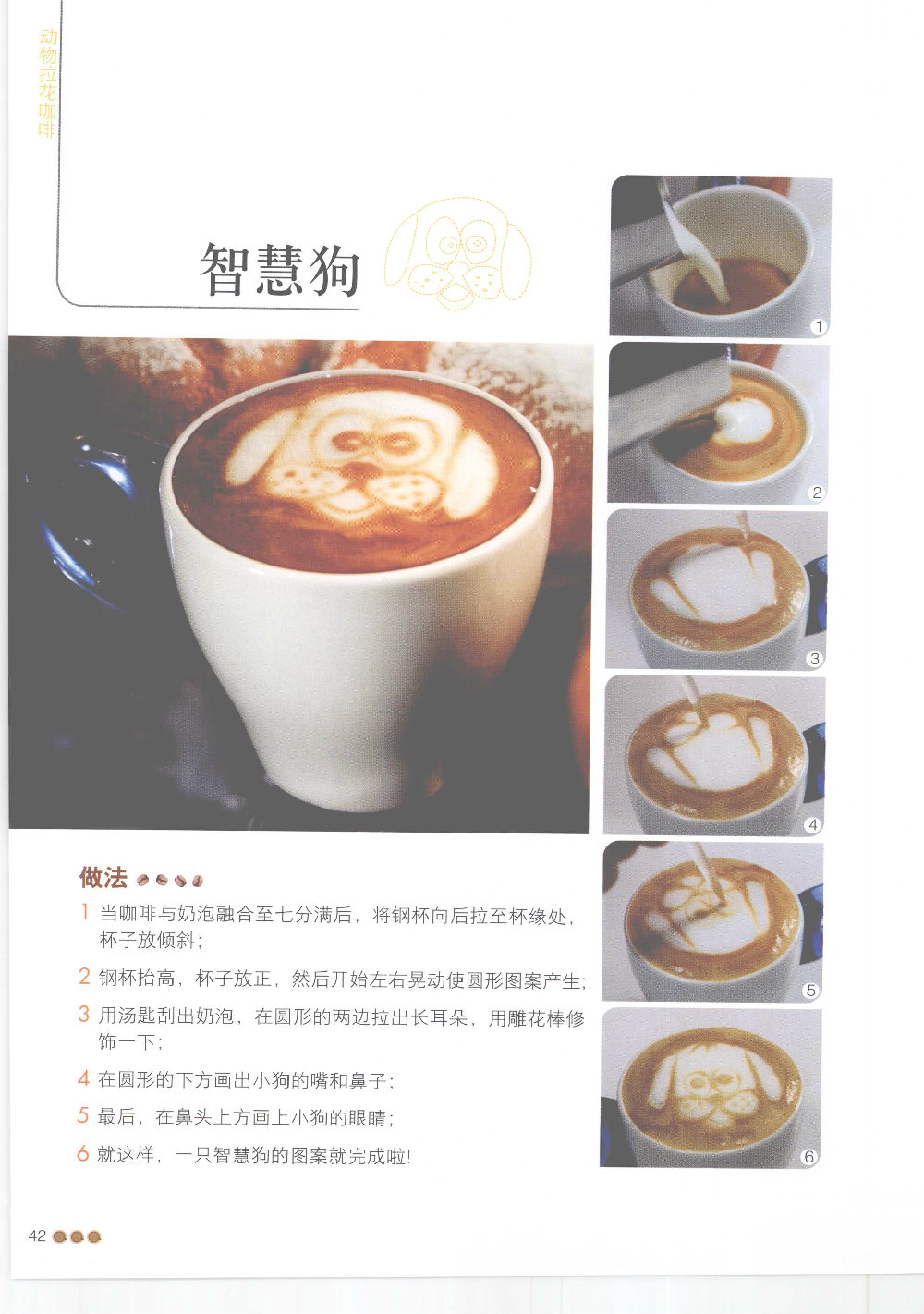
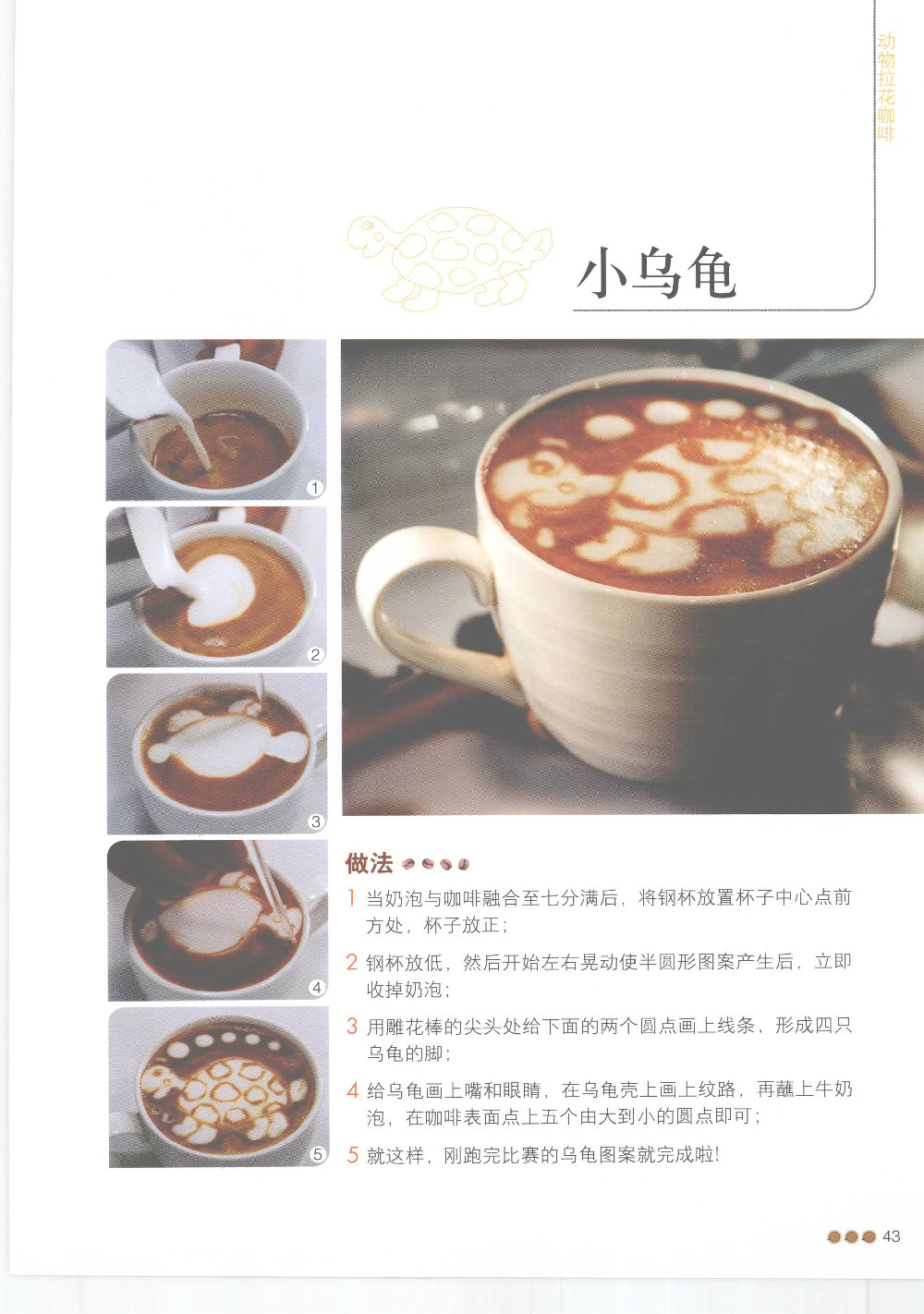
Animal latte art refers to latte designs that depict cute or recognizable animal shapes—common examples include cats, rabbits, bears, and birds. These aren’t free-poured abstracts but detailed forms built layer-by-layer through controlled milk pouring. Unlike simple hearts or tulips, animal art demands finer detail, better foam control, and more precision in movement. The foundation, however, is the same: quality espresso with a stable crema and properly textured steamed milk.
Why Your Milk Matters More Than Your Pour (At First)
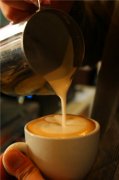
Before worrying about the pattern, get your milk right. Steamed milk for latte art should have a glossy, velvety microfoam with tiny, uniform bubbles—what baristas call “silky” or “wet paint” texture. Too many big bubbles? Your design will break apart. Too thick or dry? You’ll get splatter, not shape. The ideal milk texture comes from steaming cold milk (around 4°C/39°F) to 55–65°C (131–149°F), with the pitcher vibrating subtly when ready. This microfoam clings to the espresso and allows you to shape clean lines.
Most home baristas use whole milk for its higher fat content, which aids in both texture and stability. If you're plant-based, oat or soy milk can work but require extra care to get the right stretch and smoothness. The milk’s temperature and aeration determine whether you’re pouring paint or foam—get this right first, and your animal shapes will start to appear naturally.
Step-by-Step: From Basic Pour to Animal Shapes
Start with the basics. Master these three steps before trying anything cute:
1. Get Your Shot Right
Pull a standard double espresso with a rich, reddish-brown crema—this acts as your canvas. Crema that’s too light or too dark makes detailing difficult. Use a consistent brew ratio (usually 1:2 coffee to water) and aim for a stable, syrupy extraction. Your espresso should be fresh—ideally used within 10 seconds of pulling—to maintain a smooth surface for milk integration.
2. Steam Milk to Perfection
Pour cold milk into a chilled pitcher, leaving room for expansion. Angle the steam wand just below the surface to create a hissing sound (stretching phase), then submerge it deeper to spin and heat the milk (rolling phase). Stop steaming when the pitcher is too hot to touch comfortably—target 55–65°C. Tap the pitcher to remove large bubbles, then swirl to integrate the foam.
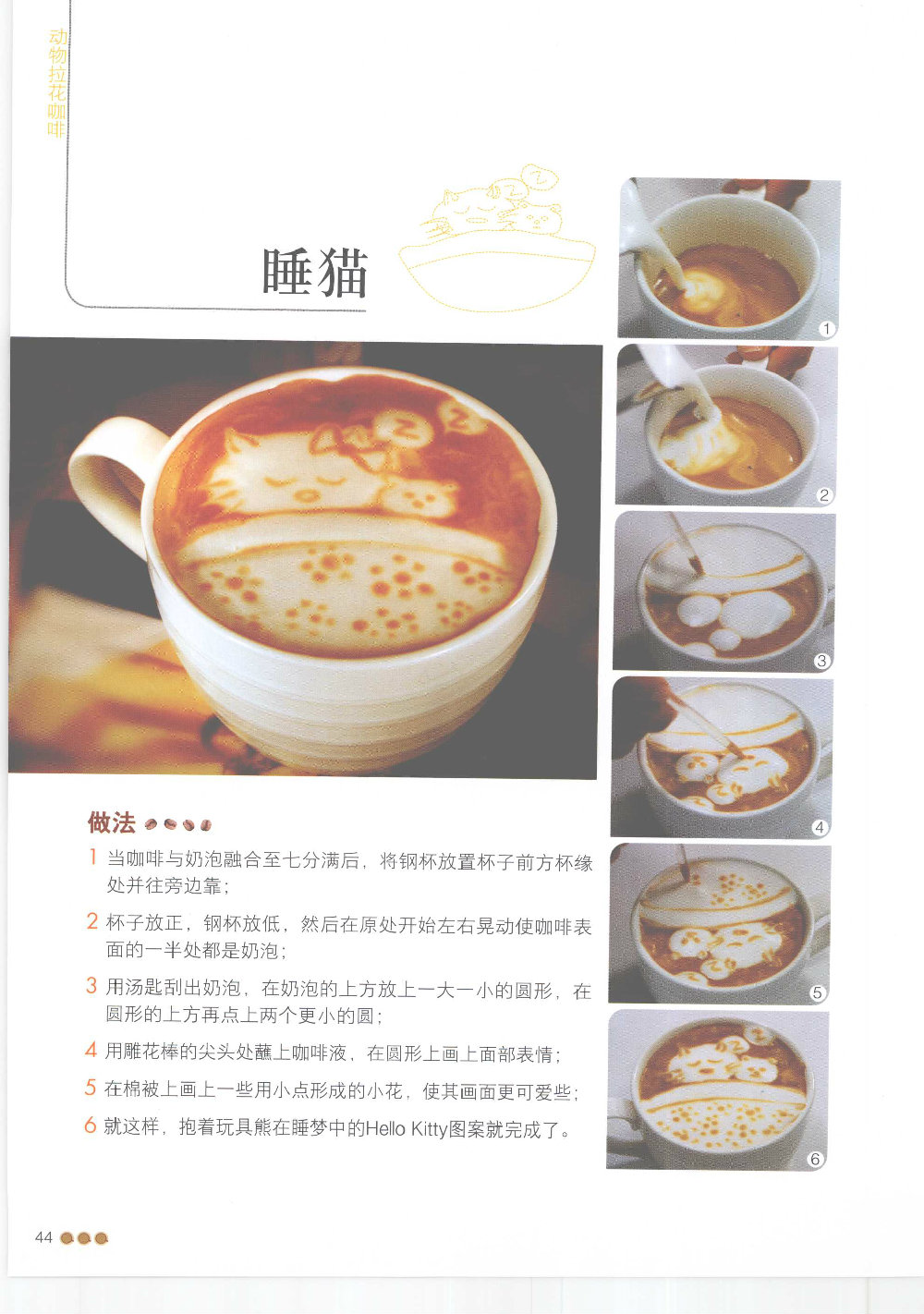
3. Begin With Simple Shapes
Start by pouring a basic heart or tulip. For a heart, begin your pour just off-centre, then move the pitcher forward and back while keeping the spout close to the cup. For a tulip, layer three small circles, pausing slightly between each before finishing with a gentle pull-through. Once you can pour these cleanly, you’re ready to add details.
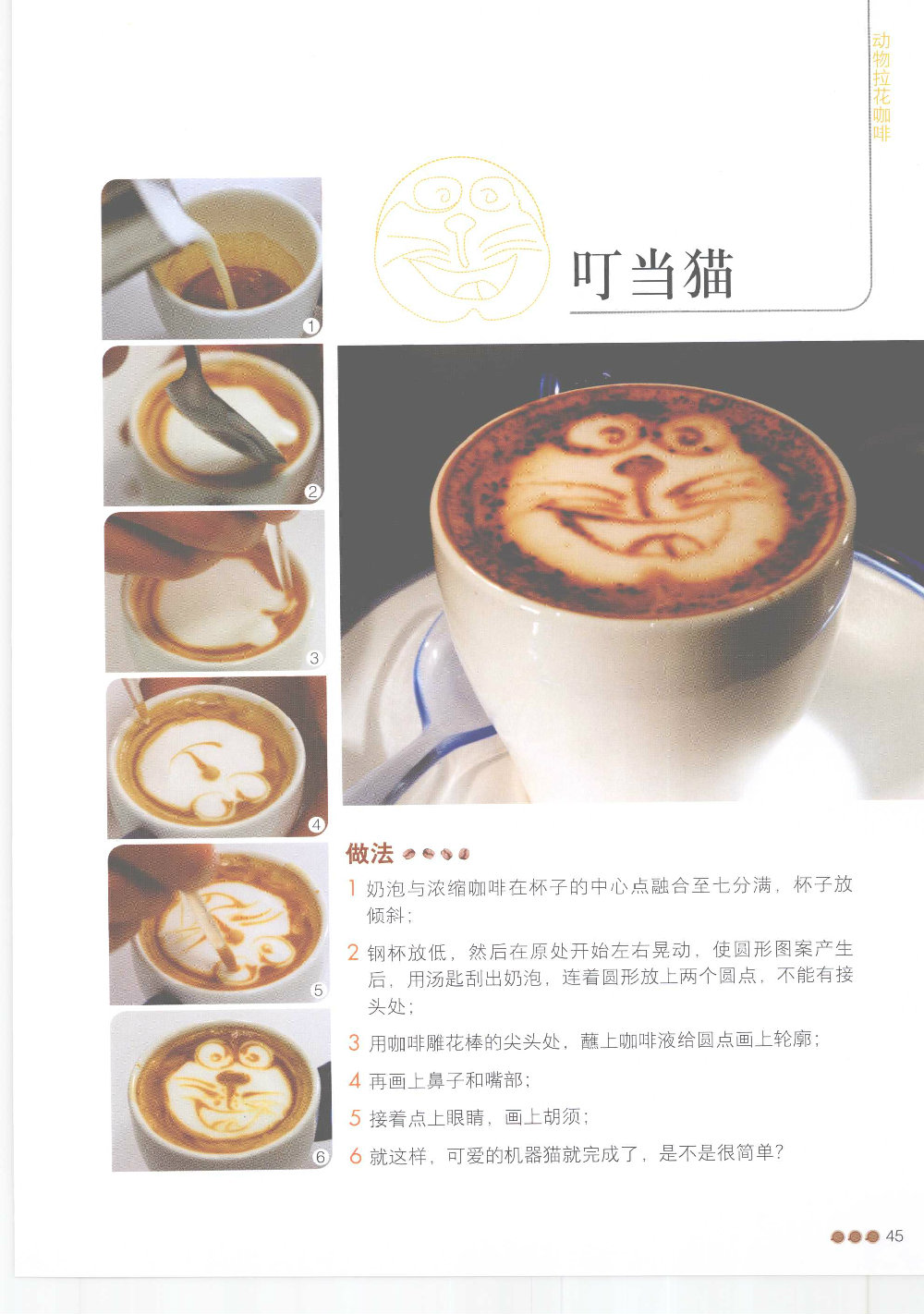
4. Add Animal Details
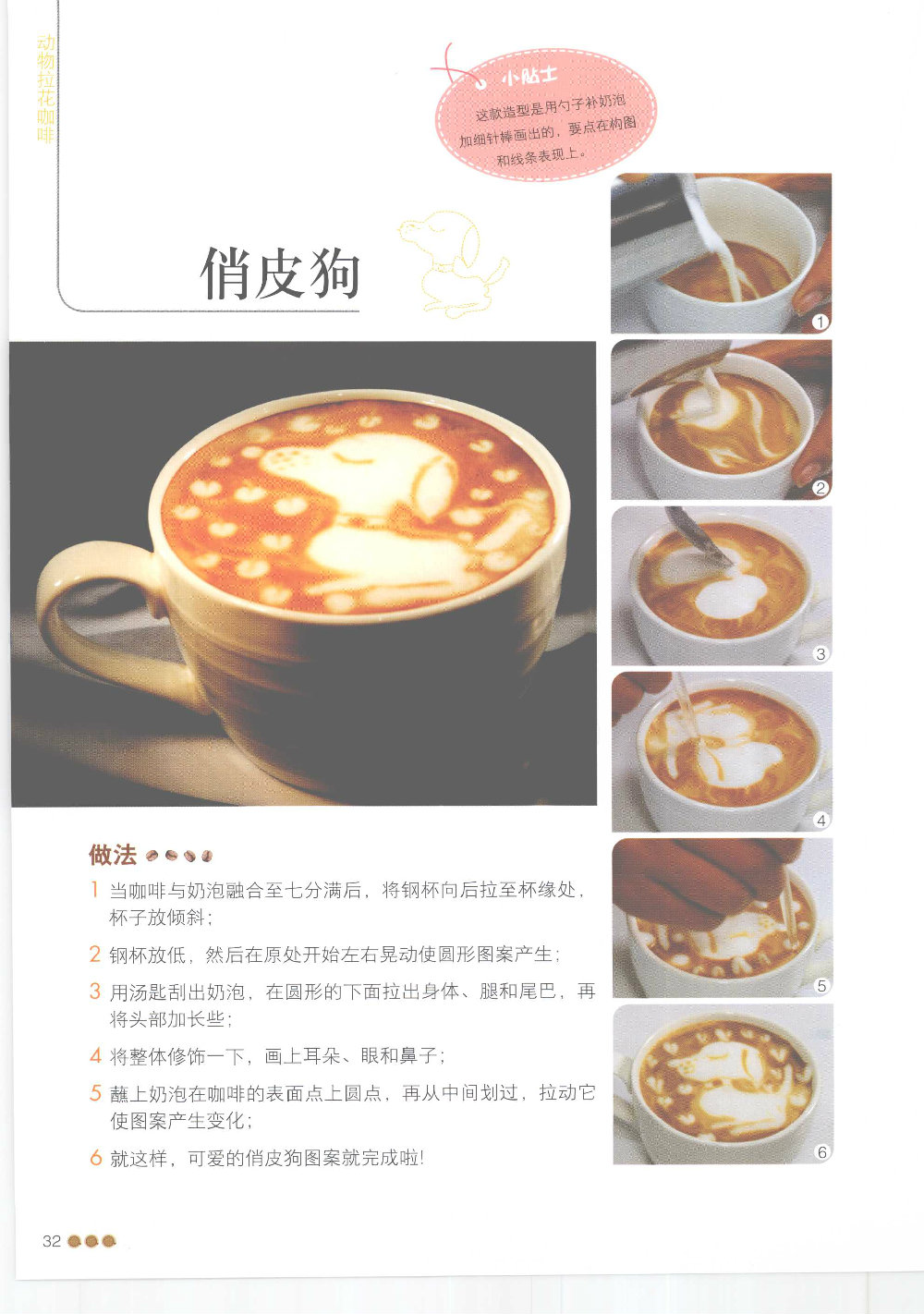
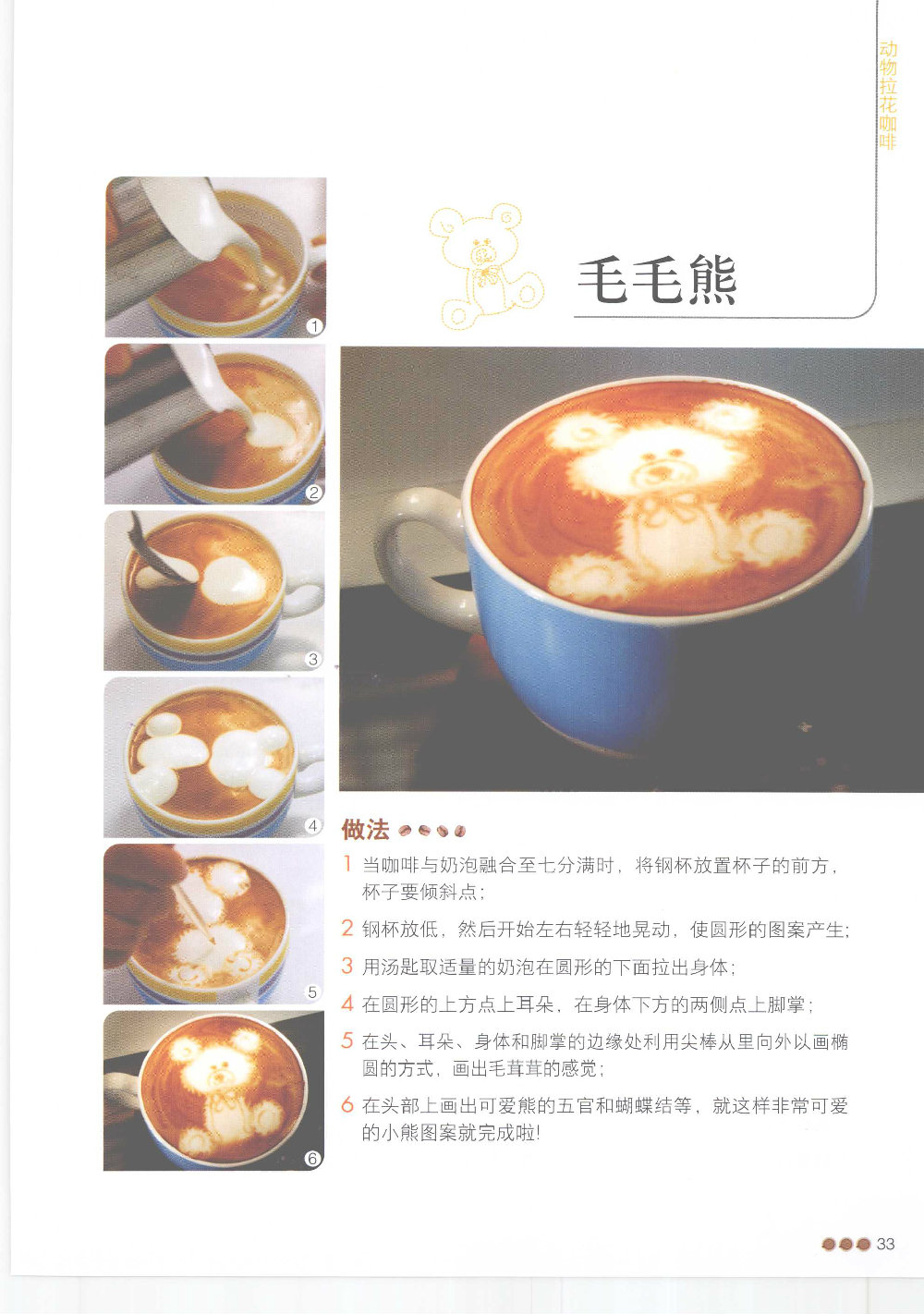
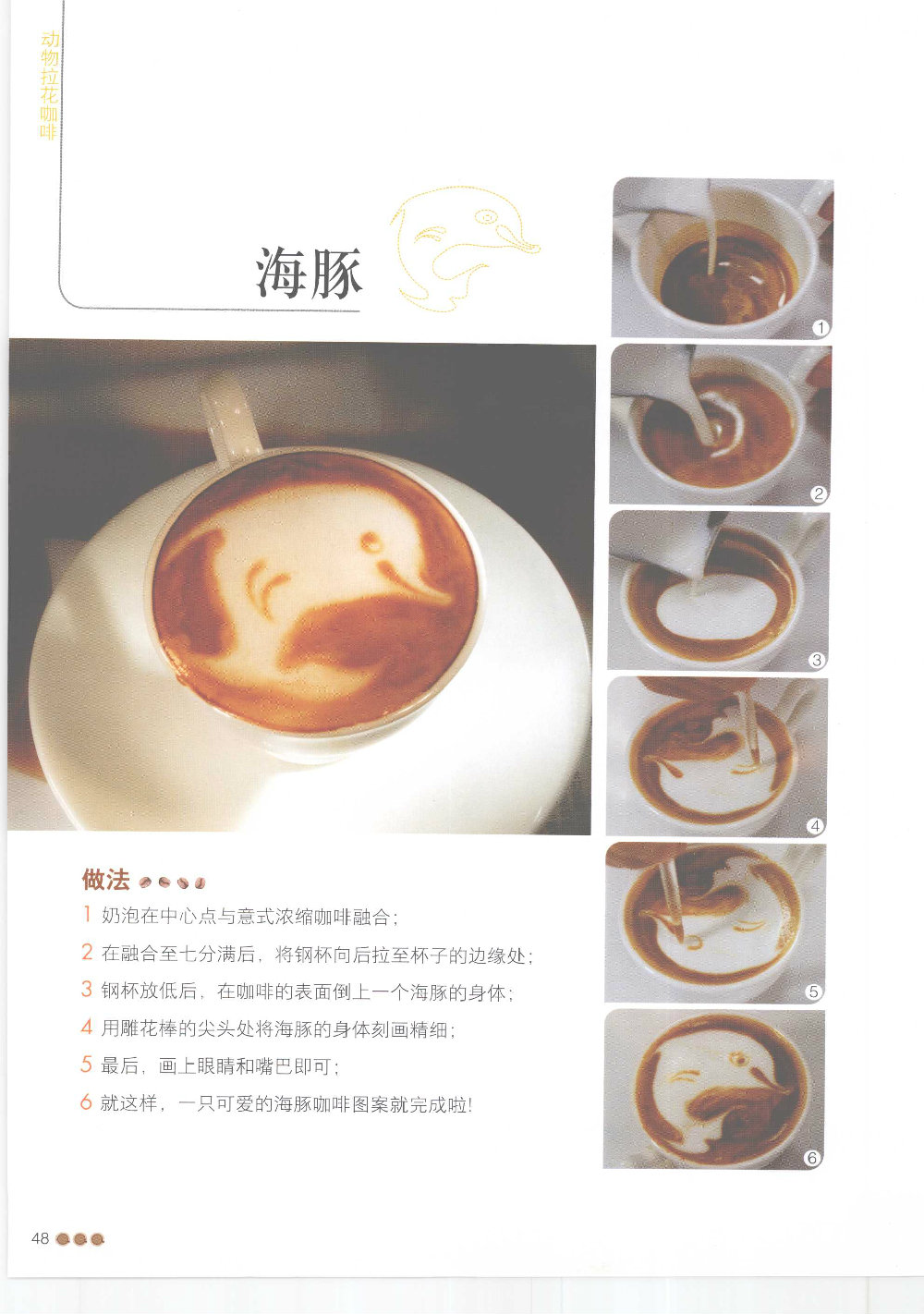
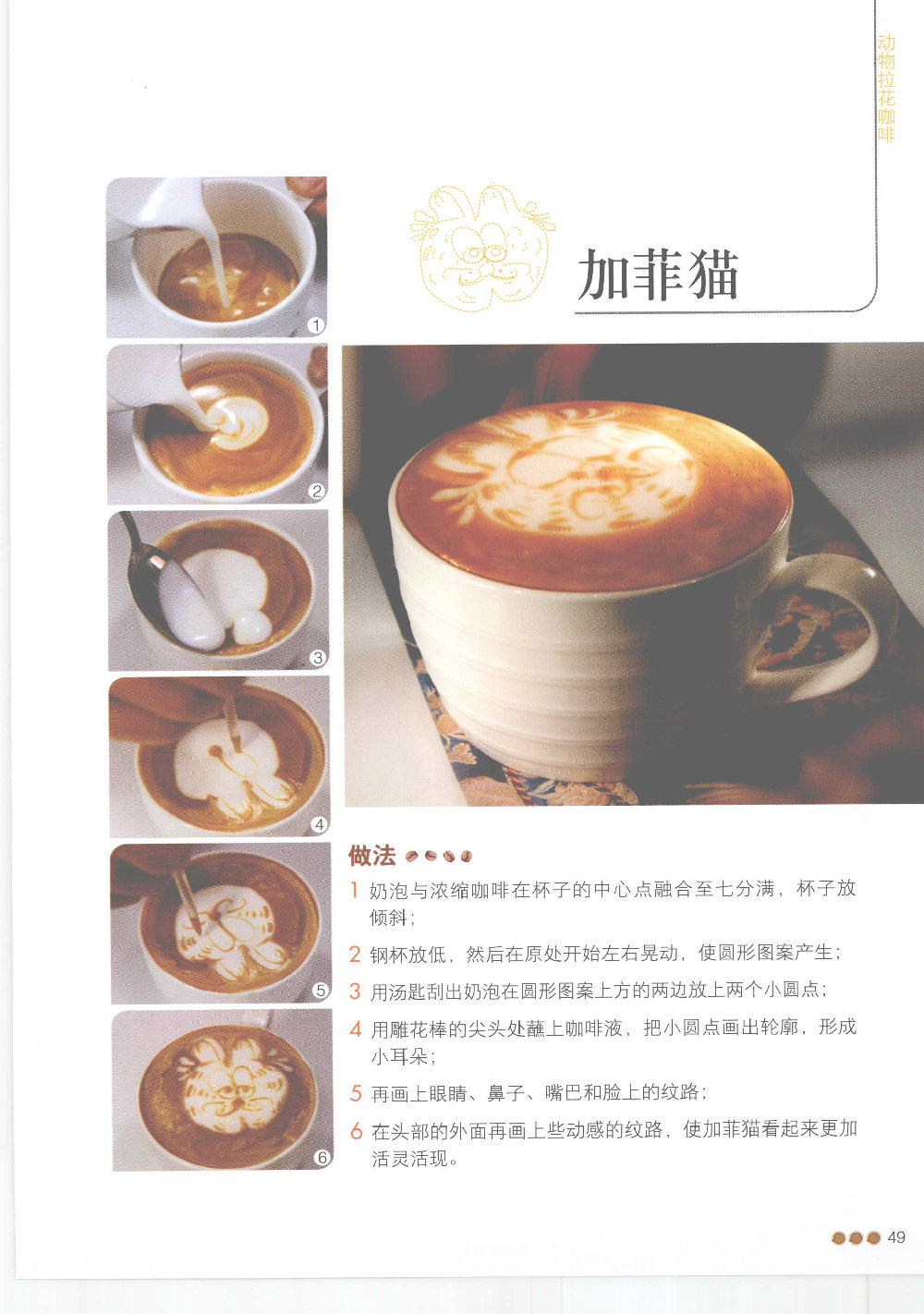
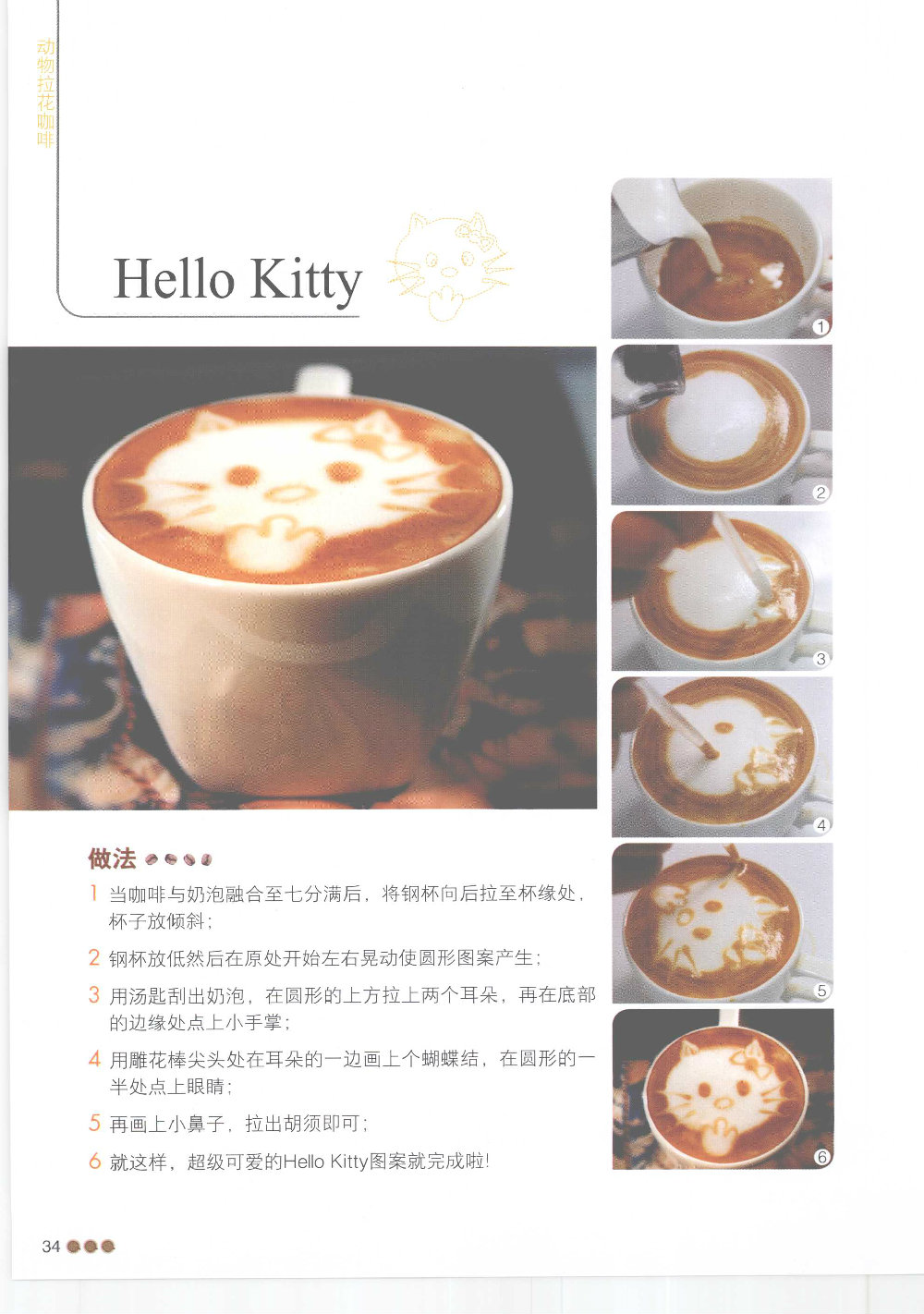
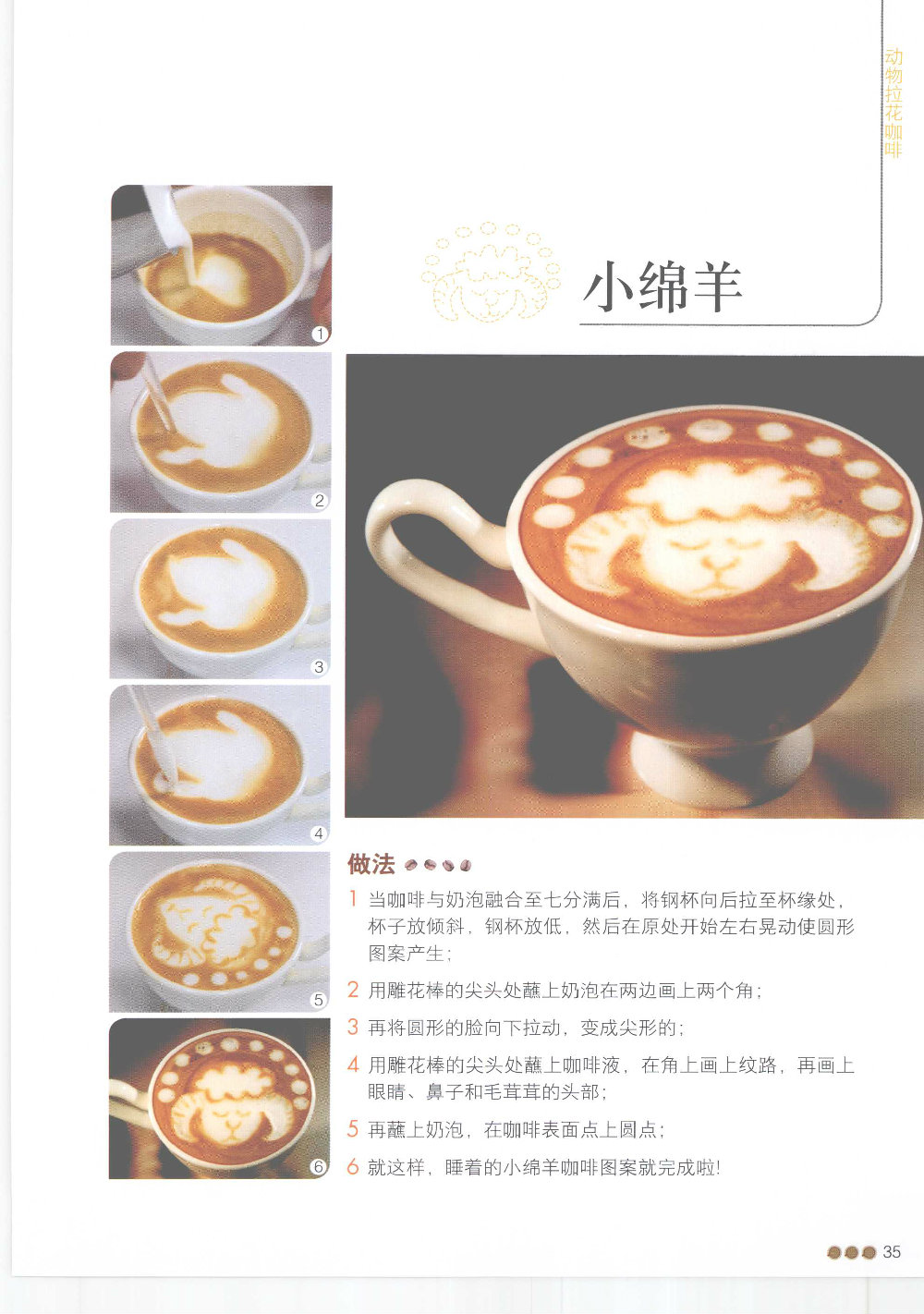
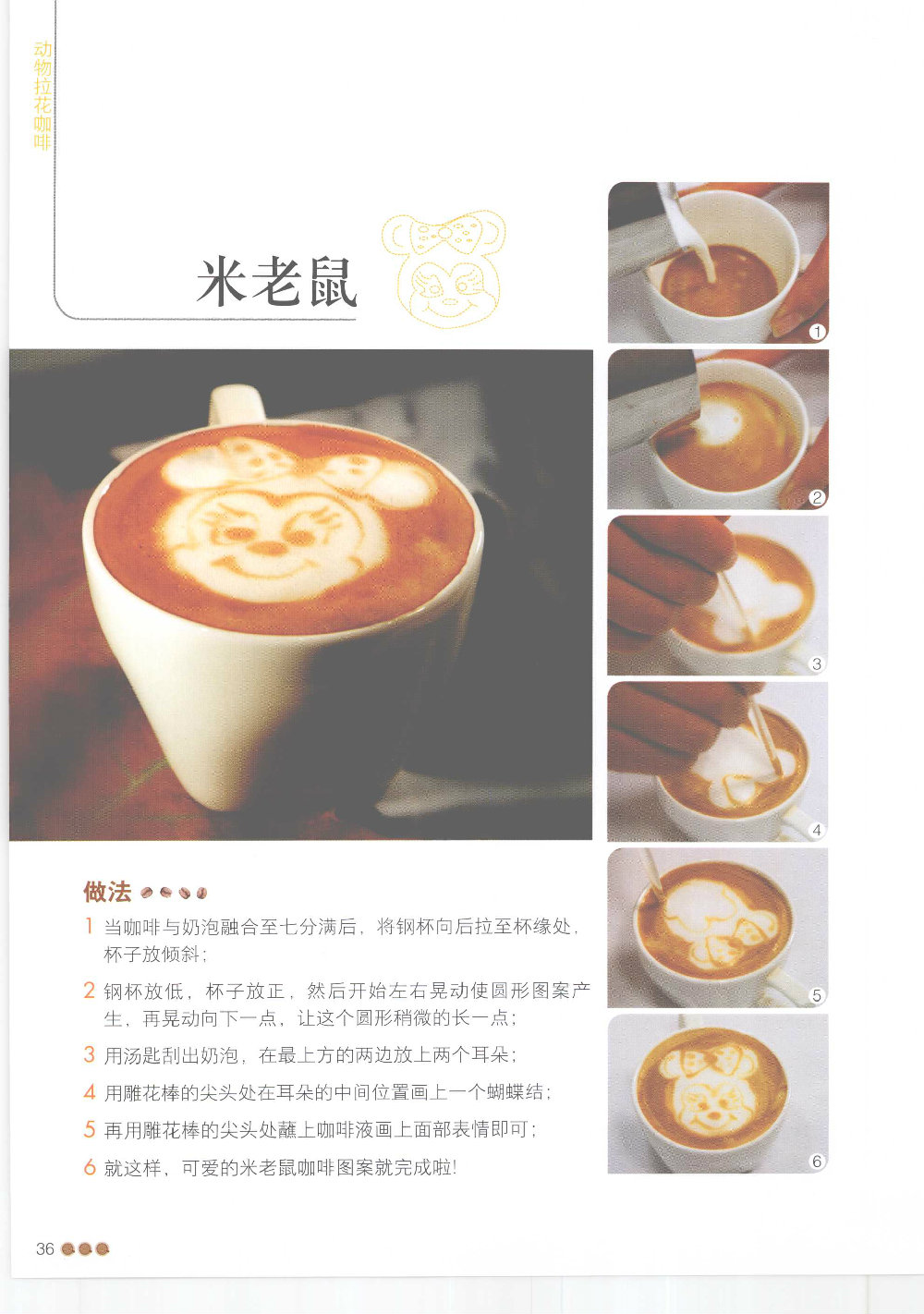
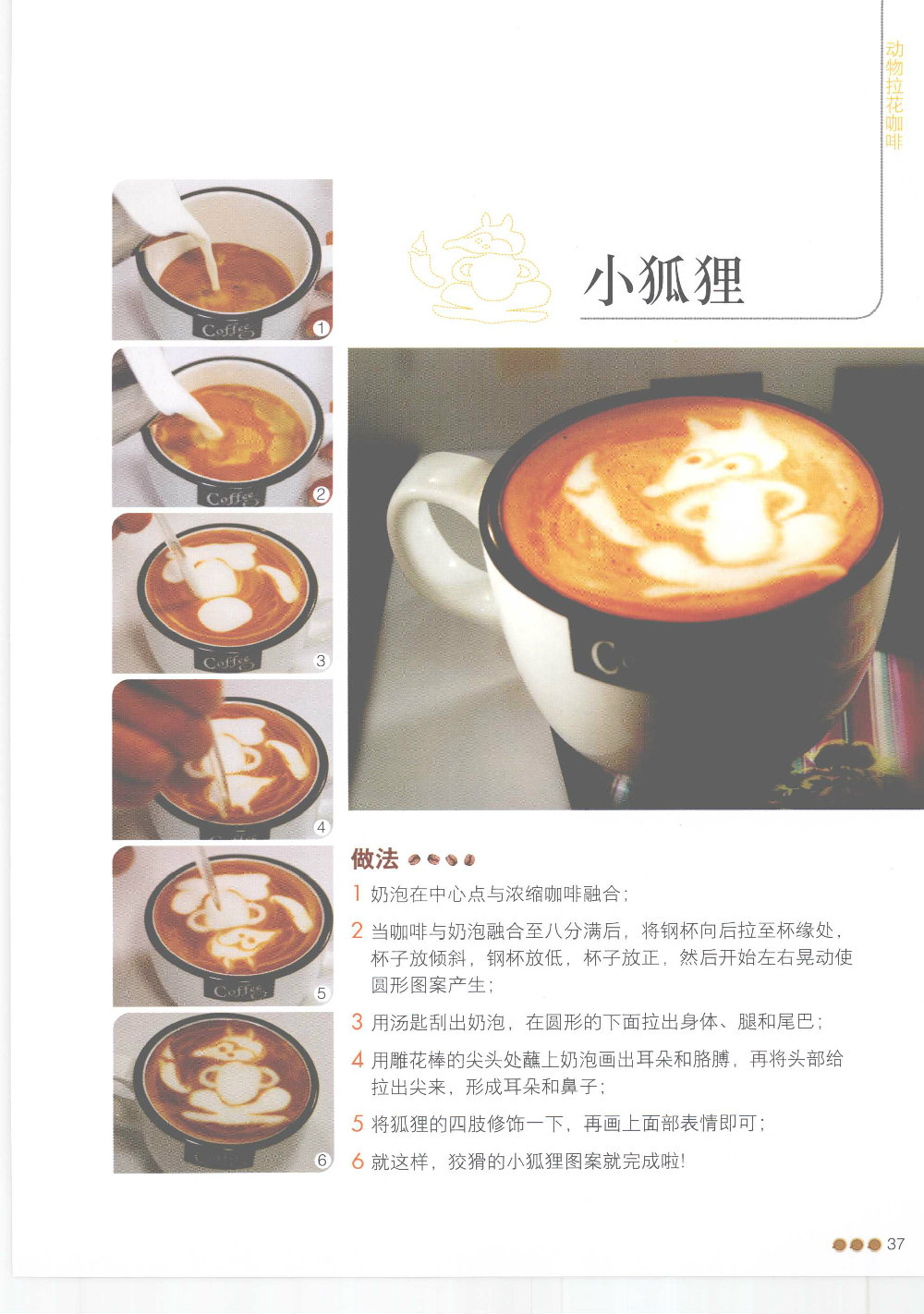
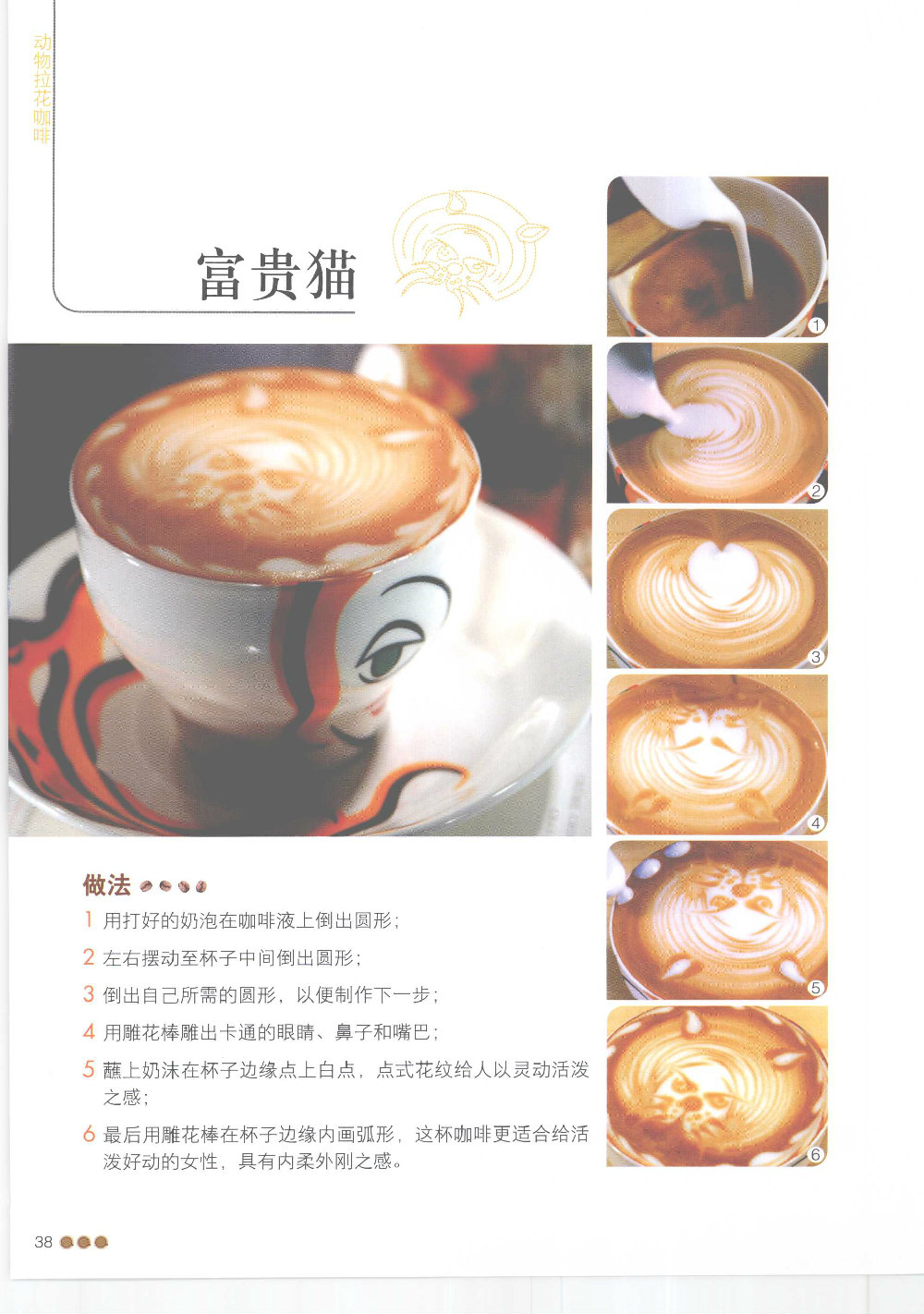
To create animals, layer simple shapes into recognisable forms. For example:
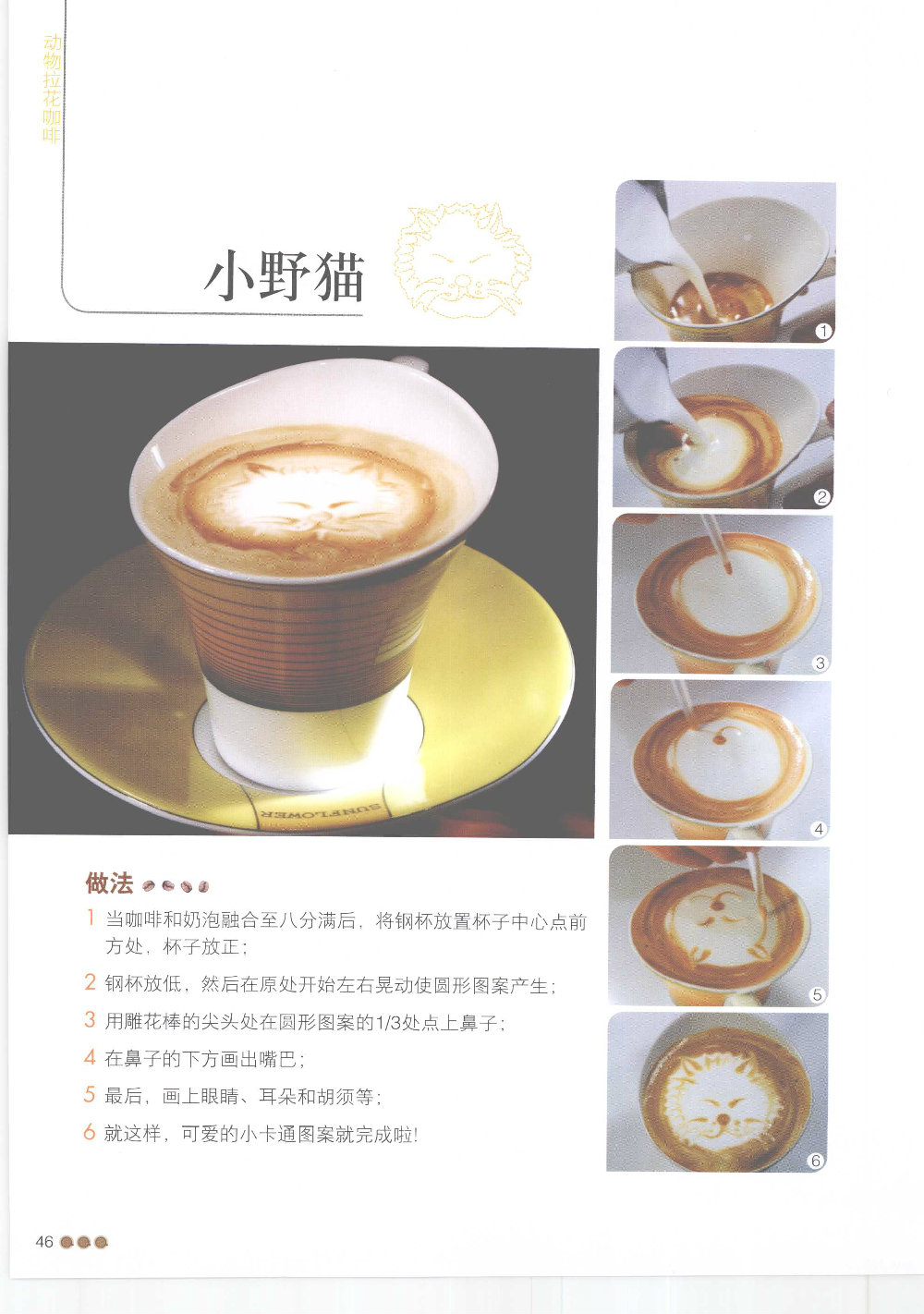
- Cat Face: Start with a round tulip base (the head), then pour two small triangles above for ears. Use fine movements to add eyes and whiskers with thin lines of milk.
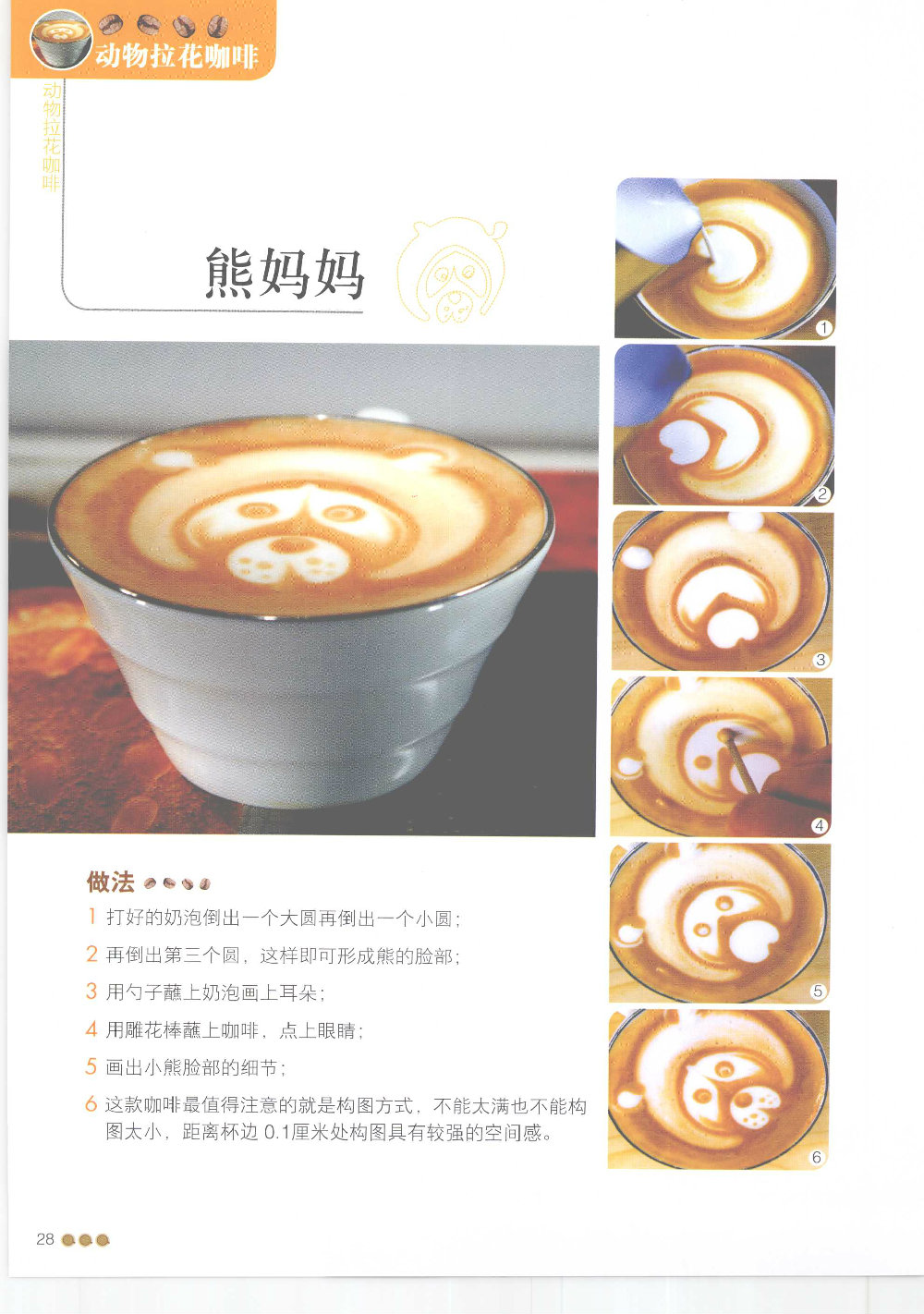
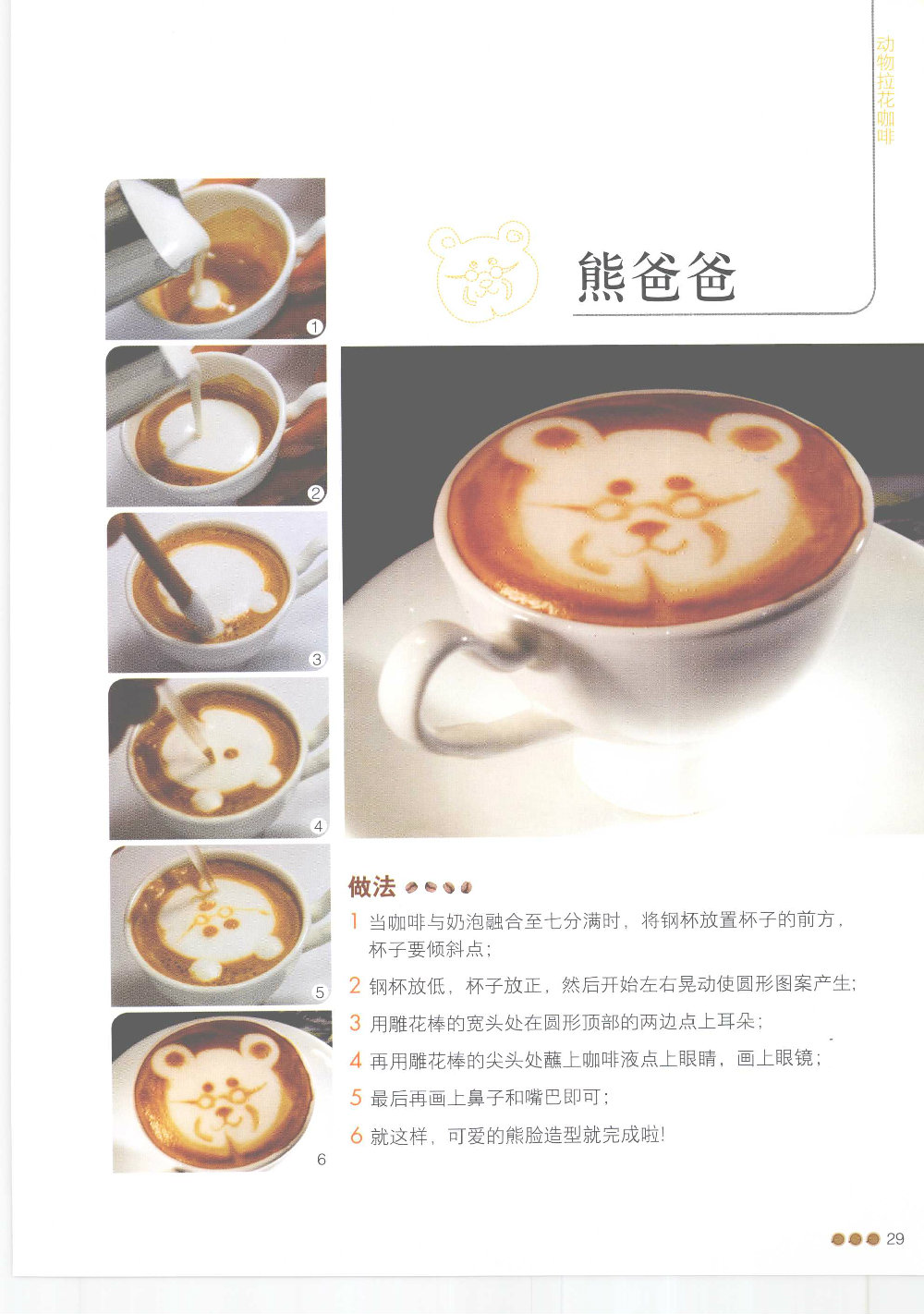
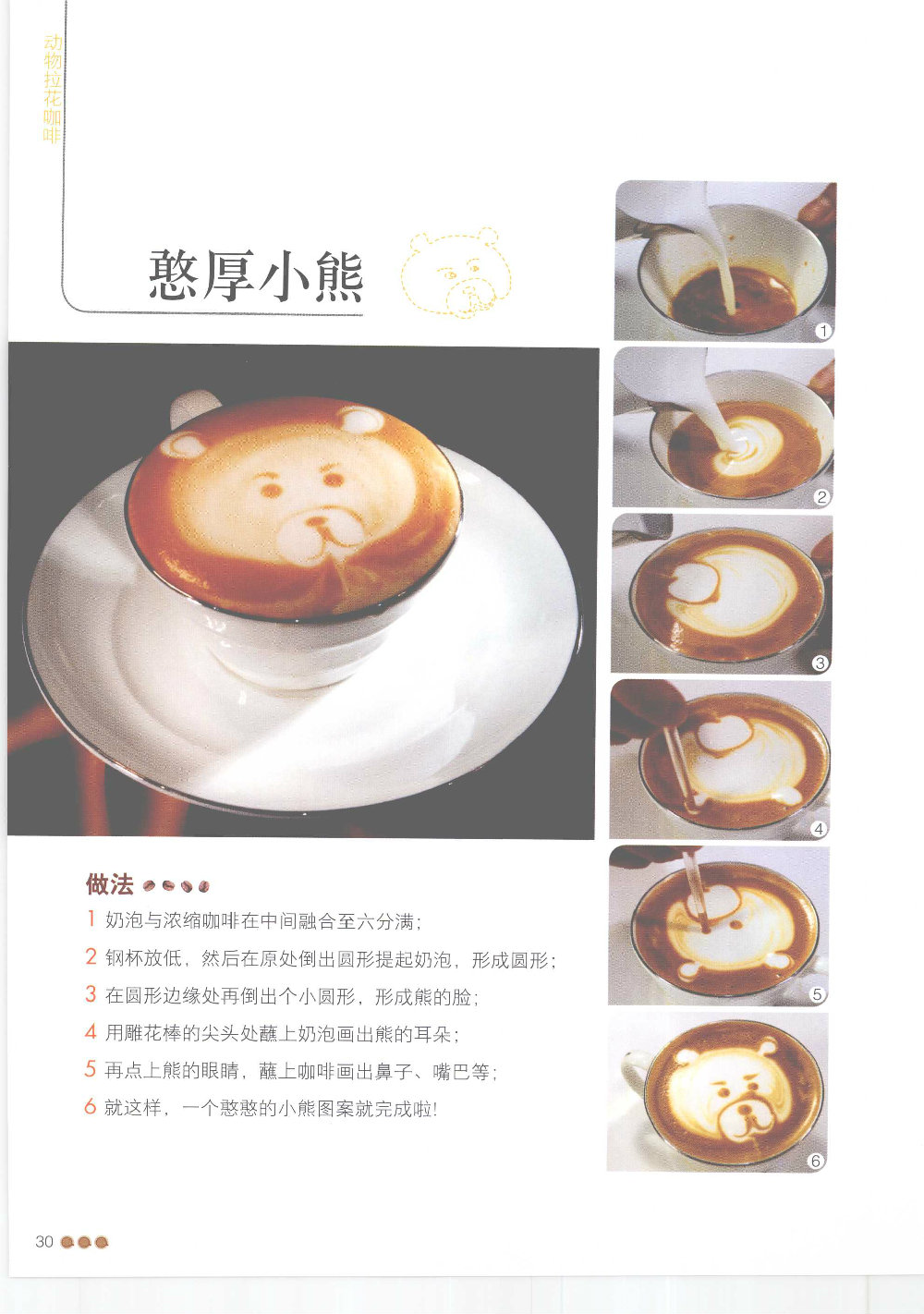
- Bear: Pour a larger round base, add pointed ears at the top, and use the stream to define a snout and eyes.
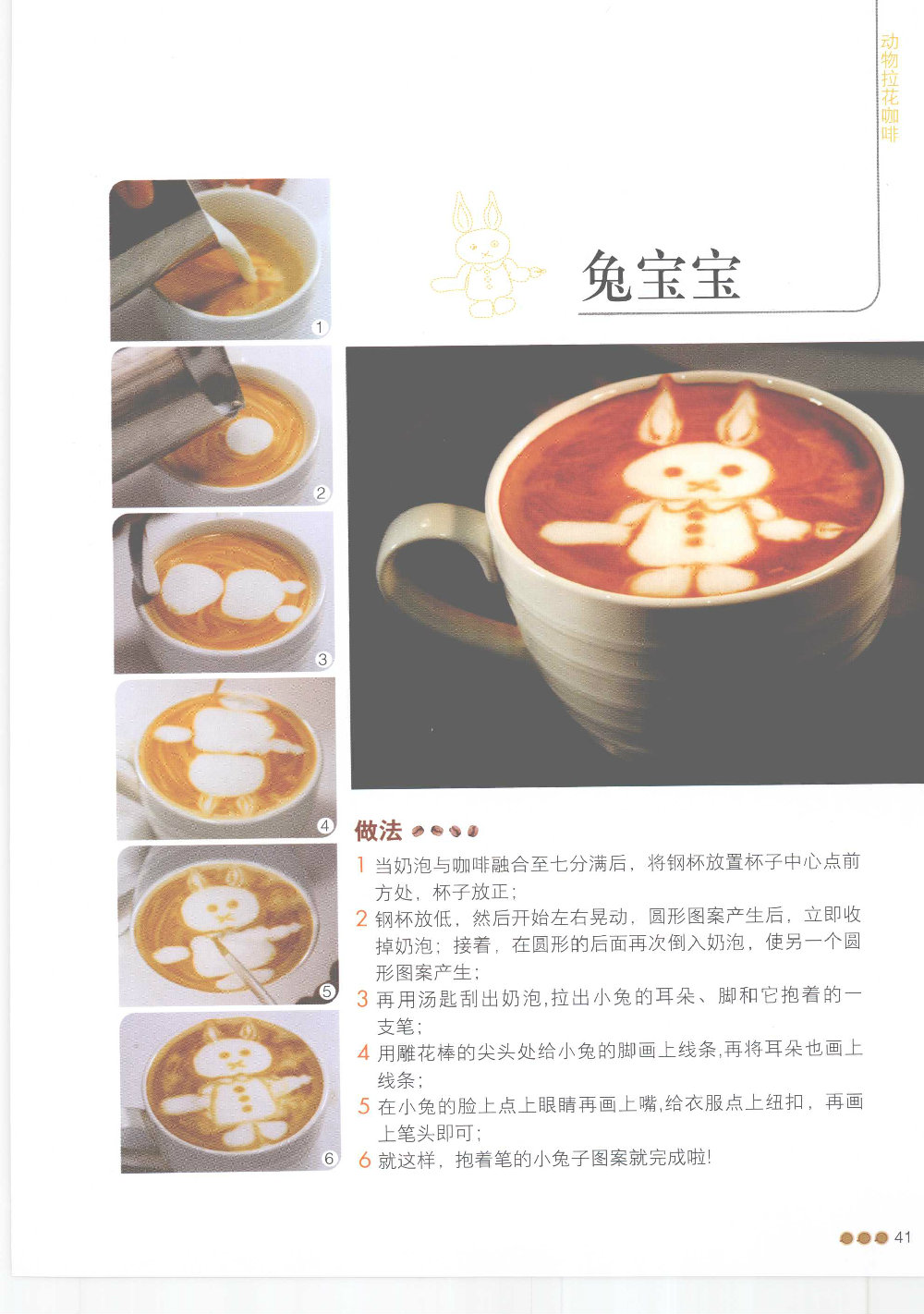
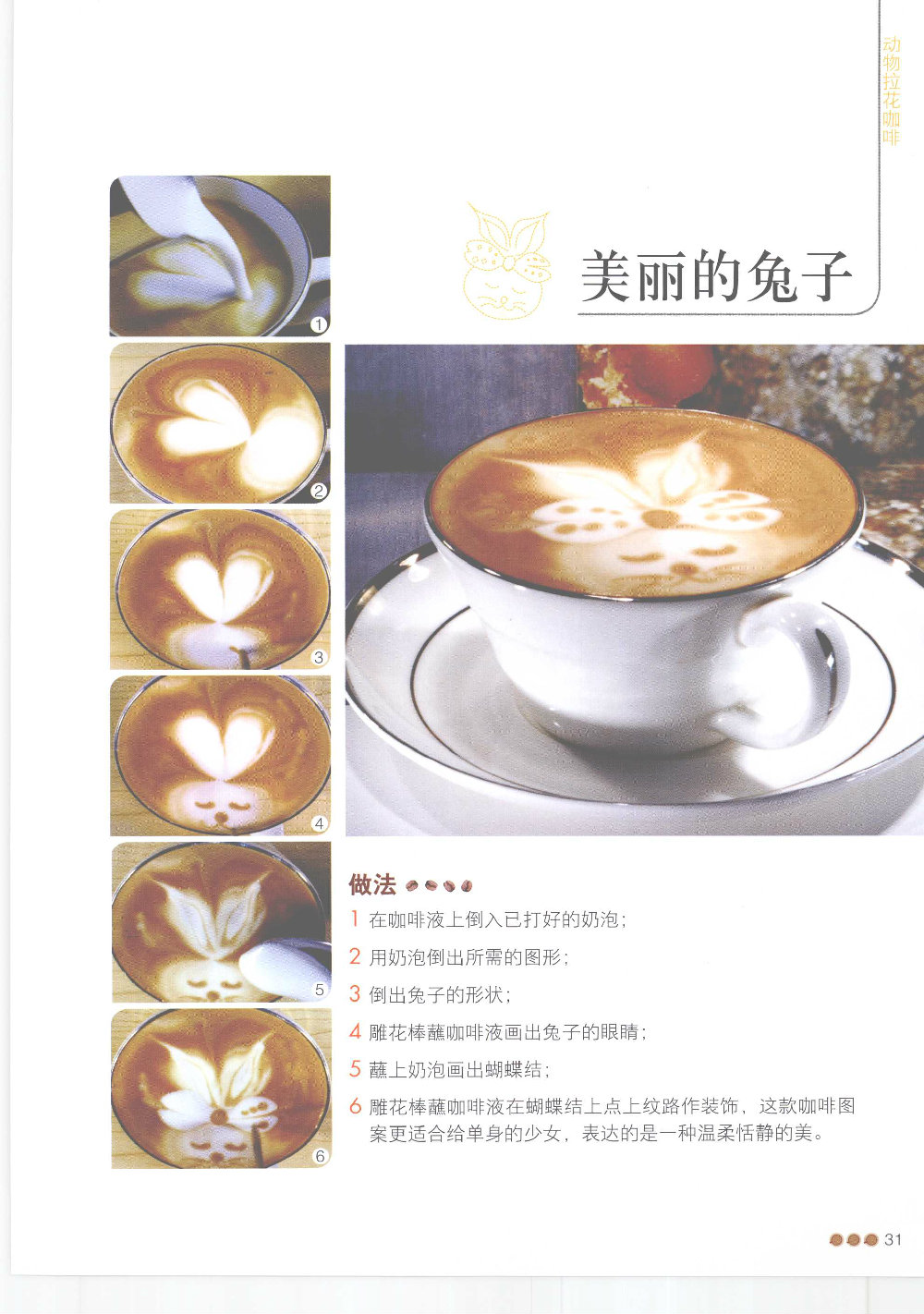
- Rabbit: Use a rounded tulip shape, add long ears with careful side pours, and dot the eyes with quick taps of the spout.
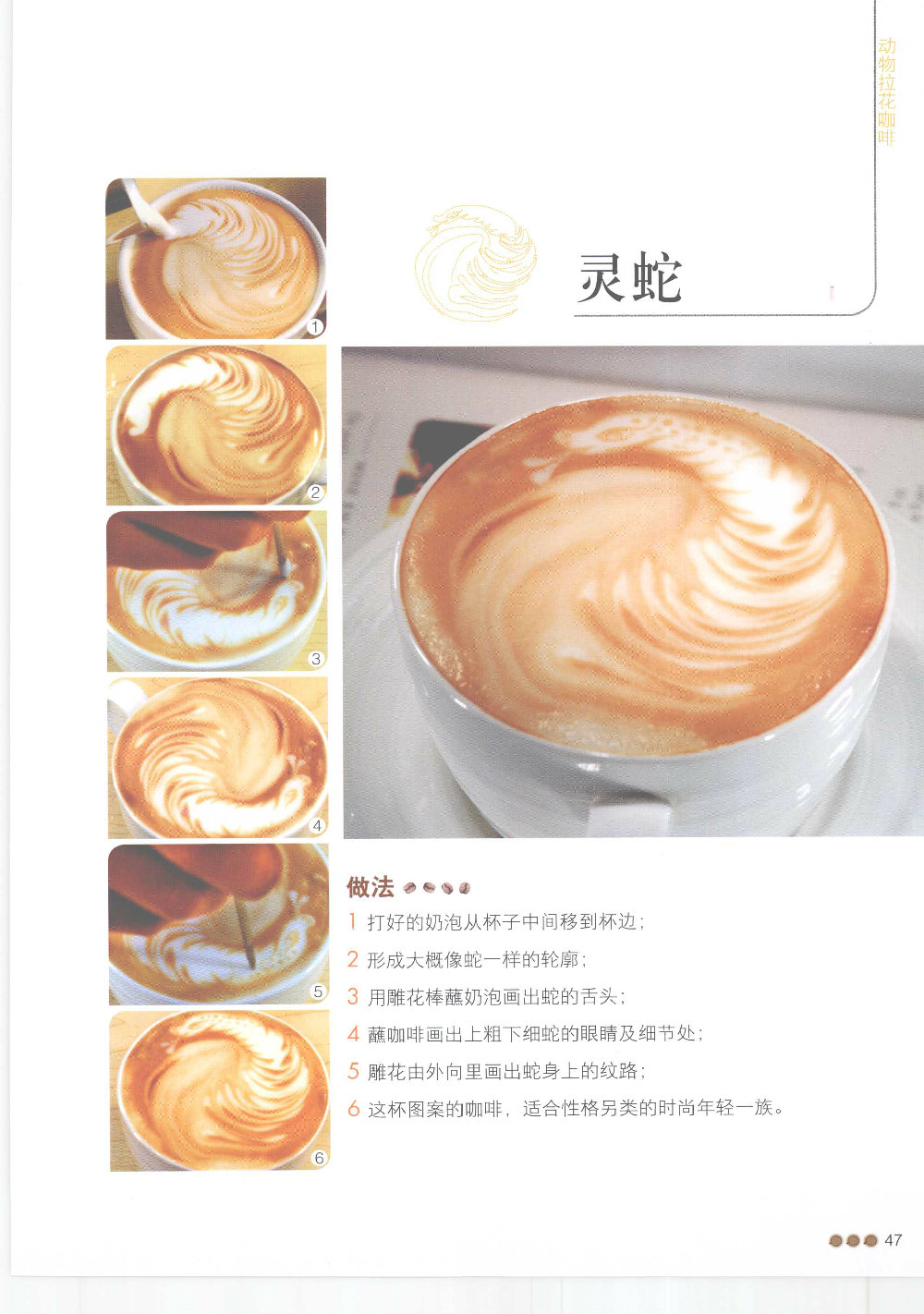
Common Mistakes and How to Fix Them
Many beginners struggle with the same issues. Here’s what to watch for:
- Milk Too Foamy or Too Watery: Adjust your steam time and technique. You want microfoam, not dry foam or bubble soup.
- Pouring Too High or Too Low: Keep the spout 5–8cm from the cup’s surface. Too high causes splatter; too low makes the milk dive and lose detail.
- Inconsistent Flow: Practice controlling the width of your milk stream. Aim for a thin, even line—about the thickness of a chopstick.
- Rushing the Design: Let each pour settle slightly before adding detail. Patience helps shapes hold.
If your animal looks messy, go back to hearts and tulips for a few sessions. Consistency in basic shapes leads to better animal forms. Most learners need 1–2 weeks of daily practice to pour clean outlines and start adding features reliably.
Frequently Asked Questions
How long does it take to learn animal latte art?
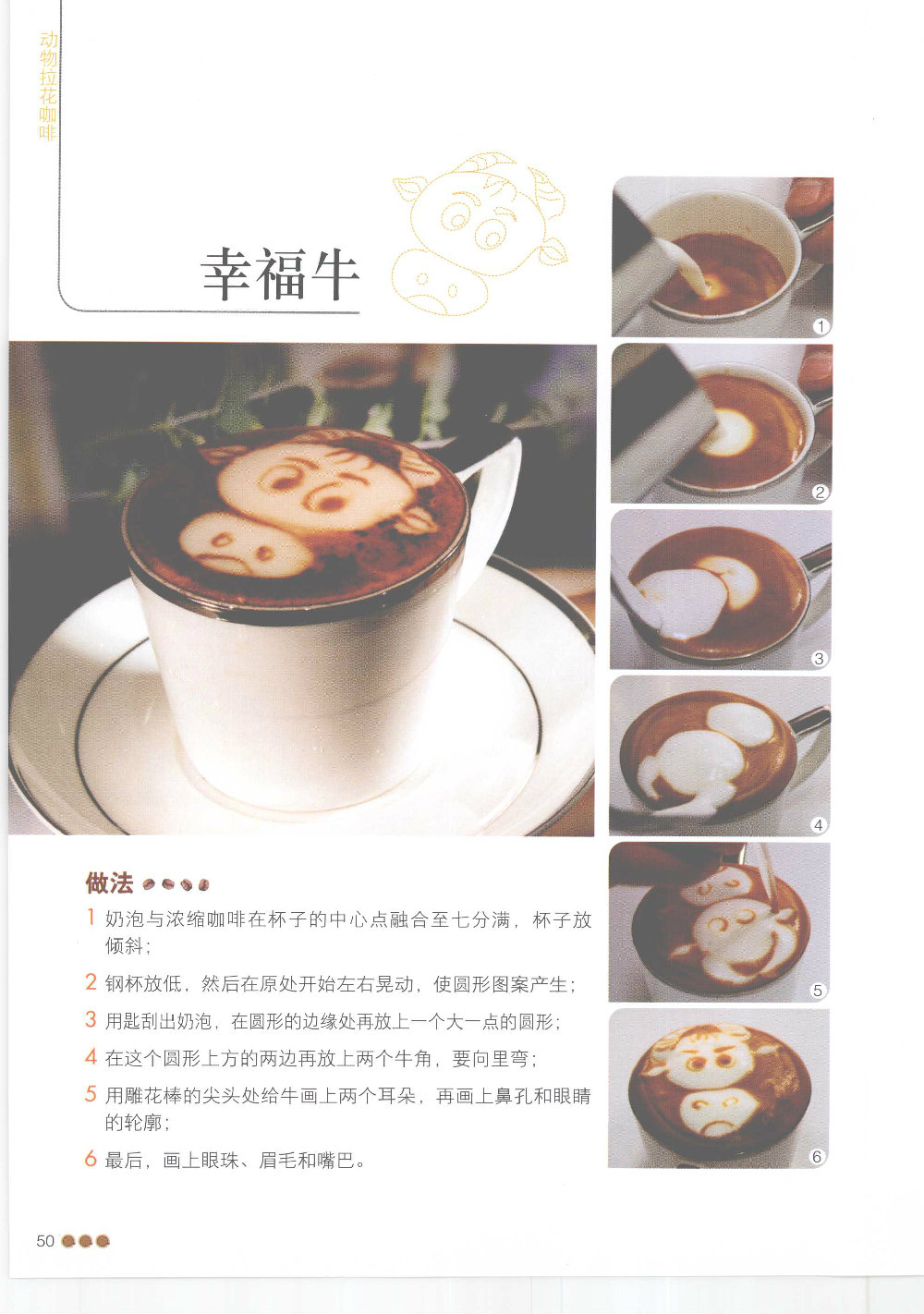
Most beginners can pour basic hearts and tulips within a few days to a week with daily practice. Creating recognizable animal shapes like cats or bears usually takes 1–2 weeks of focused practice, assuming you’re consistently working on milk texture and flow control. Mastery of fine details may take longer.
Do I need special equipment to practice animal latte art?
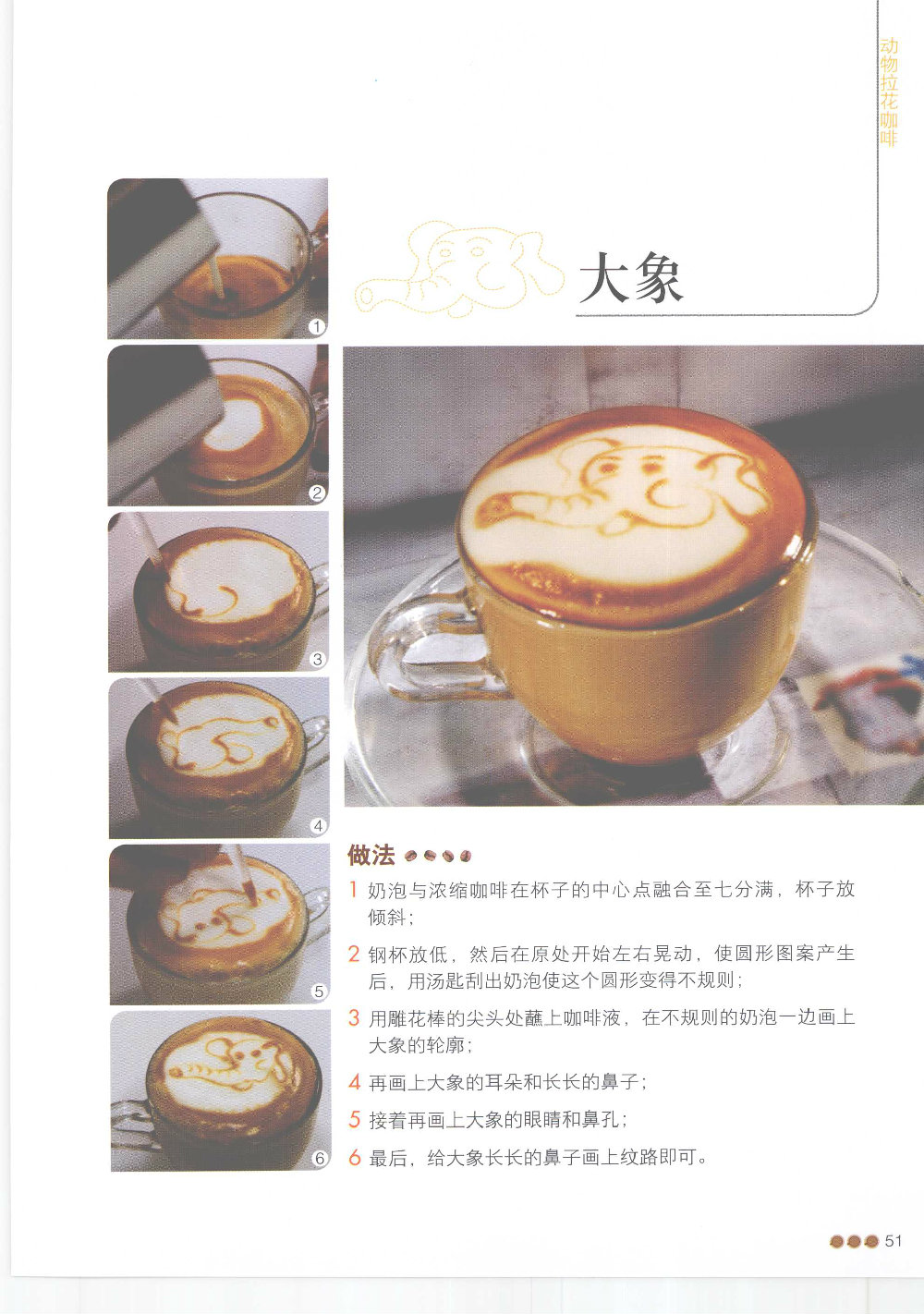
No special equipment is required, but a good espresso machine with a stable steam wand, a latte pitcher, and fresh, well-ground coffee help. A thermometer for milk and a scale for coffee and water ratios are useful but not mandatory. Focus first on technique before upgrading tools.
What kind of milk is best for animal latte art?
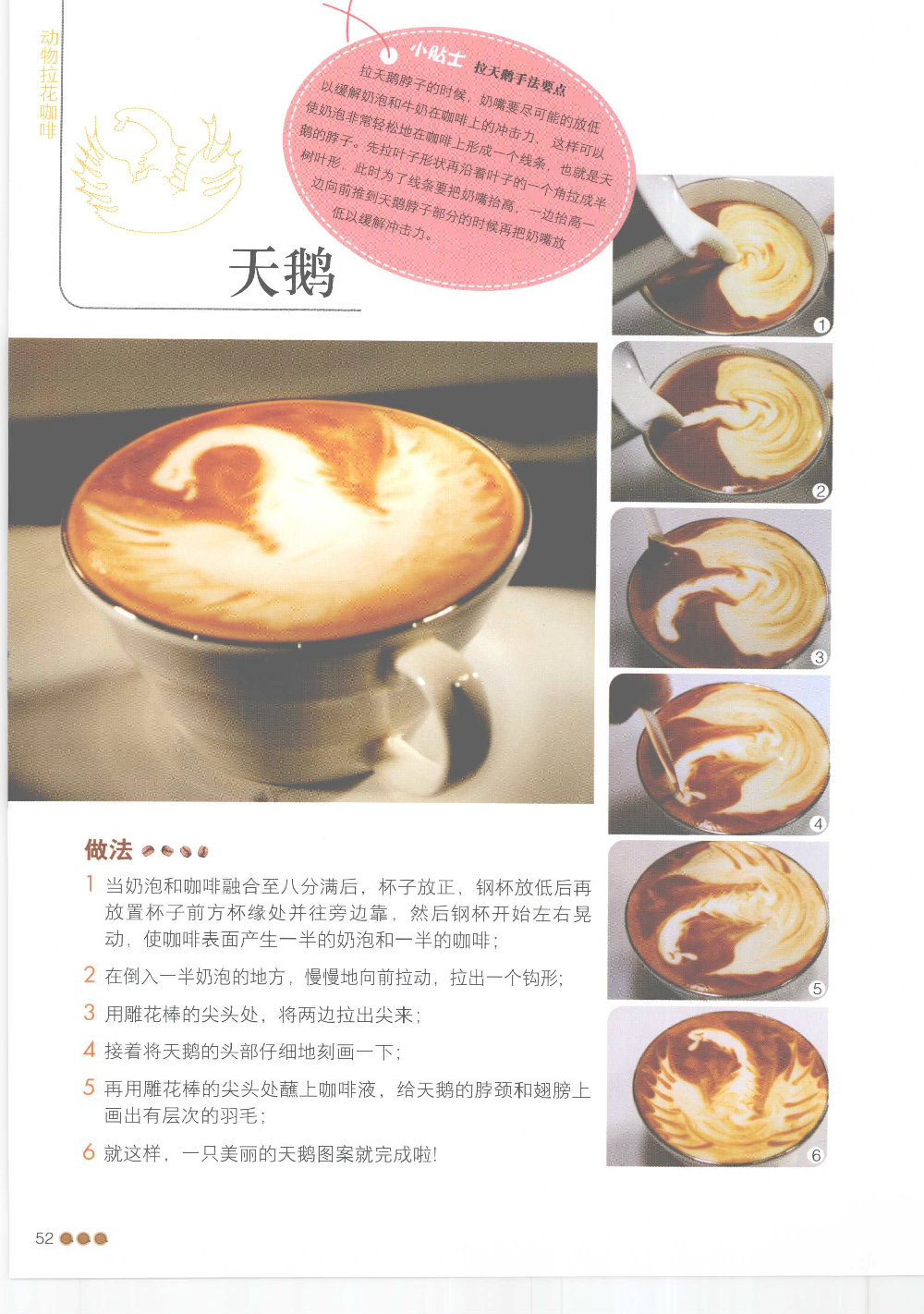
Whole milk is ideal due to its higher fat content, which creates stable, silky microfoam perfect for shaping. Oat or soy milk can work but may require more practice to get the right texture. Avoid overly watery or very thick plant milks until you’re confident with your pour.
Should I practice with espresso or just milk first?
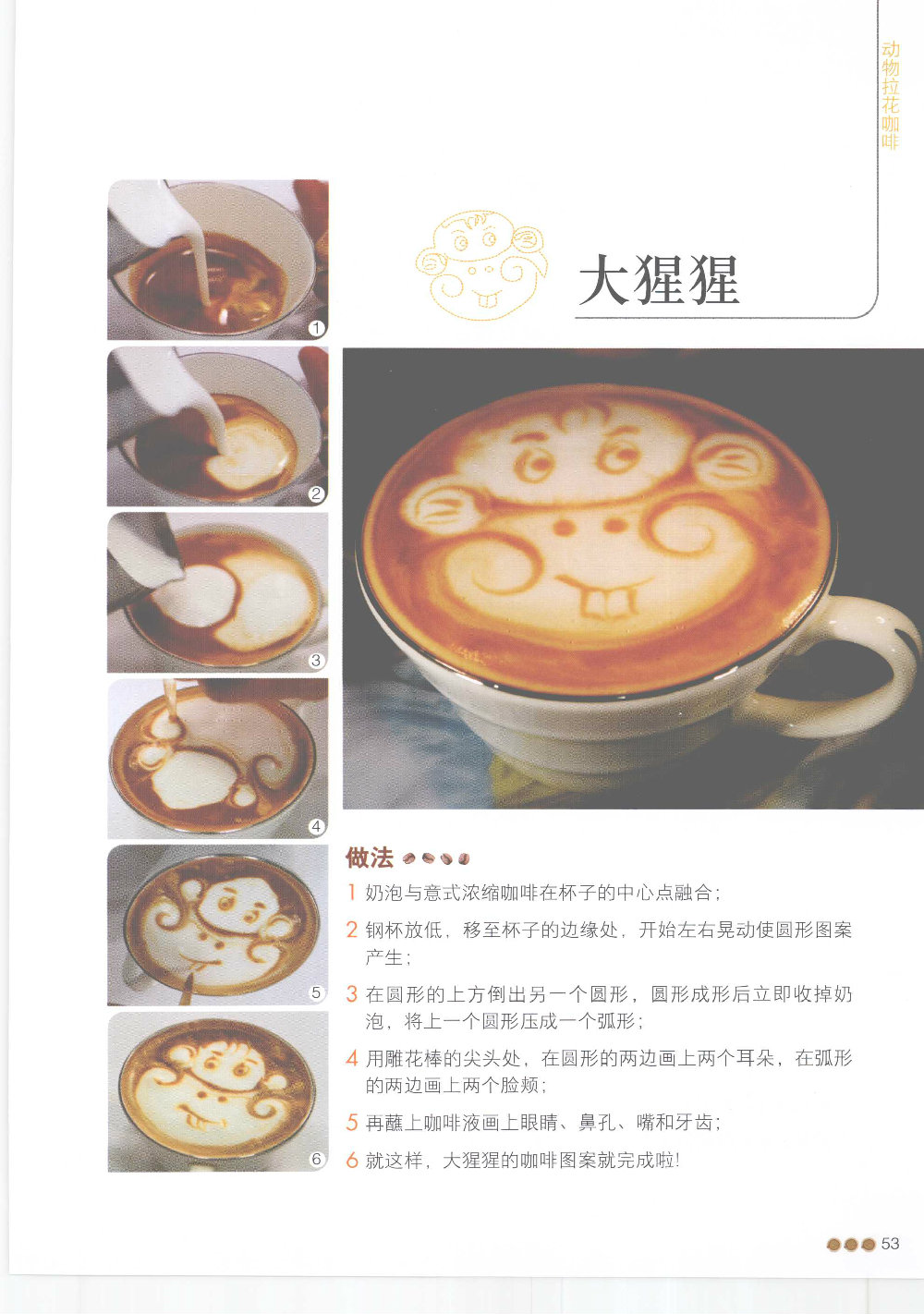
Always practice with espresso and steamed milk together once you’ve got the basics of milk texturing. The interaction between crema and foam affects how designs appear. Practicing with just milk helps with steam control but won’t prepare you for real-world latte art conditions.
How can I improve my animal pour details?
Focus on controlling the milk flow—keep it thin and steady, around 2–3mm wide. Work on slow, deliberate movements and pour just above the cup’s surface. Practice basic shapes until they’re consistent, then gradually add small details like ears, eyes, and whiskers with precise taps and pulls.
Recommended FrontStreet Coffee Blends for Latte Art Practice
For practicing animal latte art at home, FrontStreet Coffee’s Classic Blend is a great starting point. This medium-dark roasted, three-region Italian-style blend includes Mandheling, Brazilian, and a touch of Robusta for bold crema and a full body. It produces rich, stable foam with flavors of butter, toast, and caramel—perfect for shaping clean designs. The Specialty Blend, with Colombian and Brazilian beans, offers nutty, chocolatey notes and a smooth, creamy texture ideal for detailed pours. For those planning to open a café or seeking maximum crema stability, the Commercial Blend adds a bit more Robusta to enhance thickness and richness. All three blends are designed for espresso-based drinks and produce the velvety microfoam needed for successful latte art. Freshly roasted within 5 days · Orders placed before 17:00 ship the same day · Next-day delivery across most of Guangdong Province.
FrontStreet Coffee is a long-established specialty coffee roaster in Guangzhou China, selling freshly roasted beans from its own farm in Yunnan as well as dozens of carefully selected single-origin beans from around the world for both pour-over and espresso. The products deliver consistently excellent quality and great value, with shipping within 24 hours. Guangzhou's FrontStreet Coffee shop is recommended by many coffee lovers, and the beans are now available online at the Tmall 。
Important Notice :
前街咖啡 FrontStreet Coffee has moved to new addredd:
FrontStreet Coffee Address: 315,Donghua East Road,GuangZhou
Tel:020 38364473