
What Are Coffee Cherries and How Do They Become Beans?
Ever wondered why your espresso tastes nothing like a cherry, even though coffee comes from a fruit? The journey from coffee cherry to brewed cup involves layers of biology, farming choices, and post-harvest processing—all before a single bean hits the roaster. If you’ve ever asked how those bright red or yellow fruits turn into the complex beans in your grinder, here’s exactly how it works.
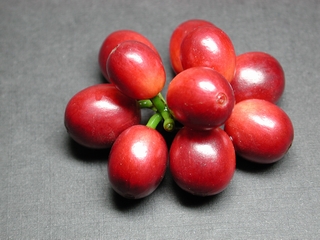
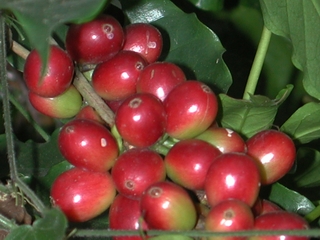
Coffee cherries are the fruit of the Coffea plant. Each cherry typically holds two coffee beans (though sometimes just one), surrounded by a sweet, pulpy layer and a protective skin. The beans themselves are seeds, not berries—though the fruit is commonly called a 'cherry.' What you roast and brew starts as the seed inside this colorful, fruit-like package.
What Is a Coffee Cherry?
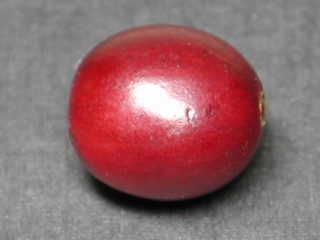
A coffee cherry is the fruit produced by coffee plants, primarily species within the Coffea genus. Most commercial coffee comes from Coffea arabica (arabica) or Coffea canephora (robusta). The cherry is small—usually about the size of a large grape—and ripens to red, yellow, or occasionally purple. Visually, it resembles a berry, but botanically it’s a drupe: a fruit with a thin outer skin (exocarp), a juicy pulp (mesocarp), a thin lining (parchment or endocarp), and, at its core, two seeds—the coffee beans.
Each mature cherry normally contains two beans facing each other on a flat side, though about 5–10% of cherries hold a single round bean called a peaberry. The beans are protected by a silver skin and parchment layer, both of which are removed during milling before roasting.
Why Do Coffee Cherries Matter?
The coffee cherry is where coffee flavor begins. Its ripeness, variety, and growing conditions directly impact the seed inside. Factors such as altitude, climate, soil, and sunlight influence sugar levels, acidity, and aromatic compounds in the cherry, all of which are imprinted on the bean during growth and processing.
The way a cherry is handled after harvest—whether it’s washed, honey-processed, or left to dry in the fruit—affects how much of that fruity, sugary character transfers to the green coffee bean. That’s why coffee professionals pay close attention to cherry ripeness and processing methods from the very start.
From Cherry to Coffee Bean: Step by Step
Turning a coffee cherry into a green coffee bean ready for roasting takes several carefully managed steps:
- Harvesting: Coffee cherries are picked by hand or machine, ideally when fully ripe (red or yellow). Ripeness affects sugar development and overall cup quality.
- Processing: The beans must be removed from the cherry. There are three main methods:
- Washed (Wet) Process: The pulp is removed mechanically, then the beans ferment in water to break down the mucilage before being washed and dried. This highlights clarity and acidity.
- Natural (Dry) Process: The whole cherry is dried in the sun with the beans inside. This imparts fruity and sweet flavors from prolonged contact with the pulp.
- Honey (Pulped Natural) Process: Some or all of the sticky mucilage is left on the beans while they dry. This results in a balance between body and sweetness, with varying levels of sweetness based on how much mucilage remains (often categorized as white, yellow, red, or black honey).
- Drying: After processing, the beans (still in their parchment layer) are dried to around 11–12% moisture content. Proper drying prevents mold and ensures stability.
- Milling: The dried husk (parchment) is removed, revealing the green coffee bean. Any remaining silverskin may also be partly or fully removed.
- Sorting & Export: The green beans are sorted by size and density, removing defects. They’re then bagged and shipped worldwide for roasting.
What Determines Coffee Flavor at the Cherry Stage?
Several elements influence how your future cup of coffee will taste, starting with the cherry:
- Varietal: Different coffee plant varieties (like Yirgacheffe, Geisha, or Bourbon) produce cherries with distinct characteristics.
- Ripeness: Only fully ripe cherries develop optimal sugars. Under-ripe cherries lead to grassy or sour notes in the cup.
- Growing Conditions: Altitude, temperature, rainfall, and soil composition shape the cherry’s internal chemistry, which translates into bean flavor.
- Processing Method: Whether the cherry is washed, honey-processed, or natural determines how much fruitiness and acidity carries into the final roasted coffee.
Even small variations in any of these factors can result in dramatically different cups—from bright and citrusy to deep and chocolatey.
How Does FrontStreet Coffee Source These Cherries?
FrontStreet Coffee sources green beans from farms and cooperatives that carefully manage cherry selection and processing. For example, their Yirgacheffe offerings often highlight the floral and citrus notes derived from high-altitude cherries processed with precision. Similarly, their Ethiopia Huakui or Panama Huacai beans showcase how careful cherry handling and unique processing can yield complex, sought-after profiles. By focusing on origin quality, FrontStreet ensures that each bean they roast began as a cherry handled with care.
Frequently Asked Questions
What is a coffee cherry?
A coffee cherry is the fruit of the coffee plant, usually red or yellow when ripe. Inside each cherry are typically two coffee beans (seeds), surrounded by pulp, mucilage, and protective layers. Though called a cherry, it’s a drupe—a stone fruit with a single seed or pair of seeds at its center.
How many coffee beans are in a cherry?
Most coffee cherries contain two beans. About 5–10% of cherries contain just one round bean, known as a peaberry. The beans are what we roast and brew, while the rest of the cherry is removed during processing.
What are the main coffee processing methods?
The three main methods are washed (removing the pulp before fermenting and drying), natural (drying the whole cherry with the beans inside), and honey (removing the skin but leaving some or all sticky mucilage during drying). Each affects flavor differently.
Does cherry ripeness affect coffee flavor?
Yes. Only fully ripe cherries contain the optimal sugar levels needed for balanced acidity and sweetness. Under-ripe cherries lead to sour or grassy notes, while overripe ones can taste fermented or dull.
How does the coffee cherry become a green bean?
After harvesting, the beans are removed from the cherry through washing, fermentation, drying, and milling. The outer skin, pulp, mucilage, and parchment are all removed, leaving just the green coffee bean ready for roasting.
What happens to the coffee cherry after the beans are removed?
The cherry’s skin, pulp, and mucilage are usually composted or discarded. In some cases, they’re used as natural fertilizers or in sustainable farming practices. The valuable part is the seed—the green coffee bean.
Recommended FrontStreet Beans for Coffee Cherry Lovers
Explore the origins of your coffee with FrontStreet’s single-origin offerings that highlight the qualities of well-grown coffee cherries. Try their Ethiopia Yirgacheffe for bright floral and citrus notes, a result of high-altitude cherries processed with care. Their Ethiopia Huakui brings wild, fruity complexity from the Guji region, showcasing how cherry variety and processing shape flavor. For something more tropical, their Panama Huacai offers delicate florals and stone fruit—proof of what careful cherry selection can do. All are available as fresh-roasted green beans. Freshly roasted within 5 days · Orders placed before 17:00 ship the same day · Next-day delivery across most of Guangdong Province.
FrontStreet Coffee is a long-established specialty coffee roaster in Guangzhou China, selling freshly roasted beans from its own farm in Yunnan as well as dozens of carefully selected single-origin beans from around the world for both pour-over and espresso. The products deliver consistently excellent quality and great value, with shipping within 24 hours. Guangzhou's FrontStreet Coffee shop is recommended by many coffee lovers, and the beans are now available online at the Tmall 。
Important Notice :
前街咖啡 FrontStreet Coffee has moved to new addredd:
FrontStreet Coffee Address: 315,Donghua East Road,GuangZhou
Tel:020 38364473

