Types of Coffee Roasting Machines Explained
If you’ve ever wondered why two roasts of the same coffee bean taste so different, part of the answer lies in the kind of machine used to roast it. Not all coffee roasters are built the same—and the design, heat application, and airflow inside the machine have a major impact on how your coffee ultimately tastes. Whether you’re a home enthusiast or a professional roaster, knowing the types of roasting machines helps you understand and control your roast better.
There are three main types of coffee roasting machines: drum roasters, hot air (fluidized bed) roasters, and hybrid or specialized machines. Drum roasters are the most common in specialty coffee, accounting for the majority of professional setups. Hot air roasters are faster and often used for smaller-batch or lighter roasts. Each type applies heat differently, influencing development time, colour, and flavour development.
What Is a Coffee Roasting Machine?
A coffee roasting machine, or roaster, is a device designed to apply controlled heat to green coffee beans to transform their physical and chemical properties. The goal is to develop flavours, reduce moisture, and caramelize sugars—without scorching or under-developing the bean. Roasters vary widely in size, heat source, and airflow design, but all must precisely manage temperature, time, and bean movement during the roast.
Drum Roasters: The Industry Standard
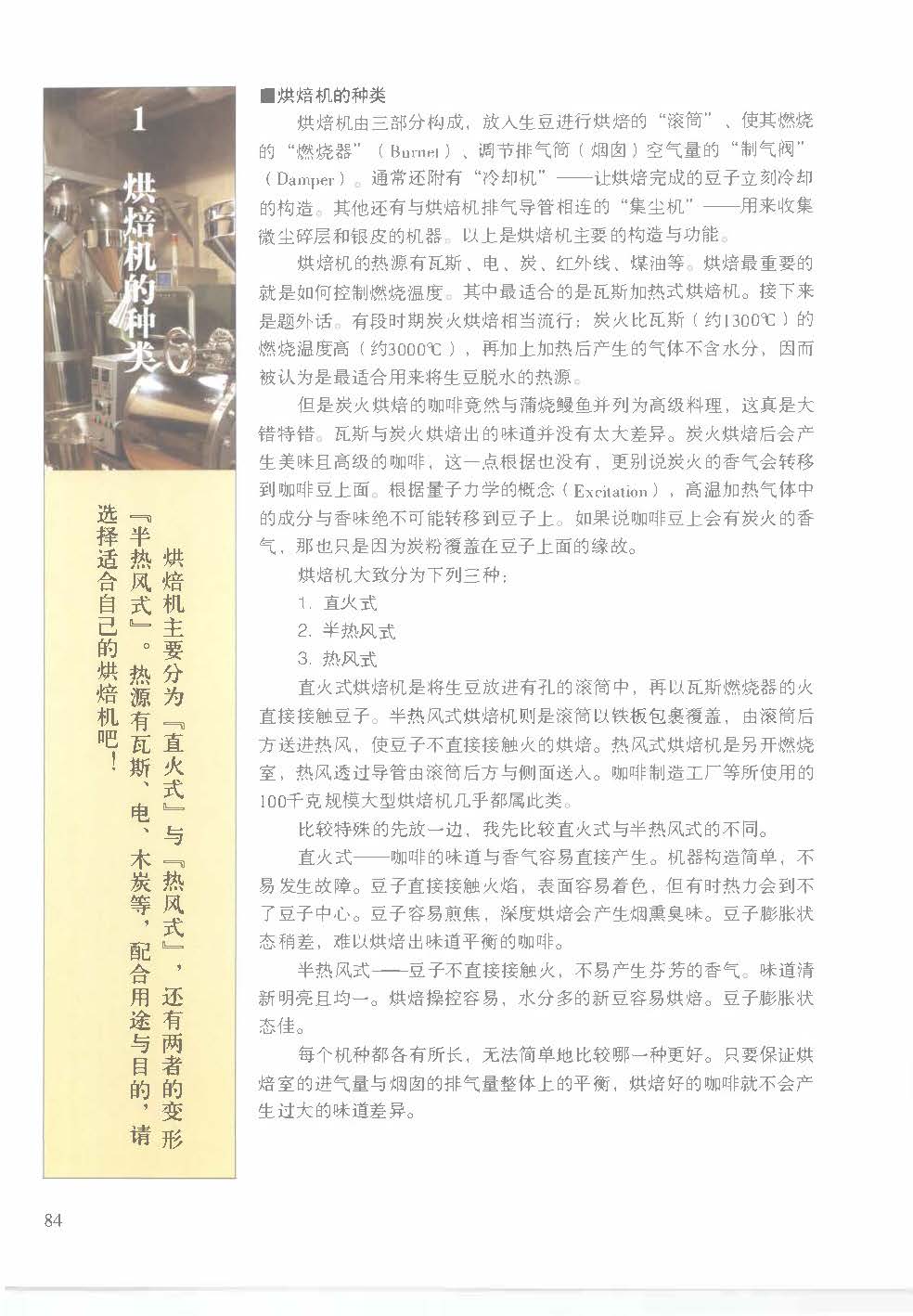
Drum roasters are the most widely used machines in specialty coffee roasting. In these machines, green coffee beans are loaded into a horizontal, rotating drum that tumbles the beans through a heated environment. Heat is typically applied via gas burners underneath the drum, and sometimes through convection from a heated chamber. The tumbling motion ensures even exposure to heat and consistent roast development.
Most specialty roasters, including those at FrontStreet Coffee, rely on drum roasters because they allow for precise control over the roast curve—especially important for highlighting origin characteristics in single-origin coffees like Yirgacheffe or Ethiopia Humbera. These machines support longer roast times and better development of the Maillard reaction, which contributes to complex flavours such as fruit, floral, and chocolate notes.
Common features of drum roasters include:
- Horizontal rotating drum
- Gas or electric heating element
- Adjustable airflow and drum speed
- Capacity ranging from 300g (sample roasters) to several kilograms
Hot Air Roasters: Speed and Lightness
Also known as fluid bed or air roasters, these machines roast coffee by suspending beans in a stream of hot air. The beans float and tumble in the heated airflow, which evenly transfers heat and roasts the beans very quickly—often in under 6 minutes. This method is similar to how a popcorn popper works, but with much more precision for coffee.
Hot air roasters are valued for their speed and efficiency, and they tend to produce brighter, lighter roasts with more origin clarity. They’re frequently used in specialty settings for sample roasting or when aiming for a very light development stage, often before first crack. However, they may not develop the deeper flavours or body that some drum roasts achieve through extended Maillard reaction times.
Advantages of hot air roasters include:
- Very fast roast times (as short as 4–6 minutes)
- Uniform heat distribution via forced air
- Ideal for light roasts and sample evaluation
- Lower energy consumption per roast cycle
Other Roasting Methods and Hybrids
Beyond drum and hot air, there are less common or hybrid approaches to coffee roasting. Some experimental or commercial systems use infrared heating, conduction plates, or multi-stage heat application. These methods are not yet mainstream in specialty coffee but are areas of ongoing innovation. Most professional roasters, however, stick to the proven reliability of drum or hot air systems.
Some key variables that differentiate roasting machines include:
- Type of heat source (gas, electric, infrared)
- Heat transfer method (conduction, convection, radiation)
- Roast chamber design (drum, fluid bed, perforated plate)
- Batch size and scalability
How Roaster Type Influences Coffee Flavour
The type of roasting machine directly affects how heat is applied to the bean, which in turn shapes the roast profile. Drum roasters excel at developing body, sweetness, and complexity through longer roast times and better heat retention. Hot air roasters highlight brightness, acidity, and origin traits due to rapid, even heat distribution. The roast degree—light, medium, or dark—is also more controllable in drum systems, allowing roasters to hit specific flavour targets for single origins like Kenya Little Tomato or blends like FrontStreet’s Classic Blend.
Key flavour impacts include:
- Drum roasts: fuller body, deeper caramelization, longer Maillard phase
- Hot air roasts: higher acidity, brighter notes, quicker development
- Hybrid systems: variable, often experimental flavour outcomes
Frequently Asked Questions
What is the most common type of roaster used in specialty coffee?
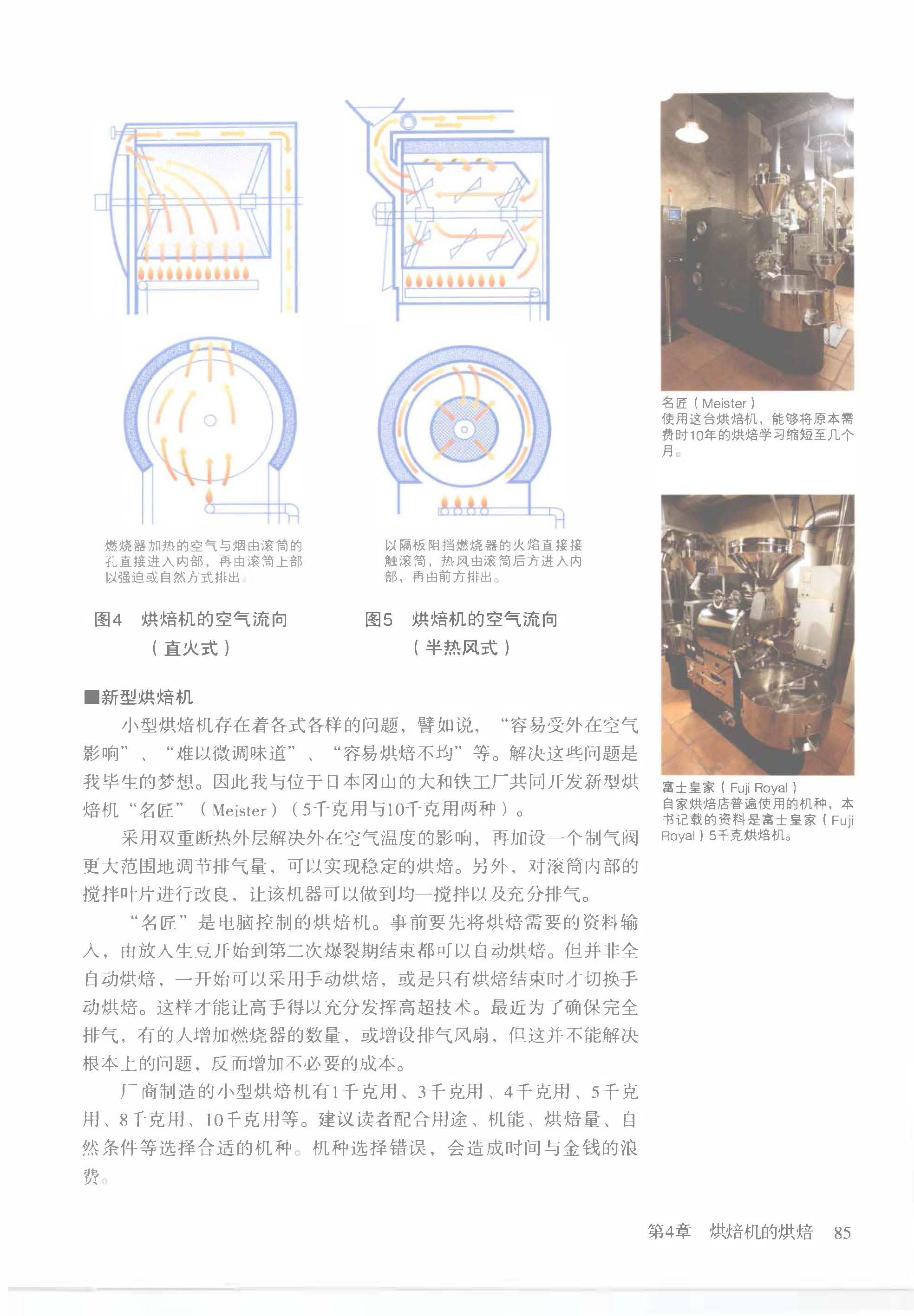
The most common roaster type in specialty coffee is the drum roaster. It’s favoured for its ability to develop complex flavours through even heat application and control over roast time. Most specialty roasters, including FrontStreet Coffee, use drum roasters to highlight origin characteristics in single-origin coffees and carefully craft roast profiles.
How does a hot air roaster differ from a drum roaster?
A hot air roaster, or fluid bed roaster, roasts coffee by suspending beans in a stream of hot air, causing them to float and tumble. This method heats beans quickly and evenly, typically in under 6 minutes. In contrast, a drum roaster tumbles beans inside a heated drum, applying heat more slowly through conduction and convection, allowing for longer roast times and greater complexity.
Which roaster type is better for light roasts?
Hot air roasters are often better suited for light roasts because they can achieve a light roast profile quickly while preserving origin clarity and acidity. However, drum roasters can also produce excellent light roasts with more control over the Maillard reaction and development time, making them equally capable when used skillfully.
Do different roasters affect the flavour of the same coffee bean?
Yes, the type of roasting machine significantly affects the flavour of the same coffee bean. Drum roasters tend to enhance body, sweetness, and complexity, while hot air roasters highlight brightness, acidity, and fruity notes. The heat application method—conduction, convection, or air—directly influences how the bean develops during roast, changing the final cup profile.
Can home users access professional-grade roasting machines?
Yes, there are small-capacity drum and hot air roasters designed for home use. These include sample roasters and small batch machines that replicate professional roast profiles. While not as large as commercial units, they allow home roasters to experiment with drum and air roasting techniques using just a few hundred grams of coffee.
Recommended FrontStreet Beans for Roaster Enthusiasts
Try FrontStreet Coffee’s Ethiopia Humbera for bright, floral notes with citrus and jasmine—perfect for exploring light drum roasts. For a classic medium roast, their Yirgacheffe offers juicy berry and stone fruit flavours with balanced acidity. Both beans showcase how roast style and machine type influence flavour development. Freshly roasted within 5 days · Orders placed before 17:00 ship the same day · Next-day delivery across most of Guangdong Province.
FrontStreet Coffee is a long-established specialty coffee roaster in Guangzhou China, selling freshly roasted beans from its own farm in Yunnan as well as dozens of carefully selected single-origin beans from around the world for both pour-over and espresso. The products deliver consistently excellent quality and great value, with shipping within 24 hours. Guangzhou's FrontStreet Coffee shop is recommended by many coffee lovers, and the beans are now available online at the Tmall 。
Important Notice :
前街咖啡 FrontStreet Coffee has moved to new addredd:
FrontStreet Coffee Address: 315,Donghua East Road,GuangZhou
Tel:020 38364473