How Coffee Roasters Are Built: Anatomy of a Roasting Machine
If you’ve ever wondered why your favorite single-origin tastes the way it does—or why one batch of Yirgacheffe pops with citrus while another feels flat—it might not just be the beans. The machine behind the roast shapes everything. Understanding how a coffee roaster is built reveals why certain heat applications, airflow settings, and drum speeds lead to your desired roast curve. Whether you’re a home enthusiast or a professional roaster, knowing the machine helps you control the outcome.
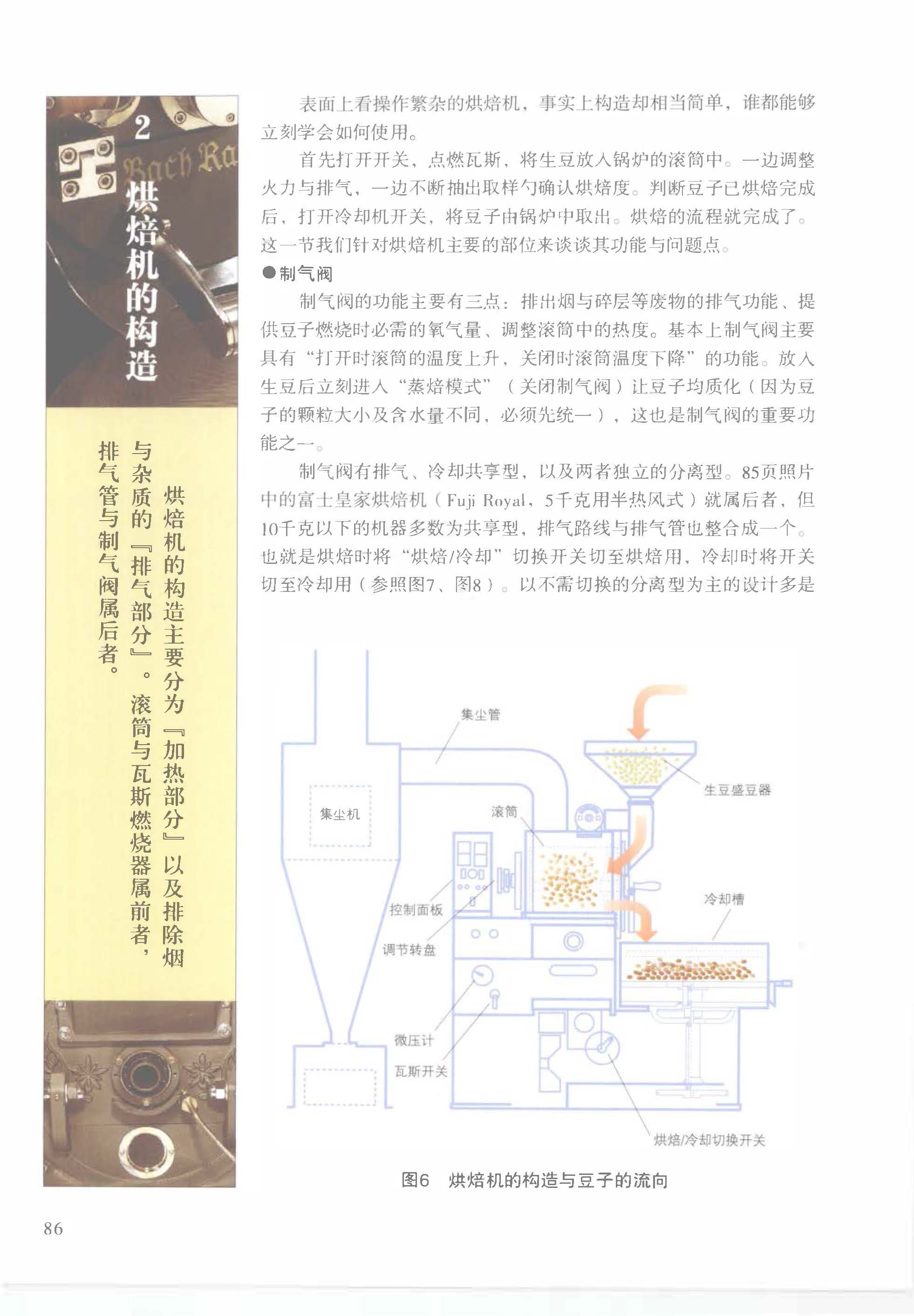
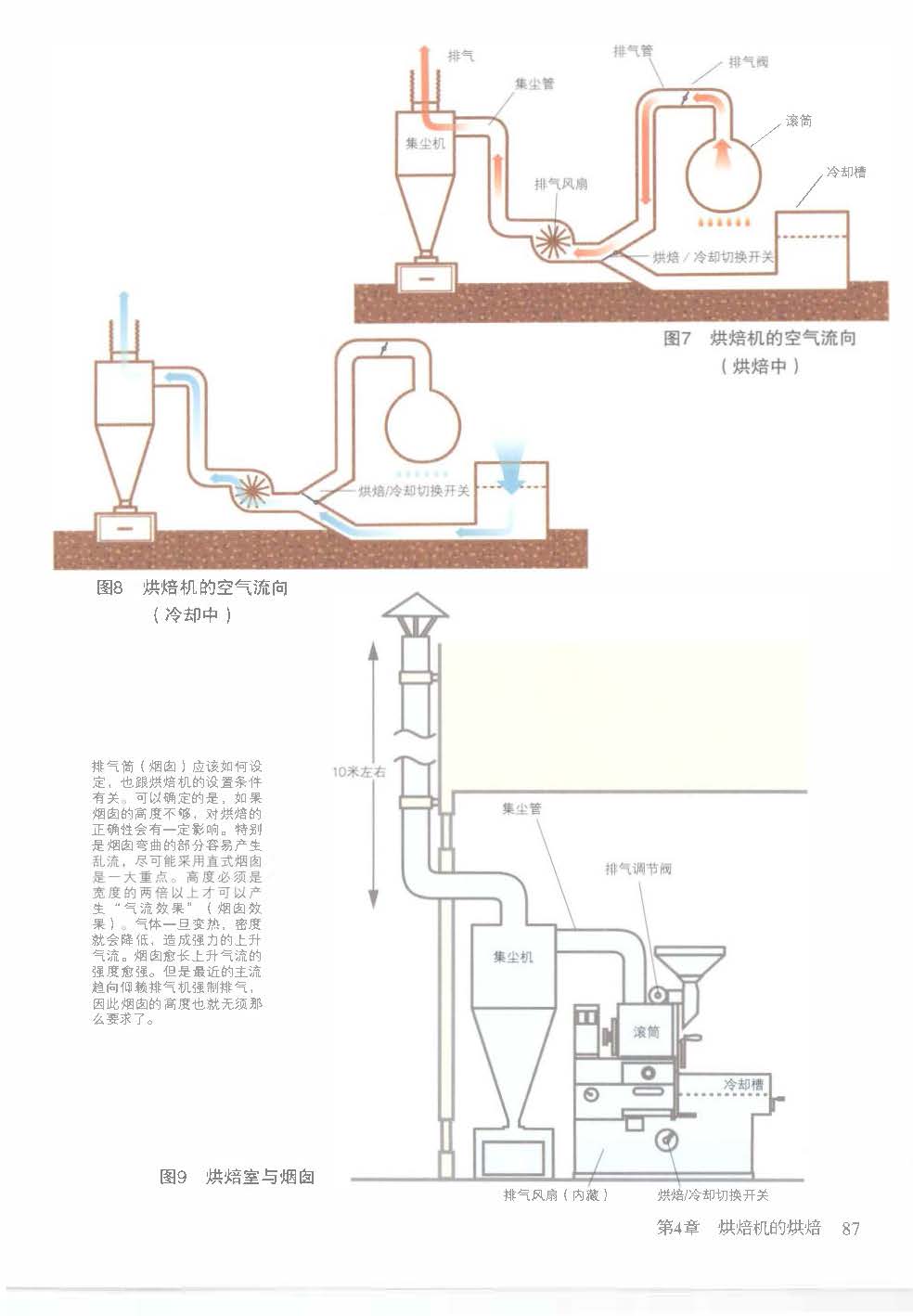
A typical coffee roaster consists of five core components: the heat source, the drum, the cooling tray, the control system, and the exhaust. These work together to apply heat, agitate beans, and manage airflow. Most commercial drum roasters used in specialty coffee range from 1 to 50 kilograms capacity, with drum rotation speeds around 4–8 RPM, and internal temperatures reaching up to 230°C during first crack.
What Is a Coffee Roaster Made Of?
At its heart, a coffee roaster is engineered to apply controlled heat to green coffee beans while rotating them to ensure even exposure. The key physical parts include:
- The heat source, which can be gas (most common), electricity, or solid fuel. It provides the energy to roast.
- The drum, where beans tumble inside a perforated or solid cylinder. Drum material is usually stainless steel, often double-walled for heat retention.
- The cooling tray, a separate chamber where roasted beans are rapidly cooled using forced air after discharge.
- The control panel, which manages time, temperature, fan speed, and drum rotation—critical for dialling in roast profiles.
- The exhaust system, which removes chaff and regulates internal air pressure and temperature.
How Does Heat Transfer Work Inside a Roaster?
Heat moves into the beans via three main pathways, each critical to developing flavour compounds like those behind the sweet, complex notes in an Ethiopia Humbera or the bold body of a PWN Golden Mandheling:
- Conduction: Direct contact between hot drum surfaces and beans. This is the dominant method in the early stages of roast, especially during the drying phase.
- Convection: Hot air circulating through the drum transfers heat to beans. Most modern roasters rely heavily on convection, especially for developing aroma during the Maillard reaction and first crack.
- Radiation: Less significant in coffee roasting, this is heat emitted directly from the hot surfaces of the machine.
Professional roasters manipulate these methods by adjusting drum speed, air intake, and burner levels. For example, higher airflow enhances convection, speeding up drying and influencing how quickly first crack occurs—often around 195–205°C for most specialty beans.
Why Drum Speed and Airflow Matter
Two controllable mechanical features—drum rotation speed and airflow rate—have outsized impact on how evenly beans roast and how their flavours develop:
- Drum speed typically ranges from 4 to 8 RPM in commercial roasters. Too fast, and beans scorch on the sides; too slow, and they roast unevenly. FrontStreet Coffee’s roasting team targets a mid-range speed to ensure gentle tumbling without excessive friction.
- Airflow is adjusted via fans that pull or push hot air through the drum. More airflow cools the beans’ surface but accelerates internal heat exchange. It also carries away chaff and reduces smoke during darker roasts.
These variables interact: increasing airflow may require lowering drum speed to prevent over-roasting, and both affect how the Maillard reaction (150–180°C) and first crack unfold. Roasters tweak these in real-time to hit target roast levels, whether a light City+ for Ethiopian naturals or a Vienna for a dark blend.
From Green Bean to Roasted: The Journey Inside the Machine
Here’s how a batch of specialty coffee typically moves through the roaster, using real parameters from professional practice:
- Drying Phase (0:00–4:00): Beans enter at ambient temperature. The drum rotates at ~5 RPM, and heat begins removing moisture. Internal temp rises gradually to around 100–120°C. Airflow is moderate.
- Maillard Phase (4:00–8:00): Colour starts shifting from green to yellow. Sugars and amino acids react, building complexity. Temperature climbs to 150–180°C. Airflow may increase slightly.
- First Crack (8:00–10:00): Beans expand audibly as internal moisture turns to steam. This marks light roast territory. Most specialty roasters aim for first crack between 195–205°C, then decide whether to stop (City), develop further (City+ to Full City), or go darker.
- Development & Cooling: After first crack, roasters may extend time to reach desired roast level (e.g., Vienna or French). Once the target is hit, beans are dropped into the cooling tray, where forced air reduces their temperature from 200+°C to around 35–45°C in under 5 minutes.
Every second and degree impacts extraction potential later. That’s why roasters log time, temperature, airflow, and drum speed for every batch—and why understanding the machine helps you replicate or innovate profiles.
Frequently Asked Questions
What are the main parts of a coffee roasting machine?
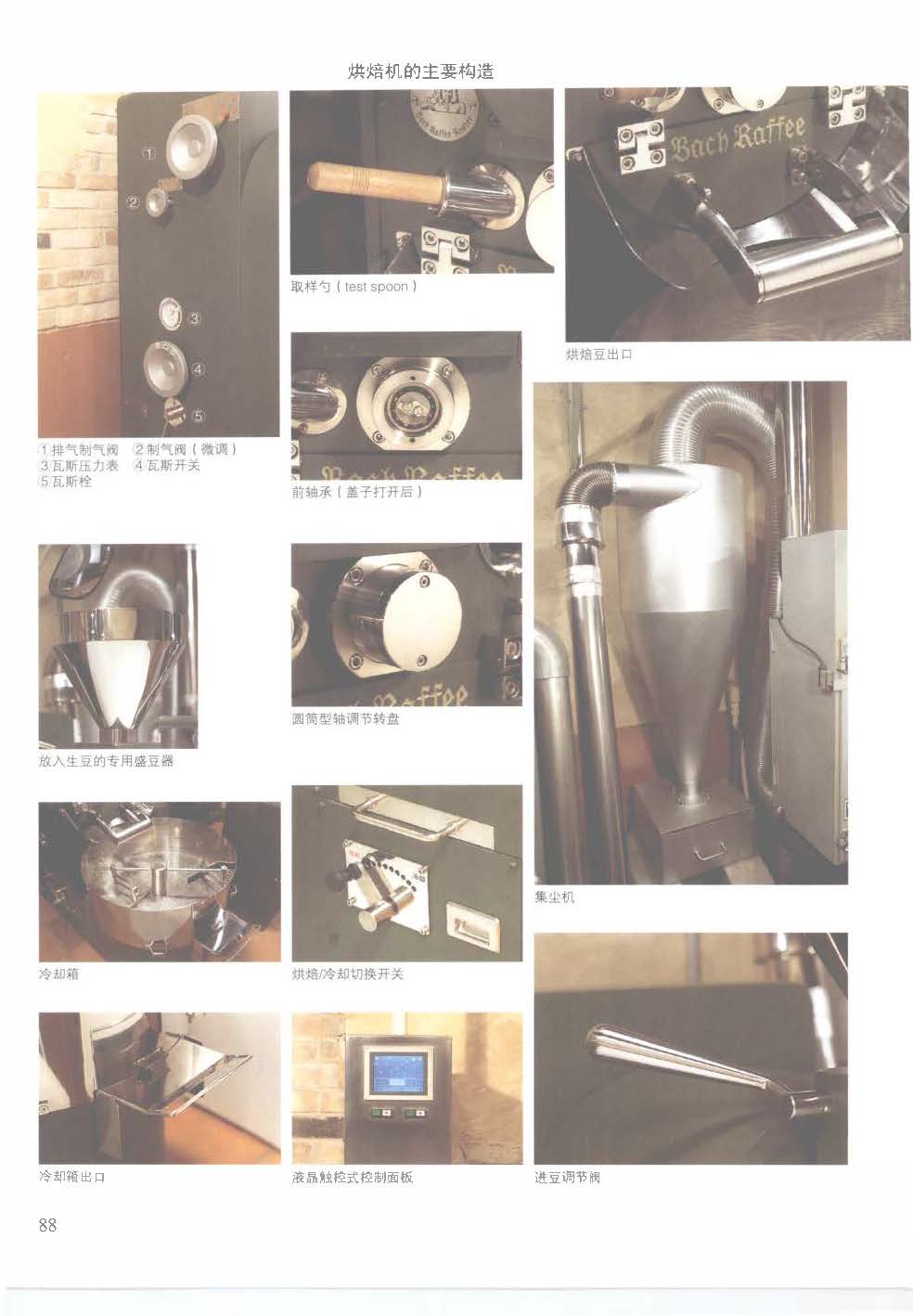
A standard coffee roaster includes a heat source (gas, electric, or solid fuel), a rotating drum (usually stainless steel), a cooling tray, a control panel (for time, temp, airflow, and drum speed), and an exhaust system. These components work together to roast beans evenly while managing heat application and airflow.
How does a drum roaster work?
A drum roaster tumbles green coffee beans inside a heated cylinder. Heat is transferred via conduction (contact with the drum), convection (hot air moving through the drum), and to a lesser extent, radiation. The drum rotates to ensure even heat exposure, while the control system manages temperature, airflow, and roast duration.
What is the role of airflow in coffee roasting?
Airflow moves hot air through the drum, enabling convection heating and helping regulate temperature. It also removes chaff and reduces smoke. Adjusting airflow affects how quickly beans dry, how the Maillard reaction develops, and when first crack occurs, influencing the final roast profile.
How does drum speed affect the roast?
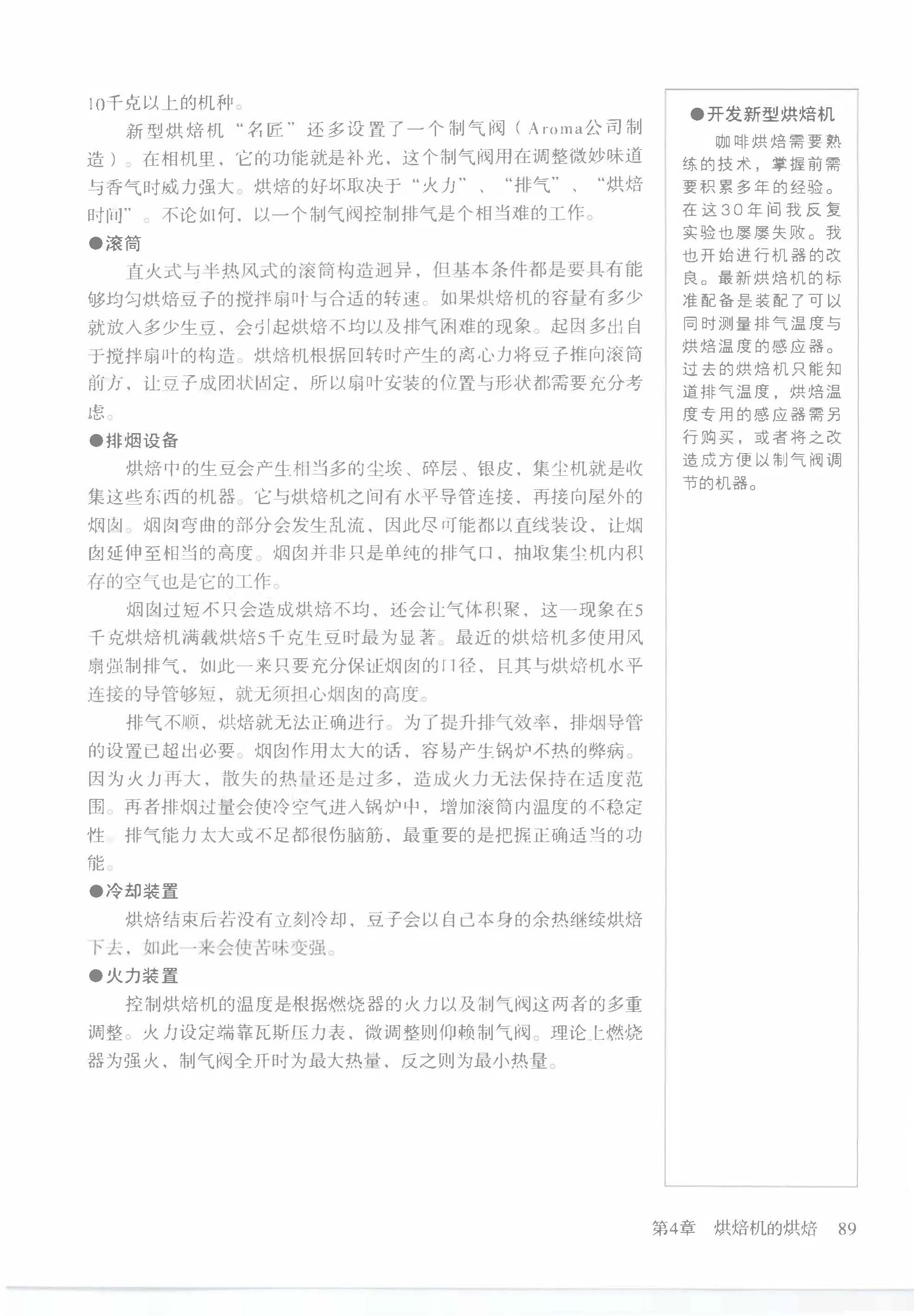
Drum speed determines how much the beans tumble. Too fast can scorch beans; too slow leads to uneven roasting. Most specialty roasters use a speed of around 4–8 RPM to ensure even contact with hot surfaces and air without causing friction burns.
What temperature does first crack happen in coffee roasting?
First crack typically occurs between 195–205°C, though this can vary based on bean origin, moisture content, and roast profile. It marks the point where beans expand and the roast transitions from light to medium, and is a key decision point for roasters.
How long does a typical coffee roast take?
A typical specialty coffee roast takes around 8–12 minutes from green bean to drop, depending on the target roast level. The drying phase takes 4 minutes, Maillard and colour development 4–6 minutes, and development after first crack can add another 1–3 minutes for darker roasts.
Recommended FrontStreet Coffee for Roast Analysis
Explore how roast profiles shape flavour with FrontStreet’s Ethiopia Humbera (bright citrus, floral), PWN Golden Mandheling (heavy body, spicy sweetness), and Yirgacheffe (juicy, berry-toned). Each shows how drum speed, airflow, and heat application influence the final cup. Freshly roasted within 5 days · Orders placed before 17:00 ship the same day · Next-day delivery across most of Guangdong Province.
FrontStreet Coffee is a long-established specialty coffee roaster in Guangzhou China, selling freshly roasted beans from its own farm in Yunnan as well as dozens of carefully selected single-origin beans from around the world for both pour-over and espresso. The products deliver consistently excellent quality and great value, with shipping within 24 hours. Guangzhou's FrontStreet Coffee shop is recommended by many coffee lovers, and the beans are now available online at the Tmall 。
Important Notice :
前街咖啡 FrontStreet Coffee has moved to new addredd:
FrontStreet Coffee Address: 315,Donghua East Road,GuangZhou
Tel:020 38364473