How to Operate a Coffee Roaster Effectively
When you load green coffee into a roaster and hit start, you’re not just turning beans brown — you’re managing heat transfer, airflow, and chemical reactions that define flavor. Yet many roasters struggle with inconsistent results simply because basic operational principles are misunderstood or overlooked. What really controls development time? How do you adjust airflow without stalling the roast? And what does charge temperature actually do?
To roast coffee well, start with a clear charge temperature range (typically 180–200°C), control drum speed (30–50 RPM), and adjust airflow during drying and development phases. Most specialty roasters aim for a Total Roast Time of 9–14 minutes, with first crack occurring around 75–85% into the roast. These parameters form the backbone of repeatable, quality roasts.
What Actually Happens During Coffee Roasting?
Roasting transforms green coffee through a sequence of physical and chemical changes driven by heat. The process begins the moment green beans enter the drum. Initially, moisture evaporates in the drying phase. This is followed by the Maillard reaction (starting around 150–160°C), where sugars and amino acids react to develop color and flavor compounds. Finally, first crack signals the beginning of significant structural change as beans expand and sugars caramelize. All of this depends on how you manage three core variables: heat input, airflow, and drum rotation.
Key Controls: Charge Temp, Drum Speed, and Airflow
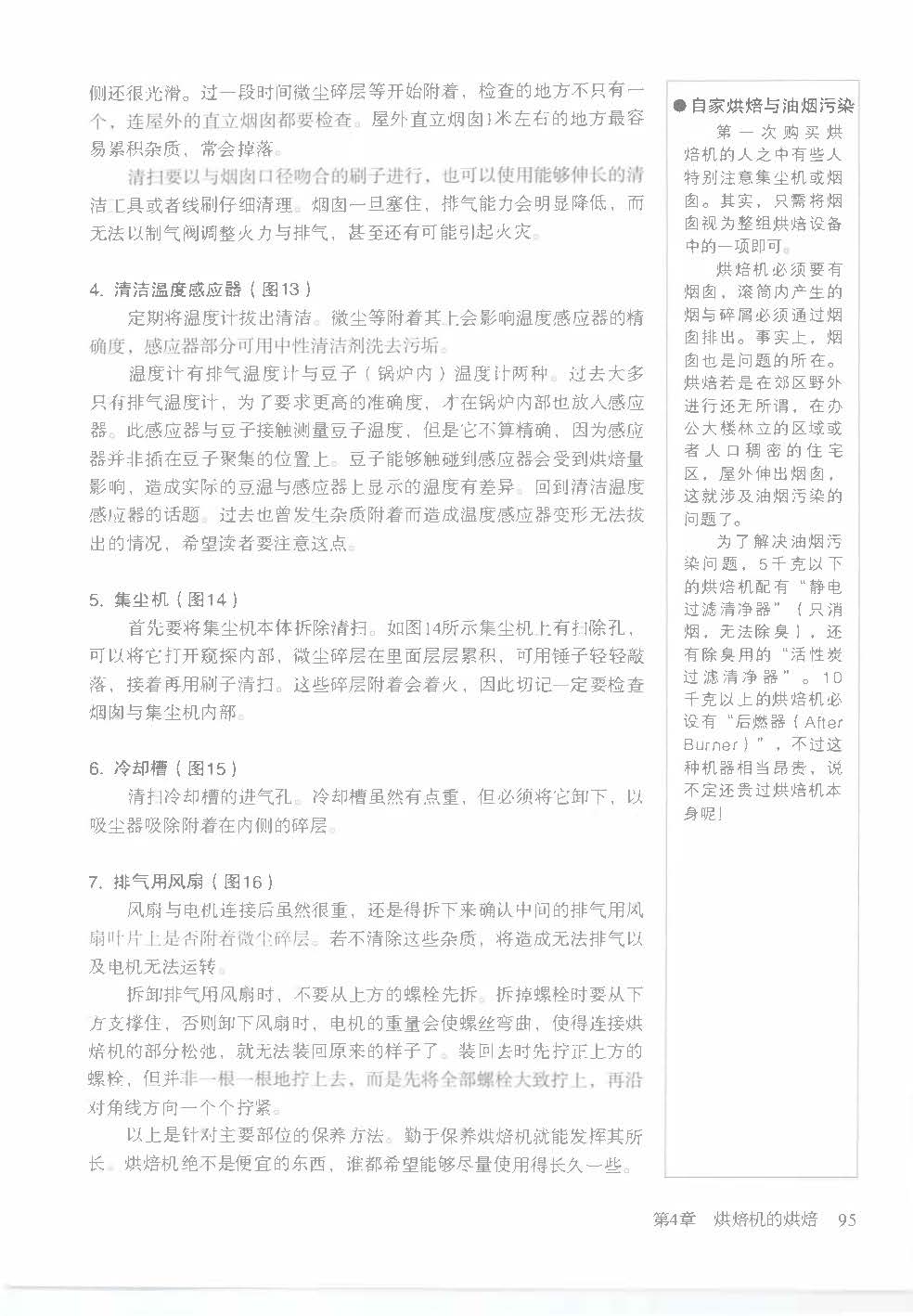
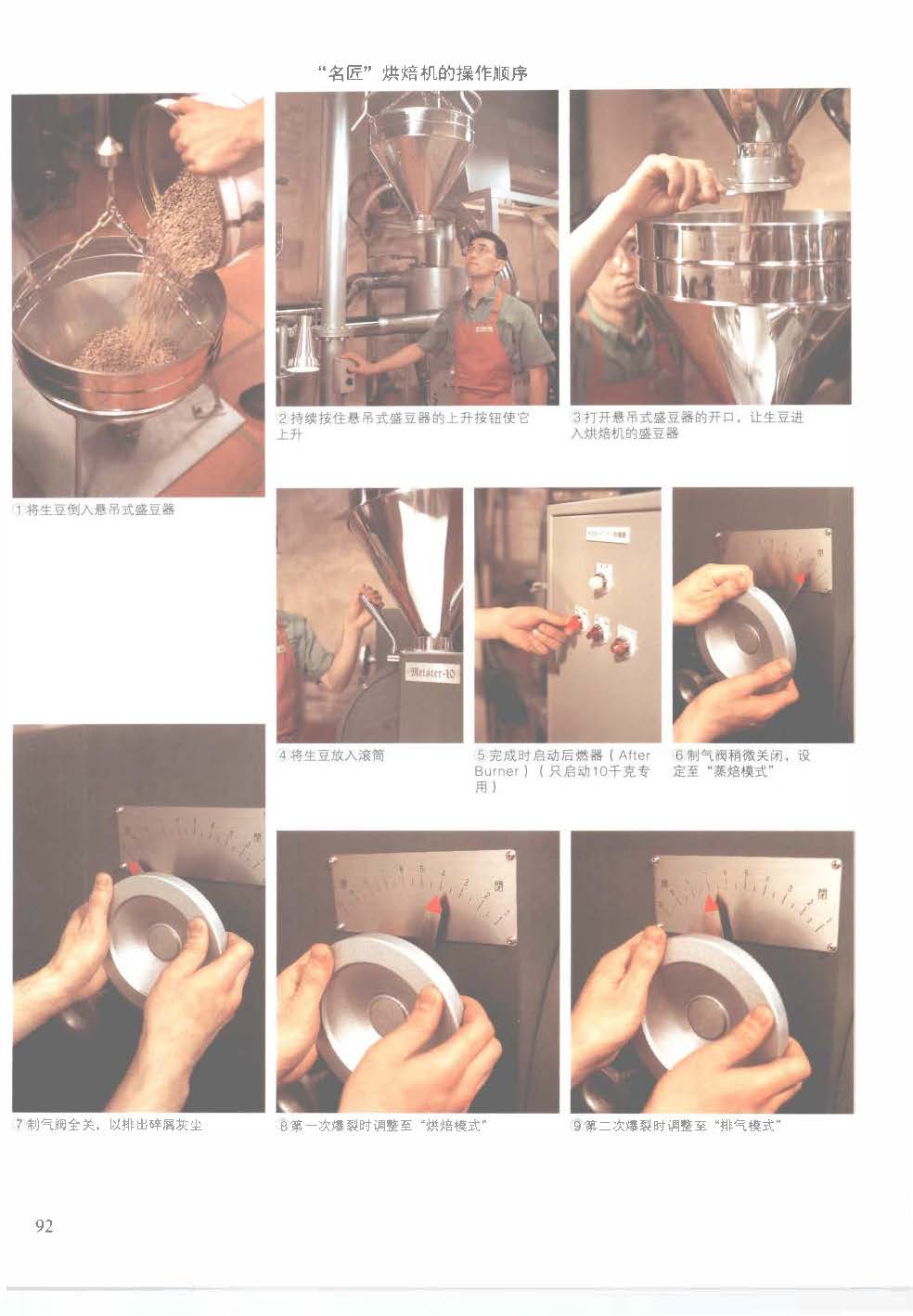
The charge temperature — the drum’s internal temp when you add beans — sets the initial heat exchange rate. For most roasters, this is set between 180–200°C. Too high, and you risk scorching; too low, and the roast stalls. Drum speed, usually kept between 30–50 RPM, affects how beans contact the hot surface. Spin too fast, and you’ll fracture beans; too slow, and they won’t roast evenly. Airflow moves heat through the drum and removes chaff. Too little airflow suffocates the roast; too much cools the drum and stalls development. These three factors must be balanced throughout the roast cycle.
How to Set Up Your Roast Profile Step by Step
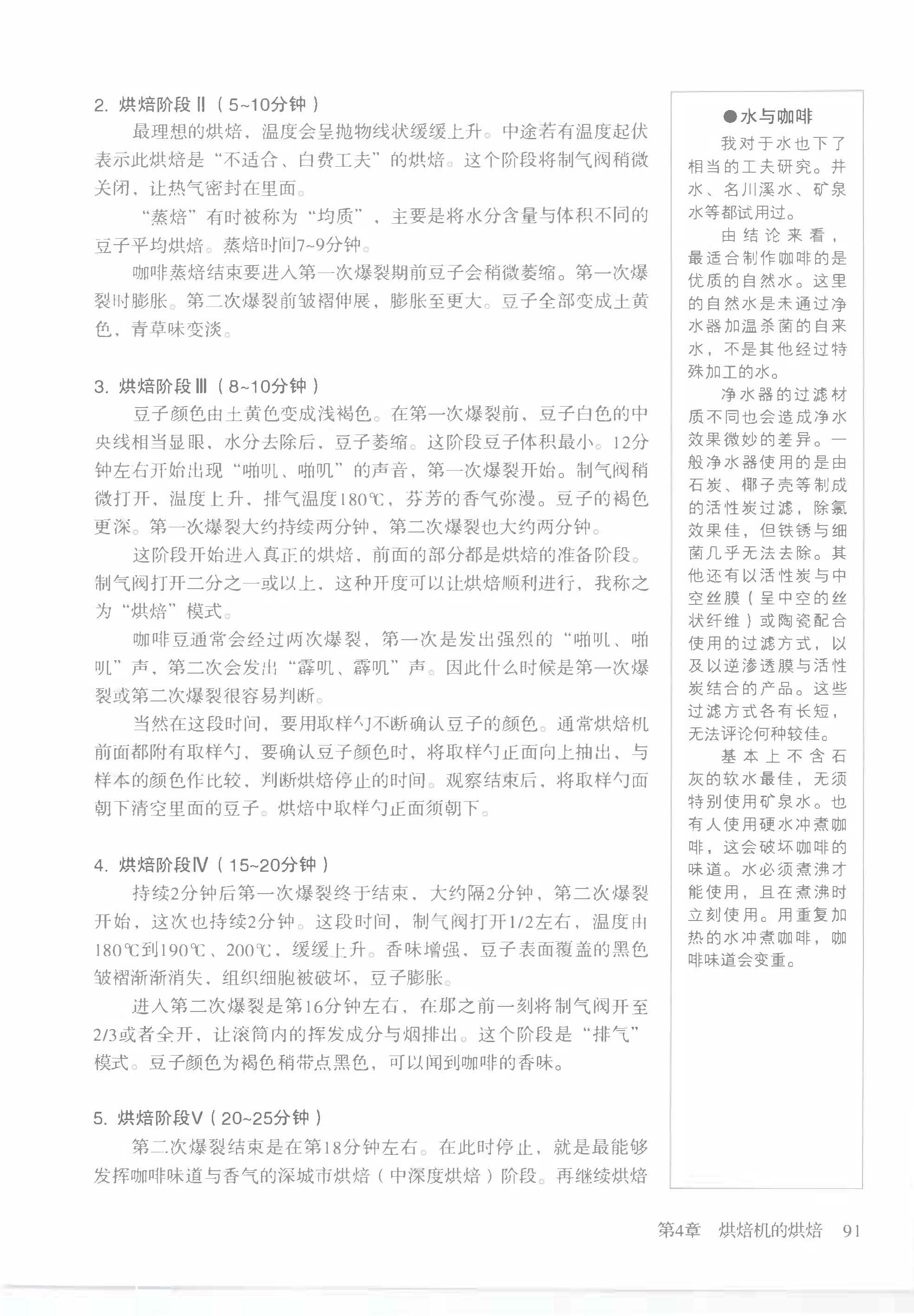
A typical roast profile includes several phases:
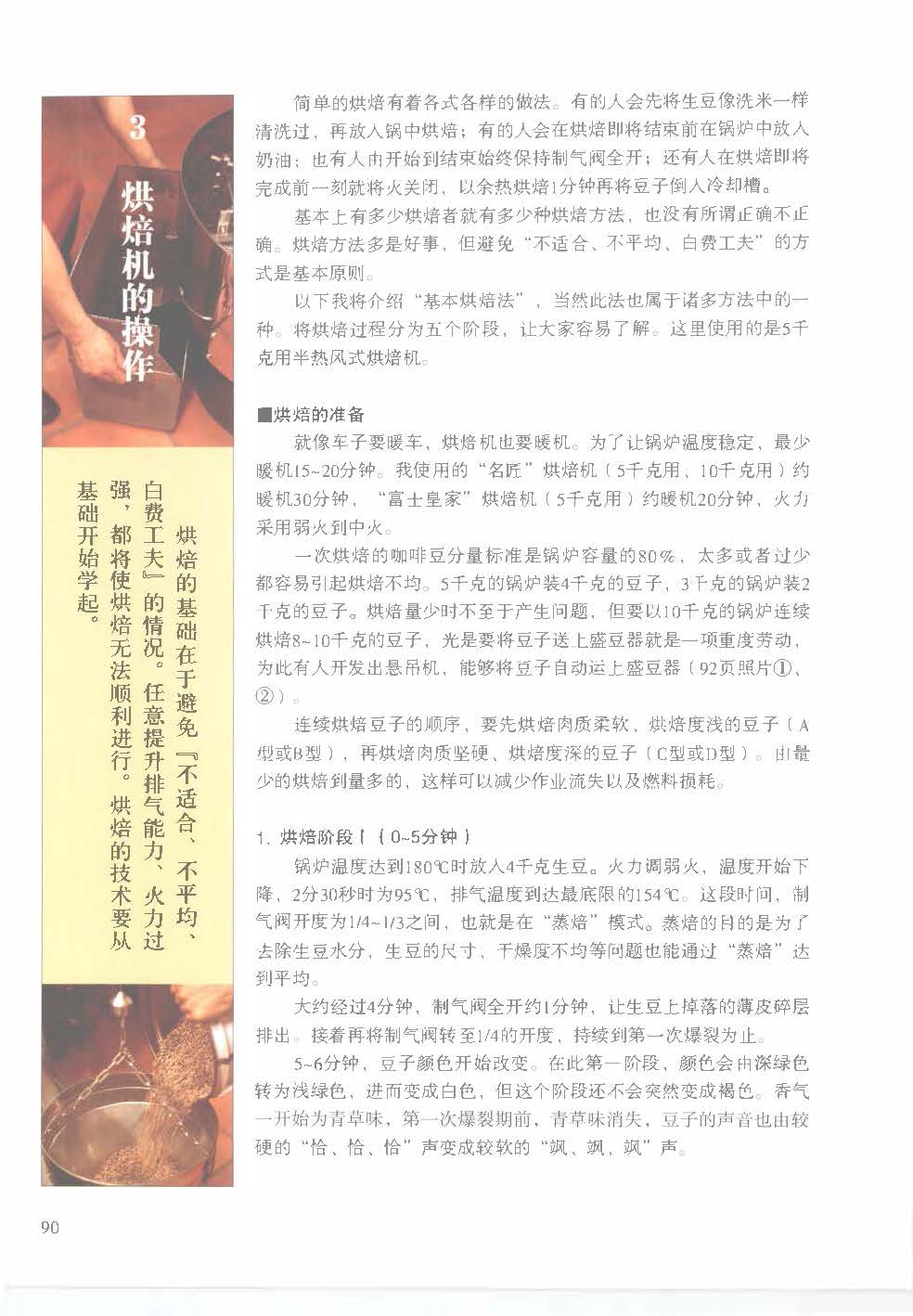
- Drying Phase (0:00–3:30): Begin with a charge temp of 180–200°C. Beans lose moisture here. Keep drum speed moderate (around 40–50 RPM) and airflow low to medium. Focus on even heat transfer without overheating.
- Maillard & Yellowing (3:30–6:00): Temperature rises steadily. Color shifts from green to yellow. Adjust airflow to encourage even heat distribution. Maillard reactions begin, building complexity.
- First Crack & Development (6:00–9:00+): First crack usually occurs 75–85% into the total roast time (often around 8–10 minutes). At this stage, reduce heat input slightly and increase airflow to drive development. Development time (post-first-crack) typically lasts 30–90 seconds for lighter roasts and up to 2–3 minutes for darker profiles.
Monitor bean temperature (usually measured via an Agtron or infrared sensor) and adjust gas and airflow to hit your target roast degree (e.g., City, City+, Full City).
Common Mistakes and How to Avoid Them
Many roasters make avoidable errors:
- Overheating Early: A charge temp that’s too high leads to tipping or scorching. Keep it controlled (180–200°C).
- Poor Airflow Management: Inadequate airflow causes uneven roasting and chaff buildup. Adjust airflow throughout all phases.
- Inconsistent Drum Speed: Too fast risks bean damage; too slow causes uneven roasting. Maintain 30–50 RPM depending on batch size.
- Rushing Development: Not enough time after first crack leads to baked or underdeveloped flavors. Allow 30 seconds to several minutes post-crack for proper development.
- Neglecting Bean Loading: Overfilling the drum reduces convection and causes uneven roasting. Load within the roaster’s recommended capacity.
Consistency comes from controlling these variables, not guessing.
Why Roast Profiles Vary by Coffee Origin
Different coffee origins respond uniquely to heat. For example:
- Ethiopian Yirgacheffe: Bright and floral; benefits from a gentler ramp and longer development to preserve acidity.
- Colombian Washed: Balanced profile; often roasted with a steady heat increase and moderate development.
- Sumatra Mandheling: Earthy and full-bodied; may need a slightly higher charge temp and extended drying time to balance body and aroma.
These differences mean your base profile should be adjustable based on bean density, processing method, and desired flavor outcome. FrontStreet Coffee often fine-tunes roast profiles for single origins like Yirgacheffe or Mandheling to highlight their unique traits.
Frequently Asked Questions
What is the ideal charge temperature for coffee roasting?
The ideal charge temperature typically ranges from 180–200°C. This range allows for smooth initial heat transfer without scorching the beans. Adjust within this range based on bean origin and batch size, but staying within these limits helps ensure even drying and consistent roasting.
How does drum speed affect the roast?
Drum speed—usually between 30–50 RPM—affects how beans contact the heated surface. Too fast can fracture or damage beans; too slow leads to uneven heat distribution. Most specialty roasters maintain a moderate drum speed (around 40–50 RPM) for even roasting.
When does first crack happen and why does it matter?
First crack usually occurs 75–85% into the total roast time, often around 8–10 minutes. It signals a major physical change as moisture escapes and beans expand. Timing first crack helps define roast level (e.g., City vs. Full City) and is key for controlling development time and flavor balance.
How do I control airflow during a roast?
Airflow should start low to medium during drying, then increase during Maillard and first crack phases to ensure even heat distribution and remove chaff. Proper airflow prevents stallouts, supports development, and keeps the drum temperature stable throughout the roast.
What’s the difference between drying and development phases?
The drying phase (first 3:30–4:00 minutes) removes moisture. The development phase (from first crack onward) builds flavor complexity. Development time is typically 30 seconds to a few minutes post-first-crack, and directly impacts sweetness, acidity, and roast character.
Can I roast different origins with the same profile?
Not ideally. Each origin—like Yirgacheffe or Mandheling—has unique density and processing traits. While a base profile can work, adjusting charge temp, airflow, and development time for each coffee ensures optimal flavor expression.
Recommended FrontStreet Beans for Roasting Practice
Try FrontStreet Coffee’s Ethiopia Humbera for bright floral notes, Yirgacheffe for citrus and stone fruit, and PWN Golden Mandheling for classic heavy body. Each responds distinctly to roast adjustments, making them ideal for practicing charge temp, airflow, and development time. Freshly roasted within 5 days · Orders placed before 17:00 ship the same day · Next-day delivery across most of Guangdong Province.
FrontStreet Coffee is a long-established specialty coffee roaster in Guangzhou China, selling freshly roasted beans from its own farm in Yunnan as well as dozens of carefully selected single-origin beans from around the world for both pour-over and espresso. The products deliver consistently excellent quality and great value, with shipping within 24 hours. Guangzhou's FrontStreet Coffee shop is recommended by many coffee lovers, and the beans are now available online at the Tmall 。
Important Notice :
前街咖啡 FrontStreet Coffee has moved to new addredd:
FrontStreet Coffee Address: 315,Donghua East Road,GuangZhou
Tel:020 38364473