Different Coffee Roasting Methods Explained
If you’ve ever wondered why one coffee tastes bright and fruity while another is bold and smoky, the answer isn’t just the bean — it’s how it was roasted. Roasting transforms green coffee into the complex drinks we love, but with so many methods out there, how do you know what’s really going on inside the roaster? Whether you’re a home roaster or just curious about your daily brew, understanding roast styles unlocks better coffee.
In short, roasting methods vary by heat application, roast duration, and development time. Light roasts often end around first crack, while darker roasts go well into or past second crack. Development time — the final phase where flavors mature — usually makes up 10–20% of the total roast time and critically shapes sweetness and balance. These variables, not just bean origin, define your cup.
What Is Roasting, Really?
Roasting is the process of applying heat to green coffee beans to develop flavor, aroma, and color. This isn’t just cooking — it’s a chemical transformation. During roasting, moisture evaporates, sugars caramelize, acids degrade or develop, and the Maillard reaction creates complex flavor compounds. The goal is to guide the bean through a series of stages that highlight or balance certain taste attributes. Every roaster adjusts time, temperature, and airflow to achieve a desired roast profile.
Common Roasting Methods and Their Effects
Different roasting methods produce distinct coffee experiences. Here’s how they break down:
- Light Roast: Ends just after first crack. Bright acidity, floral and fruity notes dominate. Lower body, higher caffeine perception. Development time is typically short.
- Medium Roast: Finishes between first and second crack. Balanced acidity, body, and sweetness. Common in classic specialty profiles. More caramelized sugar notes appear.
- Medium-Dark Roast: Approaches second crack. Richer body, lower acidity. Chocolate and nut flavors come forward. First crack has fully developed, and second crack may begin.
- Dark Roast: Well into or past second crack. Bold, smoky, bitter notes. Body is heavier but acidity is muted. Original bean flavors are less distinguishable.
The longer and hotter the roast, the more origin characteristics are overshadowed by roast-derived flavors. But there’s no “best” method — just different paths to different tastes.
How Roasters Control the Process
Roasters don’t just set it and forget it. They manipulate several variables to guide the roast:
- Charge Temperature: The initial drum or air temperature when green beans are loaded. Typically 180–220°C depending on batch size and bean density.
- Ramp Rate (Heat Application): How quickly temperature rises after charge. Fast ramps highlight origin traits; slower ramps build body and complexity.
- Turnaround Point: The moment bean temperature stops dropping and begins rising. A key indicator the roast is progressing.
- First Crack: The audible popping sound as moisture escapes and beans expand, usually occurring around 195–205°C. Marks the end of light roast territory.
- Second Crack: A finer, more rapid cracking sound, occurring around 220–230°C. Signals the start of dark roast development.
- Development Time: The final 10–20% of roast time after first crack. Critical for balancing sweetness and bitterness. Often manipulated to tweak cup profile.
- Exhaust Temperature (Drop Temp): The bean temperature when discharged from the roaster. Affects how the roast finishes.
These parameters combine into what’s called a roast curve — a roaster’s blueprint for how heat is applied over time. FrontStreet Coffee, for example, adjusts these variables to highlight unique traits in beans from Yirgacheffe or Ethiopia Humbera.
Why Roast Method Matters to You
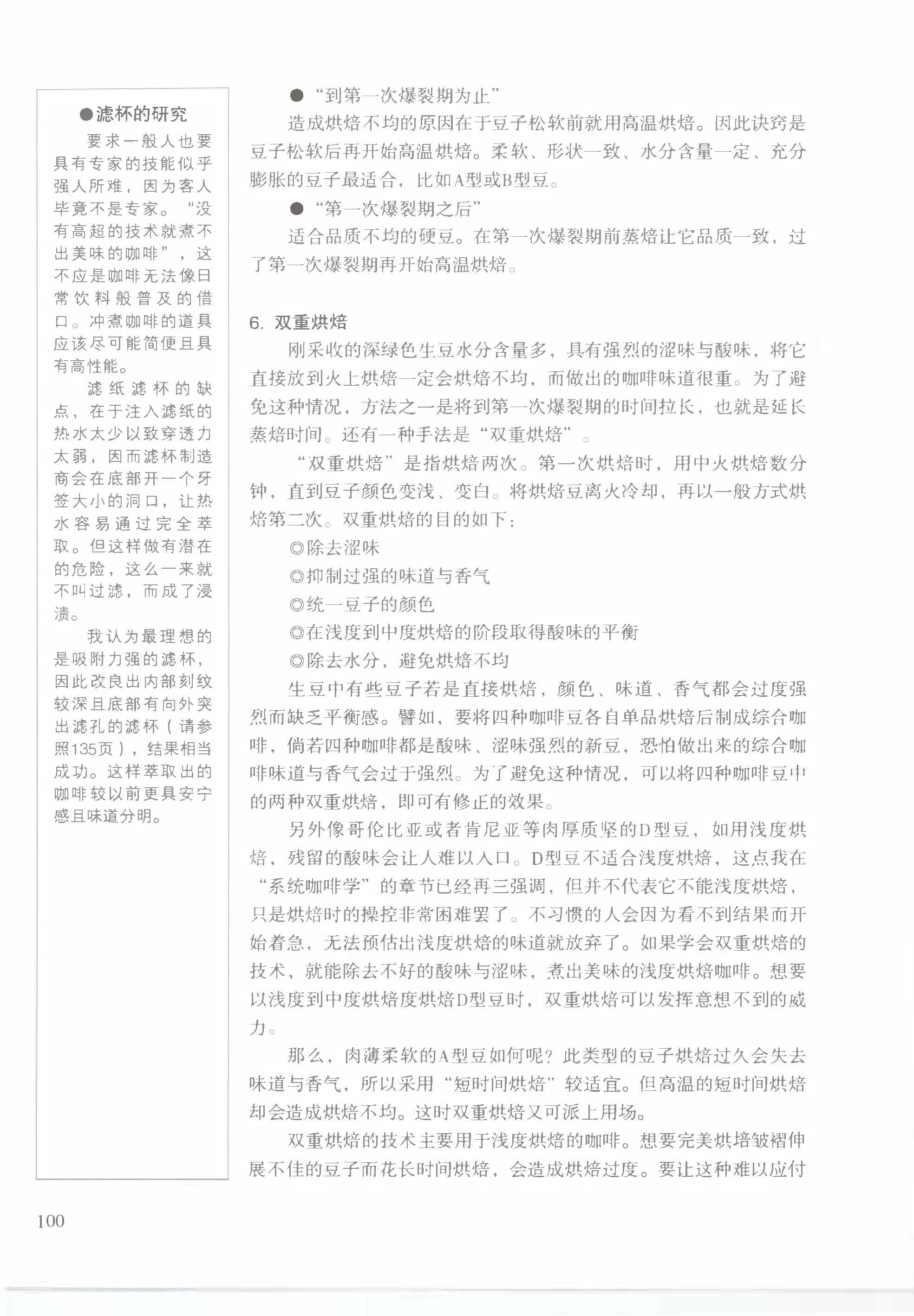
The roast method directly impacts what you taste in your cup. A light roast preserves the bean’s inherent qualities — think citrus, berry, or floral notes. Medium roasts offer balance, with both acidity and sweetness in harmony. Darker roasts emphasize boldness, with notes like chocolate, nuts, or smokiness taking over. The method chosen affects not just flavor, but also how the coffee extracts under different brew methods. That’s why a light-roasted Yirgacheffe might shine in a V60 but fall flat in an espresso machine without adjustment.
Frequently Asked Questions
What’s the difference between light, medium, and dark roasts?
Light roasts are stopped just after the first crack, emphasizing bright, acidic, and fruity flavors with a lighter body. Medium roasts finish between the first and second cracks, offering balanced acidity, sweetness, and body. Dark roasts go well into or past the second crack, resulting in deeper, smokier, and less acidic cups with a heavier body. Each level highlights different flavor aspects of the coffee bean.
Does roast method affect coffee flavor more than origin?
Roast method significantly influences flavor, sometimes more than origin. While bean origin provides the base material, the roast determines how those inherent traits are expressed — or masked. A light roast can spotlight a Yirgacheffe’s floral notes, while a dark roast will bury them under smoky, bitter tones. Both matter, but roast is the final creative control.
How do roasters decide which method to use?
Roasters choose methods based on bean origin, processing style, and target flavor profiles. For example, a washed Ethiopian bean might shine with a medium roast to highlight its fruity acidity, while a Brazilian natural could be roasted darker to enhance chocolatey richness. Roasters adjust charge temp, ramp rate, and development time to hit their goals.
What is development time in coffee roasting?
Development time is the final 10–20% of the roast after first crack. It’s when the roast flavors mature and balance with origin characteristics. Adjusting development time alters sweetness, bitterness, and overall cup balance. It’s a critical lever for roasters fine-tuning flavor.
Can I taste the difference between roast methods at home?
Yes. If you brew the same bean at home with different roast levels (light vs medium vs dark), you’ll notice dramatic differences in acidity, body, and flavor notes. Light roasts often taste brighter and more complex, while dark roasts are bolder and simpler. Trying side-by-side cups helps you understand roast impact firsthand.
How does roast temperature affect the coffee?
Higher roast temperatures typically lead to darker roasts with more bitterness, less acidity, and deeper, roasted flavors like chocolate or smoke. Lower temperatures preserve delicate, origin-specific notes such as fruit or floral. The roast temperature, along with time, determines how the Maillard reaction and other chemical processes develop the final flavor.
Recommended FrontStreet Beans to Explore Roast Styles
Try FrontStreet’s Ethiopia Humbera for a bright, floral light roast that highlights Yirgacheffe-region profiles with citrus and stone fruit. For balanced medium roast complexity, their Classic Blend offers caramel and berry notes with smooth body. If you prefer a darker profile, the Black Cocoa Blend brings bold chocolate and nuttiness with a heavier mouthfeel. All showcase how roast methods shape flavor. Freshly roasted within 5 days · Orders placed before 17:00 ship the same day · Next-day delivery across most of Guangdong Province.
FrontStreet Coffee is a long-established specialty coffee roaster in Guangzhou China, selling freshly roasted beans from its own farm in Yunnan as well as dozens of carefully selected single-origin beans from around the world for both pour-over and espresso. The products deliver consistently excellent quality and great value, with shipping within 24 hours. Guangzhou's FrontStreet Coffee shop is recommended by many coffee lovers, and the beans are now available online at the Tmall 。
Important Notice :
前街咖啡 FrontStreet Coffee has moved to new addredd:
FrontStreet Coffee Address: 315,Donghua East Road,GuangZhou
Tel:020 38364473