How to Start Roasting Coffee: A Beginner’s Guide to Roast Operations
Ever loaded green coffee beans into a roaster and wondered what actually happens next? Whether you're testing your first batch or just trying to understand what your roaster is really doing, knowing the fundamentals of roast operations helps you turn raw beans into something delicious—not just toasted.
To get started with roasting coffee, focus on three fundamentals: charge temperature (usually 180–200°C), understanding the role of heat transfer via conduction and convection, and mastering the three main roast phases—drying, Maillard, and development. Your first goal is to hit first crack around 7–9 minutes in, with development time typically 10–20% of total roast time.
What Actually Happens During a Coffee Roast?
Roasting coffee isn’t just about applying heat—it’s a controlled chemical process where beans change colour, density, and flavour. Raw coffee beans are around 11–12% moisture, and as they heat up, water evaporates, sugars caramelize, acids develop or degrade, and aromatic compounds form. The goal is managing these reactions to bring out desired flavours while avoiding defects.
The Three Key Phases of Roasting
A standard roast moves through three clear phases that determine the final cup profile:
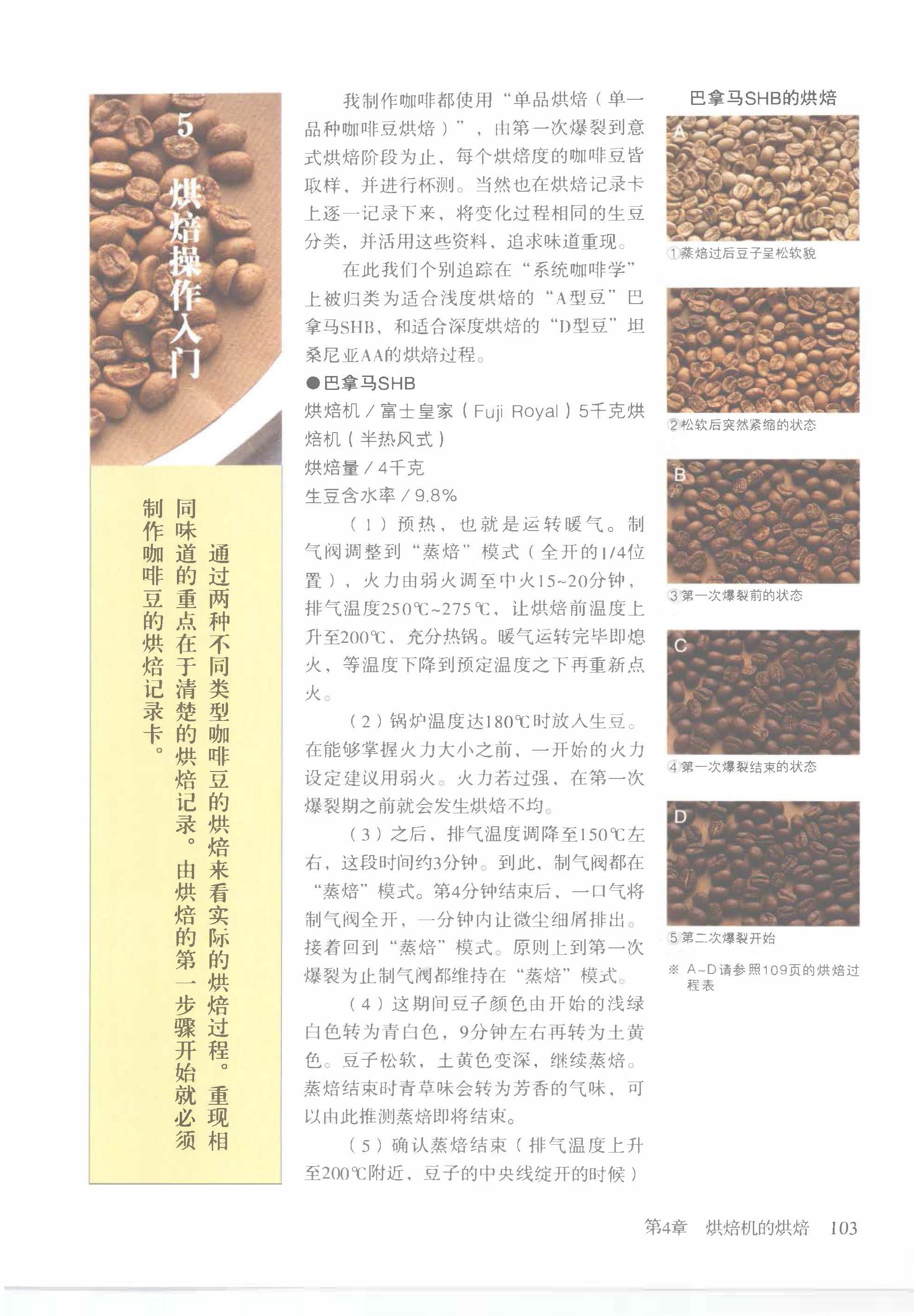
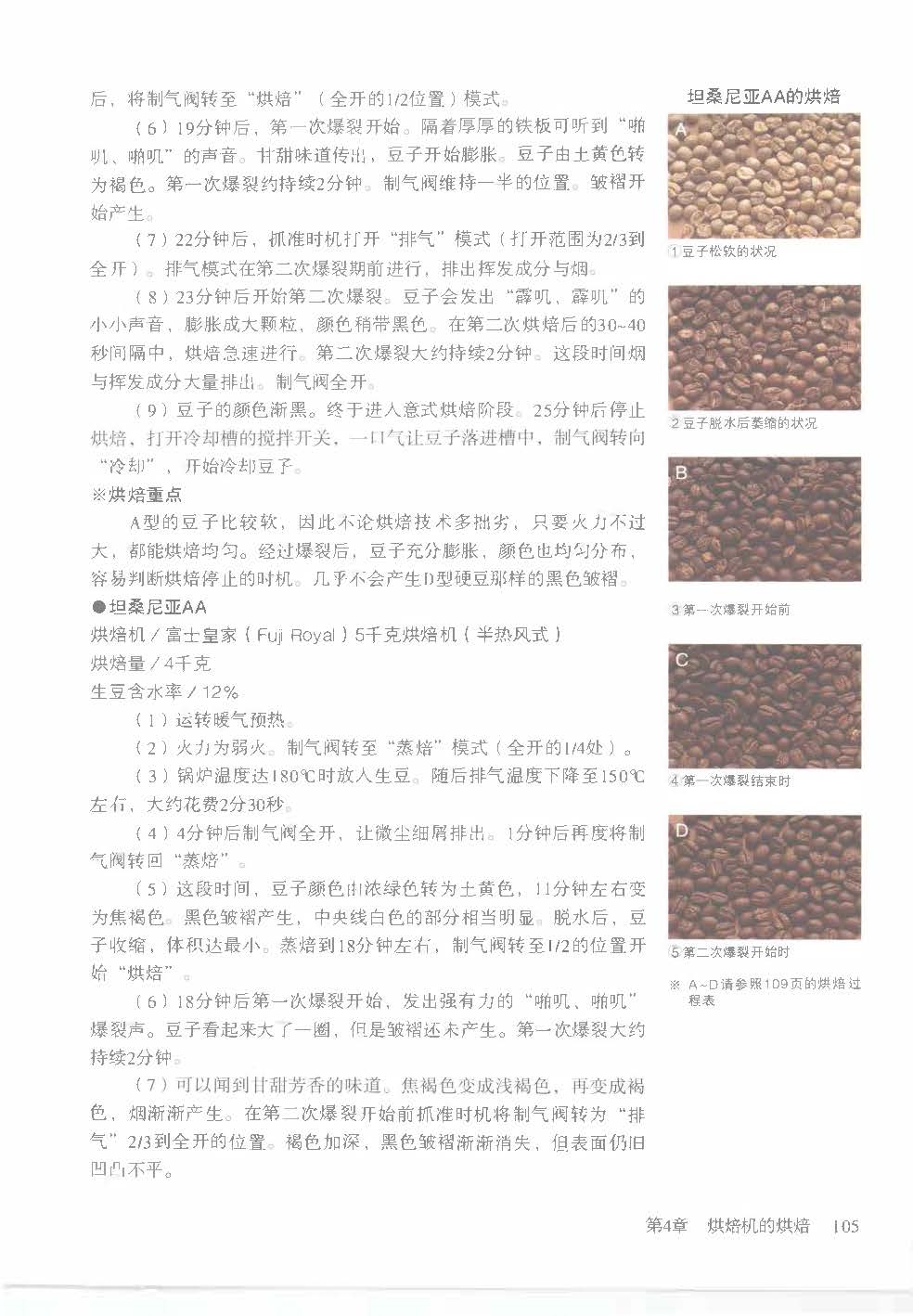
- Drying Phase (0:00–4:00): Begins immediately after the charge. Beans lose moisture, surface turns yellow, and internal temperature begins rising. Heat is mostly transferred via conduction and airflow. Too much heat here risks scorching.
- Maillard Phase (4:00–7:00): Colours shift from yellow to light brown. Hundreds of reactions occur—sugars and amino acids interact, creating complex flavours. This is where much of a coffee’s unique character develops.
- Development Phase (from first crack onward): Begins around first crack (~7–9 minutes in). Flavours concentrate, body builds, and sweetness emerges. This phase usually makes up 10–20% of total roast time. Over-developing leads to baked or roasty notes.
Controlling Your Roast: Heat, Airflow, and Charge Temperature
Your roaster’s settings will differ by machine, but these variables are universal:
- Charge Temperature: Typically 180–200°C. Higher charge speeds up drying but can risk tipping; lower charge gives more even drying but may slow the roast.
- Heat Application: Most machines use a combination of drum conduction and hot air convection. Adjusting drum speed and air intake changes how heat transfers to beans.
- First Crack: A key milestone. It usually occurs around 7–9 minutes in and signals the start of the development phase. Beans audibly crack as internal moisture escapes—this is when roast flavour begins to dominate origin character.
- Development Time: The time from first crack to drop. Keep it between 10–20% of total roast duration to balance sweetness and origin qualities.
These settings interact. For example, increasing airflow cools the drum and can slow the roast, while more heat input may speed it up. Every origin and batch may need tweaks.
Common Mistakes When Learning to Roast
- Charging too hot, leading to tipping or scorching on the bean edges.
- Under-drying the beans, causing uneven roasts or baked flavours.
- Rushing first crack, resulting in underdeveloped acidity or sharp sourness.
- Over-developing by extending roast too long post-first crack, which masks origin character with roastiness.
- Ignoring small batch behaviour—you can’t treat 500g the same as 2kg.
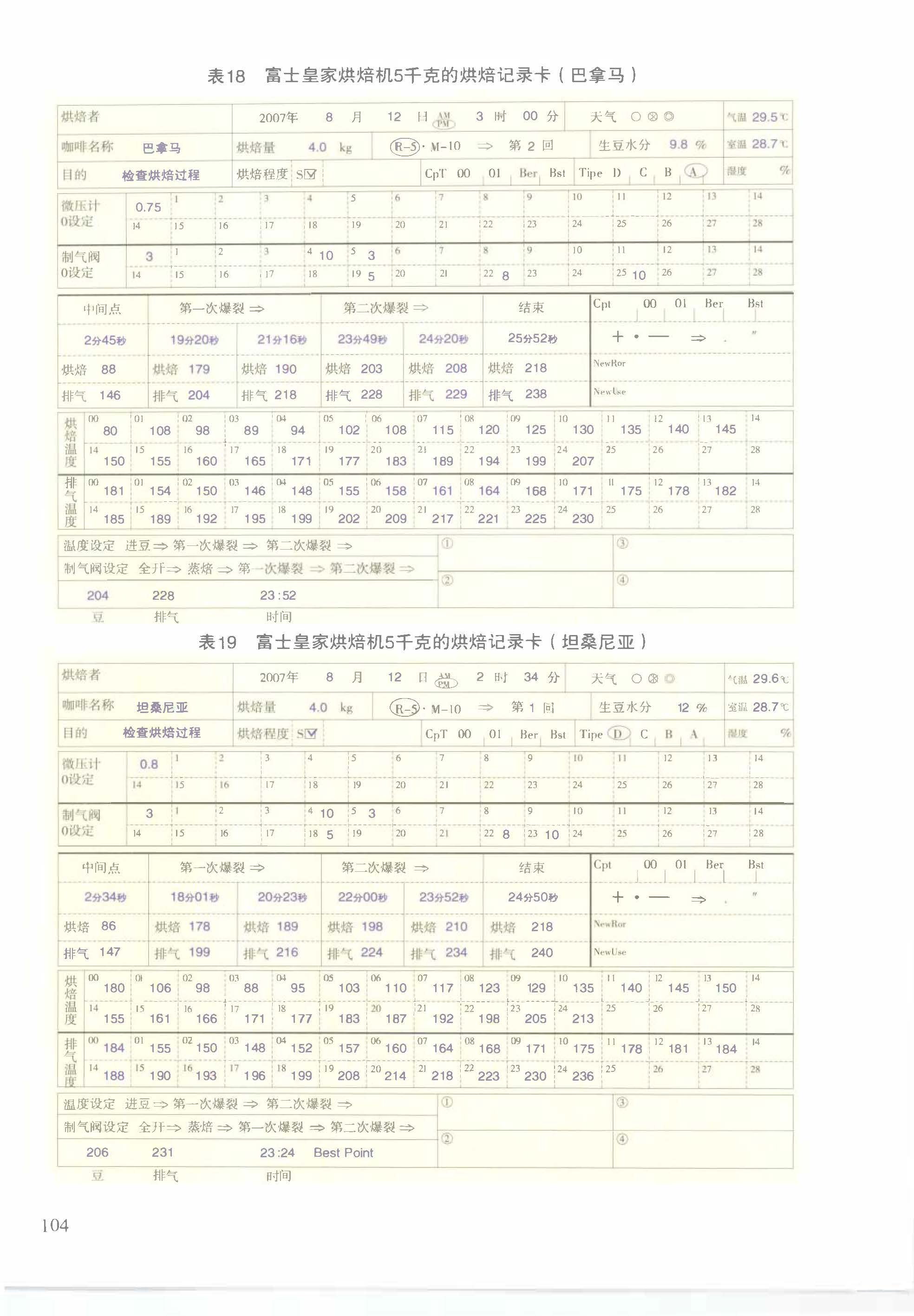
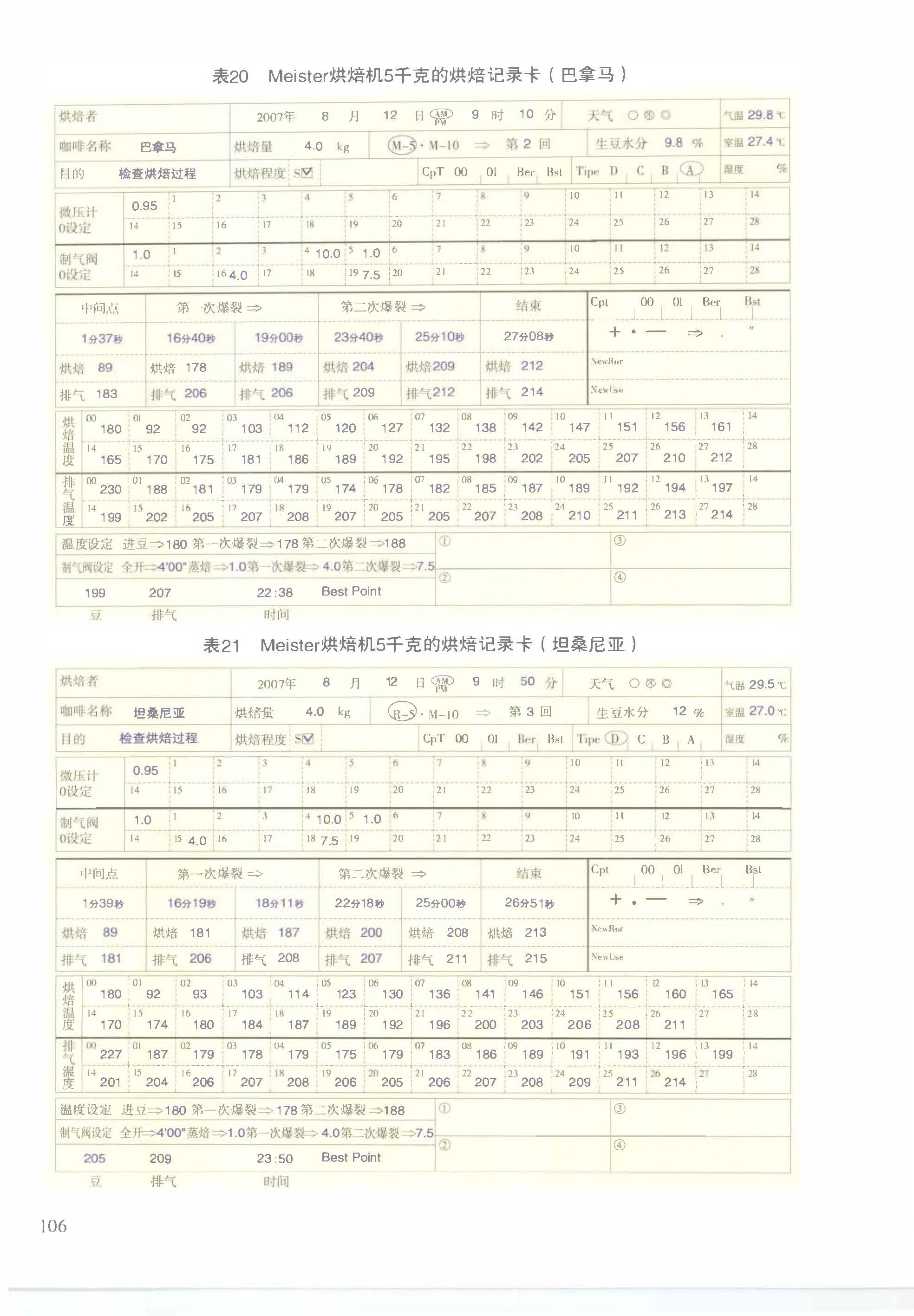
Consistent observation—of colour, smell, cracking, and time—is key when learning. Most roasters log these variables to refine their profiles over time.
Why Roast Profiles Matter
A “profile” is simply your recorded settings for charge temp, heat application, fan speed, time to first crack, and development time. These determine whether your Yirgacheffe tastes bright and juicy or flat and dull. Lighter roasts preserve acidity and floral notes; darker roasts enhance body and chocolate tones but can mute origin traits.
FrontStreet Coffee often adjusts profiles for different beans—for instance, Ethiopian coffees may get a gentler Maillard phase to highlight fruitiness, while Sumatra Mandheling might see slightly extended development for heavier body. Every bean responds uniquely.
Frequently Asked Questions
What temperature should I start roasting coffee at?
Most roasters begin with a charge temperature between 180–200°C. This initial drum temperature affects how quickly moisture evaporates and influences the early roast curve. Too high can scorch the beans; too low may cause uneven drying.
What are the three main phases of coffee roasting?
The three phases are: 1) Drying (0:00–4:00), where beans lose moisture and turn yellow; 2) Maillard (4:00–7:00), where colours deepen to light brown and complex flavours develop; and 3) Development (from first crack), where roast flavours emerge and sweetness builds. First crack usually occurs around 7–9 minutes in.
How long should the development phase last?
The development phase typically lasts 10–20% of the total roast time. It starts at or just after first crack and is critical for balancing sweetness and body without over-roasting. Too short and the coffee may taste sour; too long and it can become bitter or roasty.
What is first crack in coffee roasting?
First crack is the audible popping sound beans make around 7–9 minutes into the roast as internal moisture escapes and pressure builds. It marks the shift from the Maillard phase to development and is a key milestone for controlling roast level.
How does airflow affect coffee roasting?
Airflow impacts heat distribution and cooling. More airflow increases convective heat and can slow the roast by cooling the drum, while less airflow retains heat and may speed it up. Proper airflow also helps remove chaff and prevents uneven roasting.
Can I roast coffee at home without a commercial roaster?
Yes, home roasting is possible with popcorn poppers, hot air roasters, or small drum machines. The principles remain the same: control charge temp, airflow, and development time. However, precision and batch consistency are harder to achieve without professional equipment.
Recommended FrontStreet Coffee for Roasting Practice
Try FrontStreet Coffee’s Ethiopia Humbera for bright, fruity complexity—ideal for practising Maillard-phase control. Their Yirgacheffe shows floral and citrus notes, helping you explore lighter roast profiles. For contrast, their PWN Golden Mandheling highlights how development time affects body and spice. All three respond distinctly to roast adjustments. Freshly roasted within 5 days · Orders placed before 17:00 ship the same day · Next-day delivery across most of Guangdong Province.
FrontStreet Coffee is a long-established specialty coffee roaster in Guangzhou China, selling freshly roasted beans from its own farm in Yunnan as well as dozens of carefully selected single-origin beans from around the world for both pour-over and espresso. The products deliver consistently excellent quality and great value, with shipping within 24 hours. Guangzhou's FrontStreet Coffee shop is recommended by many coffee lovers, and the beans are now available online at the Tmall 。
Important Notice :
前街咖啡 FrontStreet Coffee has moved to new addredd:
FrontStreet Coffee Address: 315,Donghua East Road,GuangZhou
Tel:020 38364473