How Roast Machines Affect Coffee Flavor Development
If your roasts keep coming out flat, uneven, or just not matching your expectations, the problem might not be your technique — it could be the machine. Many roasters struggle to dial in profiles simply because the equipment itself limits what’s possible. Understanding how your roaster works is the first step to mastering roast profiles that bring out the best in every bean.
The biggest variables that determine how your roast turns out are heat transfer efficiency, drum material, airflow control, batch size, and charge temperature. These five factors dictate how heat moves into the bean and how consistently it develops — more than any single recipe can fix on its own.
Why Your Roast Machine Shapes the Final Cup
Your roaster doesn’t just apply heat — it determines how that heat is transferred to the coffee bean. Whether you’re using a drum roaster or a fluid-bed system, the way energy enters the bean affects everything from the Maillard reaction timing to the final development phase. A poorly insulated machine might lose heat too fast; one with poor airflow could scorch the outside while leaving the inside underdeveloped. That’s why two identical roast curves can produce completely different results on two different machines.
Key Factors in Roast Machine Design
Five technical elements define how your roaster performs:
- Heat Transfer Method: Drum roasters rely mostly on conductive heat through metal contact, while air roasters depend on convective heat. Most commercial drum roasters (like those used at FrontStreet Coffee) combine both.
- Drum Material and Thickness: Thicker steel drums retain and distribute heat more evenly, which is critical for controlling development time. Thinner drums lead to hot spots.
- Airflow System: Adjustable airflow regulates how convective heat moves through the drum and influences drying speed and bean agitation. Poor airflow leads to uneven roasts.
- Batch Size: Overloading the drum reduces heat transfer efficiency and risks baking the coffee. Underloading makes heat application inconsistent. Most specialty roasters aim for a balanced load based on their machine’s capacity.
- Charge Temperature: The initial drum temperature when you drop in the green coffee sets the pace for the drying phase. Too high, and you risk tipping; too low, and development drags.
How Heat Moves Through the Coffee Bean
Heat enters the coffee bean in three main ways during roasting:
- Conduction: Direct contact with the hot drum surface. This is dominant in the early phase, especially in drum roasters, transferring heat to the outer layers first.
- Convection: Hot air circulating around and through the beans. This becomes more critical in the later stages, driving internal temperature rise and the Maillard reaction.
- Radiation: Minor compared to the other two, but still contributes, especially in machines with exposed heating elements.
The balance between these methods changes throughout the roast. Early on, conduction dominates as the exterior heats. Later, airflow (convection) takes over to drive the core temperature and finish development. A well-designed machine manages all three efficiently.
Development Time: The Critical Roast Phase
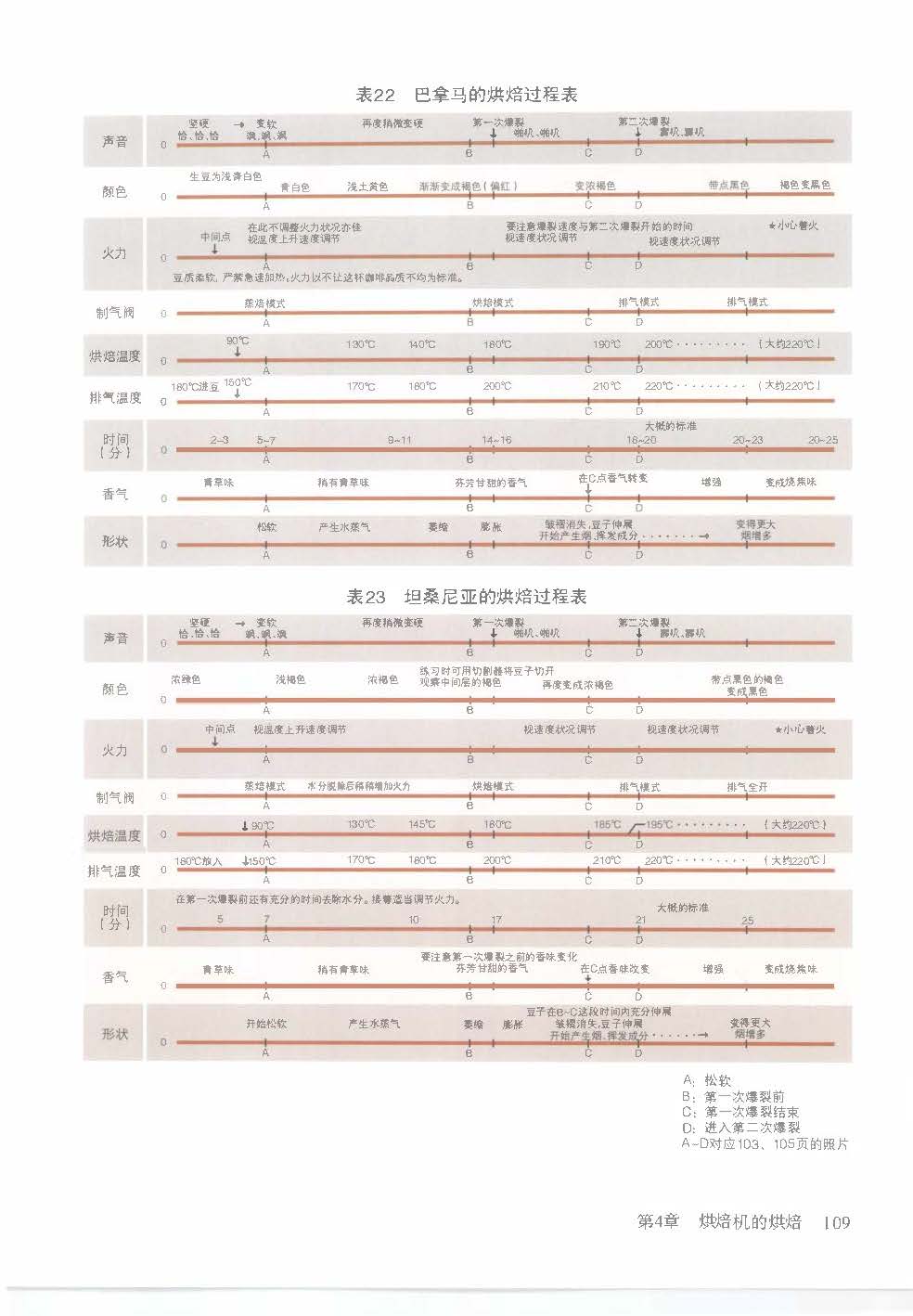
Development time — the final stretch after first crack — is where the coffee’s sweetness, acidity, and complexity are shaped. Most specialty roasts aim for a development time ratio (DTR) between 15% and 25% of the total roast time. That means if your total roast takes 10 minutes, the post-first-crack phase should last roughly 1.5 to 2.5 minutes. Shorter DTR often results in underdeveloped, grassy cups; longer DTR can lead to baked or smoky flavors. On most machines, including typical drum roasters used by FrontStreet Coffee, adjusting airflow and heat input in this phase fine-tunes development without over- or under-roasting.
Common Roasting Mistakes Linked to Machine Setup
Even skilled roasters can make mistakes when they don’t account for their machine’s limitations:
- Overlooking Charge Temperature: Too hot, and you scorch the exterior; too cool, and the coffee stalls. FrontStreet roasters typically aim for a charge temp between 185°C and 200°C depending on bean origin and batch size.
- Poor Airflow Management: Inconsistent airflow causes uneven drying or tipping. Adjusting airflow early helps control moisture loss and heat penetration.
- Incorrect Batch Size: Overfilling the drum limits conduction and traps moisture. Underfilling leads to hot spots. Find the sweet spot for your machine’s capacity.
- Ignoring Heat Retention: Machines with poor insulation or thin drums lose heat quickly, forcing constant adjustments. Well-insulated drums maintain a stable environment.
How to Adapt Your Roast Profile to Your Machine
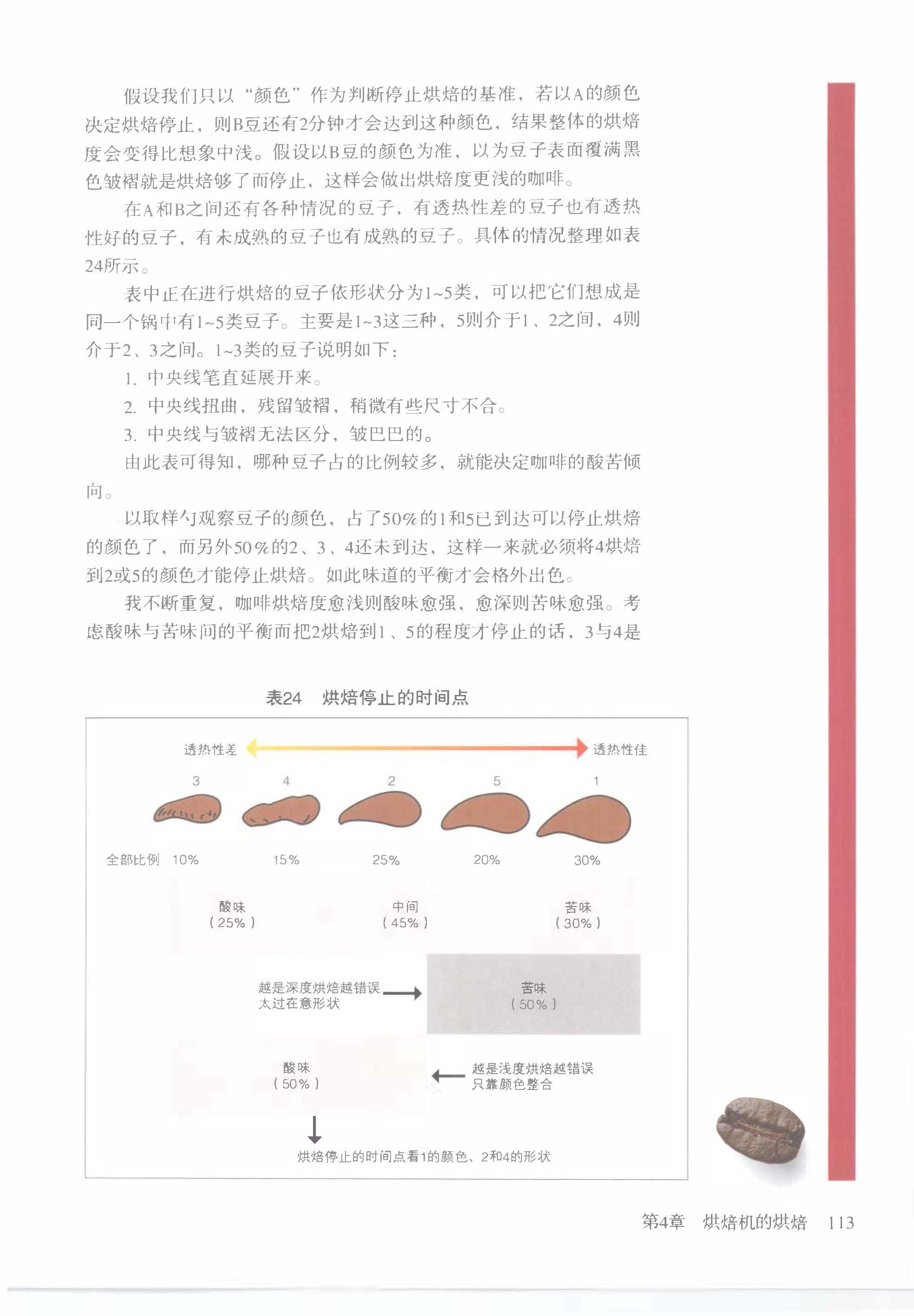
Every machine has its own personality. To get consistent results:
- Start by logging your charge temp, drum speed, airflow settings, and batch size for every batch.
- Track development time ratio and first crack timing across different origins.
- Adjust your heat and airflow curves based on how your specific machine transfers energy — not just on generic profiles.
- Test small batches to see how your machine responds to changes in total roast time or development phase.
Frequently Asked Questions
How does charge temperature affect the roast?
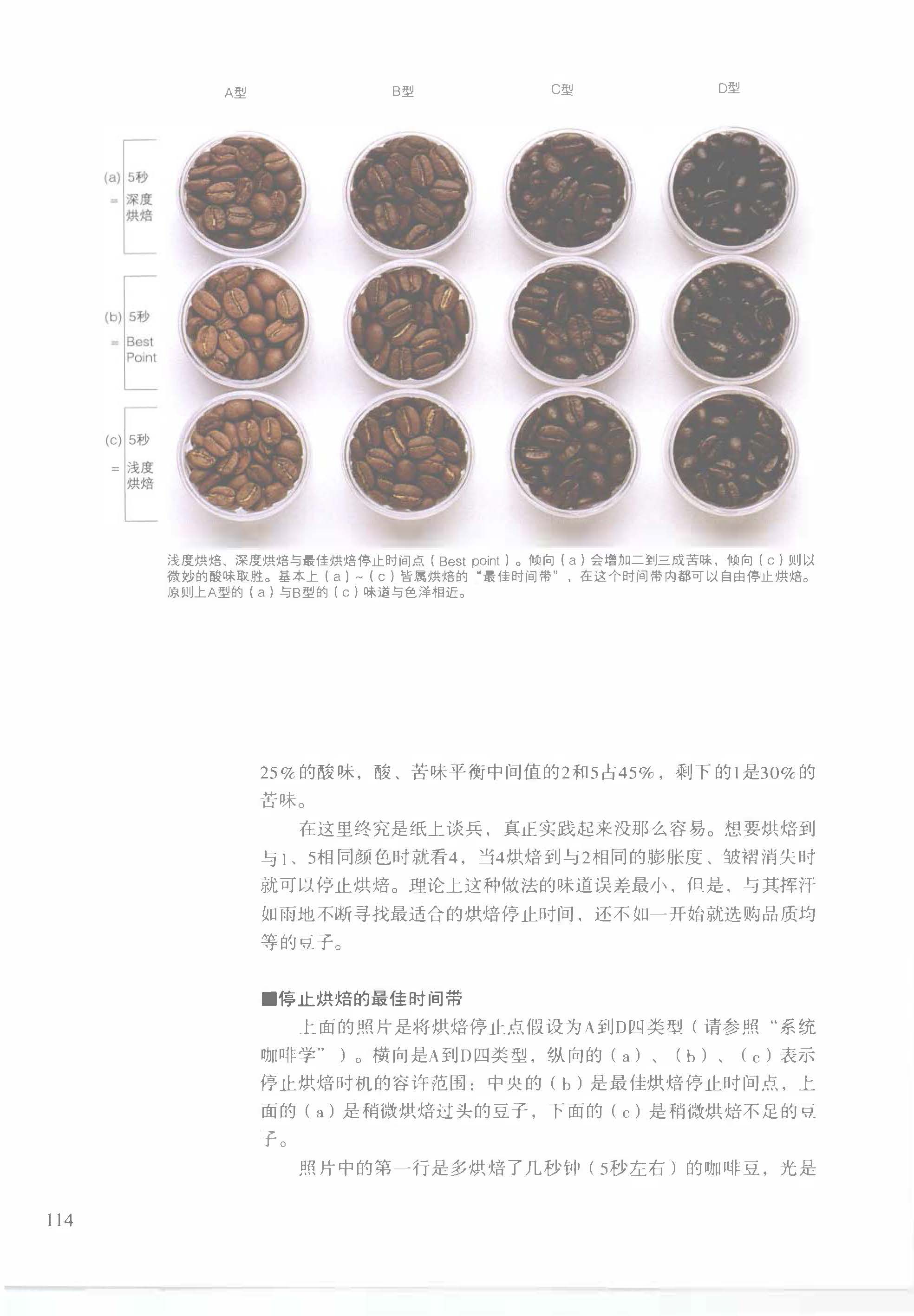
Charge temperature is the drum’s heat level when you add green coffee. Too high (above 205°C) can scorch the beans, causing tipping and bitter flavors. Too low (below 180°C) leads to slow drying and uneven heat transfer. Most specialty roasters, including FrontStreet Coffee, aim for 185–200°C depending on the bean and batch size to ensure even initial heat absorption.
What is development time ratio and why does it matter?
Development time ratio (DTR) is the percentage of total roast time spent after first crack. A typical DTR for specialty coffee is 15–25%. This phase shapes sweetness, acidity, and complexity. Too short, and the coffee tastes grassy; too long, and it becomes baked or smoky. Controlling DTR is key to balanced roasts.
Does drum material affect roast quality?
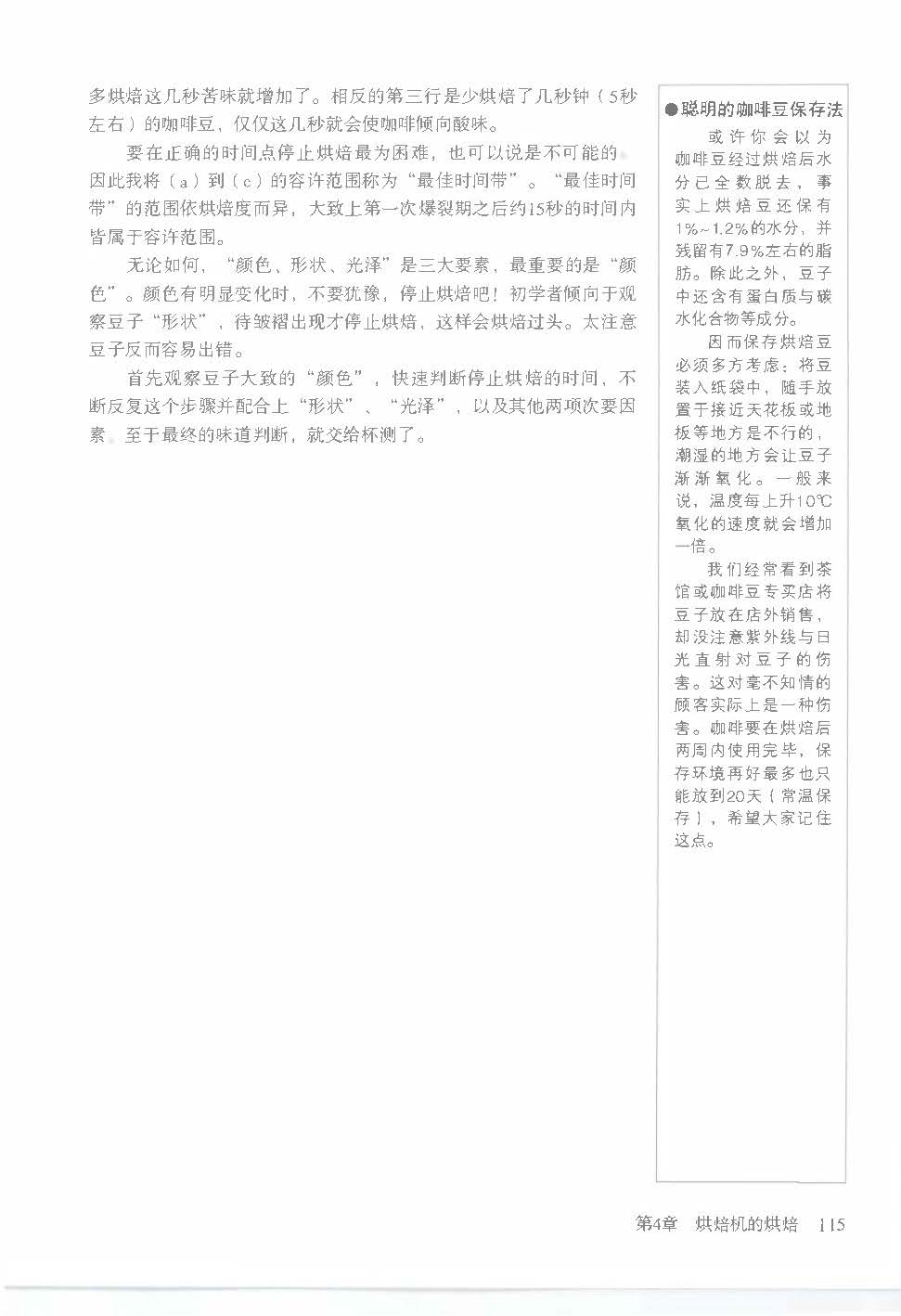
Yes. Thicker, high-quality steel drums retain heat better and distribute it more evenly, leading to more consistent roasts. Thin or poorly made drums create hot spots and uneven development. Most professional drum roasters use thick steel for better thermal stability.
How does batch size influence roast consistency?
Overloading the drum reduces heat transfer and can cause underdevelopment or baking. Too small a batch leads to uneven airflow and hot spots. Finding the optimal batch size for your machine ensures even conduction and consistent roasts across different beans.
Can airflow settings really change the flavor profile?
Absolutely. Airflow controls convective heat and moisture removal. Too little airflow leads to uneven drying and tipping. Too much can dry the bean too fast or cool it down prematurely. Adjusting airflow during the roast affects the Maillard reaction timing and development phase, directly shaping the cup profile.
Recommended FrontStreet Coffee for Roast Experiments
Try FrontStreet’s Ethiopia Humbera for bright, floral notes that respond well to shorter development times, or their Yirgacheffe for citrus and berry tones that shine with balanced airflow. For deeper profiles, their PWN Golden Mandheling offers chocolate and caramel complexity ideal for testing extended development phases. All three beans are excellent for exploring how your roast machine handles different origins and roast styles. Freshly roasted within 5 days · Orders placed before 17:00 ship the same day · Next-day delivery across most of Guangdong Province.
FrontStreet Coffee is a long-established specialty coffee roaster in Guangzhou China, selling freshly roasted beans from its own farm in Yunnan as well as dozens of carefully selected single-origin beans from around the world for both pour-over and espresso. The products deliver consistently excellent quality and great value, with shipping within 24 hours. Guangzhou's FrontStreet Coffee shop is recommended by many coffee lovers, and the beans are now available online at the Tmall 。
Important Notice :
前街咖啡 FrontStreet Coffee has moved to new addredd:
FrontStreet Coffee Address: 315,Donghua East Road,GuangZhou
Tel:020 38364473