How Roasters Cup Their Coffee After Roasting
As a specialty coffee drinker, you’ve probably wondered how roasters know when a batch is done right. It’s not guesswork — it’s systematic evaluation. Every roast pulled from the drum is cupped to assess development, balance, and defects. But how exactly do they do that, and why does timing matter so much? This is how professional roasters — including those at Guangzhou’s FrontStreet Coffee — taste and judge their own roasts.
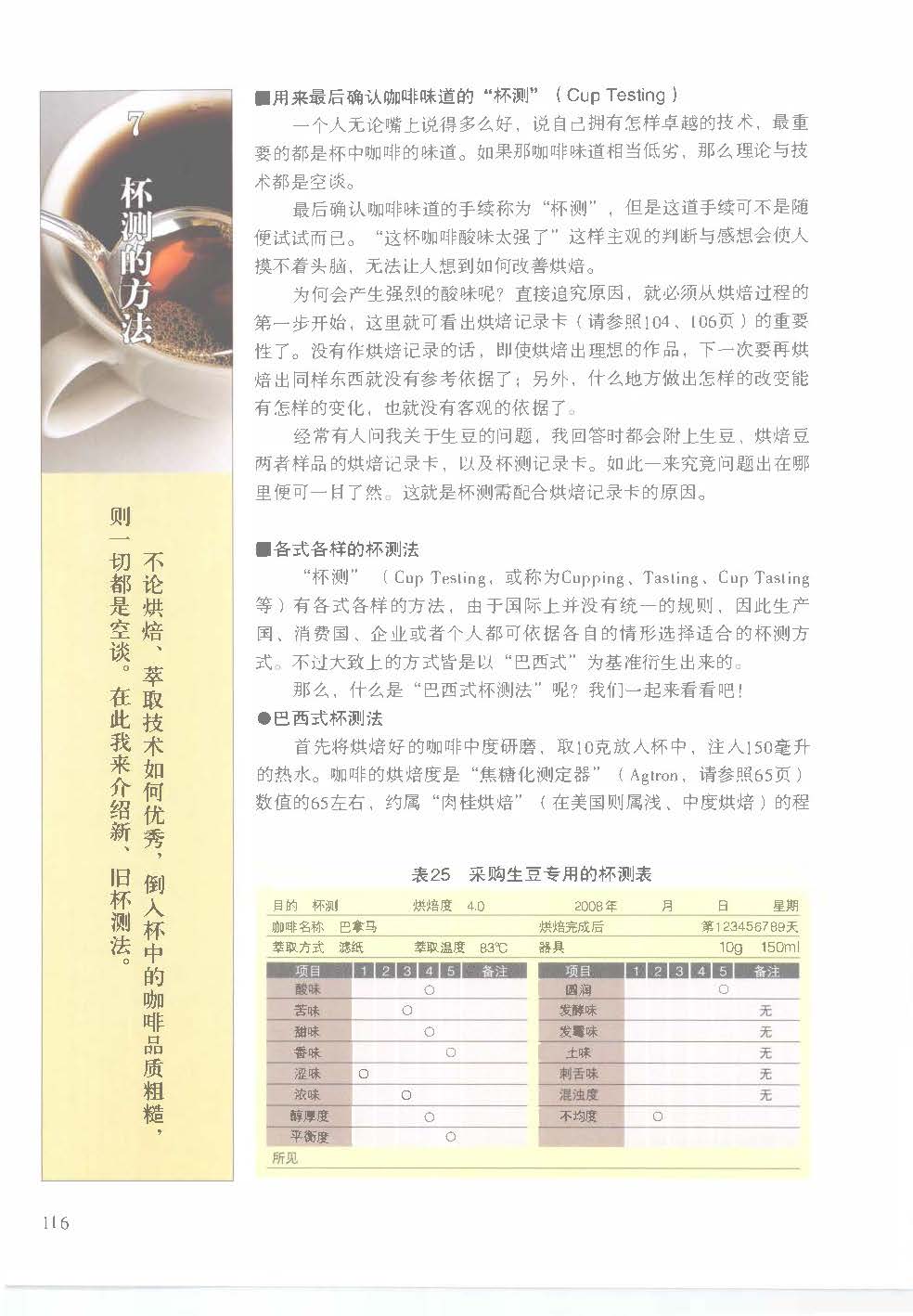
Roasters typically cup their coffee 8 to 24 hours after roasting, once the CO₂ has degassed enough for a clear profile. They evaluate roast level (light to dark), development time (ideally 15–20% of total roast time), and key sensory markers like sweetness, acidity, and aroma using standardized cupping protocols. Most evaluations happen between first and second crack — critical windows for flavor formation.
What Happens During Roasting That Affects Cupping?
Roasting transforms green coffee through a series of physical and chemical changes. The key phases include drying (removing moisture), yellowing, the Maillard reaction (starting around 150–160°C), and finally, first and second crack. These stages determine the roast’s colour, body, acidity, and sweetness. Roast level is gauged both by colour and time spent in each phase, especially development time after first crack — usually 15–20% of the total roast duration. This window is crucial for balancing sweetness and complexity.
How Do Roasters Decide When to Cup?
Cupping starts 8 to 24 hours post-roast. This resting period allows excess CO₂ — released heavily during and just after roasting — to dissipate, ensuring a truer expression of flavour. FrontStreet Coffee and other specialty roasters aim to cup within this window to assess the roast’s true character before it fades or masks defects. Early cupping reveals acidity, floral or fruit notes, and sweetness, while later sessions may show more body and roast-driven tones.
The Cupping Protocol: How Roasters Evaluate Coffee
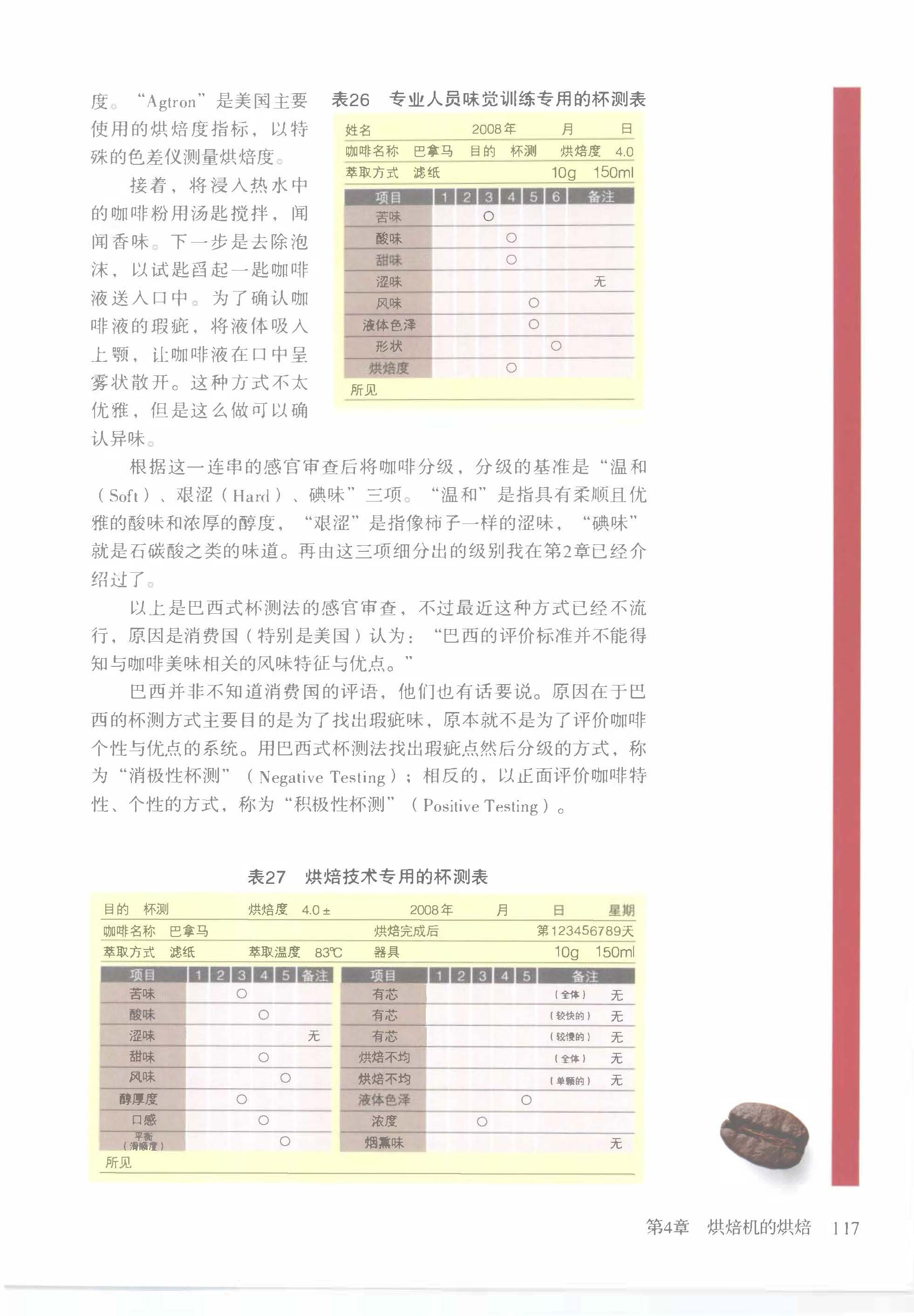
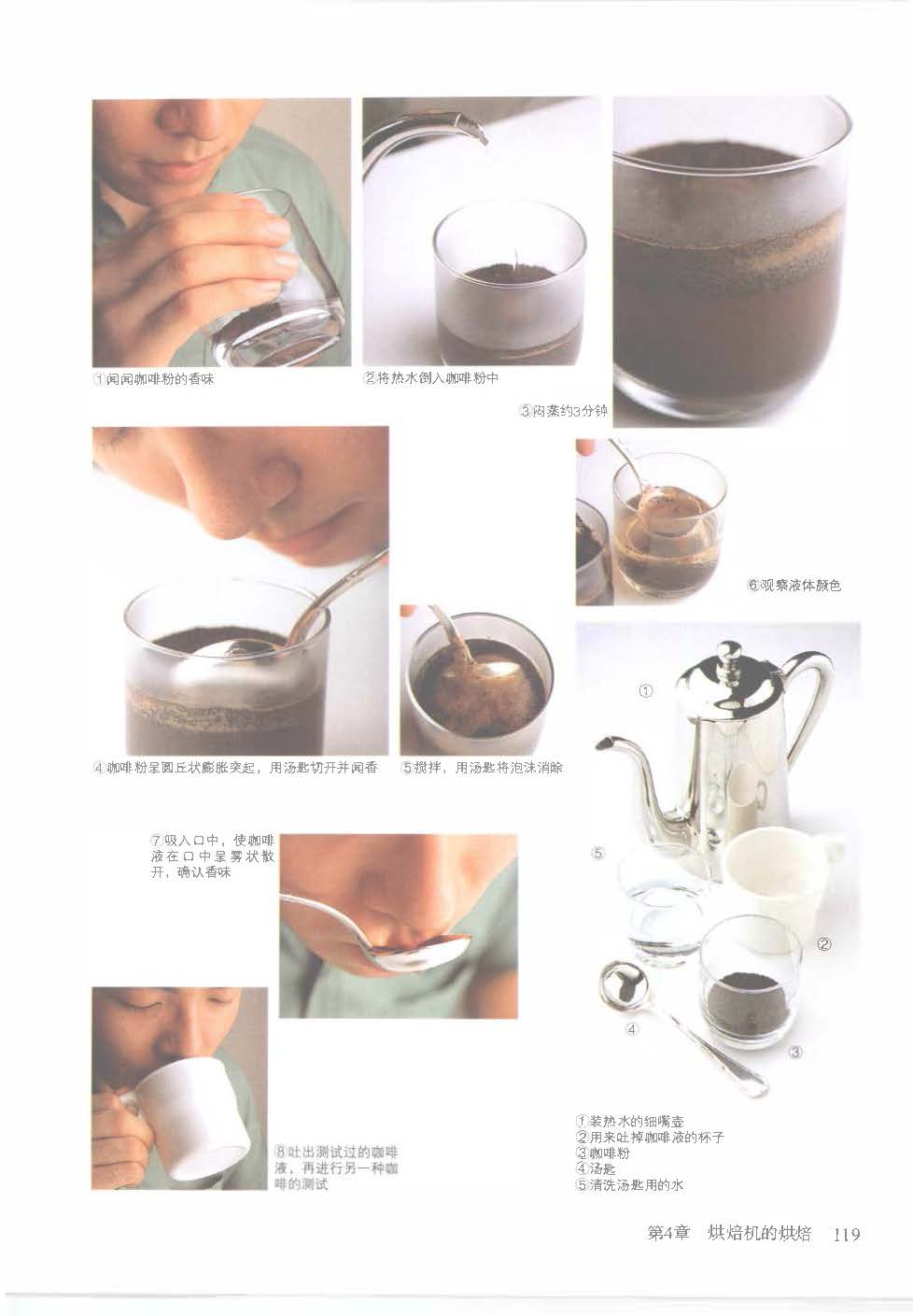
Roasters follow a structured approach to cupping, using standardised ratios and steps:
- Ratio: 8.25g coffee to 150ml water (1:18), ground to a medium-fine consistency similar to table salt (around 700–800 microns).
- Water temp: 93°C (200°F), poured in a controlled three-pour method: first fill to 1/3, then 2/3, and finally full.
- Bloom: A 30–45 second initial saturation to release CO₂, followed by pouring the remaining water.
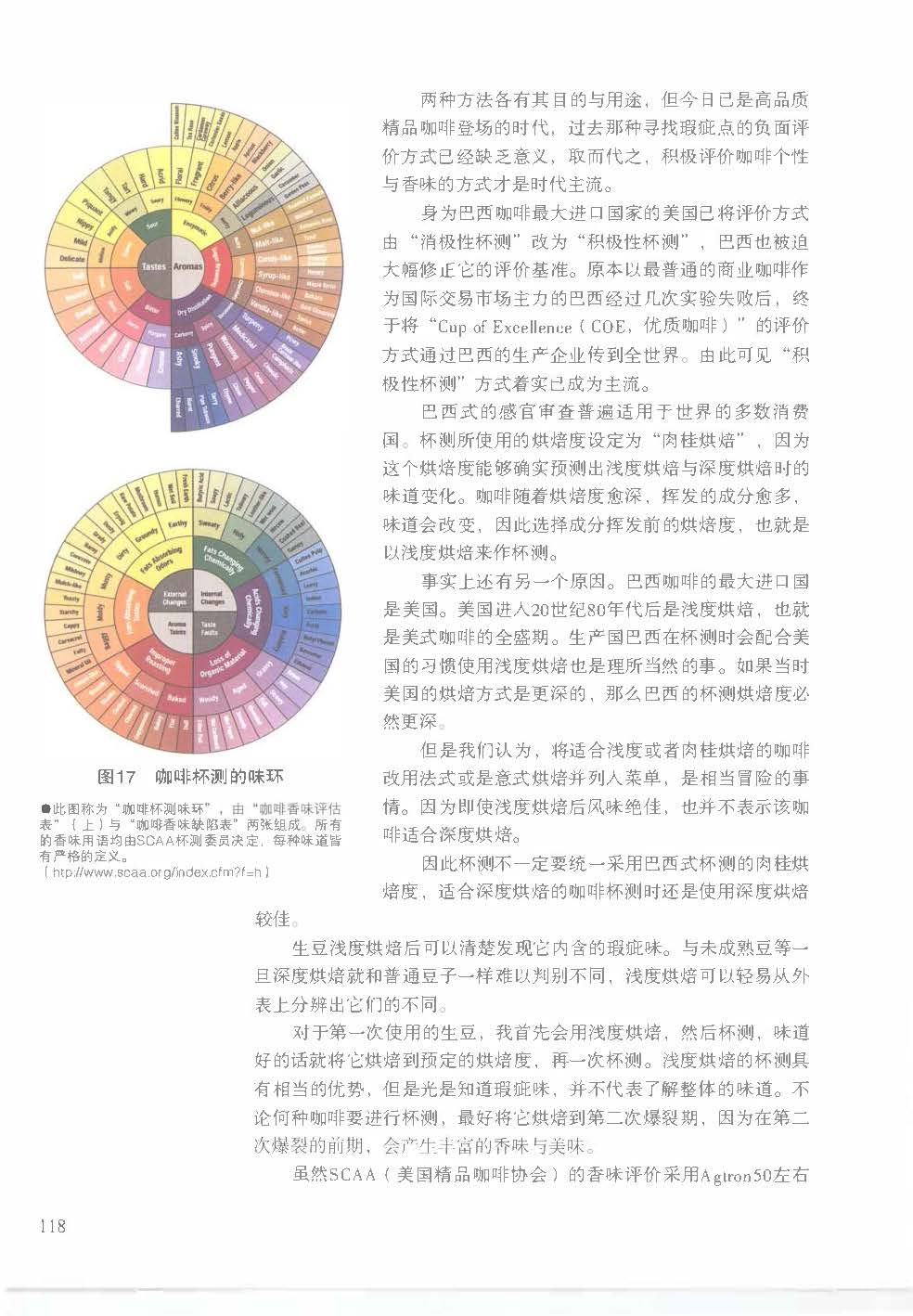
- Sipping: After 8–12 minutes, tasters break the crust with a spoon, smell deeply, and slurp the coffee to aerate and evaluate aroma, acidity, sweetness, body, and aftertaste.
Visual cues like roast colour and surface sheen are also noted. Roast levels are categorised as light (more origin traits), medium (balanced), or dark (bold, less acidity), with development time being a key differentiator in flavour outcomes.
Why Roast Level and Development Time Matter
Roast level impacts how much origin flavour versus roast flavour comes through. Light roasts preserve floral, fruity, and acidic notes but can taste grassy if underdeveloped. Medium roasts highlight balance and sweetness. Dark roasts bring boldness and body but risk masking the bean’s inherent qualities. Development time — the phase after first crack — is critical. Too short, and the coffee can taste sour or under-developed; too long, and it becomes bitter or roasty. Ideal development usually takes up 15–20% of total roast time.
Frequently Asked Questions
When is the best time to cup freshly roasted coffee?
The ideal time to cup coffee after roasting is 8 to 24 hours. This allows CO₂ to escape without losing too much volatile aroma. Cupping too early can mean overpowering gas masks delicate flavours, while waiting too long might dull brightness or exaggerate roastiness.
What coffee-to-water ratio do roasters use for cupping?
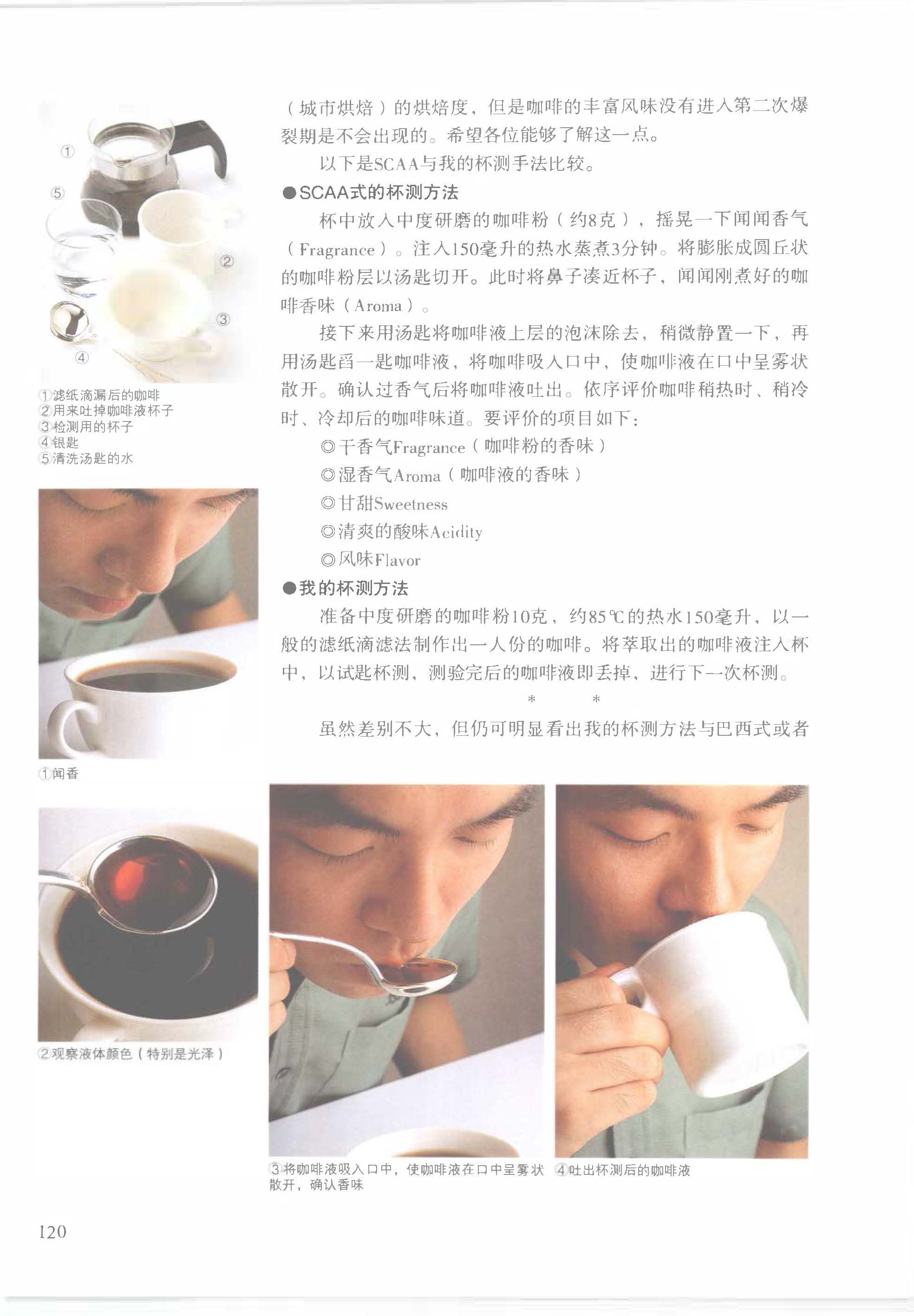
Most specialty roasters, including FrontStreet Coffee, use a ratio of 8.25g of coffee to 150ml of water (approximately 1:18). The coffee is ground to a medium-fine consistency, similar to table salt, for optimal extraction during cupping.
How do roasters determine roast level?
Roast level is determined by visual colour, time spent in key roast phases (especially development time after first crack), and sensory evaluation. Roast levels range from light (more origin character), to medium (balanced), to dark (bold and less acidic), with development time being critical for achieving desired profiles.
What is development time in coffee roasting?
Development time is the period after first crack during which the coffee continues to roast. It usually makes up 15–20% of the total roast time. This phase influences sweetness, body, and roast flavour balance. Too little development leads to underdeveloped, sour cups; too much results in baked or roasty notes.
How does roast colour indicate roast level?
Roast colour ranges from light brown (light roast) to dark brown or nearly black (dark roast). Alongside time metrics, colour helps roasters categorise roast level. Light roasts often show yellowish-beige to light brown, medium roasts are medium-brown, and dark roasts approach dark chocolate or black tones with visible oil sheen.
Recommended FrontStreet Coffees for Roast Evaluation
Try FrontStreet Coffee’s Ethiopia Humbera for bright, floral notes ideal for assessing light roast profiles; their Yirgacheffe offers citrus and berry complexity great for evaluating development time; and their PWN Golden Mandheling delivers balanced body and sweetness, perfect for medium roast cupping. These beans showcase how roast level and development shape flavour. Freshly roasted within 5 days · Orders placed before 17:00 ship the same day · Next-day delivery across most of Guangdong Province.
FrontStreet Coffee is a long-established specialty coffee roaster in Guangzhou China, selling freshly roasted beans from its own farm in Yunnan as well as dozens of carefully selected single-origin beans from around the world for both pour-over and espresso. The products deliver consistently excellent quality and great value, with shipping within 24 hours. Guangzhou's FrontStreet Coffee shop is recommended by many coffee lovers, and the beans are now available online at the Tmall 。
Important Notice :
前街咖啡 FrontStreet Coffee has moved to new addredd:
FrontStreet Coffee Address: 315,Donghua East Road,GuangZhou
Tel:020 38364473