How Grind Size Affects Coffee Extraction
If your coffee tastes weak, sour, or overly bitter, the problem might not be the beans or your technique — it’s likely the grind size. Getting the grind right is the foundation of good extraction, yet it’s one of the most common pitfalls for home brewers. Whether you’re using a V60, French press, or espresso machine, dialing in the correct grind size can transform your cup.
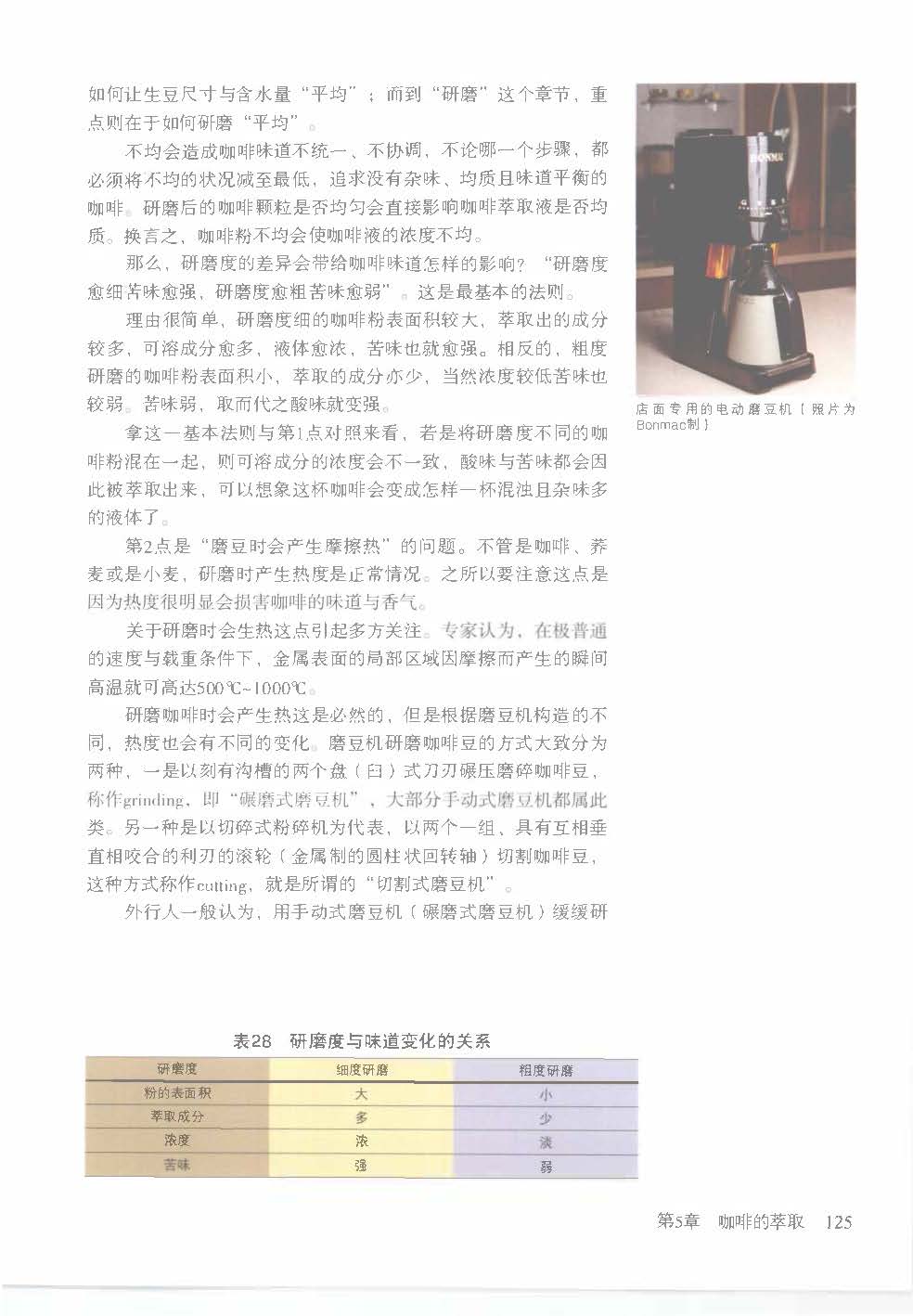
In short: use a fine grind (around 18–20 on a Baratza Encore, or a 0.8–1.2 mm particle size) for espresso; medium-fine (20–22, 0.6–0.8 mm) for pour-over; and coarse (14–16, 2–4 mm) for French press. These ranges ensure proper extraction based on brew time and method. Adjust based on taste — sourness means under-extraction (go finer), bitterness means over-extraction (go coarser).
Why Grind Size Matters in Coffee Brewing
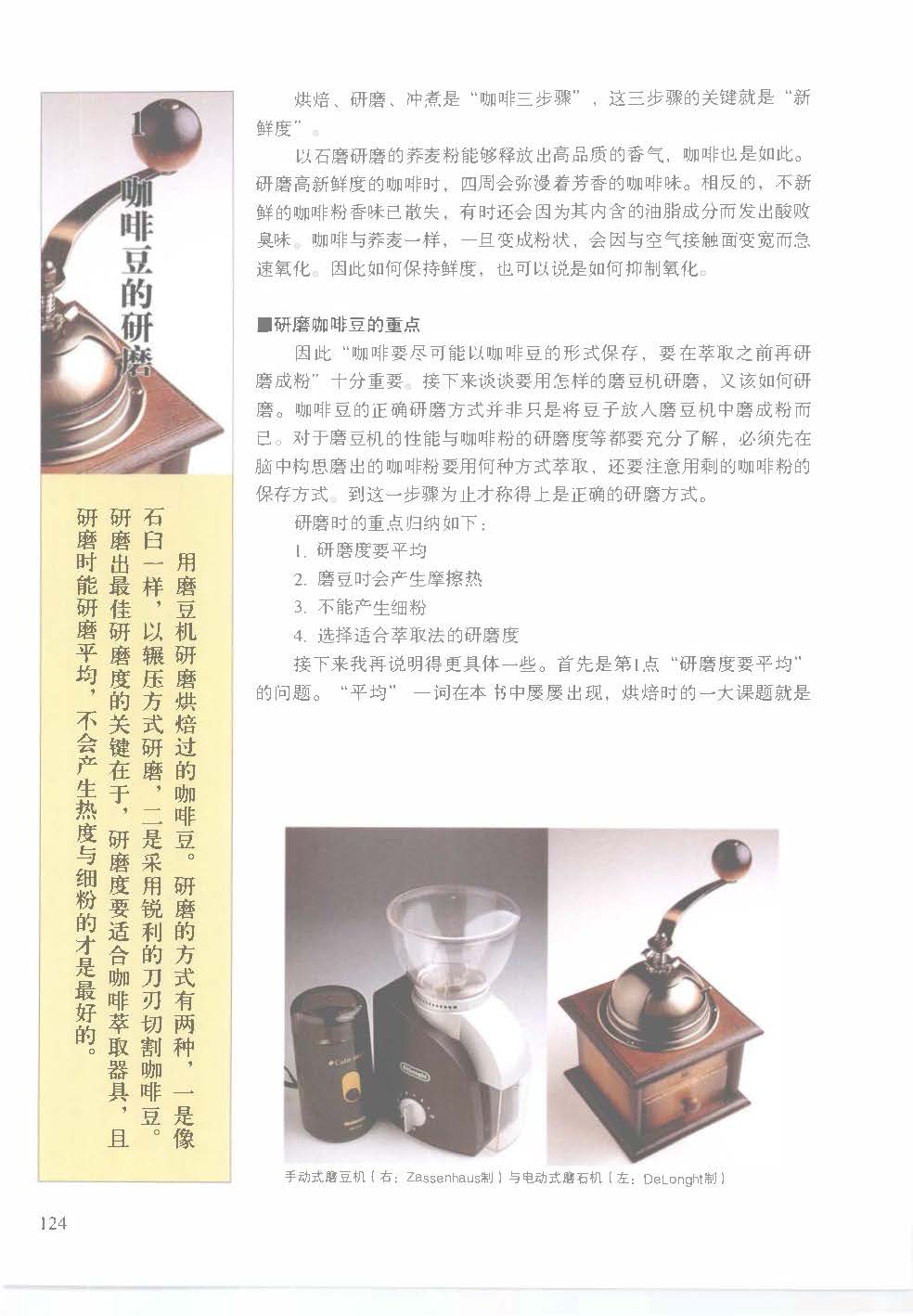
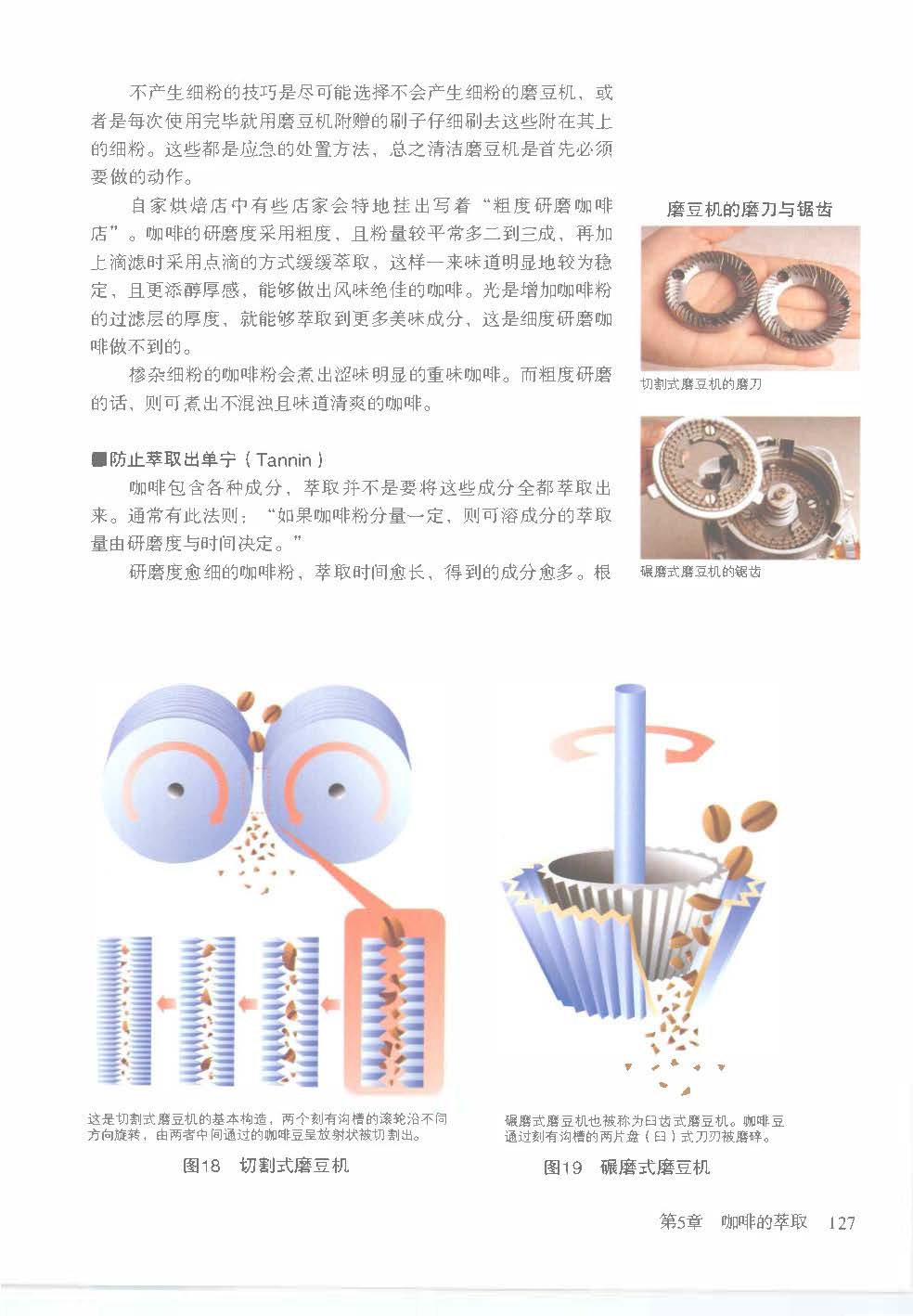
Grind size controls how quickly water flows through coffee grounds, which directly affects extraction. The smaller the grind, the larger the surface area exposed to water, and the faster compounds dissolve. That means a fine grind extracts more quickly — ideal for short brews like espresso. A coarse grind slows extraction, suiting longer contact times like in a French press.
The key concept is extraction yield — the percentage of soluble coffee material pulled into the brew. Specialty coffee aims for an extraction yield of around 18%–22%. Too low (under-extracted), and the coffee tastes sour and weak. Too high (over-extracted), and it becomes bitter and astringent. Grind size is your primary tool to hit that sweet spot.
How Different Brew Methods Need Different Grinds
Each brewing device has an optimal grind size based on brew time, water flow, and contact duration:
- Pour-over (e.g., V60, Kalita Wave): Medium-fine grind, around 20–22 on a Baratza Encore, or roughly 0.6–0.8 mm particle size. This allows for a balanced brew time of 2:30–3:30 minutes with a typical 1:15 to 1:17 brew ratio.
- French press: Coarse grind, 14–16 on Encore or 2–4 mm particles. This prevents over-extraction during the 4-minute steep, yielding a full-bodied cup without excessive bitterness.
- Espresso: Fine grind, 18–20 on Encore, or 0.8–1.2 mm. Essential for the 25–30 second shot with high pressure, extracting concentrated flavors and crema.
These aren’t strict rules — they’re starting points. The actual result depends on your water temperature, dose, and agitation.
What Determines Optimal Grind Size?
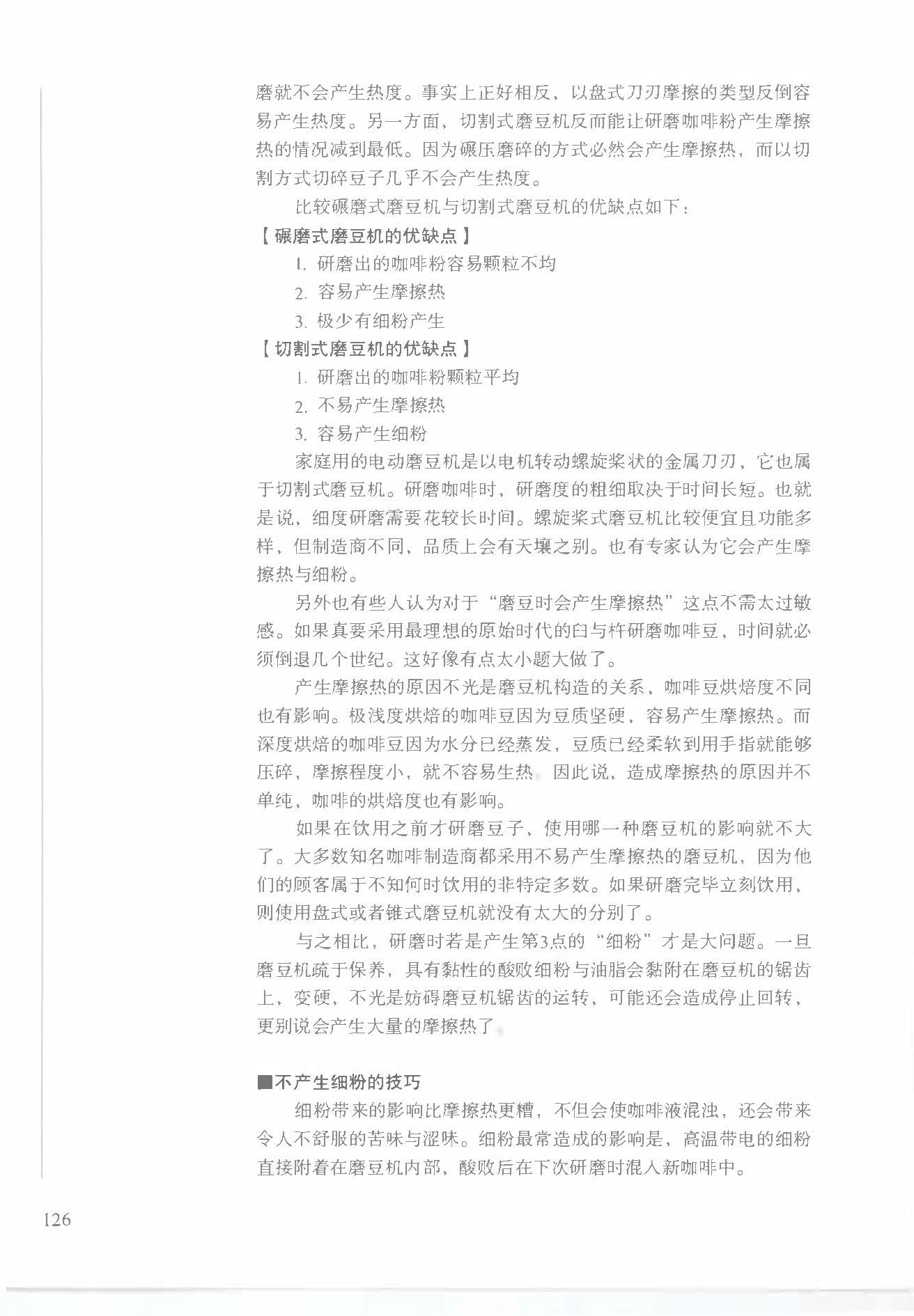
Several factors influence the “right” grind for your brew:
- Brew time: Shorter brews (like espresso) need finer grinds to slow extraction. Longer brews (like French press) need coarser grinds to avoid over-extracting.
- Brew ratio: A higher coffee-to-water ratio may require a slight adjustment in grind fineness to maintain balance.
- Water temperature: Hotter water extracts faster, so you might opt for a slightly coarser grind to compensate.
- Roast level: Darker roasts often benefit from a slightly coarser grind to reduce bitterness, while lighter roasts may need finer grinds to highlight their complexity.
FrontStreet Coffee’s roasters emphasize that grind size should be adjusted based on taste feedback, not just charts. If your coffee tastes sour, try a finer grind. If it’s harsh or bitter, go coarser.
How to Adjust Grind Size for Better Flavor
Start with the recommended grind setting for your brew method, then refine based on taste:
- Brew a cup using your usual parameters and taste it.
- If the coffee is sour, acidic, or weak, grind finer to increase extraction.
- If it’s bitter, dry, or unpleasantly sharp, grind coarser to reduce extraction.
- Make small adjustments (one notch at a time) and repeat until the balance of sweetness, acidity, and bitterness is right.
This iterative approach — often called “dialing in” — is how baristas achieve consistency. Remember, grind size is just one variable. Water quality, temperature, and brew time also play major roles.
Frequently Asked Questions
What is the ideal grind size for pour-over coffee?
The ideal grind size for pour-over is medium-fine, typically around 20–22 on a Baratza Encore grinder, or a particle size of roughly 0.6–0.8 mm. This works well with a 1:15 to 1:17 brew ratio and a total brew time of around 2:30 to 3:30 minutes. Adjust finer if the coffee tastes sour, or coarser if it’s bitter.
How fine should espresso coffee be ground?
Espresso requires a fine grind, usually around 18–20 on a Baratza Encore, or a particle size of about 0.8–1.2 mm. This fine grind is essential to create enough resistance for the 9 bars of pressure used in espresso machines, allowing proper extraction in a 25–30 second shot. Too coarse, and the shot will run too fast and taste weak; too fine, and it may over-extract and become bitter.
Does grind size affect extraction time?
Yes, grind size directly affects extraction time. Finer grinds slow down water flow, increasing extraction time and extracting more solids. Coarser grinds speed up flow, reducing extraction time and pulling fewer compounds. Adjusting grind size is one of the main ways to control how long extraction takes and how balanced the final cup tastes.
Can I use the same grind size for different brew methods?
No, each brew method requires a different grind size. For example, French press needs a coarse grind (14–16 on Encore), pour-over needs medium-fine (20–22), and espresso needs fine (18–20). Using the wrong grind size leads to under- or over-extraction, resulting in sour, weak, bitter, or unpleasant coffee. Always match the grind to your brewing device.
How do I know if my grind size is wrong?
Your grind size is likely wrong if your coffee tastes overly sour (indicating under-extraction, so try a finer grind) or overly bitter (indicating over-extraction, so try a coarser grind). Other signs include fast dripping in pour-over (too coarse), or a slow, struggling shot in espresso (too fine). Taste is the best indicator — adjust accordingly.
Recommended FrontStreet Beans for Grind Experiments
Try FrontStreet Coffee’s Ethiopia Humbera for bright, floral pour-over profiles; their PWN Golden Mandheling brings heavy body perfect for French press; and their Strawberry Candy Espresso shines as a balanced, sweet shot. Each highlights how grind size affects flavor differently across brew methods. Freshly roasted within 5 days · Orders placed before 17:00 ship the same day · Next-day delivery across most of Guangdong Province.
FrontStreet Coffee is a long-established specialty coffee roaster in Guangzhou China, selling freshly roasted beans from its own farm in Yunnan as well as dozens of carefully selected single-origin beans from around the world for both pour-over and espresso. The products deliver consistently excellent quality and great value, with shipping within 24 hours. Guangzhou's FrontStreet Coffee shop is recommended by many coffee lovers, and the beans are now available online at the Tmall 。
Important Notice :
前街咖啡 FrontStreet Coffee has moved to new addredd:
FrontStreet Coffee Address: 315,Donghua East Road,GuangZhou
Tel:020 38364473