Why Picking Out Defects Can Hurt Specialty Coffee Flavor
Every roaster knows the dilemma: even the highest-scoring COE-winning lots can include a few visibly off beans. Many remove these flaws before or after roasting to boost cup quality—but is that always the right move?
No, not always. In some cases, what looks like a defect is actually part of the coffee’s unique terroir expression. Removing those 'flawed' beans can strip away the very regional character you paid for.
What Counts as a Defect in Coffee?
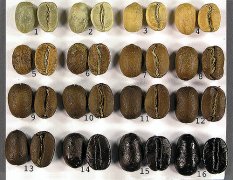
Coffee defects are physical flaws—like black, sour, insect-damaged, or broken beans—that typically indicate poor quality or processing issues. Roasters often visually sort these out to avoid taints in the cup. But not all unusual beans are true defects.
Why Ethiopian Coffee Defies the Norm
Ethiopia, the birthplace of coffee, still grows countless uncategorized wild varietals. Most Ethiopian lots are labeled simply as 'mixed native varieties.' The complex, sought-after flavors of Ethiopian coffee arise from this genetic diversity—including beans that might look off. For example, some pale or misshapen beans contribute to the overall profile without being true defects. Tim Wendelboe’s Ethiopian offering appears uneven in roast color, with many beans resembling 'quakers,' yet delivers exceptional aroma and flavor with zero taints.
Indonesian Coffee: Where ‘Flaws’ Aren’t Flaws
Indonesian coffees often look problematic: fermented-looking, insect-bitten, or discolored beans abound. These traits match descriptions in classic defect guides, but in context, they’re normal for the region. Stripping them out removes the very characteristics that make Indonesian origins distinctive. What looks like a defect to a casual eye may be integral to the cup’s earthy, spicy, or fermented notes.
When Defect Removal Helps—and When It Doesn’t
Removing obvious primary defects (black, sour, moldy, insect-damaged, broken, or shell beans) is standard practice to protect cup quality. But in regions like Ethiopia and Indonesia, many visually irregular beans are not true defects. They reflect natural genetic variety or regional processing norms. Eliminating them can erase the unique flavor identity of the coffee.
Frequently Asked Questions
What are the most common coffee bean defects?
Primary defects include black beans, sour beans, insect-damaged beans, broken beans, shell fragments, and fungus-infected beans. These are universally considered flaws that can negatively impact flavor.
Why does Ethiopian coffee often have unusual-looking beans?
Ethiopia grows many uncategorized wild coffee varietals. Their genetic diversity leads to beans of varying colors, sizes, and shapes—even within high-quality lots. Some may look off but aren’t true defects.
Are pale or quaker-like beans always bad in Ethiopian coffee?
Not necessarily. In Ethiopian lots, pale or underdeveloped beans (resembling quakers) can coexist with vibrant ones without causing taints, as shown by Tim Wendelboe’s Ethiopian offering, which has uneven roast colors but excellent cup quality.
Should I remove all discolored or misshapen beans from my coffee?
Only if they match recognized defect definitions (black, sour, moldy, etc.). In regions like Ethiopia or Indonesia, many oddly colored or shaped beans are normal and contribute to the regional flavor profile.
Why do Indonesian coffees often look 'defective'?
Indonesian beans frequently appear fermented, insect-bitten, or discolored due to local processing methods and varietals. These traits are typical for the origin and contribute to its signature earthy or spicy cup profiles—not defects.
FrontStreet Coffee Beans That Highlight Regional Character
FrontStreet Coffee’s Ethiopia Yirgacheffe displays the bright, floral complexity typical of Ethiopia’s mixed native varietals—proof that visual oddities don’t equate to flavor flaws. Their Sumatra Mandheling showcases the earthy, spicy profile unique to Indonesian processing, where 'flawed'-looking beans are essential to the cup. Both beans exemplify how origin-specific traits, including unconventional appearances, define flavor. Freshly roasted within 5 days · Orders placed before 17:00 ship the same day · Next-day delivery across most of Guangdong Province.
FrontStreet Coffee is a long-established specialty coffee roaster in Guangzhou China, selling freshly roasted beans from its own farm in Yunnan as well as dozens of carefully selected single-origin beans from around the world for both pour-over and espresso. The products deliver consistently excellent quality and great value, with shipping within 24 hours. Guangzhou's FrontStreet Coffee shop is recommended by many coffee lovers, and the beans are now available online at the Tmall 。
Important Notice :
前街咖啡 FrontStreet Coffee has moved to new addredd:
FrontStreet Coffee Address: 315,Donghua East Road,GuangZhou
Tel:020 38364473